Wet-Bulb Temperature, Heat Index and WBGT Calculator
 Wired White v1
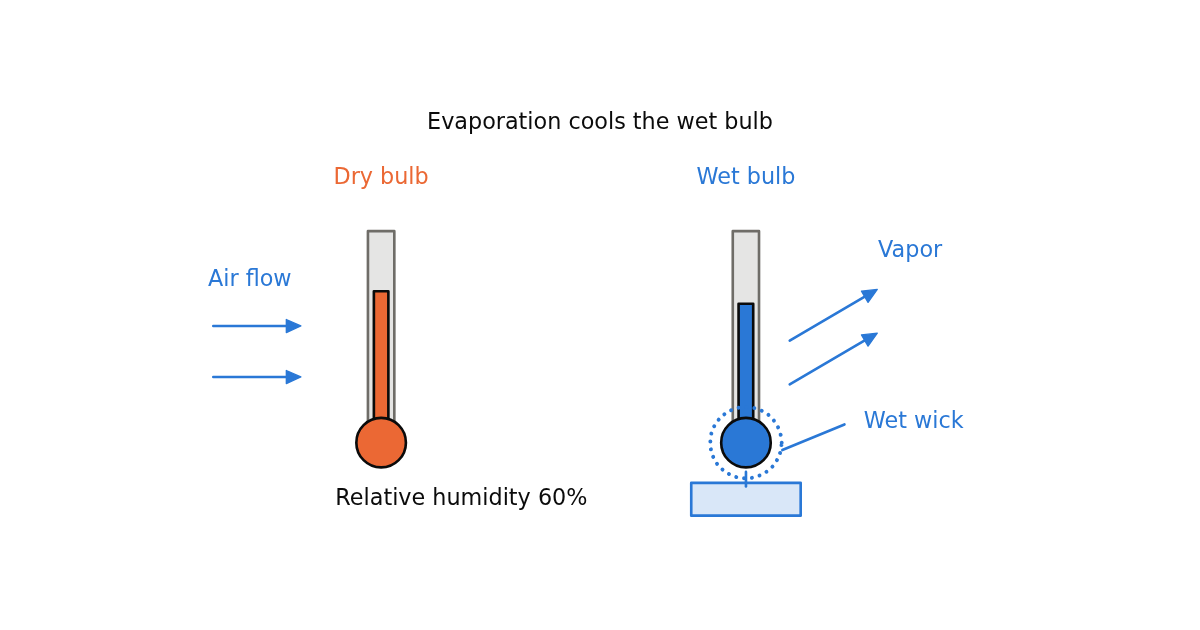
Calculate wet-bulb temperature, dew point, NWS heat index and wind chill. Estimate WBGT from local wind and sunlight, with Japanese heat-risk bands.
Calculators by WiredWhite engineers: inputs, formulas you can read, results, charts and drawings, checked against reference cases. They run in your browser.
Wired White v1 Calculate wet-bulb temperature, dew point, NWS heat index and wind chill. Estimate WBGT from local wind and sunlight, with Japanese heat-risk bands.
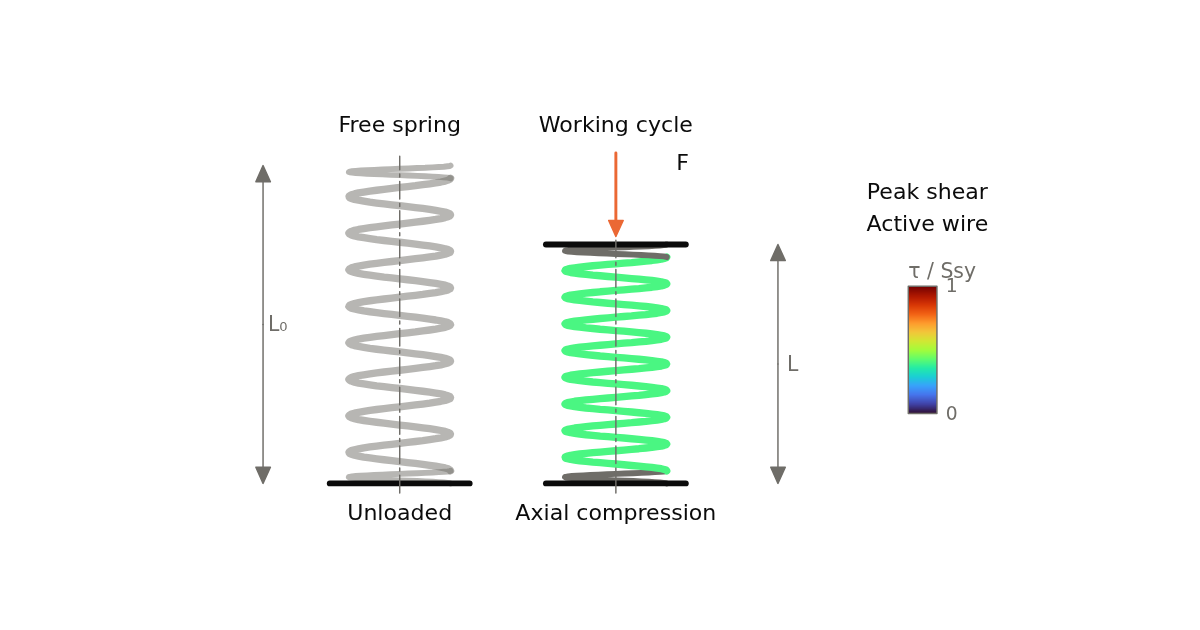
Wired White v1 Design a round-wire compression spring: calculate rate, solid height, Wahl stress, buckling, Goodman fatigue and surge frequency, with animated compression.
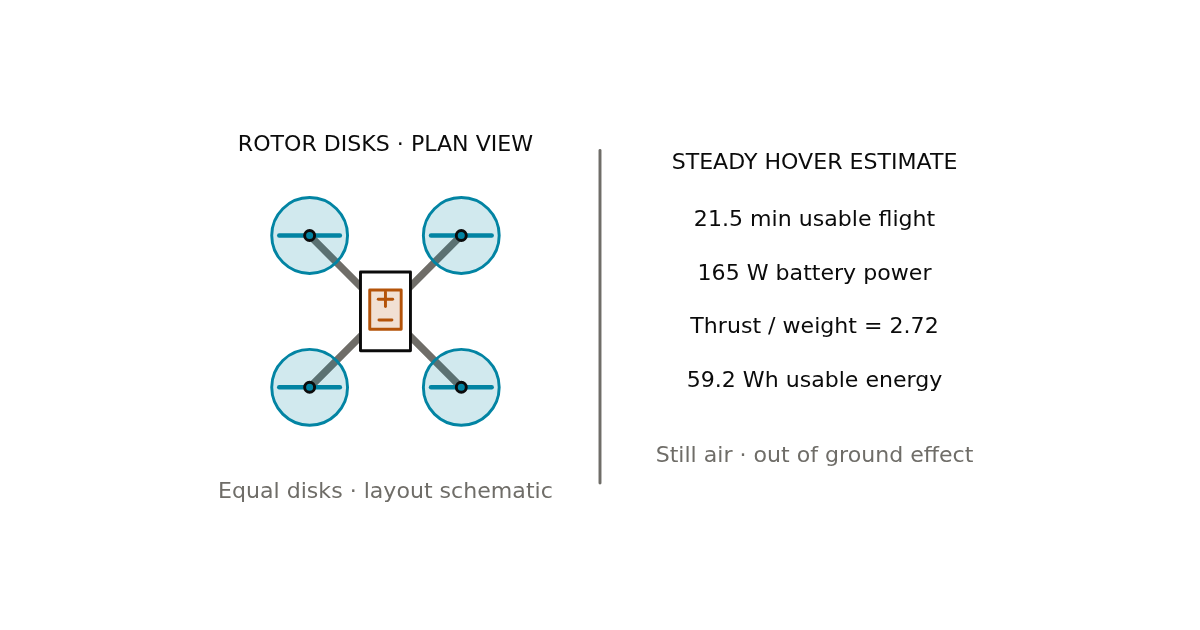
Wired White v1 Estimate multicopter hover time from battery energy and rotor physics. Check thrust-to-weight ratio and payload limits for a chosen endurance target.
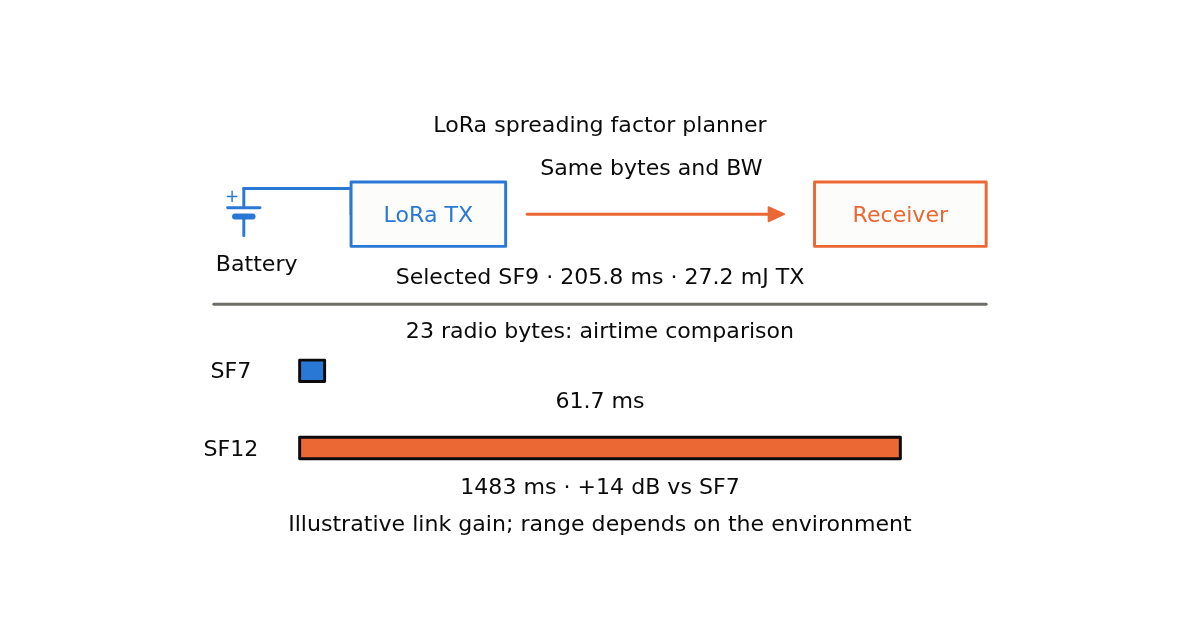
Wired White v1 Compare SF7–SF12 airtime, bit rate, link gain, hourly duty budget and battery cost per message. Enter your regional limit and device currents; optionally estimate ALOHA overlap.
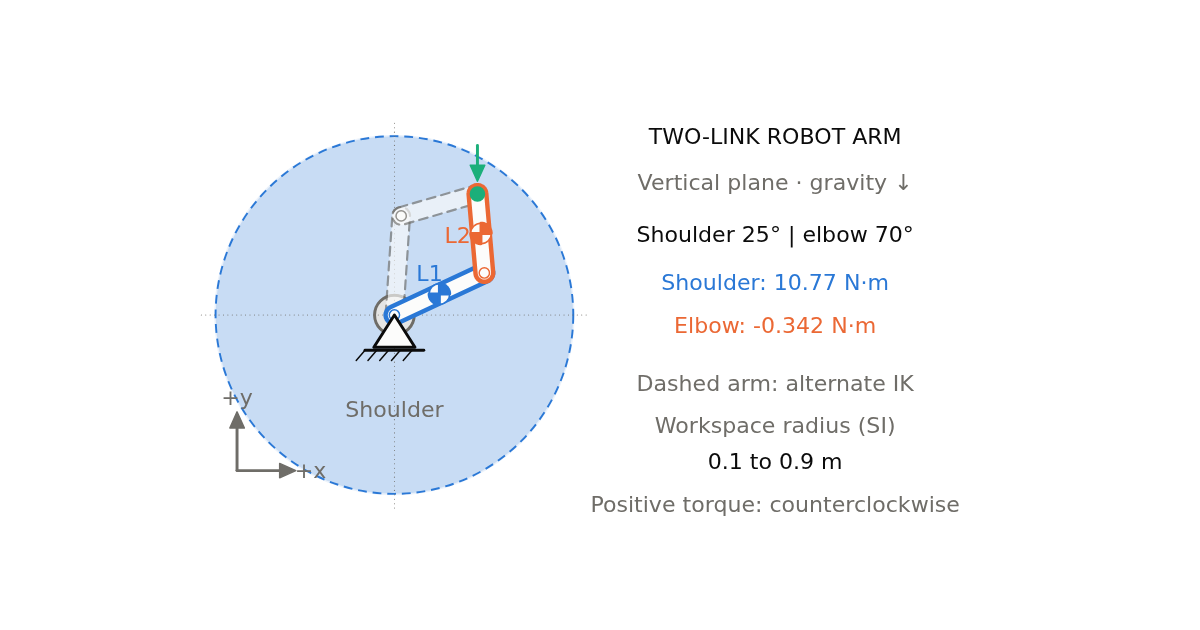
Wired White v1 Solve forward and inverse kinematics for a planar two-link arm, compare elbow up/down, and calculate static joint torques from link masses and payload.
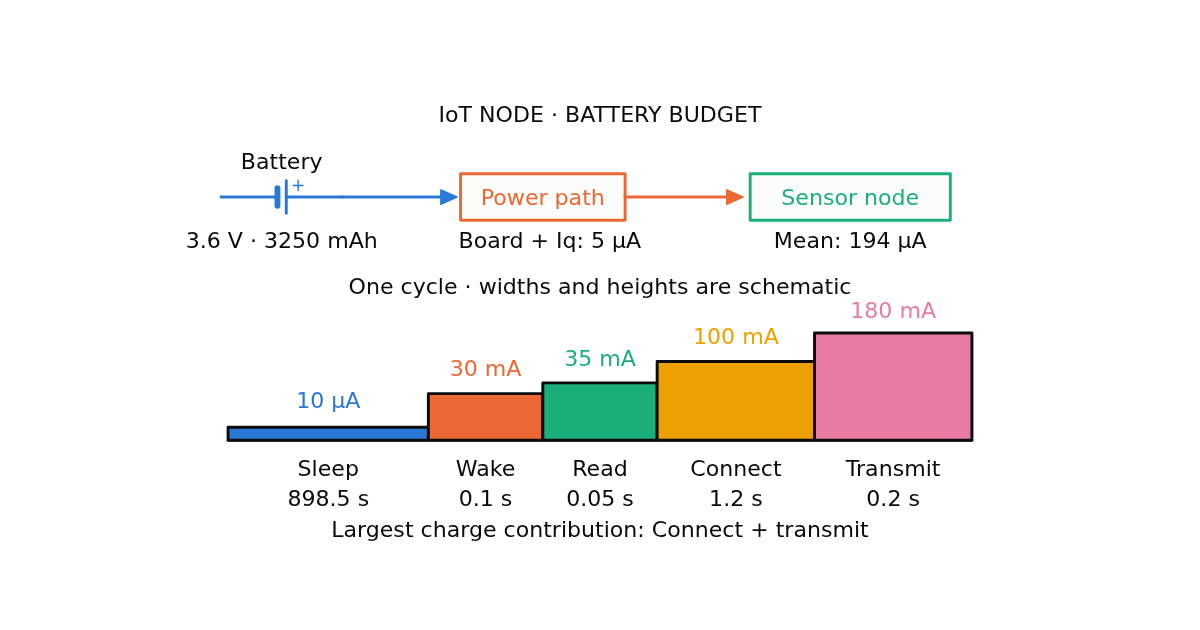
Wired White v1 Estimate sensor node battery life from sleep, wake, sensing, connection and transmit states. Include board leakage, regulator current, capacity derating and annual self-discharge.
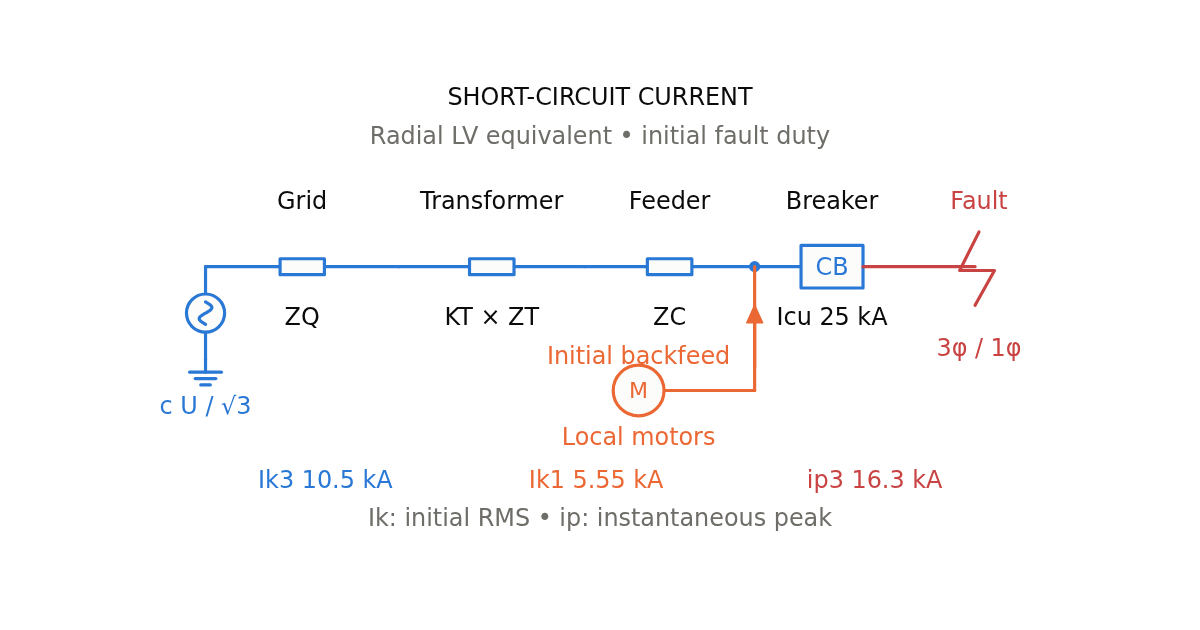
Wired White v1 Estimate three-phase and single-phase fault current, motor backfeed and peak current using a simplified IEC 60909 impedance model. Compare duty with breaker capacity.
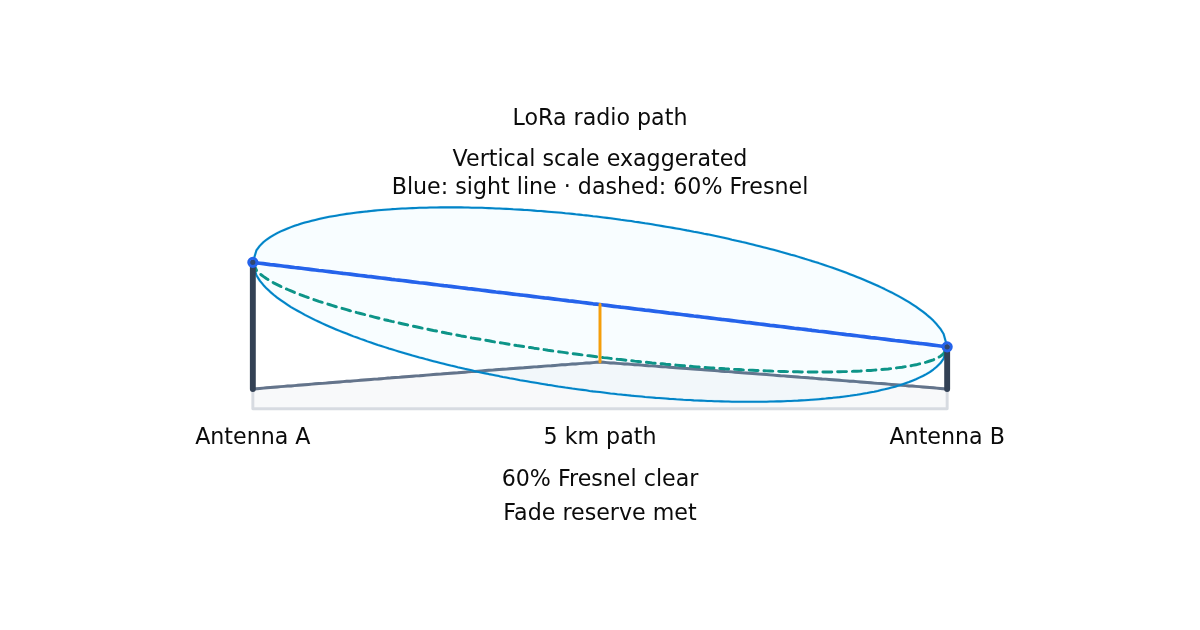
Wired White v1 Estimate LoRa link margin, Fresnel clearance and ridge diffraction. Compare free space with Hata models and check dated regional power and airtime presets.
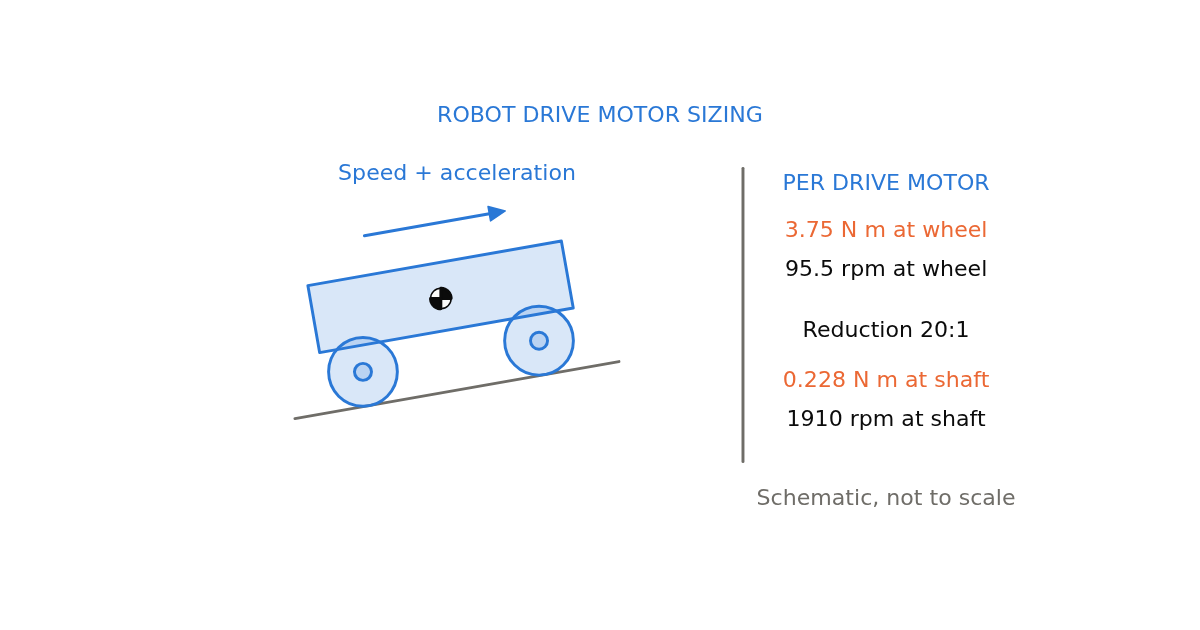
Wired White v1 Size wheel and motor torque, speed, reduction ratio and battery energy for an uphill wheeled robot. Check traction and compare a candidate motor at its loaded operating point.
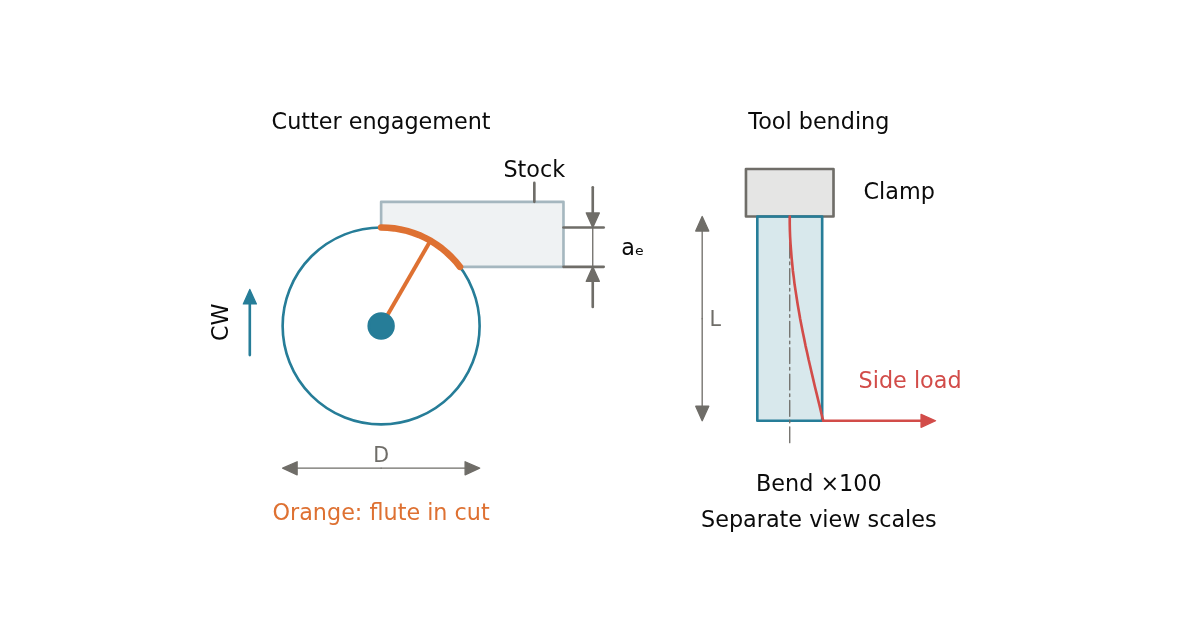
Wired White v1 Calculate chip load, radial chip thinning, feed rate, spindle power and static end mill deflection. Explore cutter engagement and the effect of stickout.
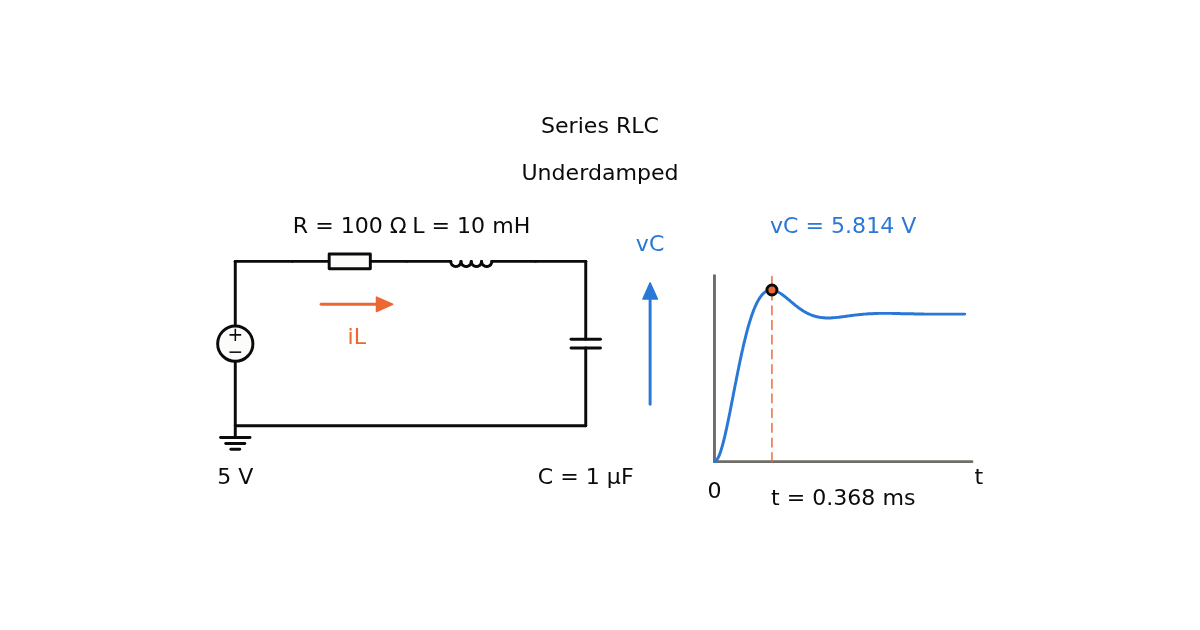
Wired White v1 Calculate RC, RL, and series or parallel RLC step responses, Bode plots, resonance, Q, and damping. Animate the transient and inspect voltage and current.
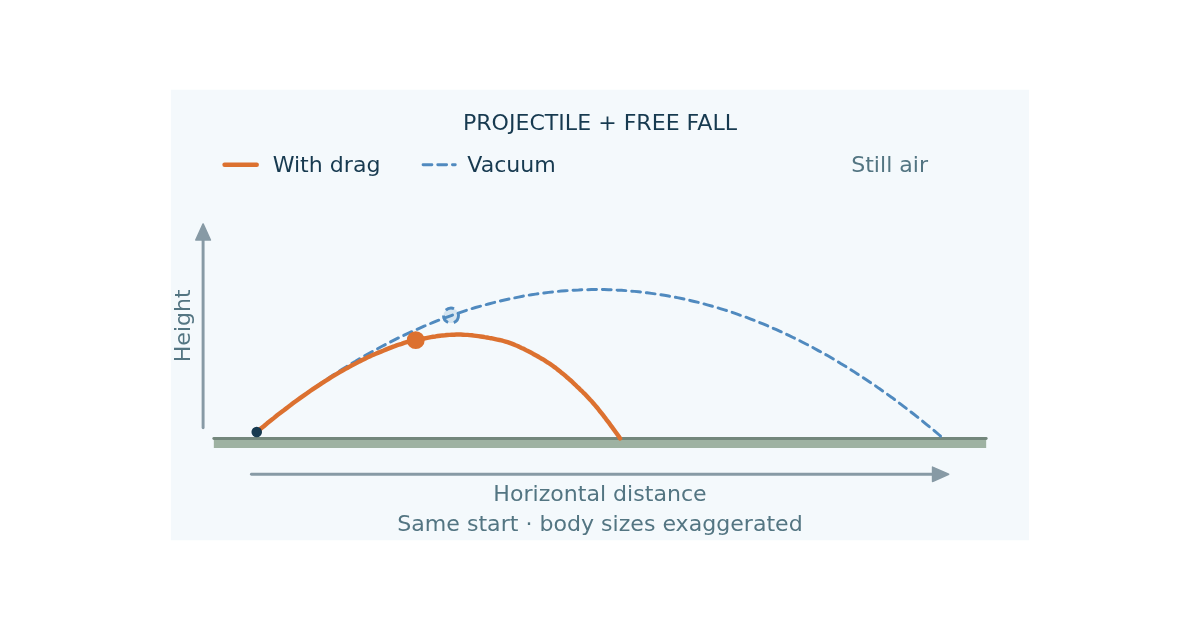
Wired White v1 Calculate projectile motion and free fall with air resistance, wind and altitude. Compare the vacuum path, find the best launch angle, and estimate terminal velocity.
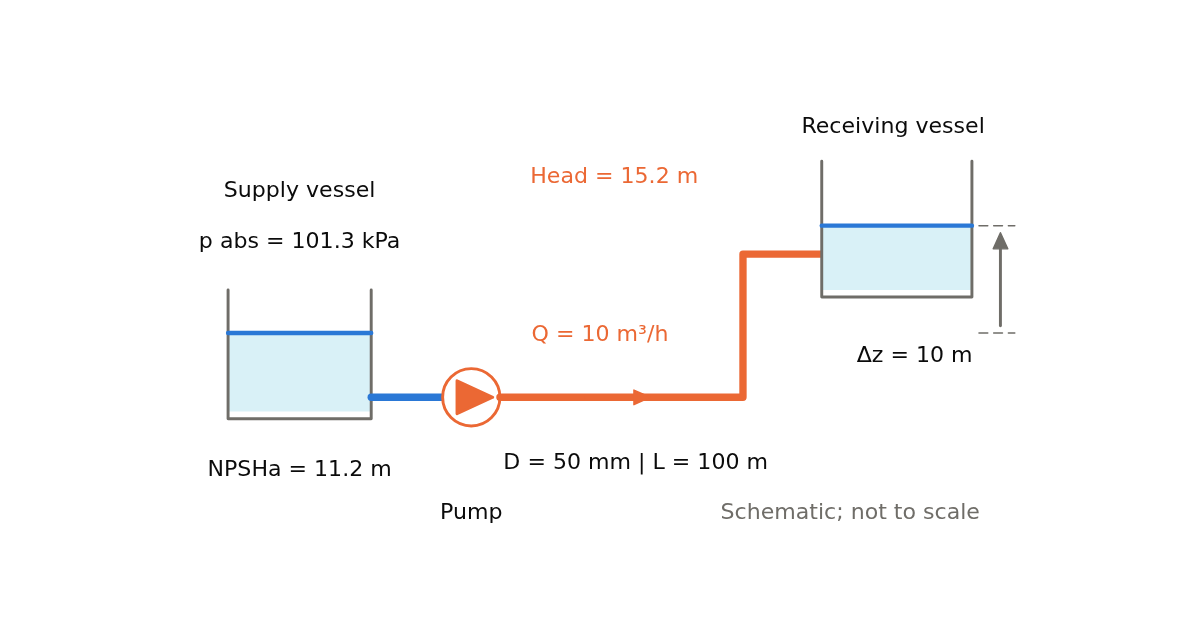
Wired White v1 Calculate pipe pressure drop, pump head, shaft power and NPSHa with Darcy–Weisbach. Compare system and pump curves using Colebrook or Swamee–Jain friction factors.
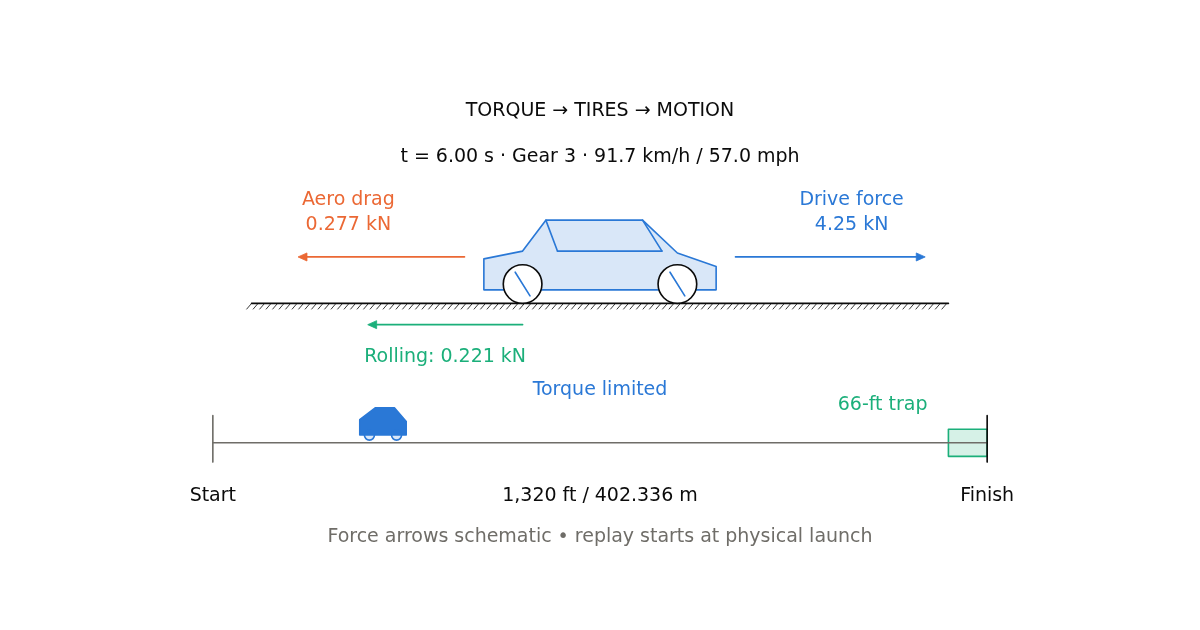
Wired White v1 Simulate quarter-mile ET, trap speed and 0–60 mph from an engine torque curve, gearing, shift delays, tire grip and road loads. Replay the pass and compare the forces.
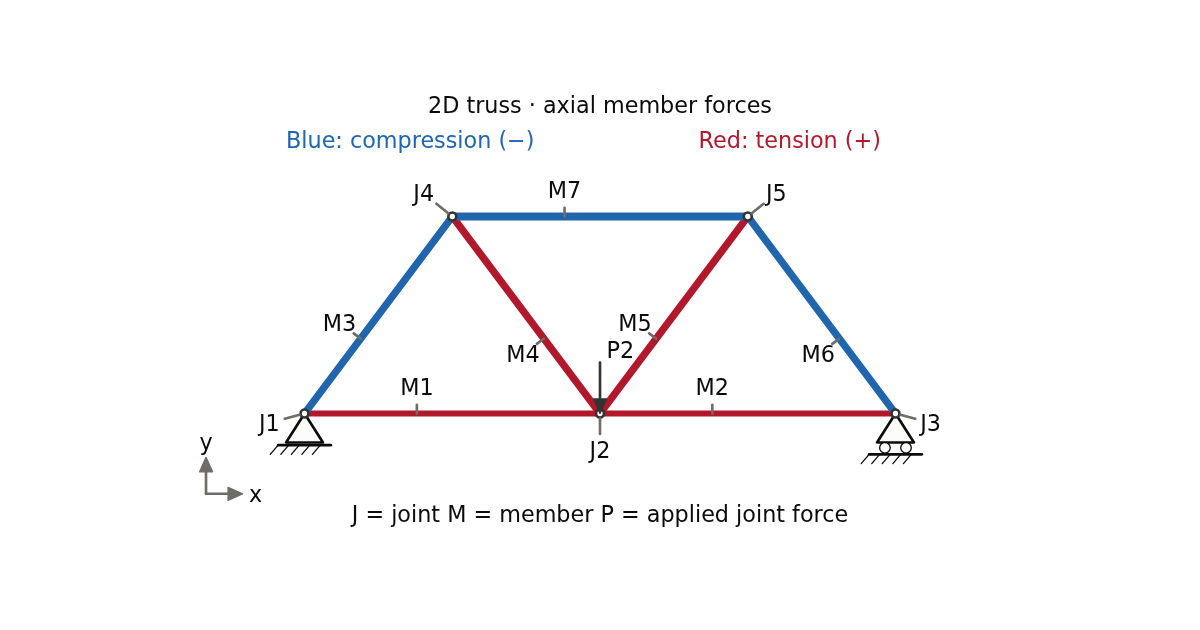
Wired White v1 Analyze 2D pin-jointed trusses by the direct stiffness method. Calculate member forces, stresses, support reactions and joint displacements with force-coloured diagrams.
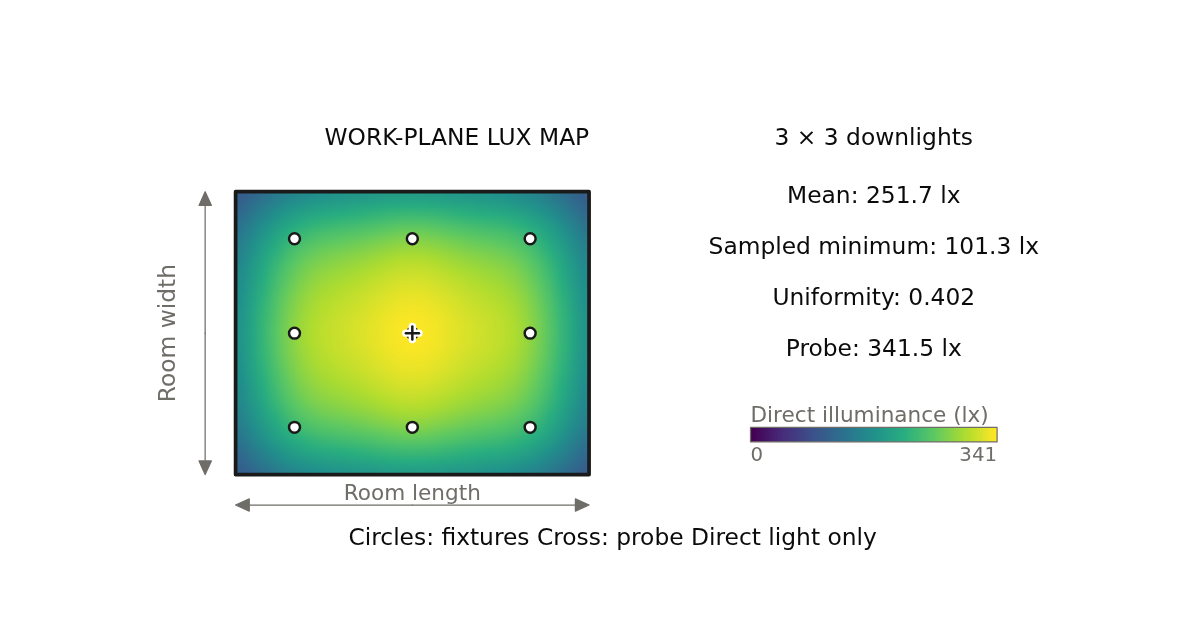
Wired White v1 Plan recessed-light spacing and count from lumens, beam angle and mounting height. Compare lux heat maps, average light levels and uniformity with a task target.
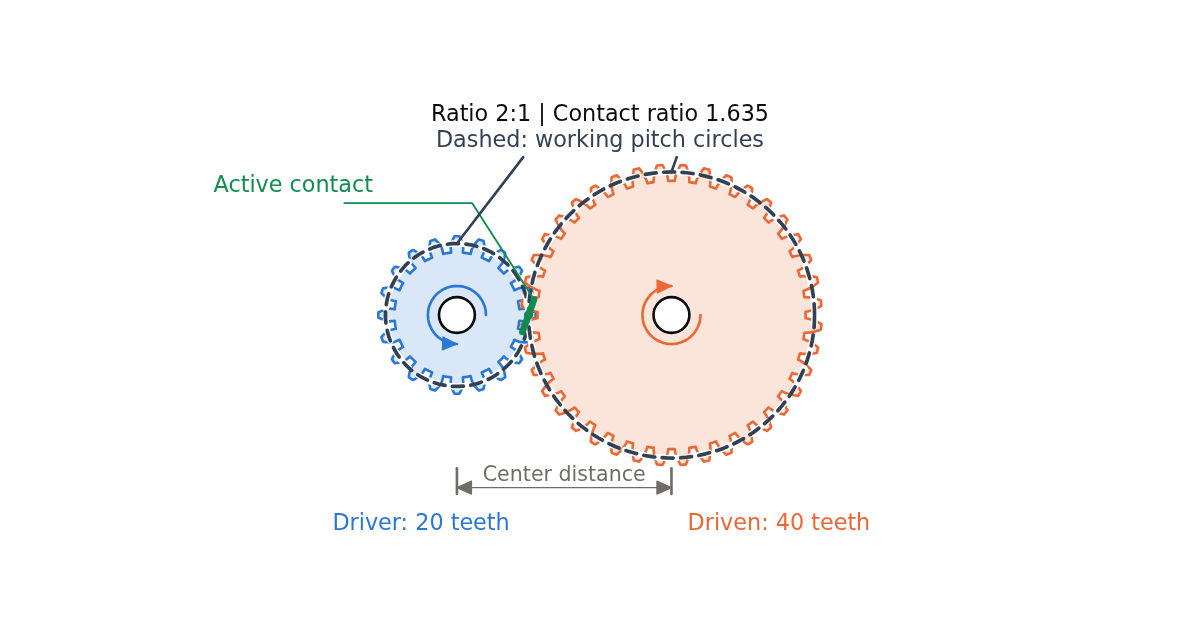
Wired White v1 Calculate gear-train ratio, speed and torque; inspect a rotating involute spur pair with profile shift and contact ratio, then compare road speed by gear.
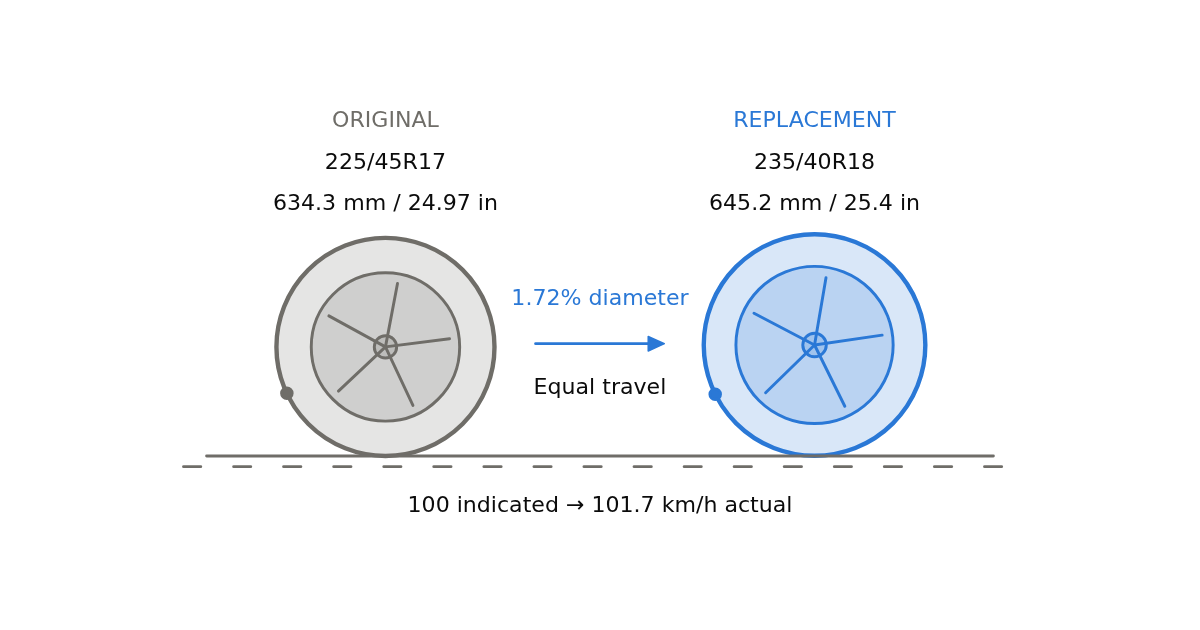
Wired White v1 Compare tire sizes, speedometer error and engine RPM in every gear. Find regear targets and see how wheel offset changes a measured clearance envelope.
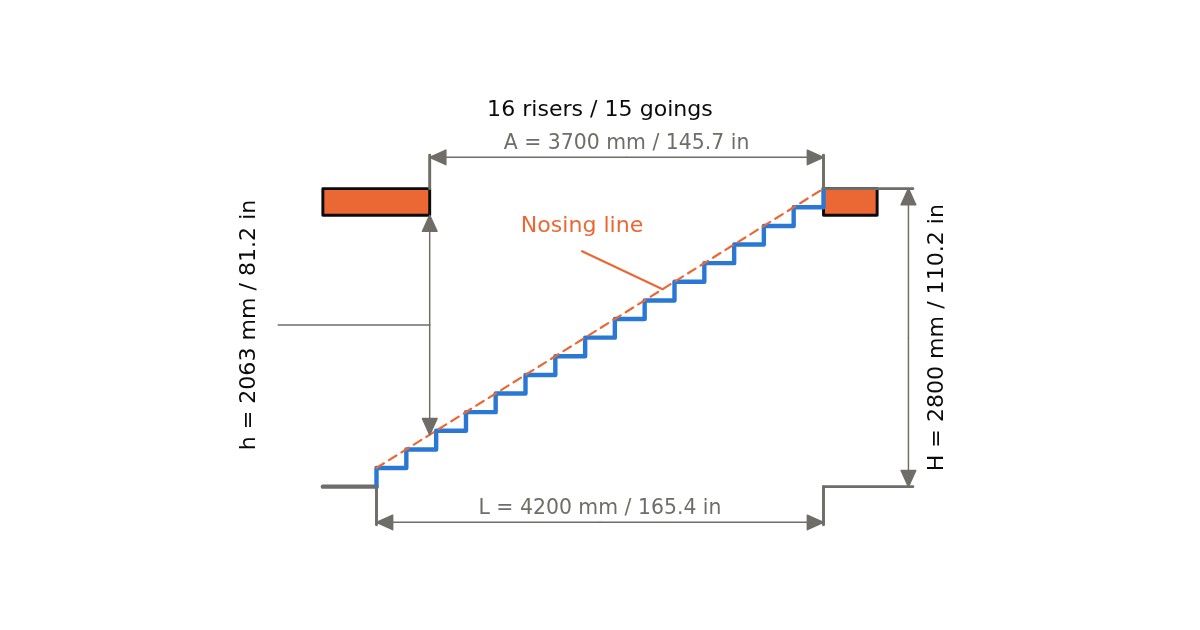
Wired White v1 Calculate stair rise, going, pitch, stringer layout length and headroom from total rise and run. Compare riser counts with explicit IRC or DIN dimensional checks.
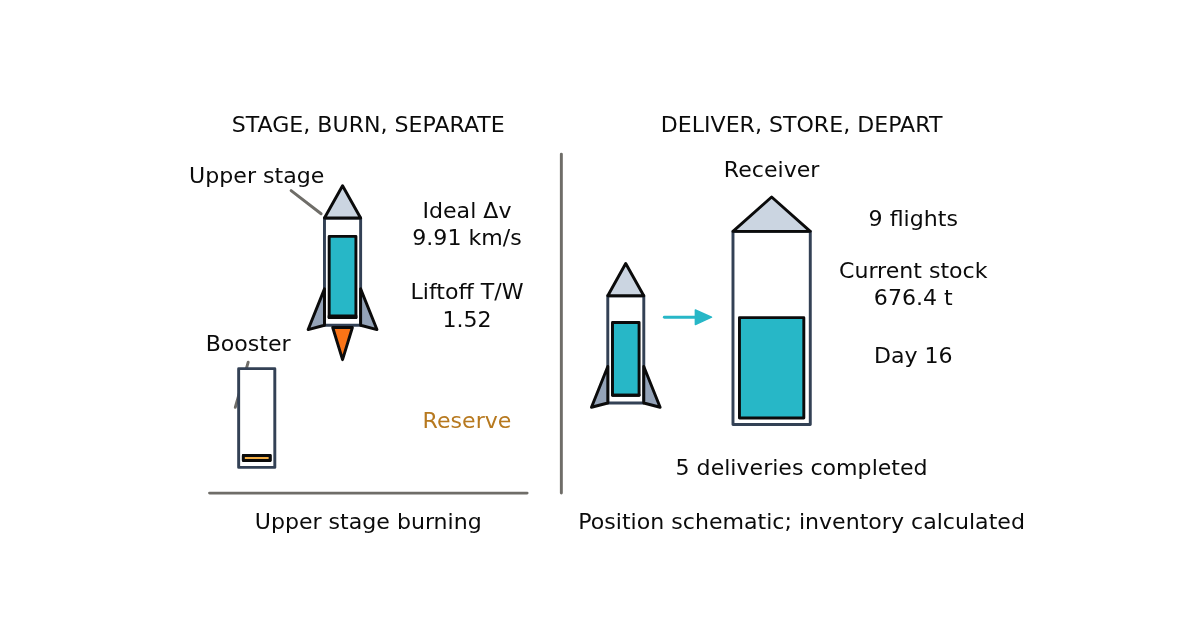
Wired White v1 Calculate staged rocket delta-v, thrust-to-weight and ascent loss estimates. Explore optimal mass allocation and tanker deliveries with transfer losses and boil-off.
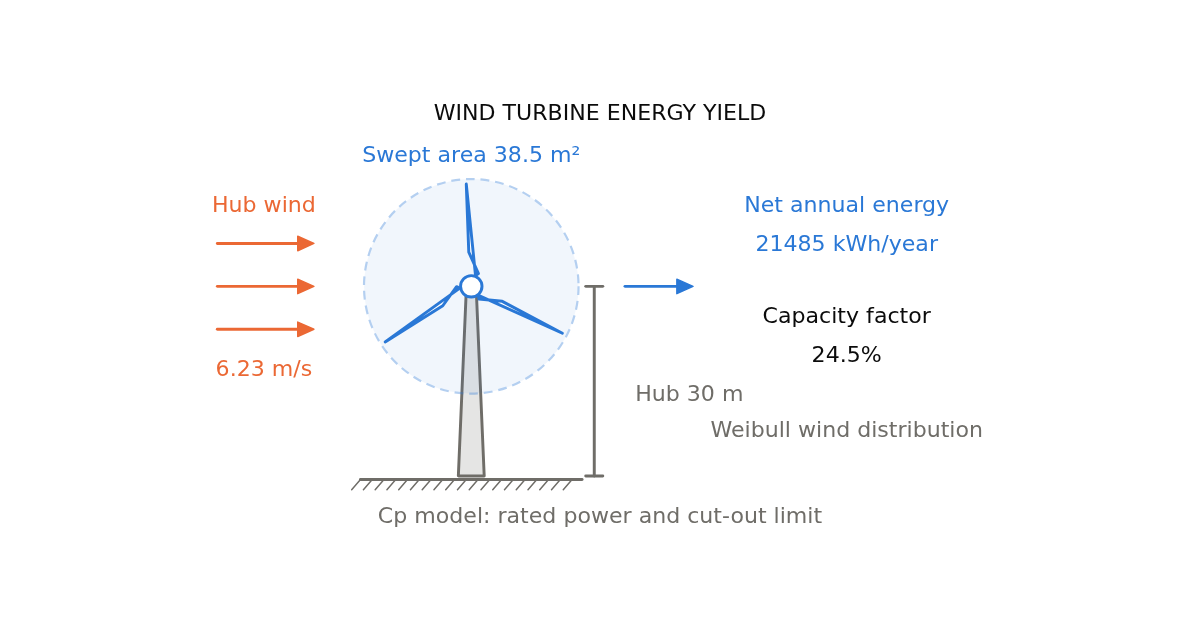
Wired White v1 Estimate annual wind turbine energy and capacity factor using Weibull winds, hub-height shear, and a Cp model or measured power curve. Include availability and site losses.
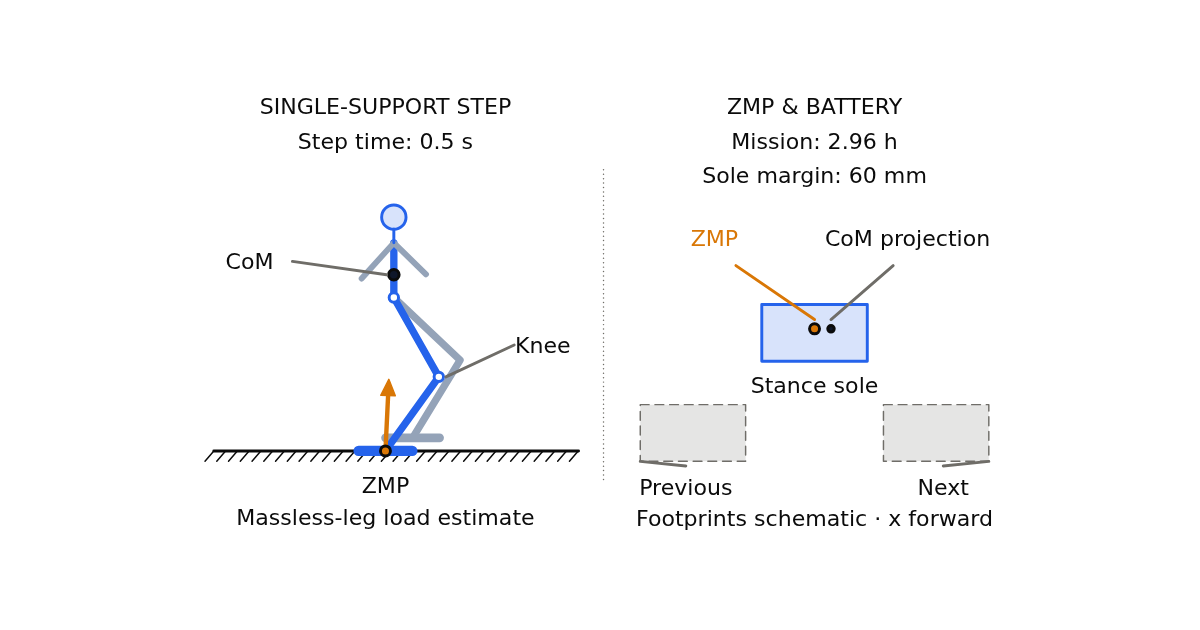
Wired White v1 Estimate humanoid robot battery life, ZMP balance margins and hip/knee stance torque. Animate a walking step and compare battery, gait and duty-cycle assumptions.
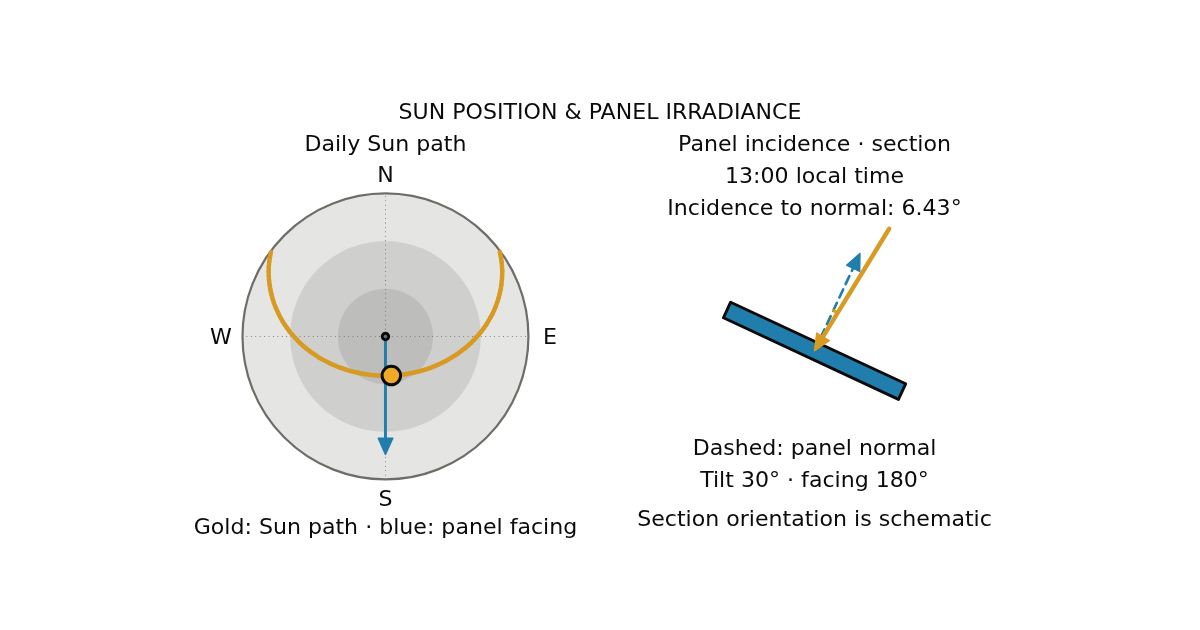
Wired White v1 Find solar elevation, azimuth and clear-sky irradiance on a tilted panel. Animate the sun path, compare panel tilts and estimate daily incident solar energy.
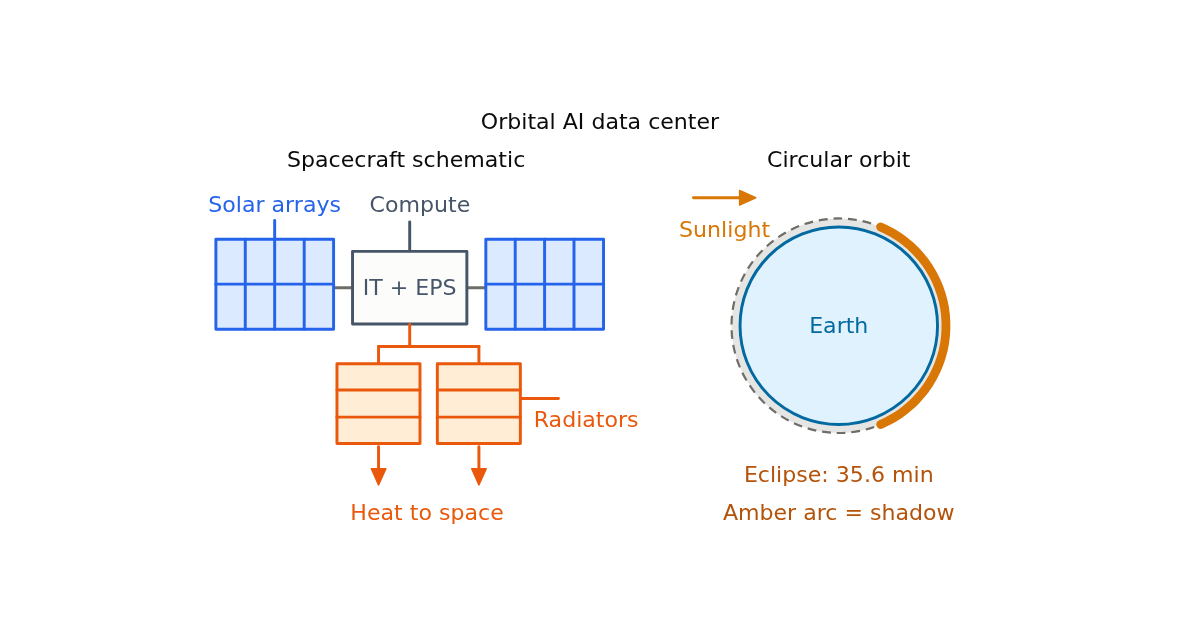
Wired White v1 Size solar arrays, eclipse batteries and radiators for an orbital AI data center. Compare temperature, orbit geometry, launch mass and launch-price assumptions.






Please confirm you want to block this member.
You will no longer be able to:
Please allow a few minutes for this process to complete.