Hydrogen & CNG Tank Capacity and Fast-Fill Heating
 Wired White v3
Calculate real-gas mass, compressibility, usable energy and range. Simulate gas and wall heating during hydrogen or methane fills with pre-cooling and pressure cutoff.
Batteries by the numbers: pack configuration from cells in series and parallel, runtime and backup time, Li-ion voltage under load with a 2RC cell model, IoT battery life with sleep and self-discharge, power station and inverter backup sizing, and grid-scale BESS capacity and PCS design. Each calc shows its method and published sources.
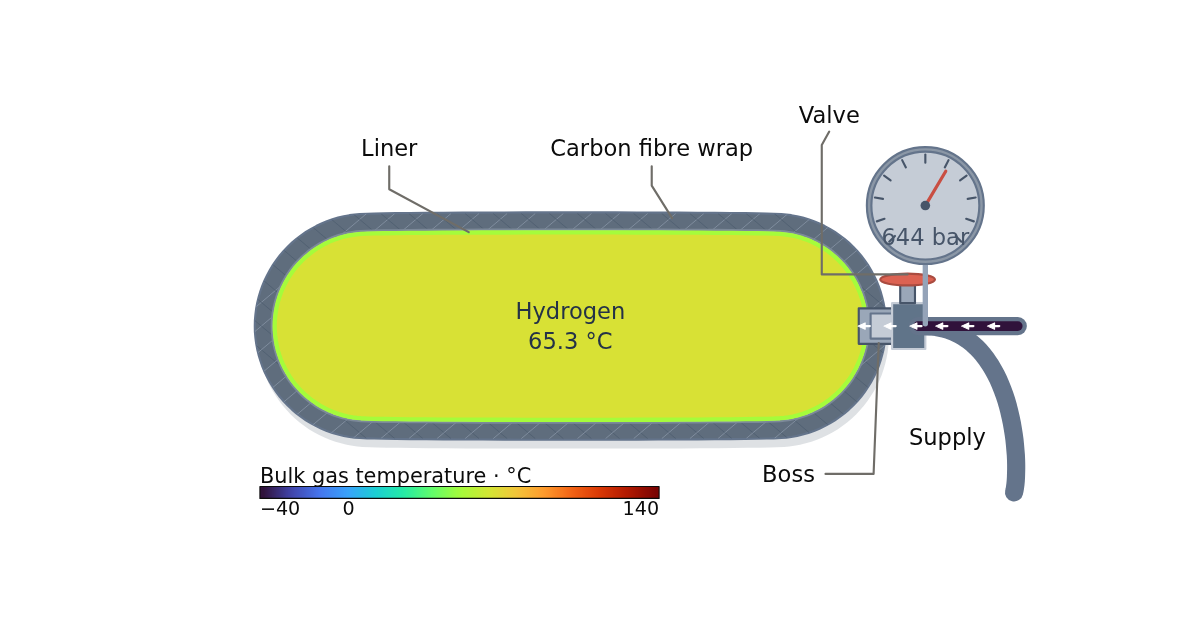
Wired White v3 Calculate real-gas mass, compressibility, usable energy and range. Simulate gas and wall heating during hydrogen or methane fills with pre-cooling and pressure cutoff.
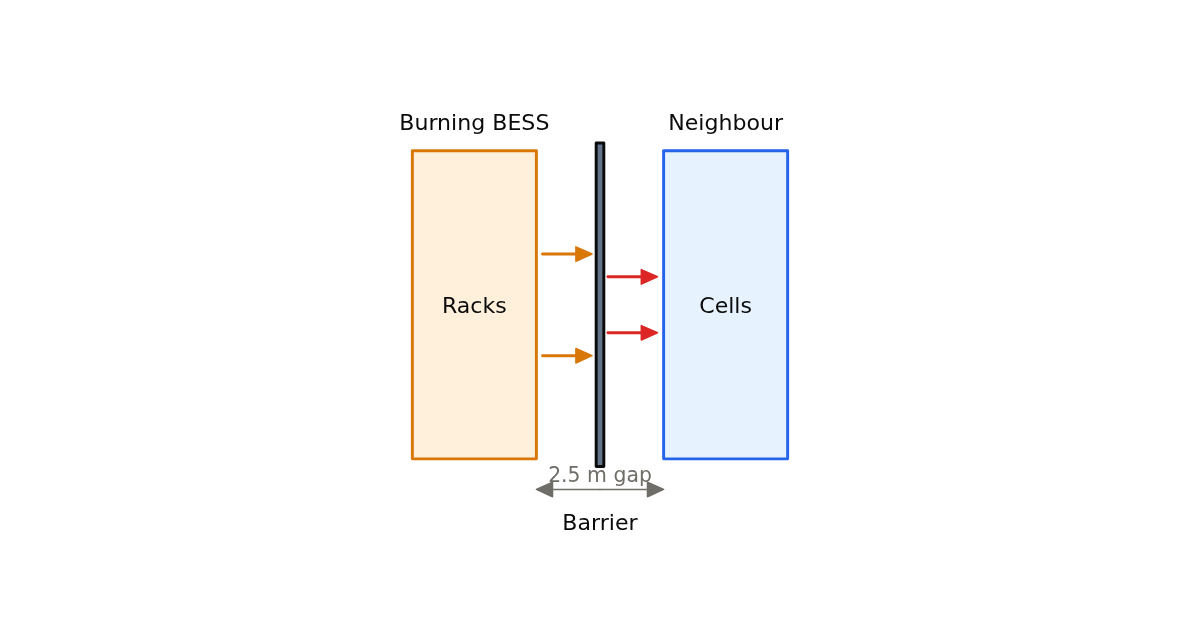
Wired White v2 Calculate fire radiation, transient wall and cell heating, and separation distance for neighbouring BESS containers. Compare open exposure with a heated barrier wall.
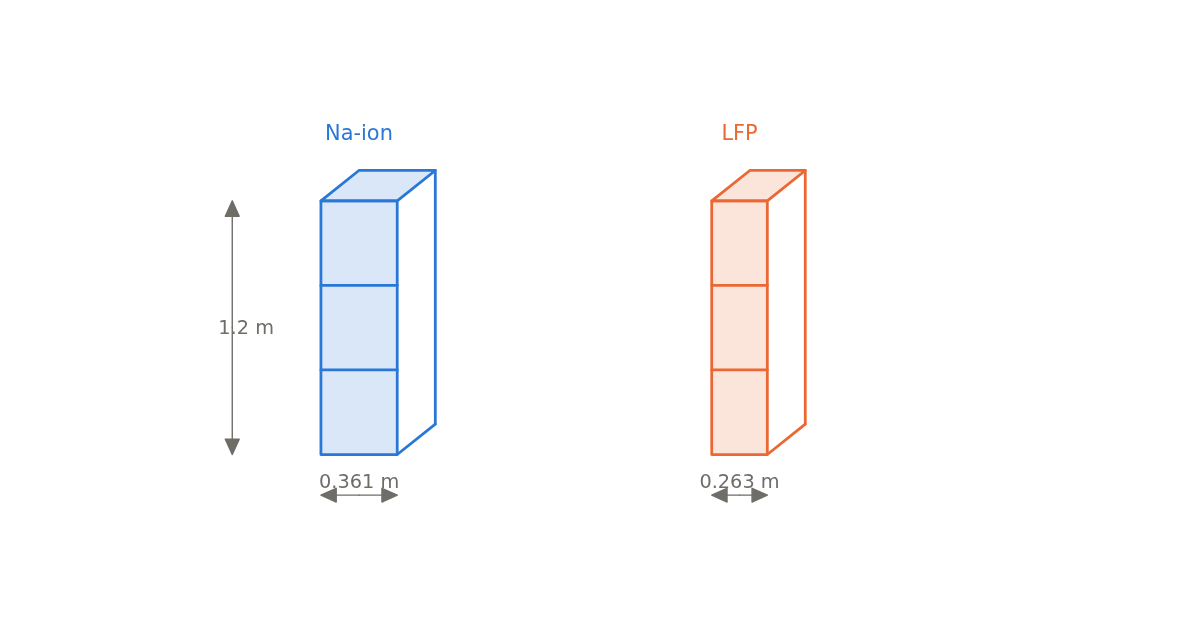
Wired White v2 Compare sodium-ion and LFP home batteries or BESS through simulated cold discharge, charging limits, efficiency, enclosure size and discounted lifetime cost.
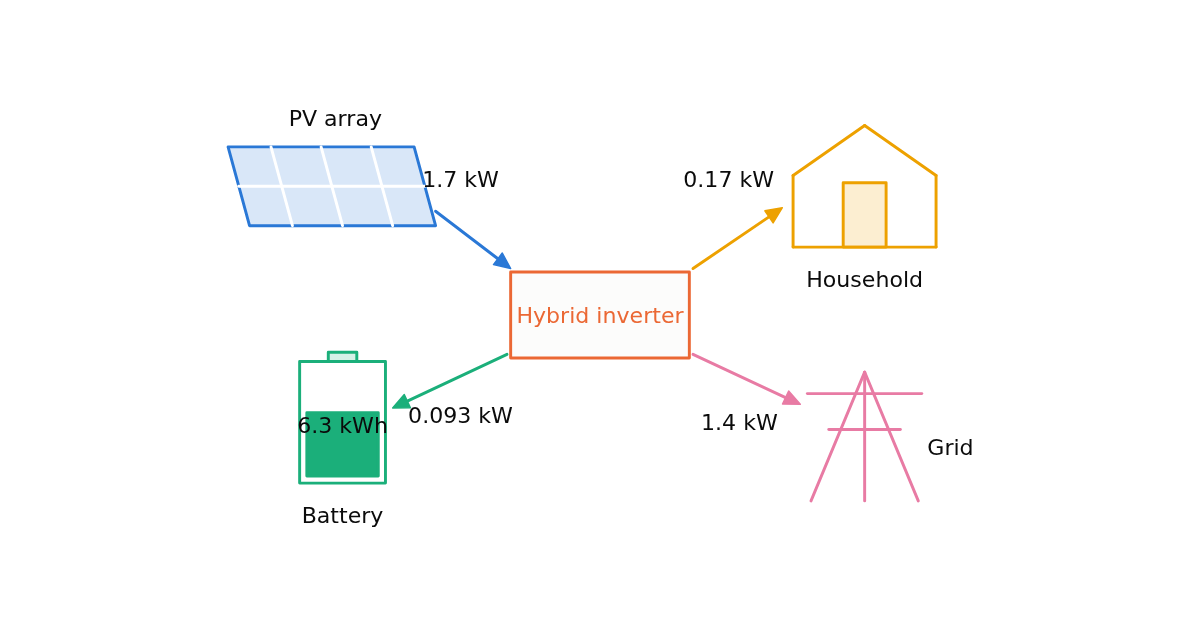
Wired White v3 Simulate a year of PV, household demand and dynamic prices. Compare net metering, self-consumption and optimized home battery dispatch, including negative prices, grid charging and payback.
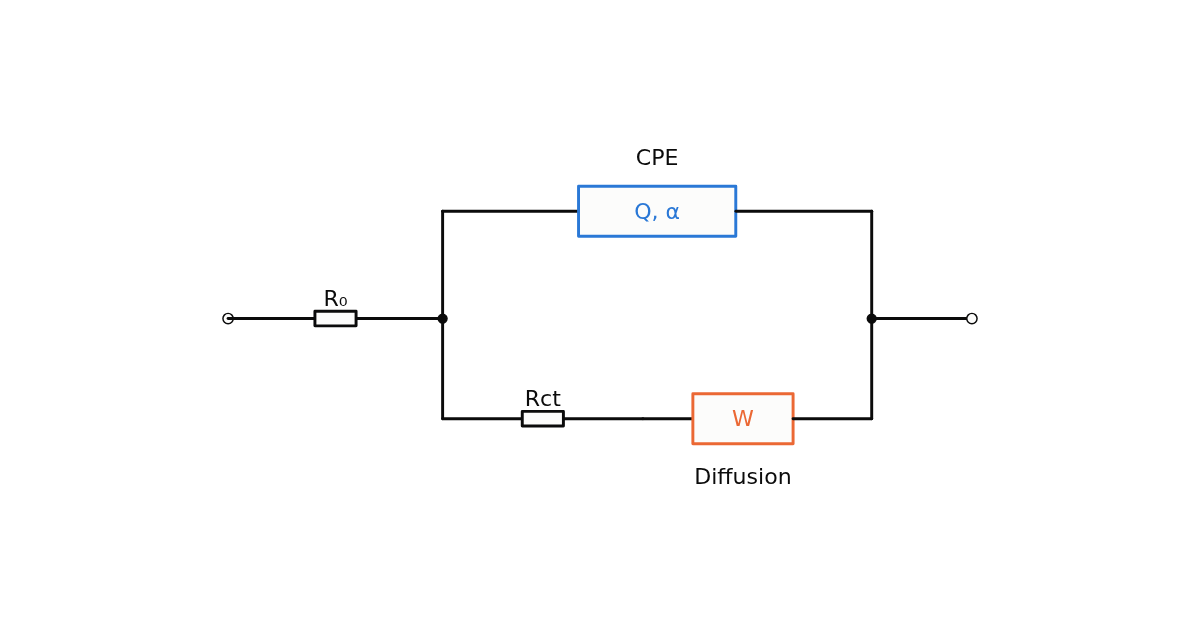
Wired White v2 Fit measured impedance with a Randles–CPE–Warburg model. Inspect Nyquist and Bode plots, compare health indicators, and set transparent second-life battery grades.
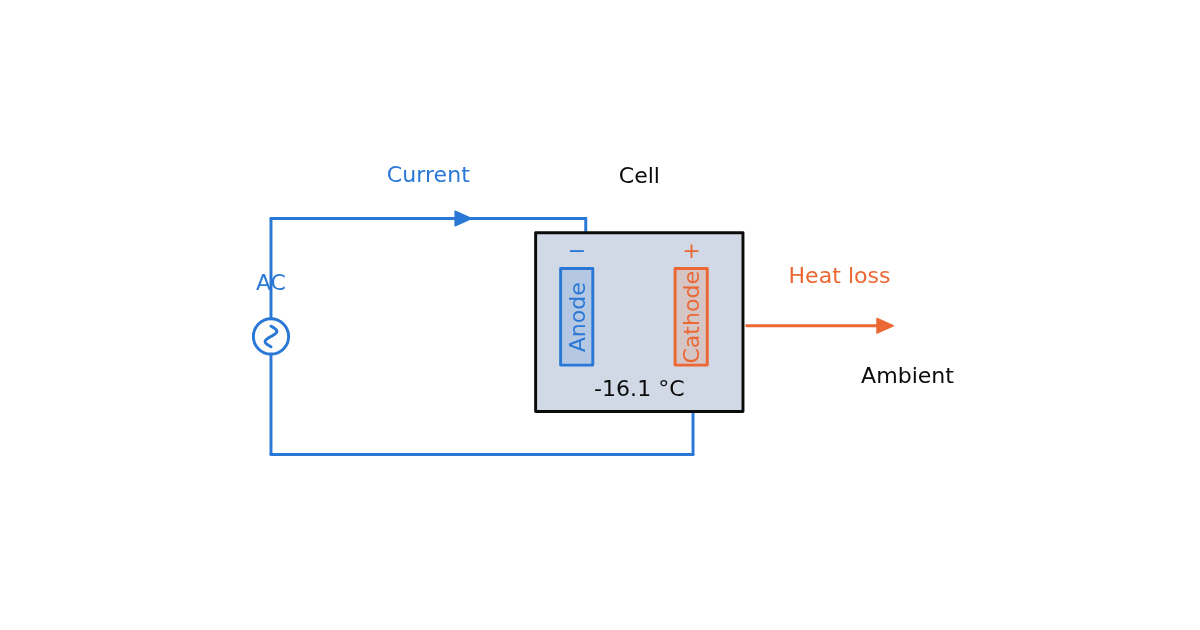
Wired White v2 Find AC frequency, allowable current and time to warm a frozen lithium-ion cell. Includes charge transfer, diffusion, anode polarization limits and heat loss.
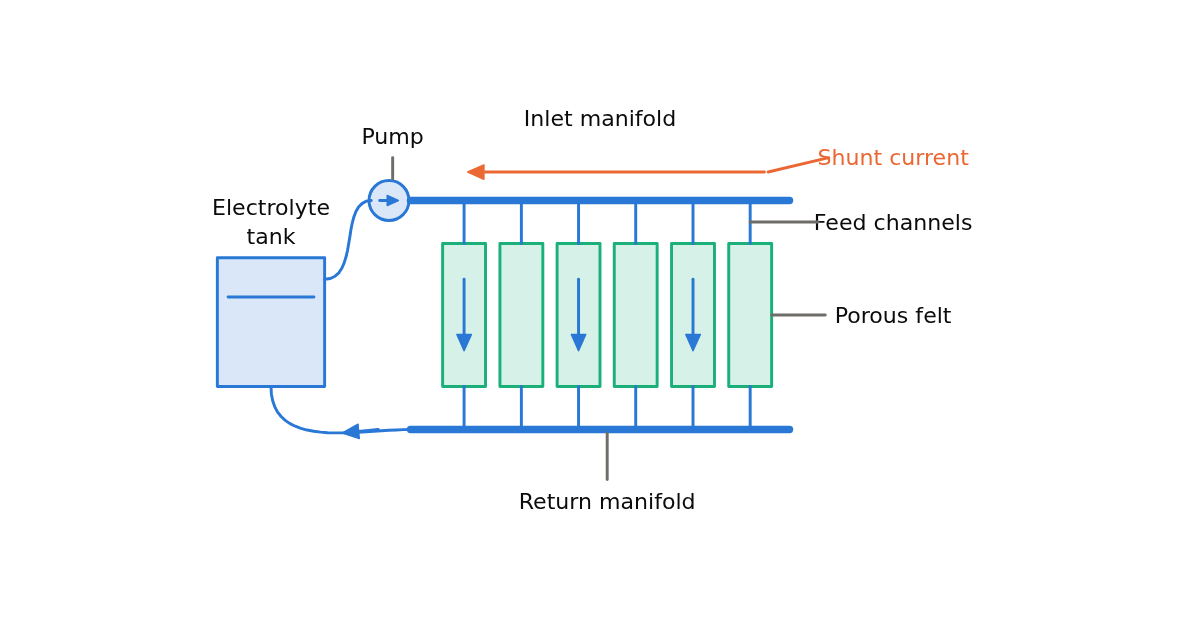
Wired White v2 Optimise VRFB flow and manifold diameters with a coupled shunt-current circuit, pressure losses and velocity-dependent electrode mass transfer. Compare pumping loss and instantaneous system efficiency.
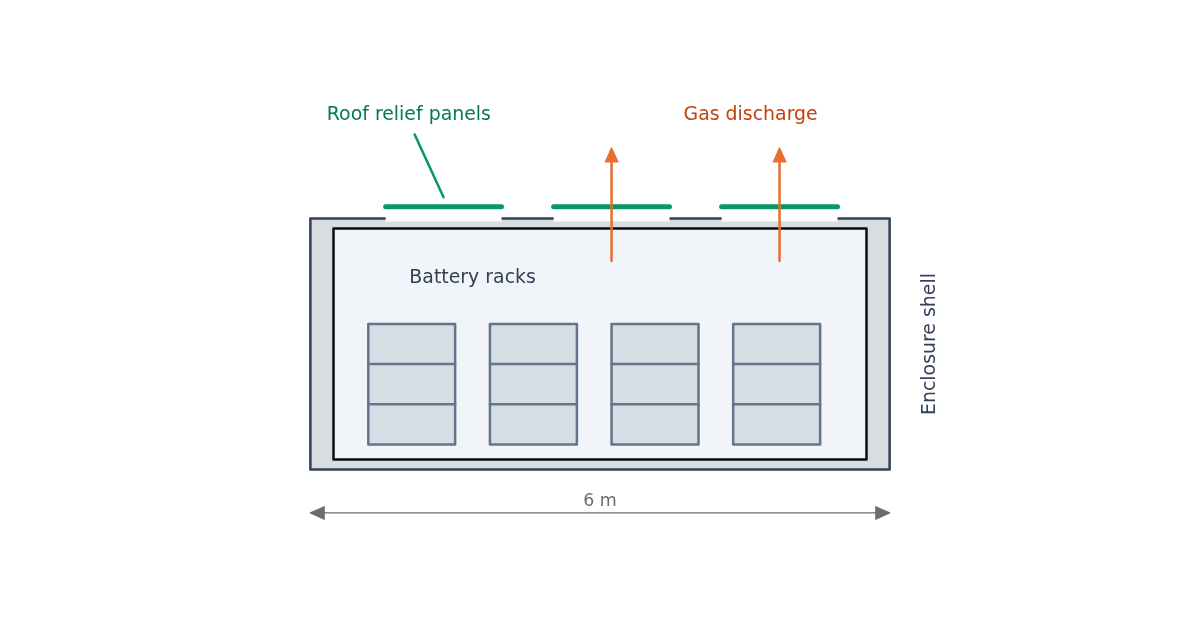
Wired White v3 Estimate BESS container explosion vent area from measured battery gas properties, enclosure geometry and panel inertia. Compare reduced pressure with enclosure resistance.
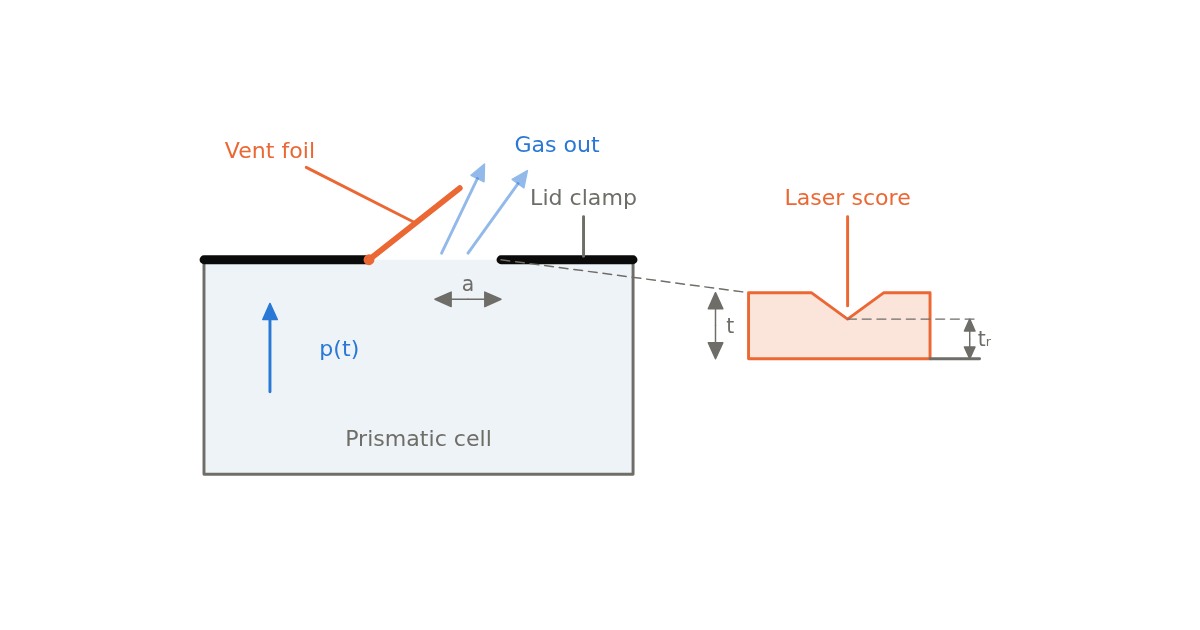
Wired White v2 Size a laser-scored vent foil with the Hencky membrane solution. Predict burst pressure and scatter, then check opened-vent gas capacity and cell pressure during an abuse pulse.
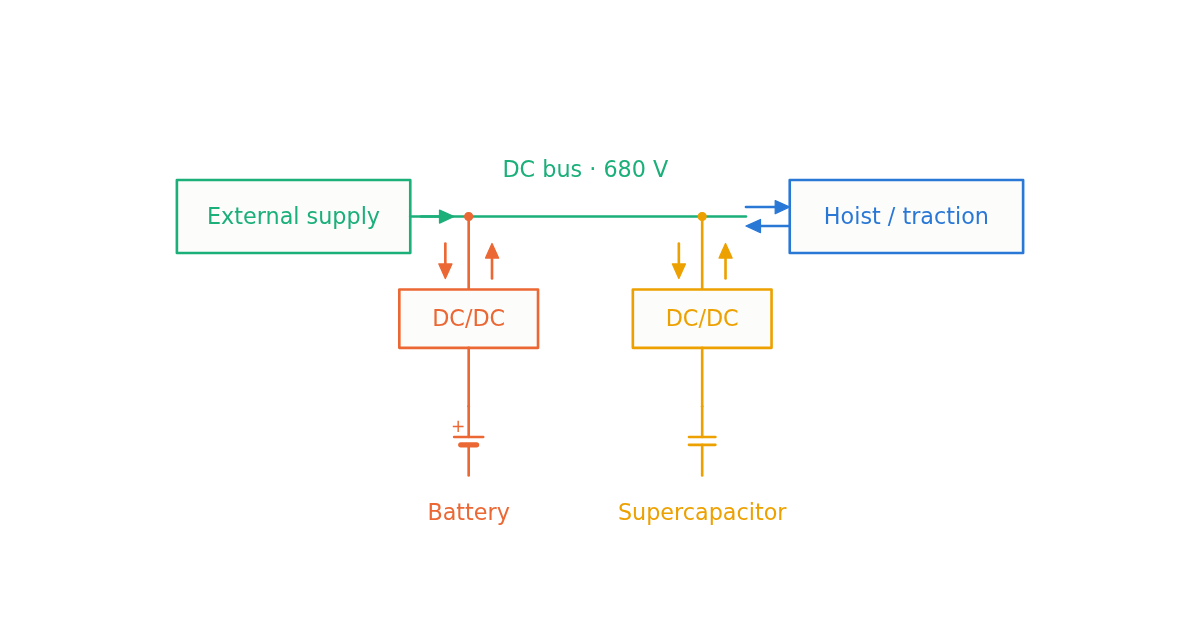
Wired White v2 Size supercapacitor strings, battery buffer and bidirectional DC/DC converters from a repeating crane or rail power profile, including ESR losses and battery C-rate relief.
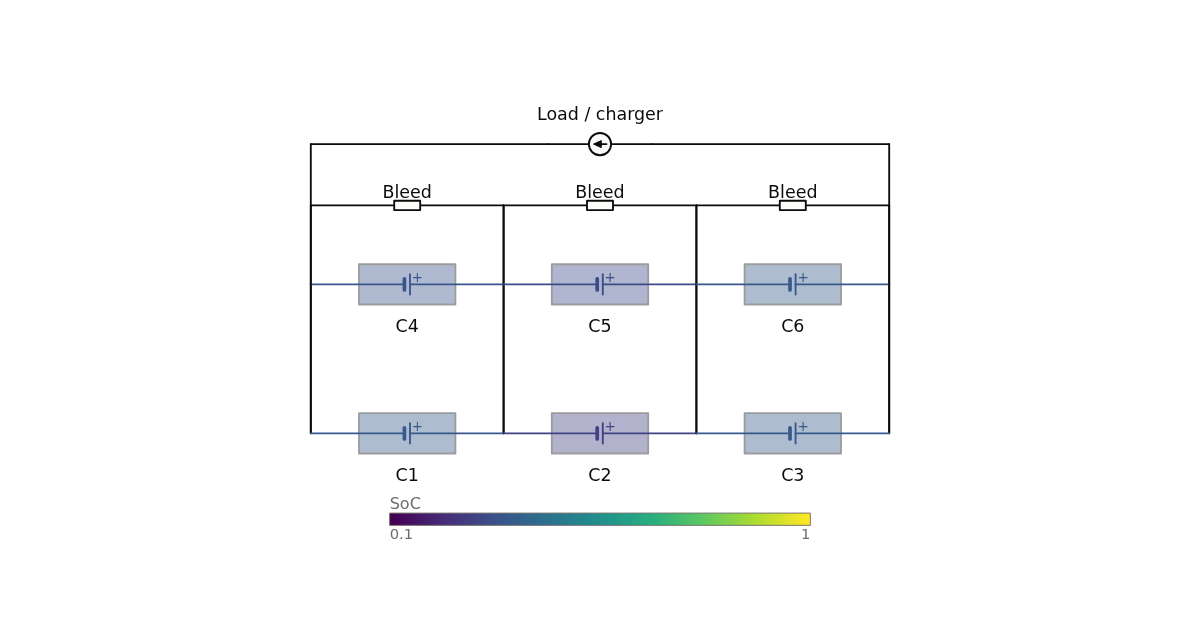
Wired White v2 Simulate cell-to-cell SoC drift, parallel current sharing and weakest-cell cutoffs with a 2RC model for every cell. Size passive balancing and compare its effect over repeated cycles.
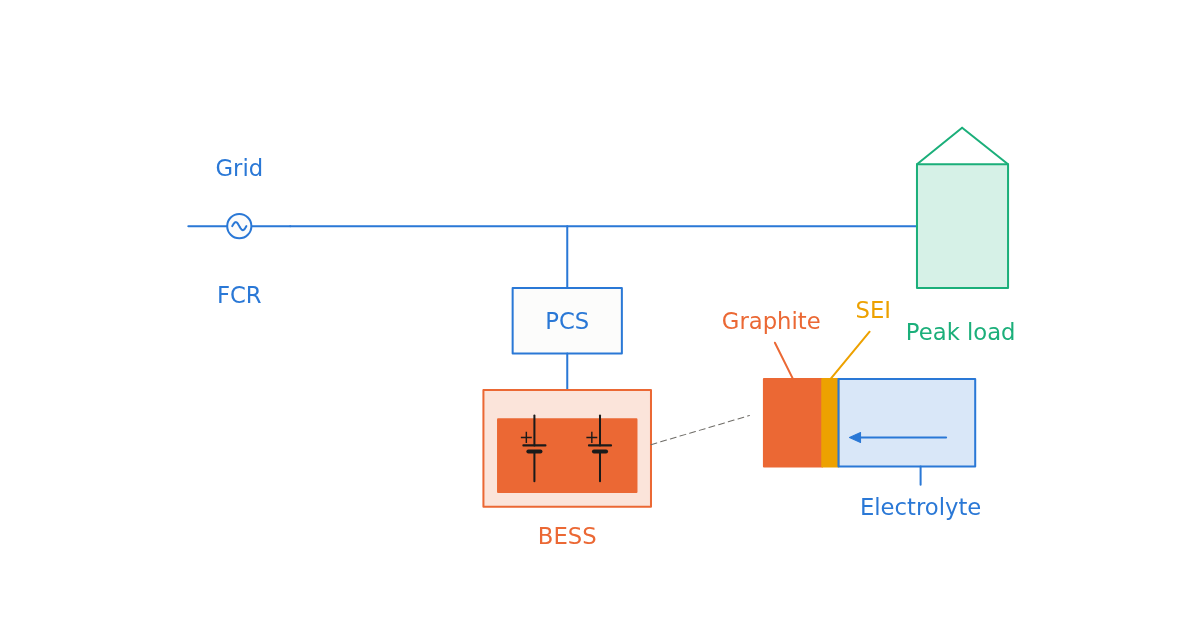
Wired White v2 Predict BESS capacity loss, resistance growth and end of life from frequency response and peak shaving using published NMC/LFP ageing models and rainflow counting.
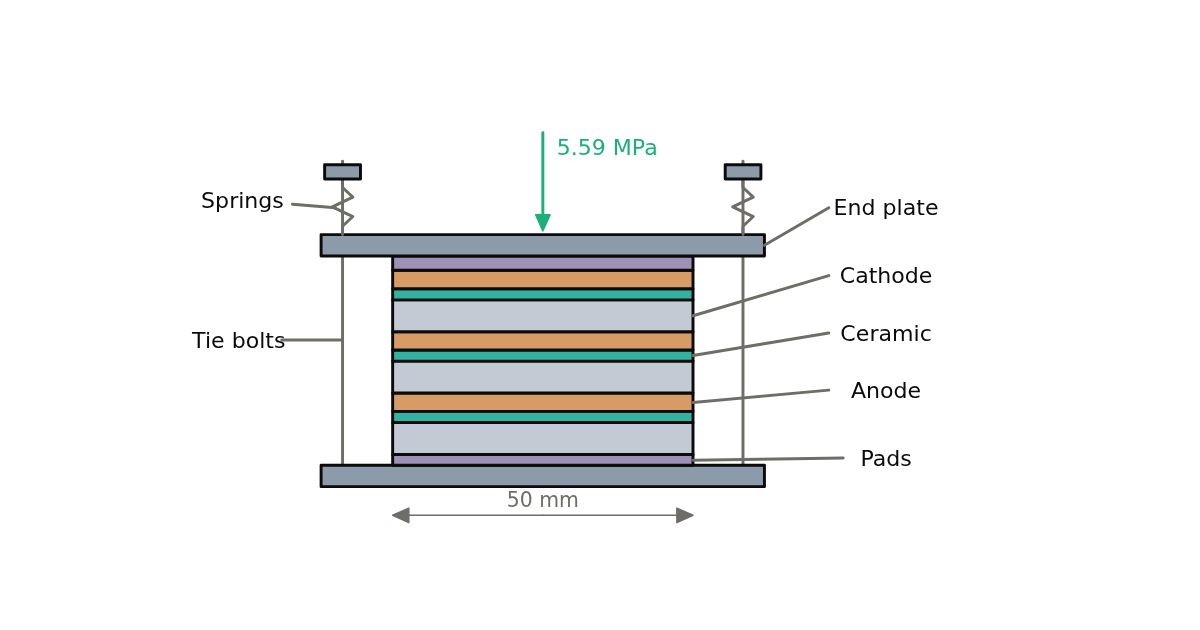
Wired White v2 Size clamping preload and spring compliance through charge–discharge swelling and lithium creep. Check pressure limits, spring travel and ceramic electrolyte fracture probability.
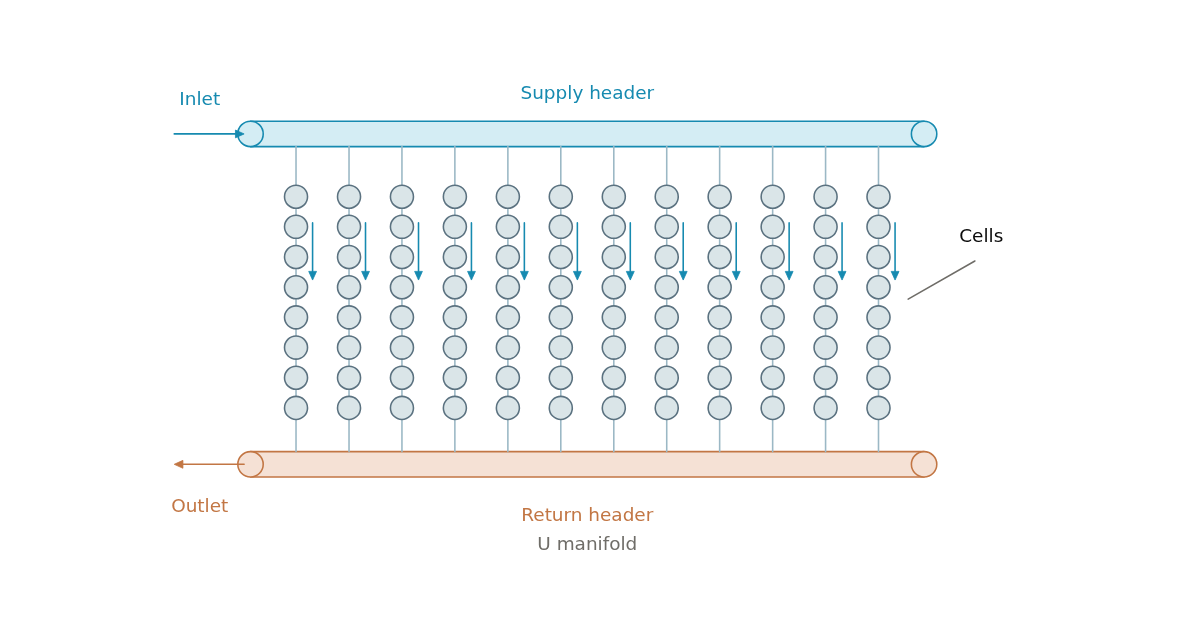
Wired White v2 Solve U- or Z-manifold flow distribution, developing passage losses and cell temperatures. Check a 5 °C spread target and find the pump head and power.
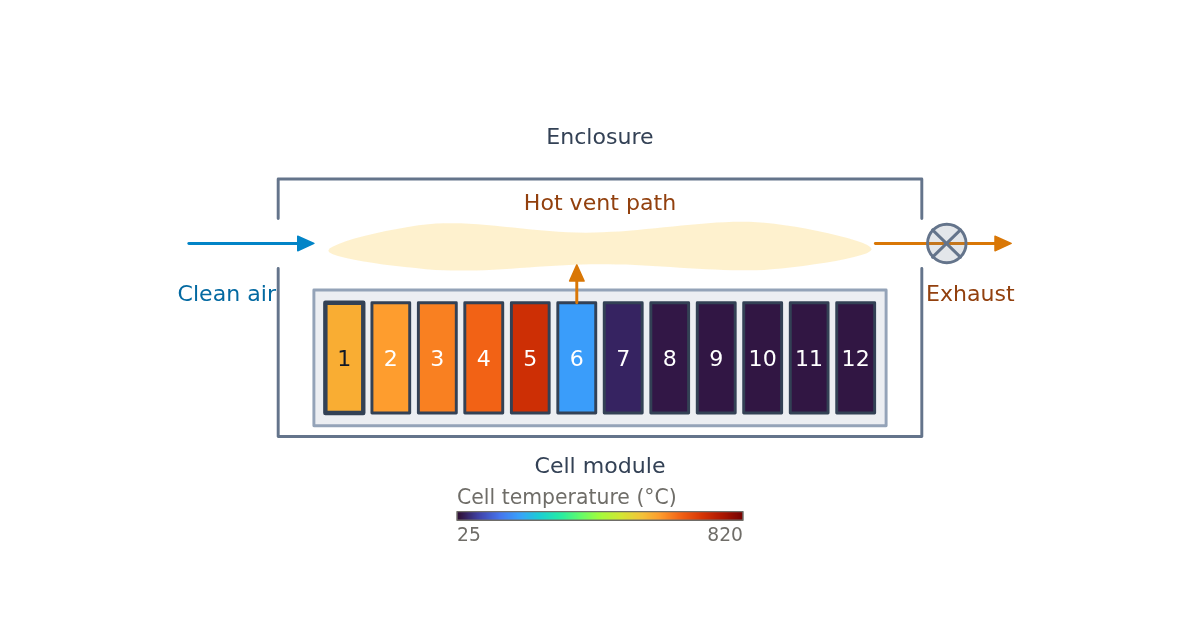
Wired White v2 Simulate cell-by-cell thermal runaway propagation and hot vent-gas heating. Track enclosure gas buildup, exhaust dilution, and the 25% LFL threshold.
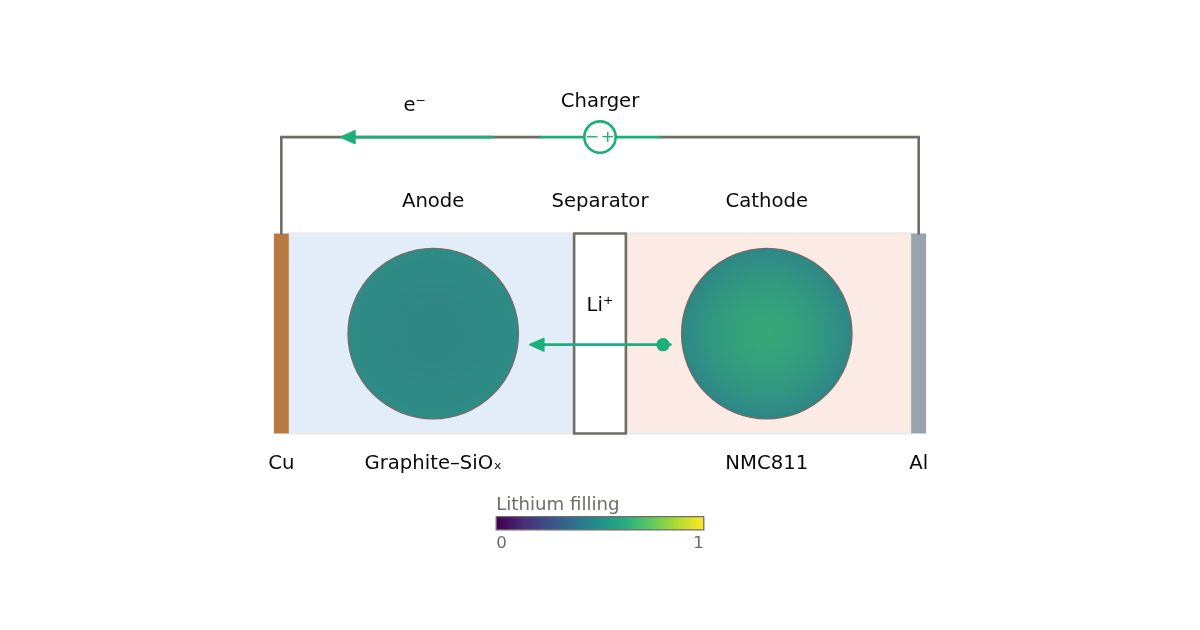
Wired White v4 Find the LG M50 charging rate that keeps the anode above lithium-plating onset. Solve the full SPMe and compare constant current with a four-step charging profile.
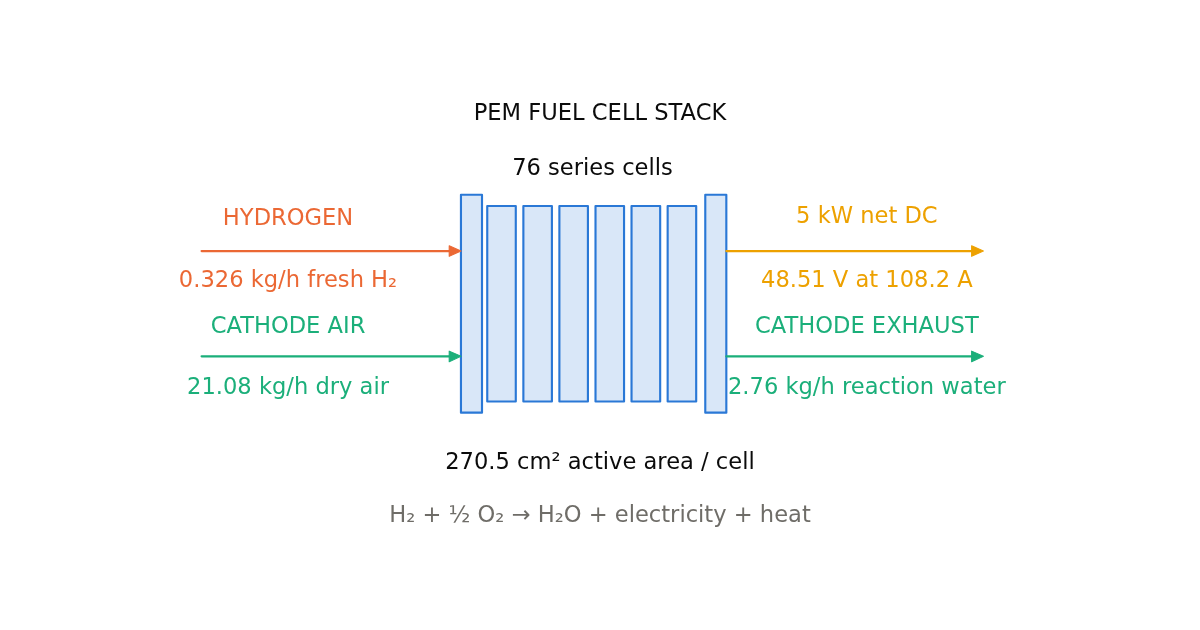
Wired White v2 Size a PEM fuel cell stack or check an existing one. Plot polarization and power, calculate HHV/LHV efficiency, hydrogen and air demand, and cathode water balance.
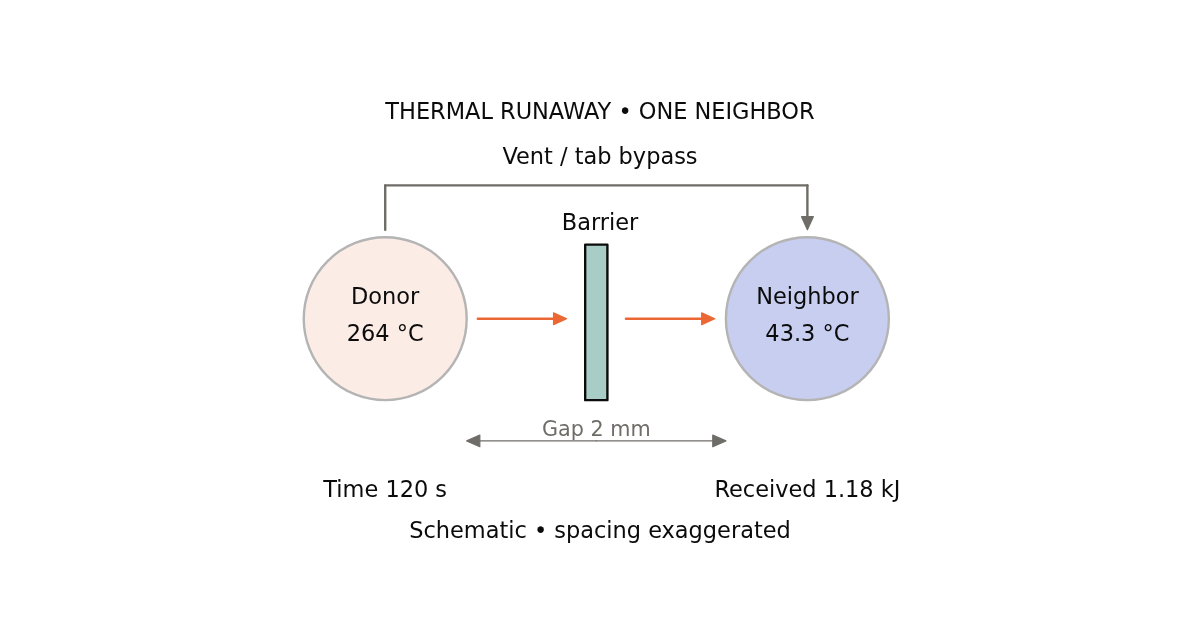
Wired White v2 Compare neighbor heating from one failing cylindrical cell. Screen heat-release fractions, cell spacing, cooling and effective barrier transmission with an animated thermal network.
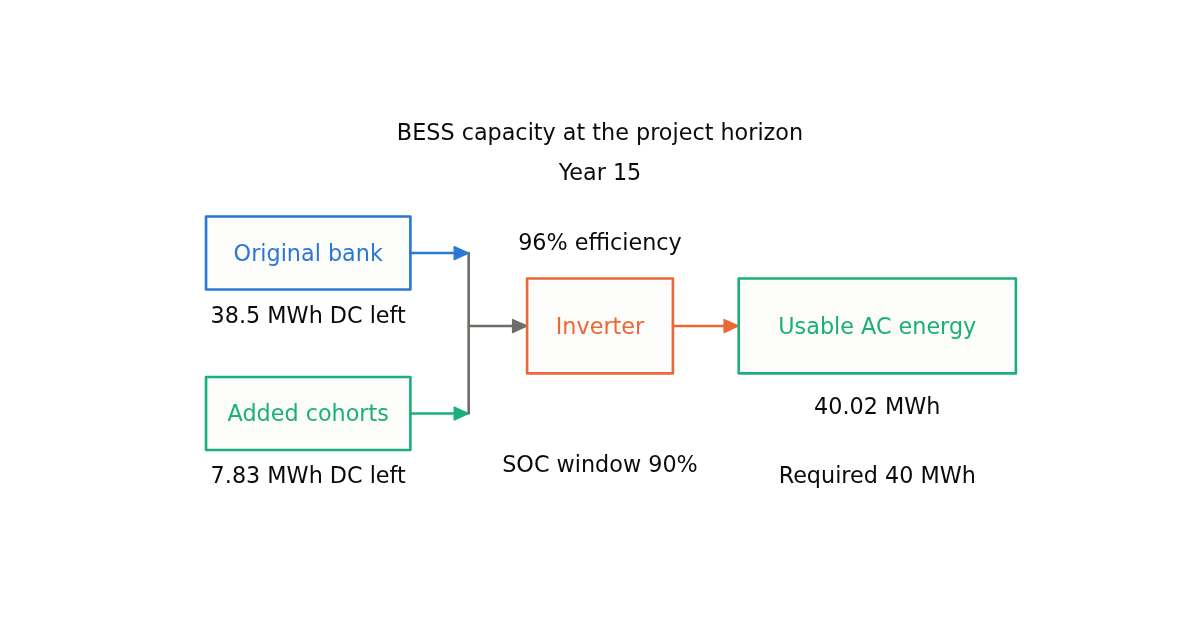
Wired White v2 Forecast BESS capacity fade, size battery top-ups by installation window, and estimate their present cost. Compare linear and compounded aging with a cohort-based schedule.
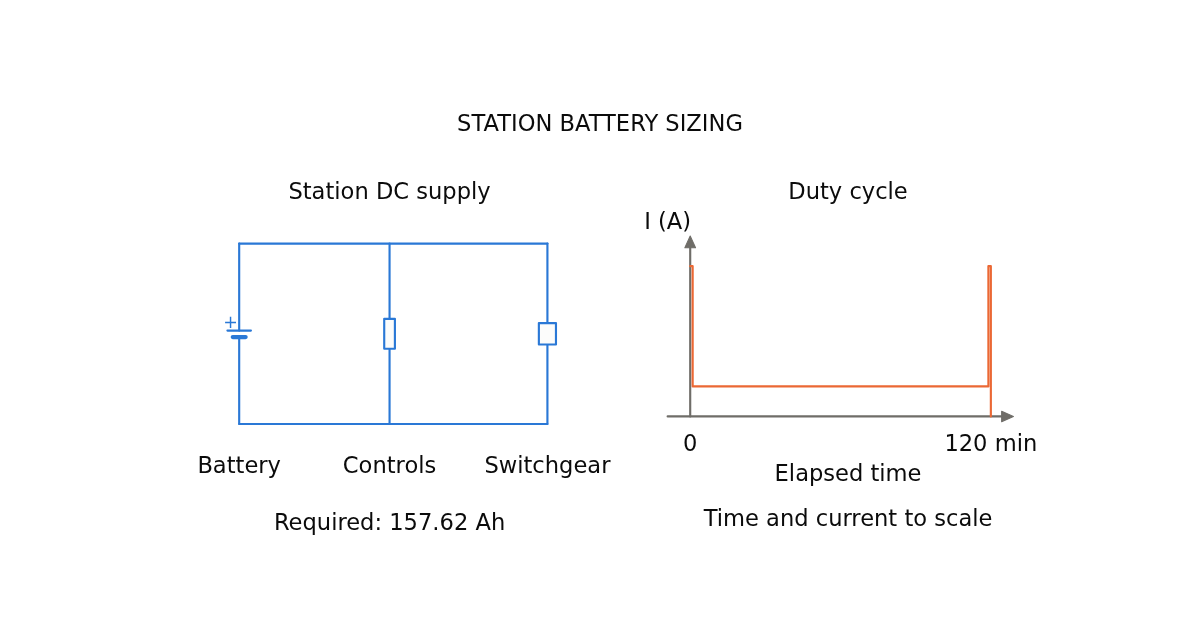
Wired White v2 Size a stationary lead-acid battery from its duty cycle using IEEE 485 section calculations, manufacturer Kₜ factors, random loads and temperature, aging and design margins.
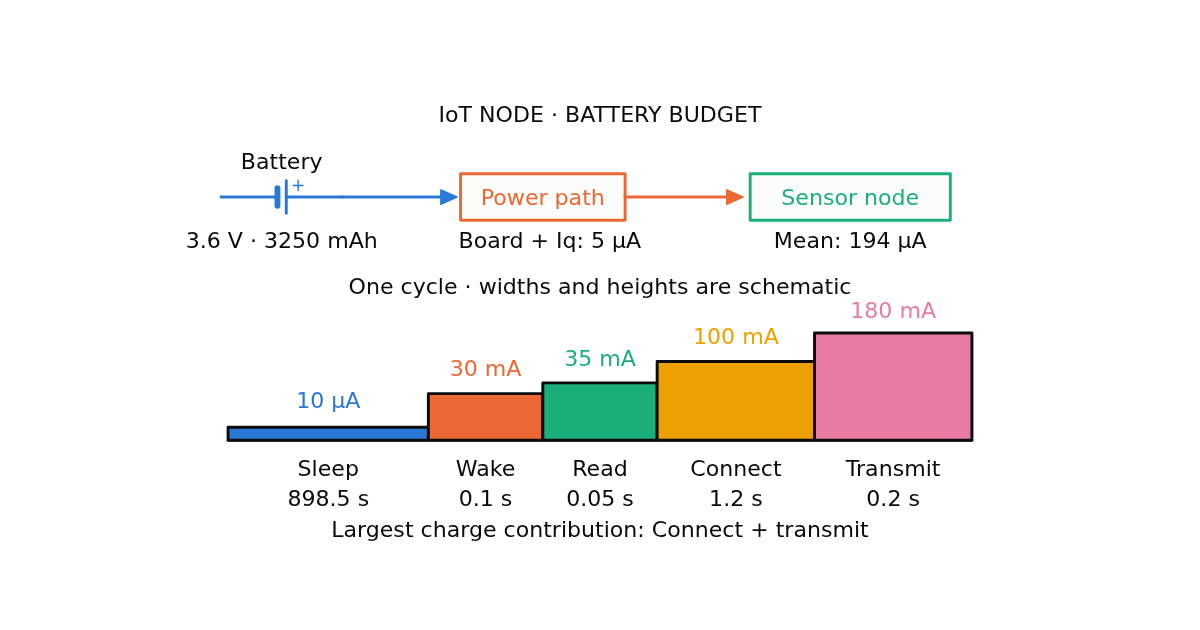
Wired White v2 Estimate sensor node battery life from sleep, wake, sensing, connection and transmit states. Include board leakage, regulator current, capacity derating and annual self-discharge.
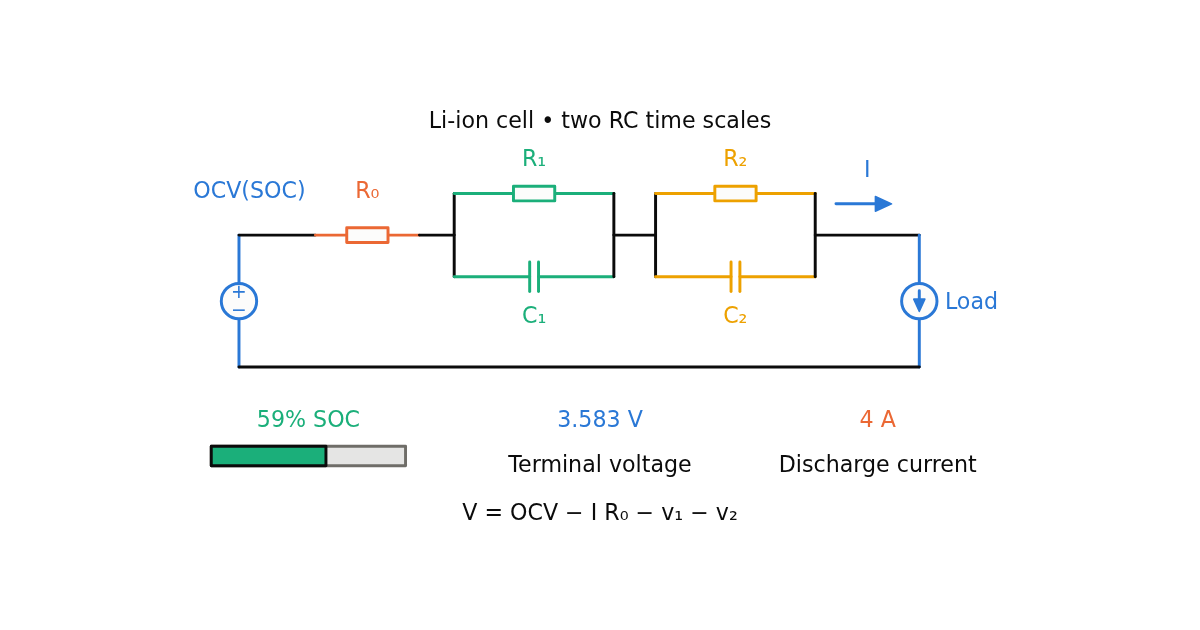
Wired White v2 Predict Li-ion cell voltage sag, cutoff time and usable capacity under constant, pulse or drive-style loads, with two RC transients and voltage relaxation.
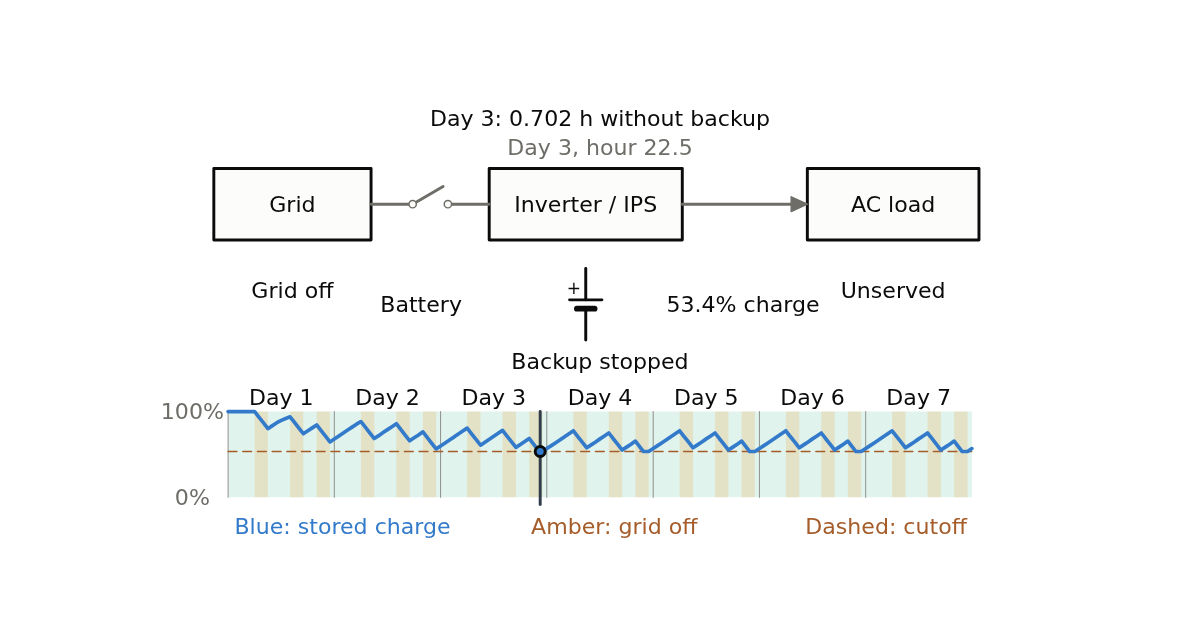
Wired White v2 Simulate seven days of power cuts and charging. See whether your inverter or IPS battery still covers day 3, with charger limits, charge taper and lead-acid or LiFePO₄ behaviour.
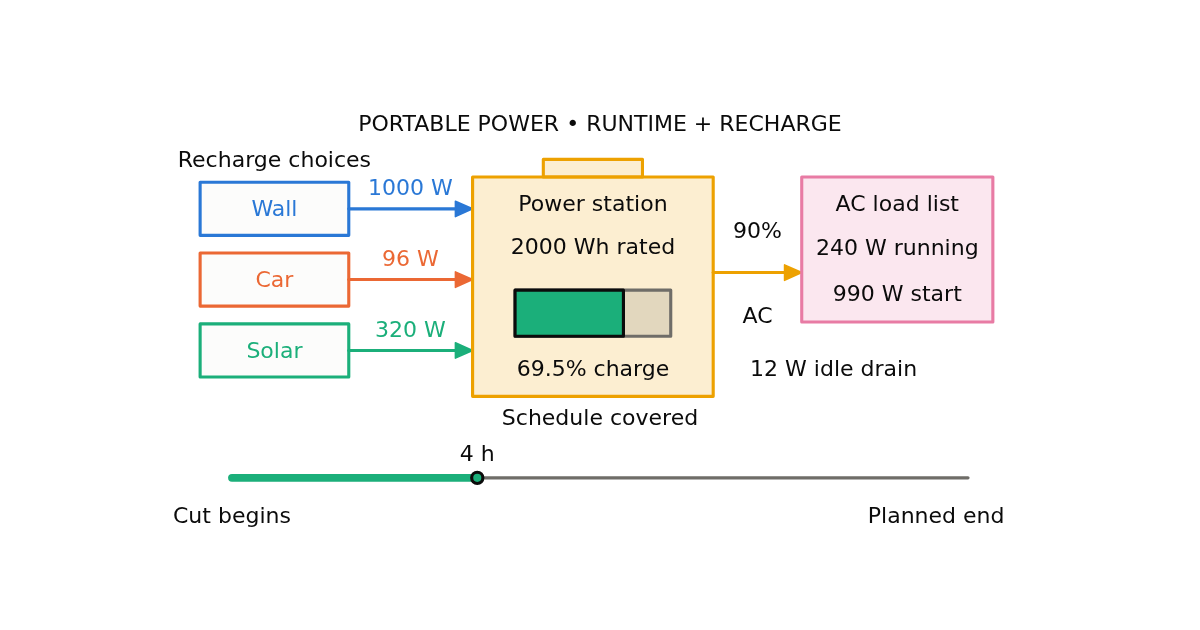
Wired White v2 Size a portable power station from a timed load list. Check usable energy, startup surge, expansion batteries and wall, car or solar recharge limits.
Please confirm you want to block this member.
You will no longer be able to:
Please allow a few minutes for this process to complete.