Electric Machines Isogeometric Analysis

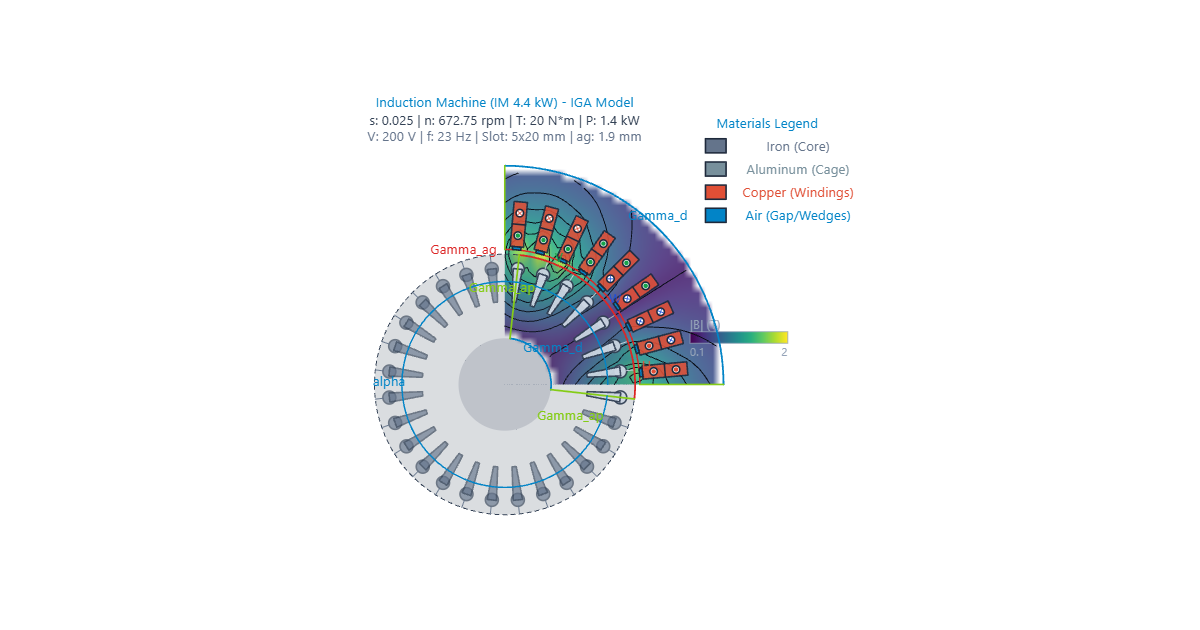
Isogeometric Analysis (IGA) simulation of electric machines: PMSM combined shape/parameter optimization & 4.4 kW Induction Machine (IM) characterization and startup (CREATOR / Weiss & Wiesheu 2024).
Calculators by WiredWhite engineers: inputs, formulas you can read, results, charts and drawings, checked against reference cases. They run in your browser.
Isogeometric Analysis (IGA) simulation of electric machines: PMSM combined shape/parameter optimization & 4.4 kW Induction Machine (IM) characterization and startup (CREATOR / Weiss & Wiesheu 2024).
 Wired White v2
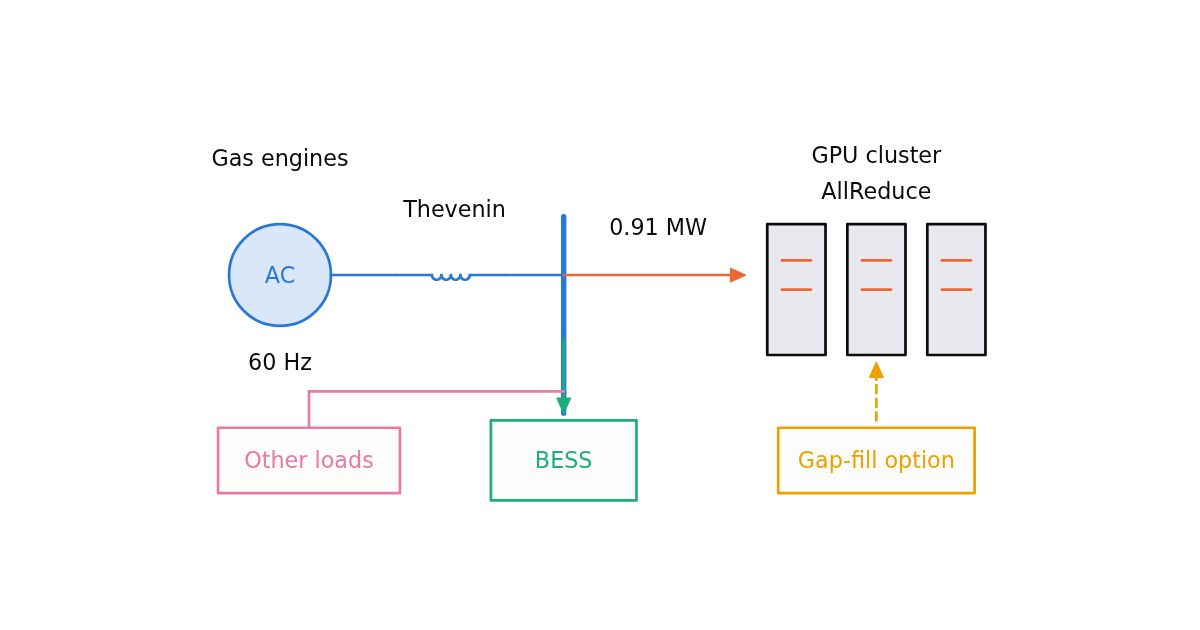
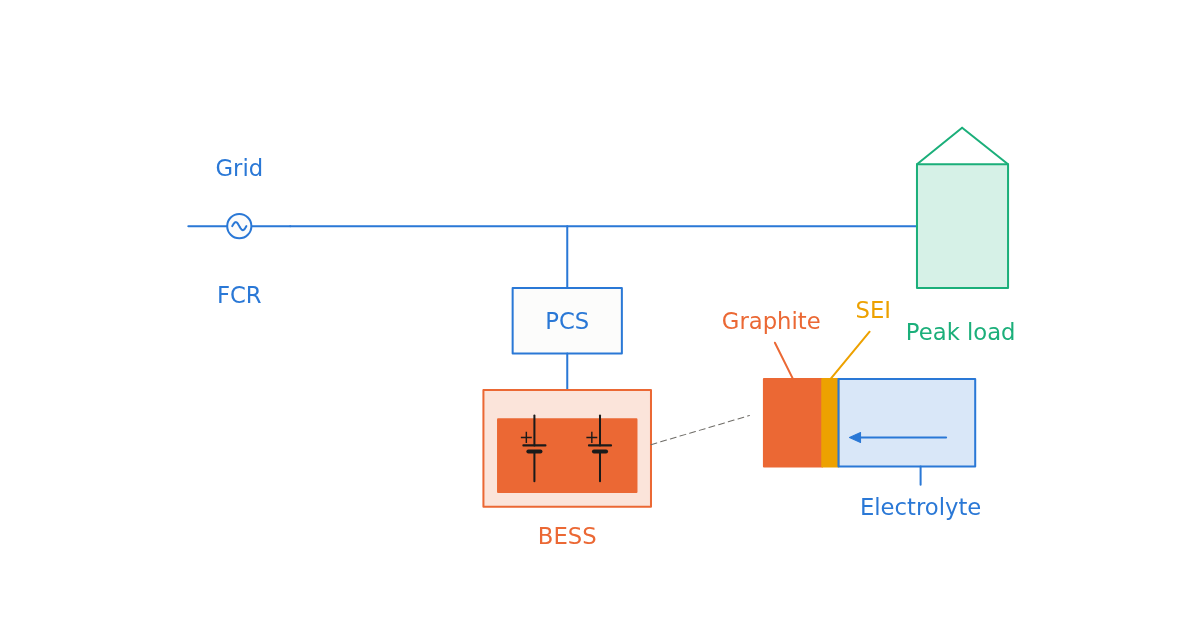
Model synchronized GPU training pulses, source frequency and bus voltage. Size ramp-limited BESS power and energy, and compare the energy cost of dummy-load gap filling.
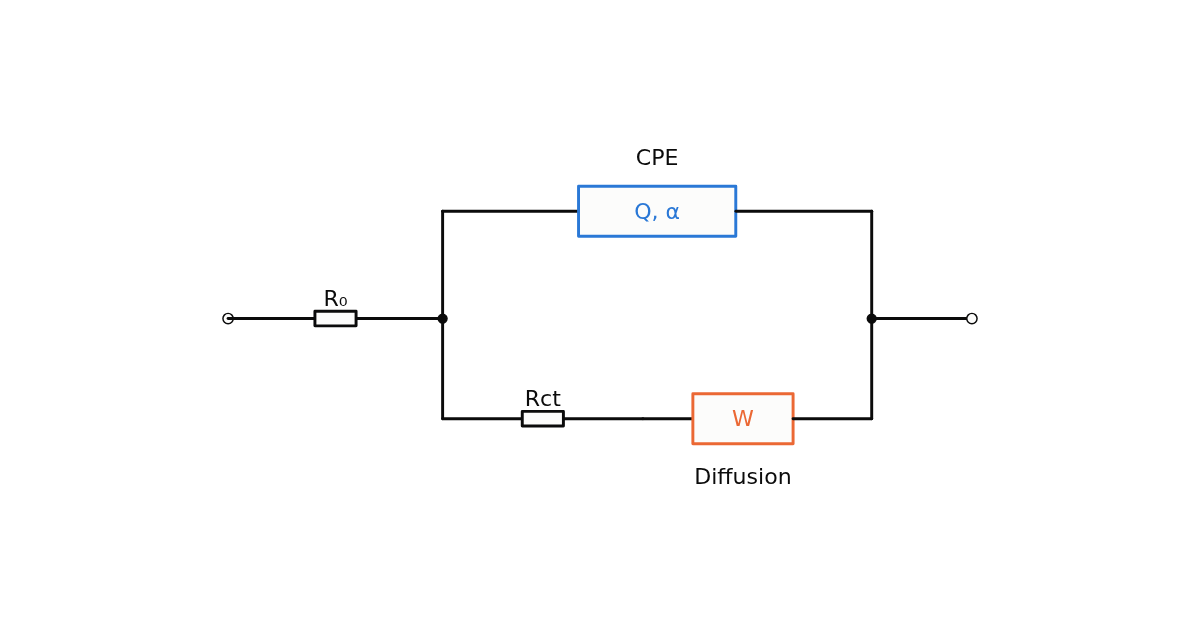
Wired White v2 Fit measured impedance with a Randles–CPE–Warburg model. Inspect Nyquist and Bode plots, compare health indicators, and set transparent second-life battery grades.
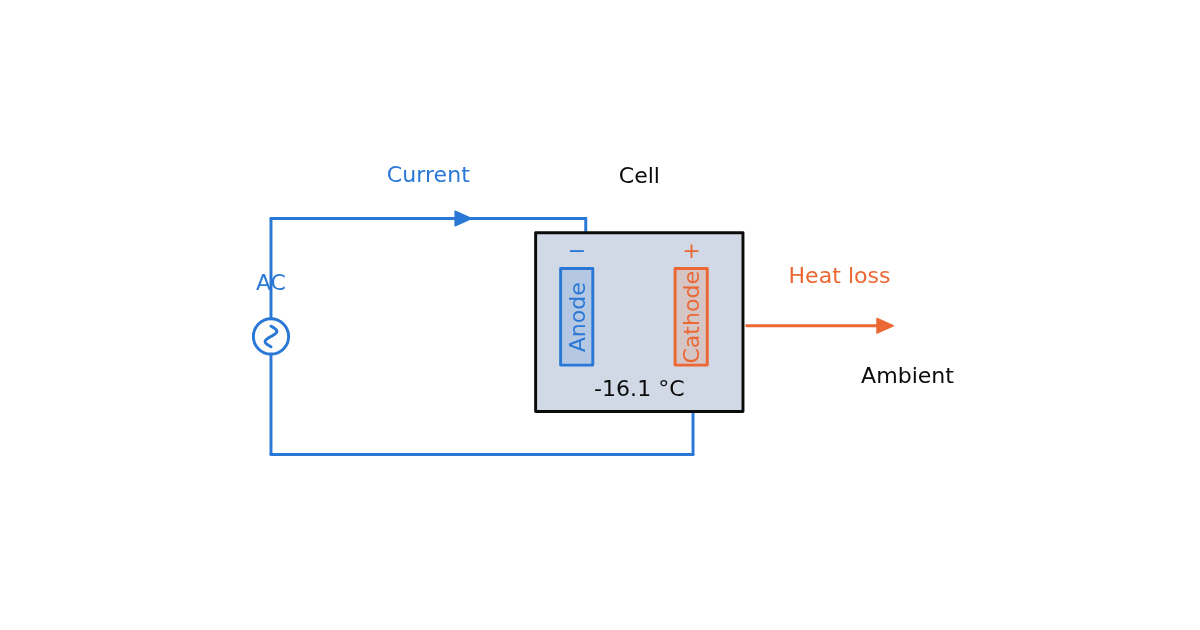
Wired White v2 Find AC frequency, allowable current and time to warm a frozen lithium-ion cell. Includes charge transfer, diffusion, anode polarization limits and heat loss.
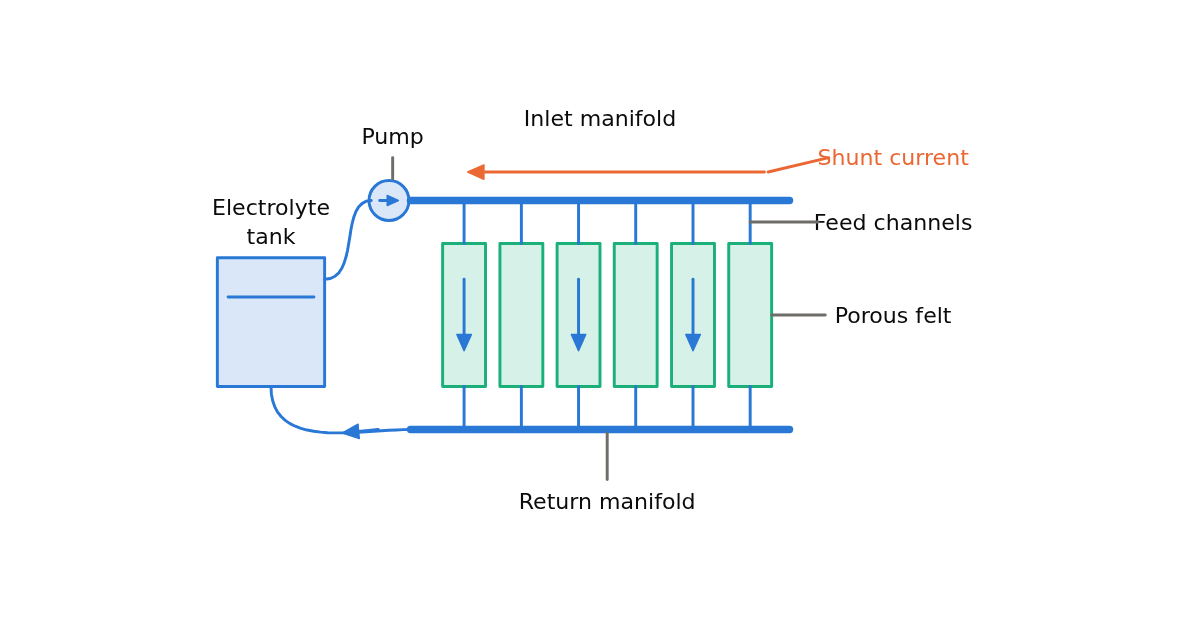
Wired White v2 Optimise VRFB flow and manifold diameters with a coupled shunt-current circuit, pressure losses and velocity-dependent electrode mass transfer. Compare pumping loss and instantaneous system efficiency.
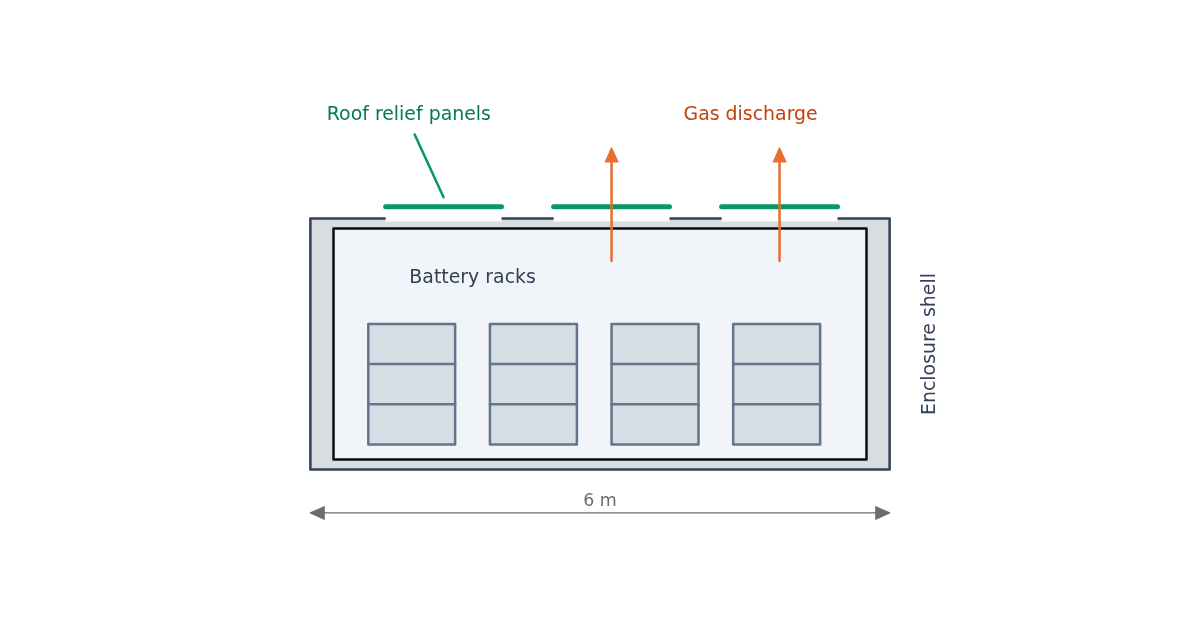
Wired White v3 Estimate BESS container explosion vent area from measured battery gas properties, enclosure geometry and panel inertia. Compare reduced pressure with enclosure resistance.
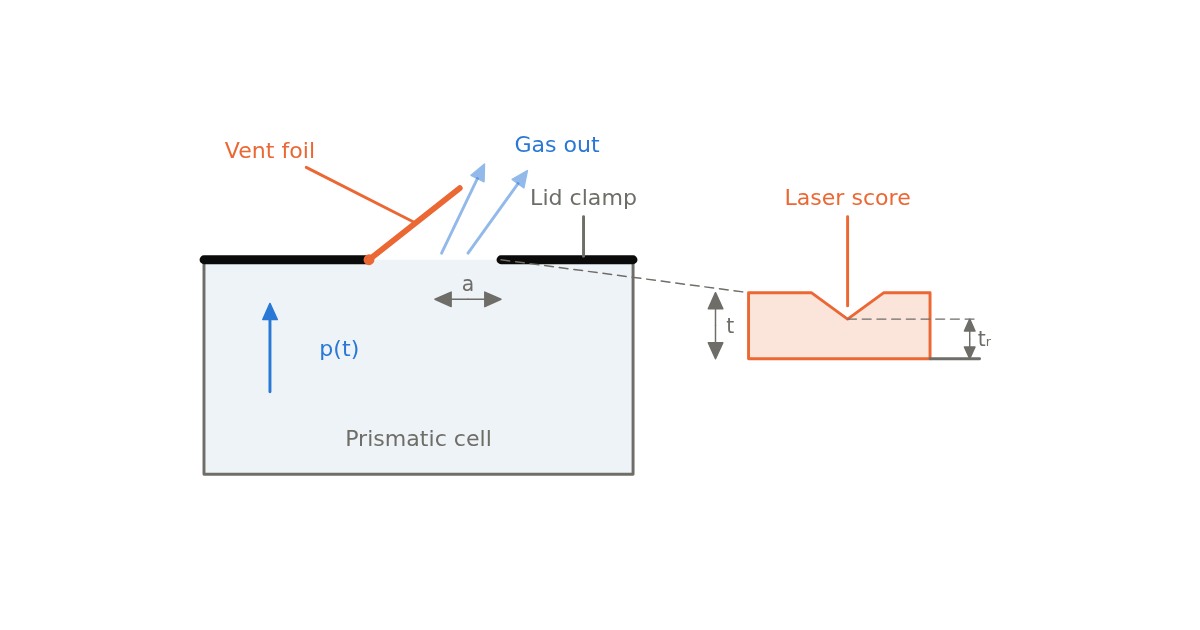
Wired White v2 Size a laser-scored vent foil with the Hencky membrane solution. Predict burst pressure and scatter, then check opened-vent gas capacity and cell pressure during an abuse pulse.
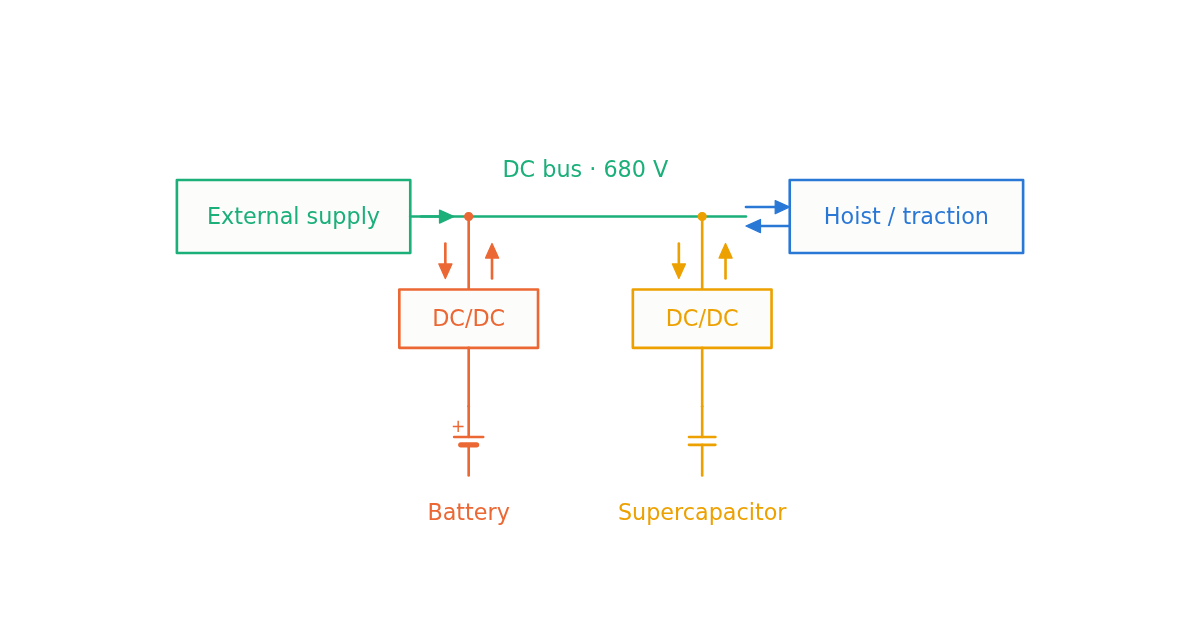
Wired White v2 Size supercapacitor strings, battery buffer and bidirectional DC/DC converters from a repeating crane or rail power profile, including ESR losses and battery C-rate relief.
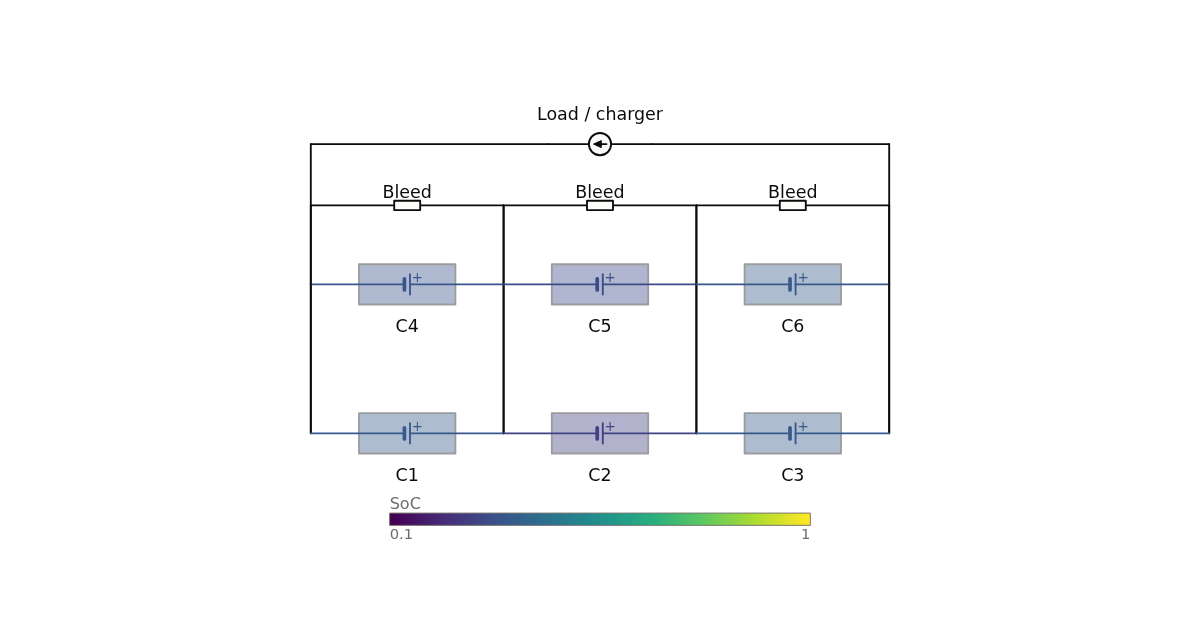
Wired White v2 Simulate cell-to-cell SoC drift, parallel current sharing and weakest-cell cutoffs with a 2RC model for every cell. Size passive balancing and compare its effect over repeated cycles.
Wired White v2 Predict BESS capacity loss, resistance growth and end of life from frequency response and peak shaving using published NMC/LFP ageing models and rainflow counting.
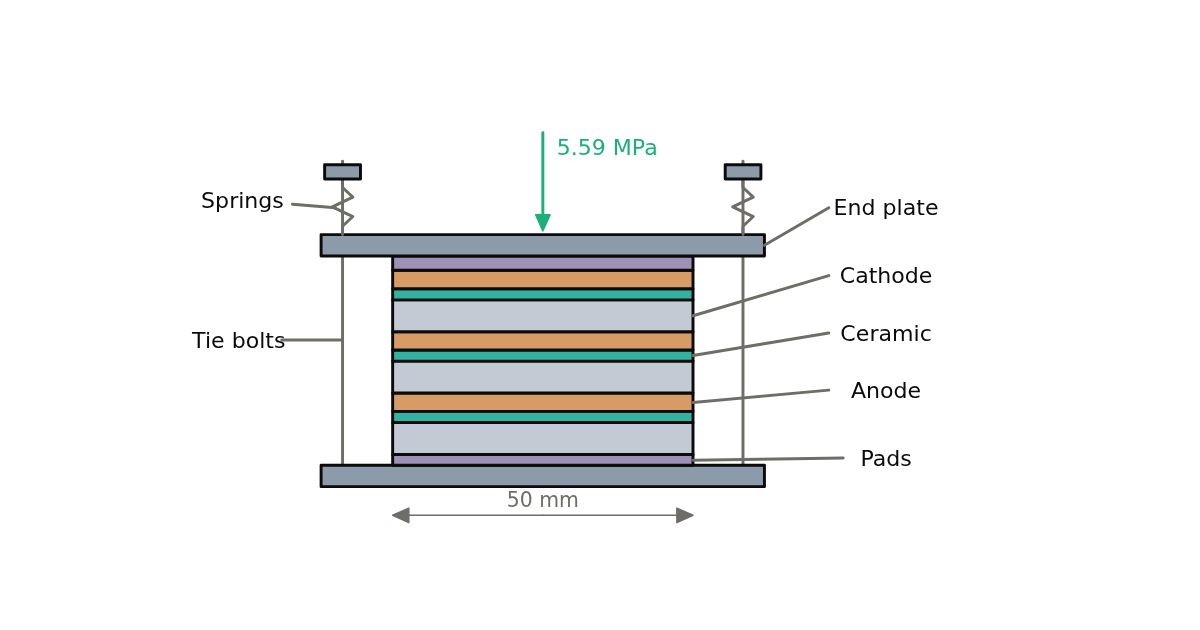
Wired White v2 Size clamping preload and spring compliance through charge–discharge swelling and lithium creep. Check pressure limits, spring travel and ceramic electrolyte fracture probability.
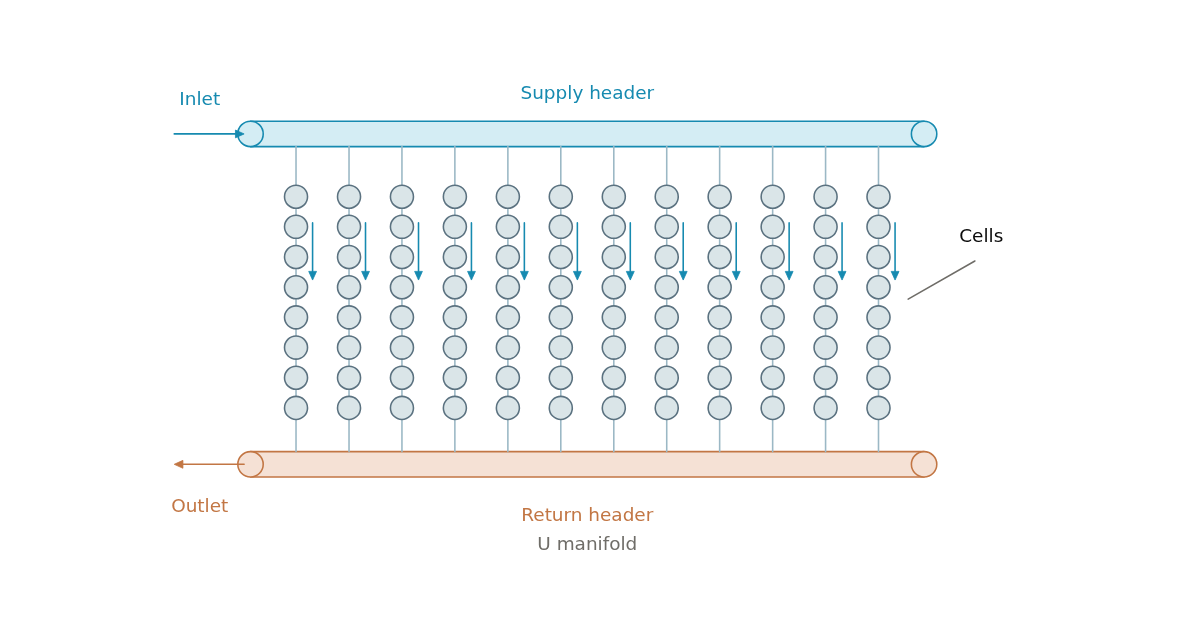
Wired White v2 Solve U- or Z-manifold flow distribution, developing passage losses and cell temperatures. Check a 5 °C spread target and find the pump head and power.
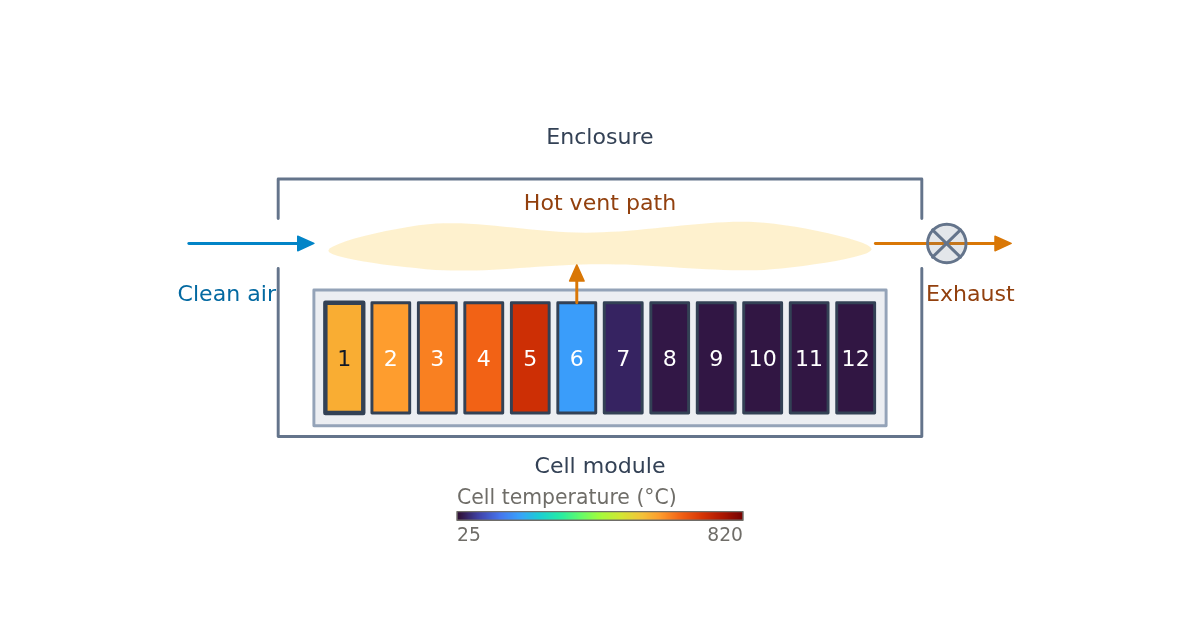
Wired White v2 Simulate cell-by-cell thermal runaway propagation and hot vent-gas heating. Track enclosure gas buildup, exhaust dilution, and the 25% LFL threshold.
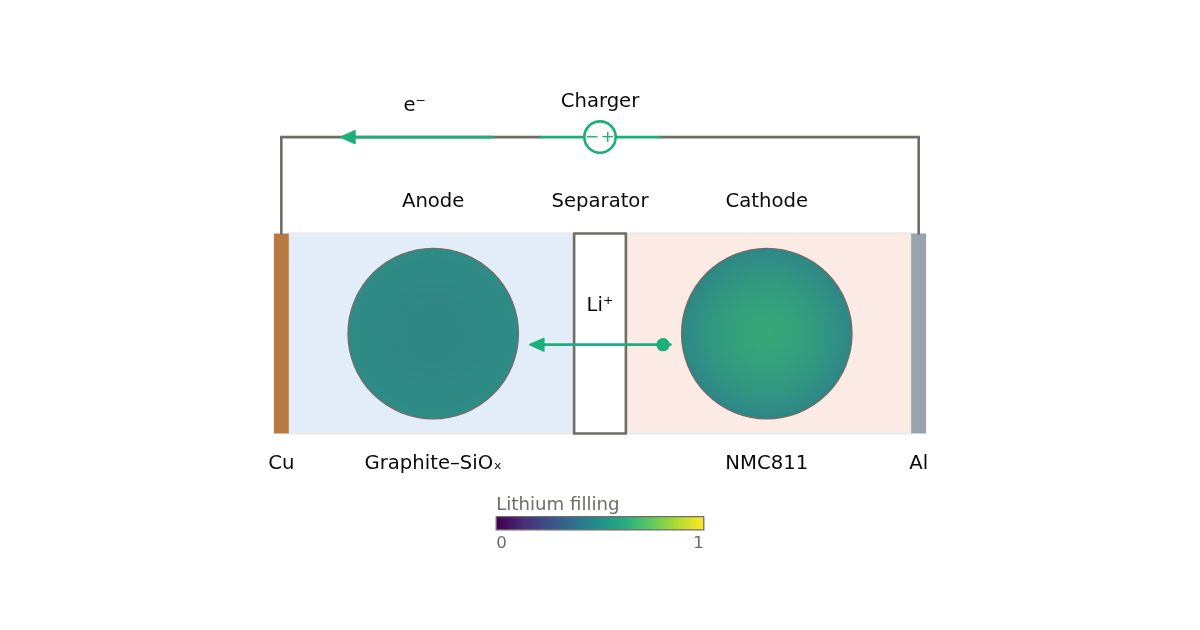
Wired White v4 Find the LG M50 charging rate that keeps the anode above lithium-plating onset. Solve the full SPMe and compare constant current with a four-step charging profile.
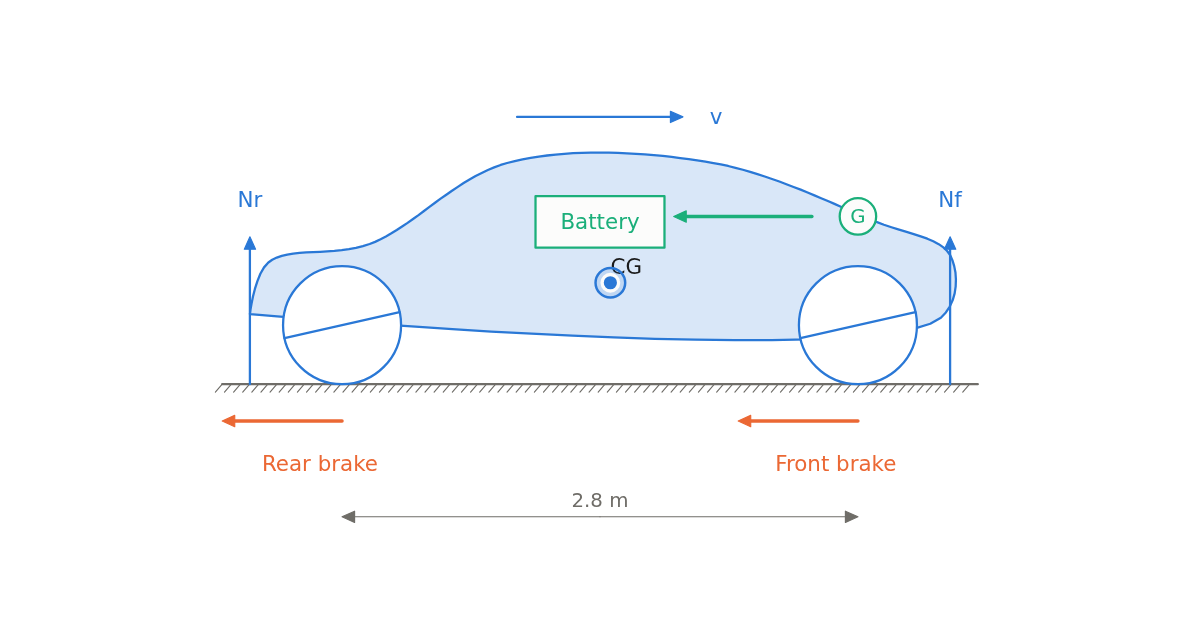
Wired White v4 Compare front/rear brake force distribution and series or parallel regen blending. Check axle adhesion, motor and battery limits, and recovered energy over a complete stop.
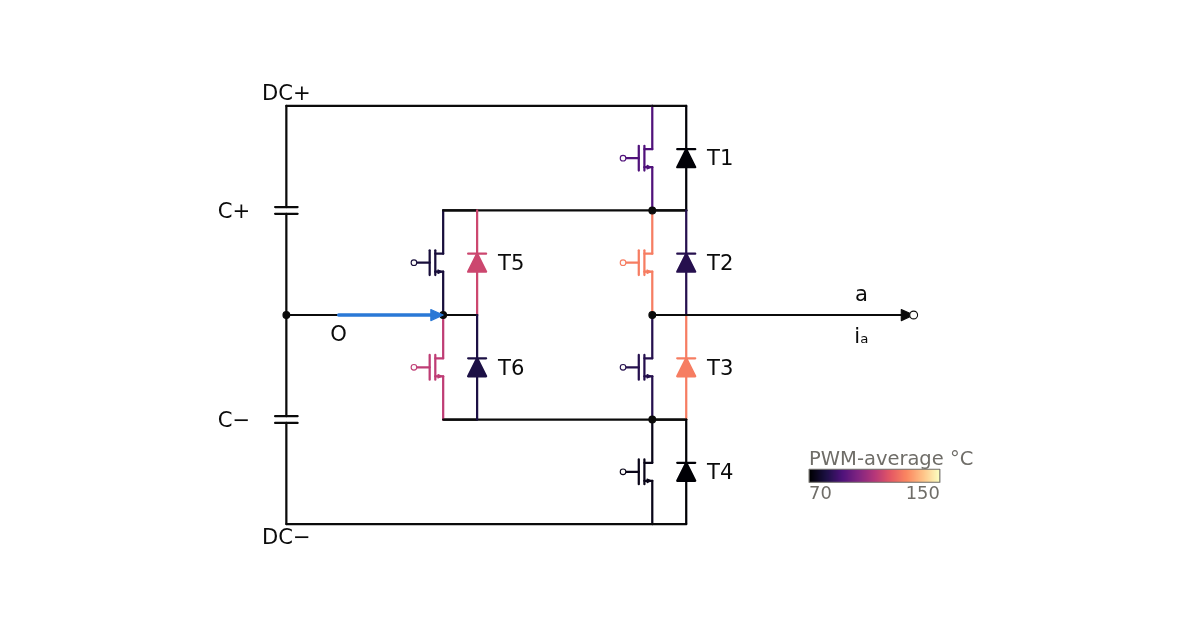
Wired White v2 Compare ANPC zero-state commutations, balance six-switch leg losses, and track transistor and diode junction temperatures through a low-frequency heavy launch.
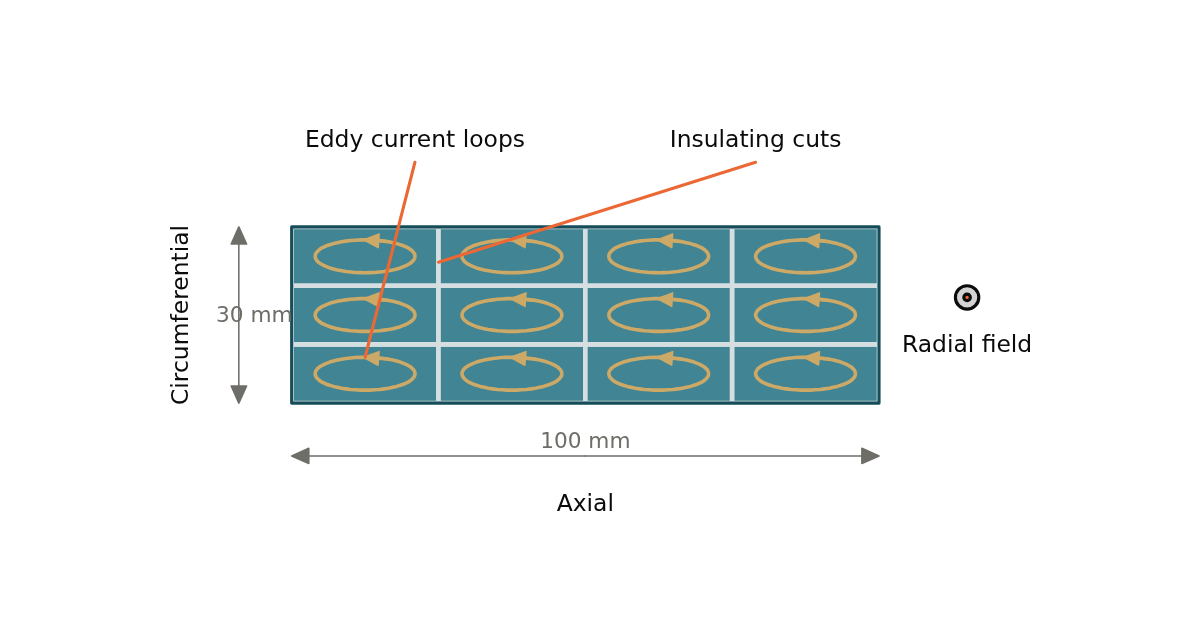
Wired White v2 Solve 2D magnetic diffusion for slot and PWM harmonics. Compare circumferential and axial magnet segmentation, find the fewest pieces meeting a loss target, and estimate magnet temperature.
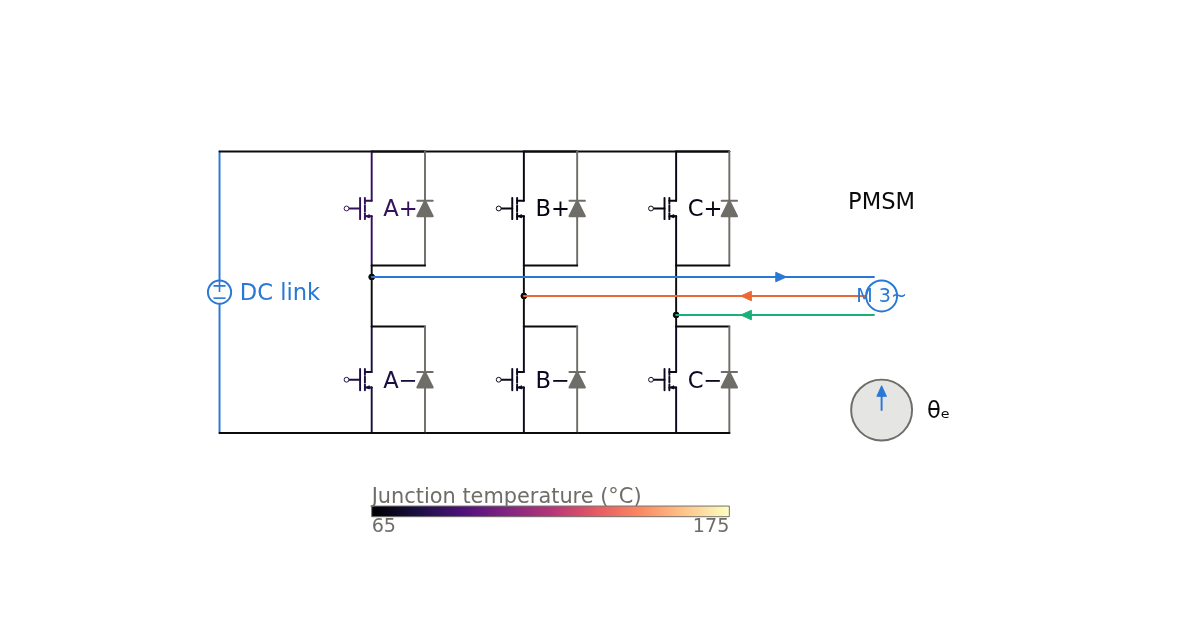
Wired White v3 Calculate SiC MOSFET conduction, switching and dead-time losses over EPA UDDS, launch or locked-rotor stall. Track all six junction temperatures, peak temperature and thermal swing.
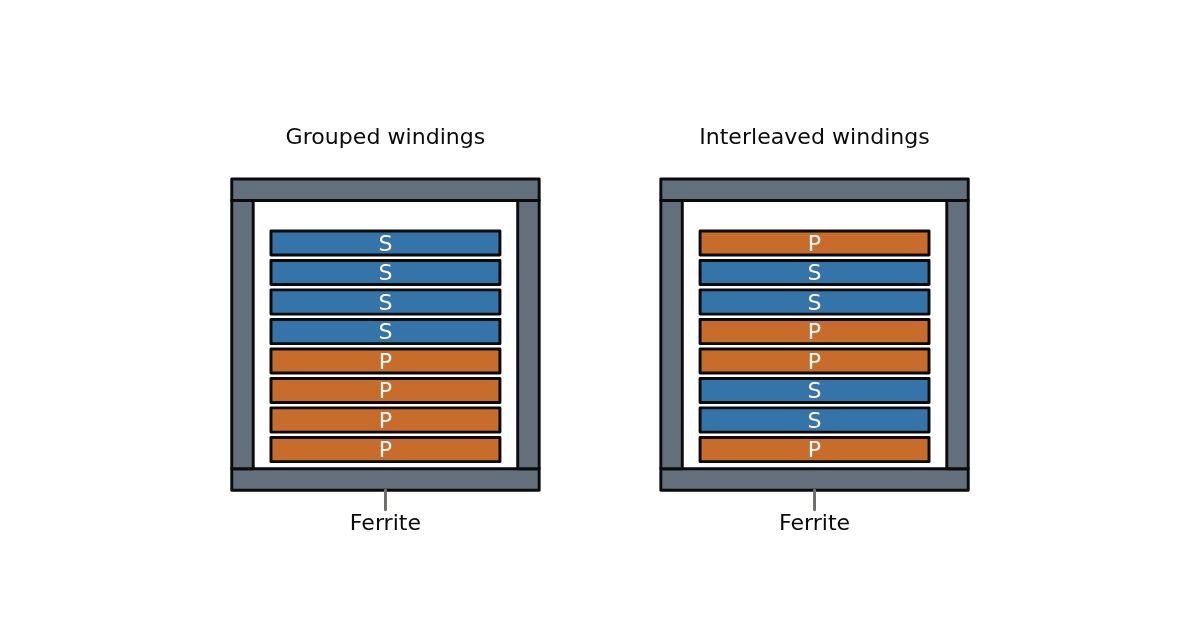
Wired White v2 Compare interleaved and grouped PCB windings using layer MMF and Dowell resistance. Calculate harmonic copper loss, leakage inductance, and iGSE core and total loss.
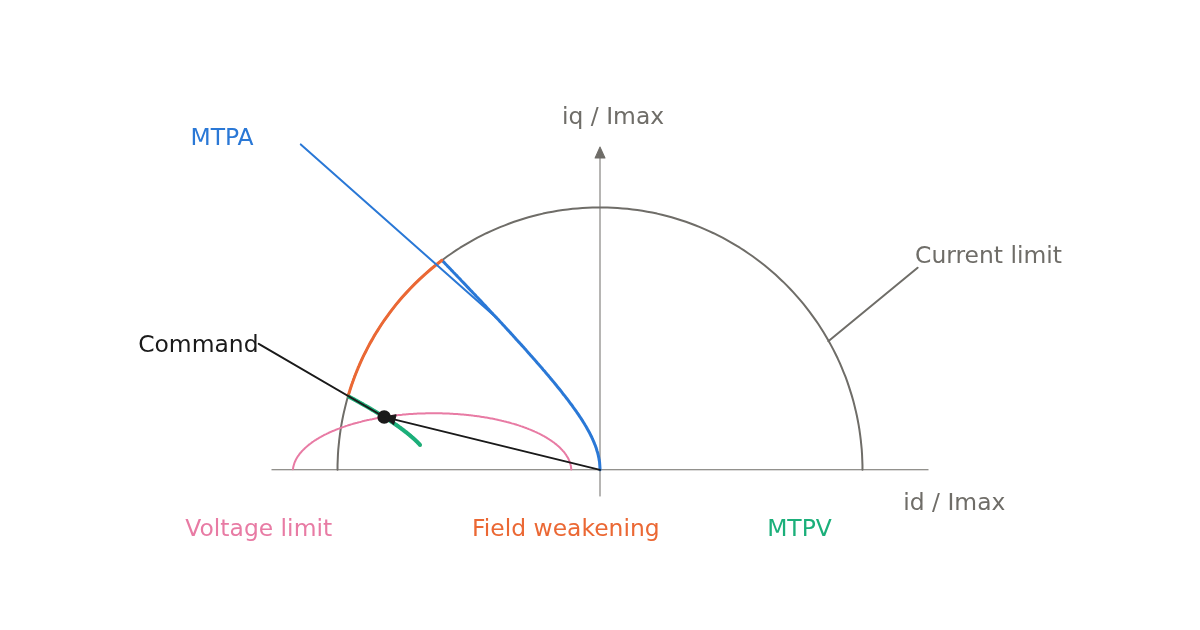
Wired White v2 Find id and iq references from Ld, Lq, magnet flux and inverter limits. Explore MTPA, field weakening, MTPV and the torque–speed and power–speed envelopes.
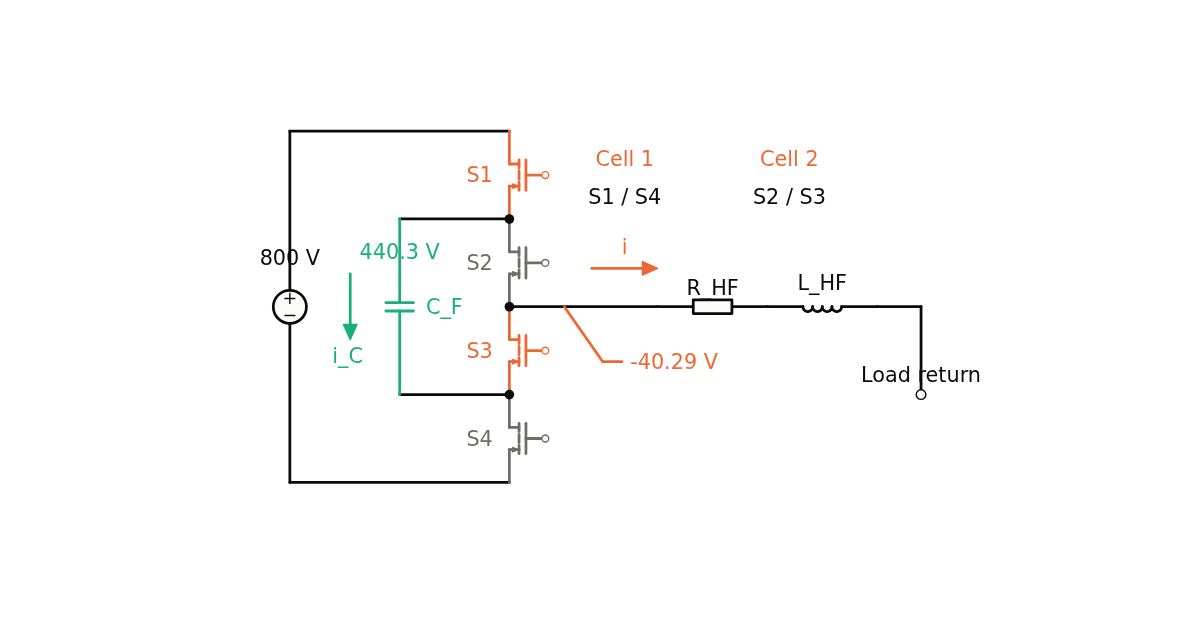
Wired White v2 Size the flying capacitor of a three-level inverter, predict natural balancing from switching harmonics and load impedance, and animate phase-shifted PWM.
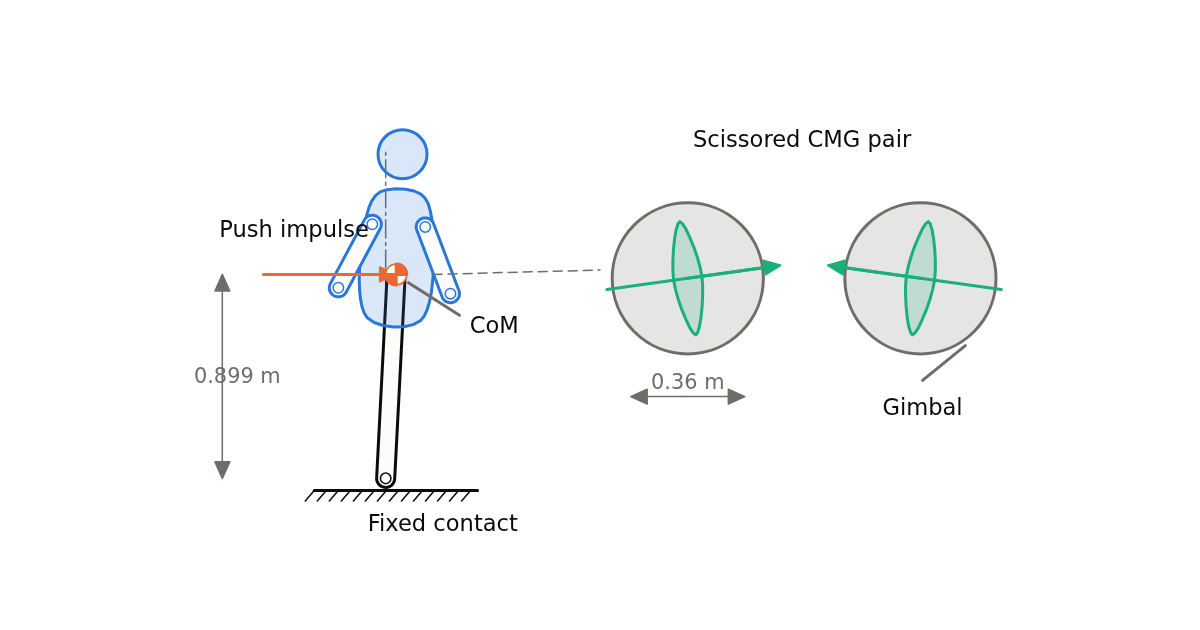
Wired White v2 Size a humanoid reaction wheel or scissored CMG pair for push and post-slip recovery. Compare angular momentum, rotor size, speed, torque and gimbal saturation with nonlinear recovery dynamics.
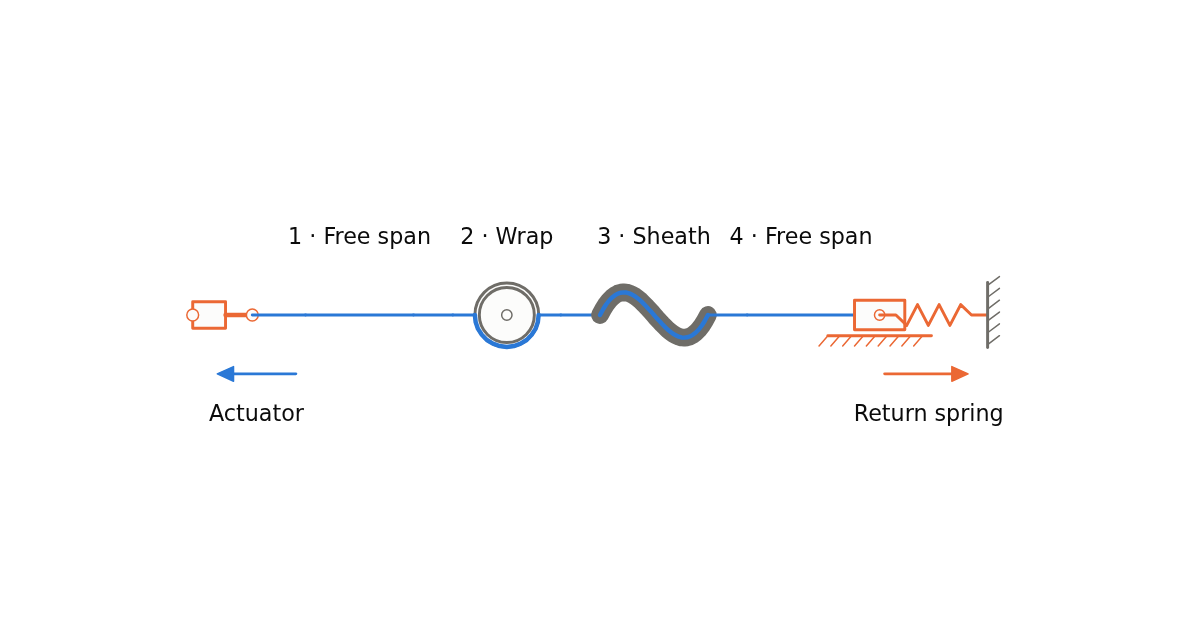
Wired White v2 Calculate tension loss and cable stretch through ordered guides and Bowden sheaths. Resolve frictional hysteresis, reversal lost motion, and directional output stiffness.
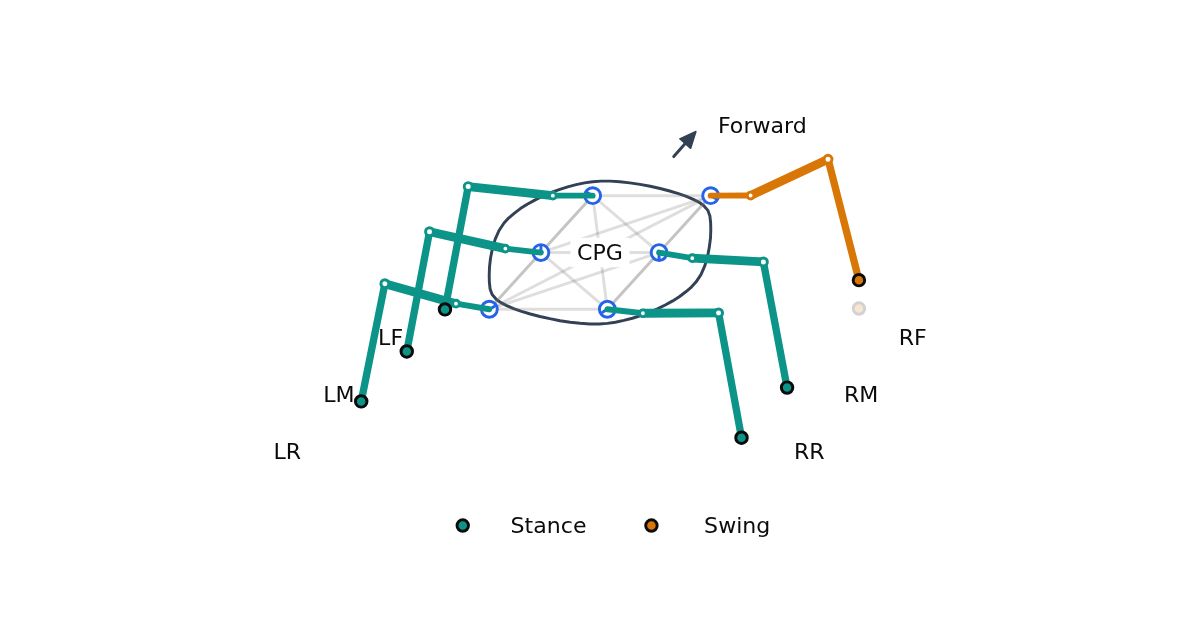
Wired White v2 Simulate six coupled Hopf oscillators, blend tripod–ripple–wave gaits, and animate reachable three-joint leg commands. Inspect phase tracking, footfall timing and joint speed.
Please confirm you want to block this member.
You will no longer be able to:
Please allow a few minutes for this process to complete.