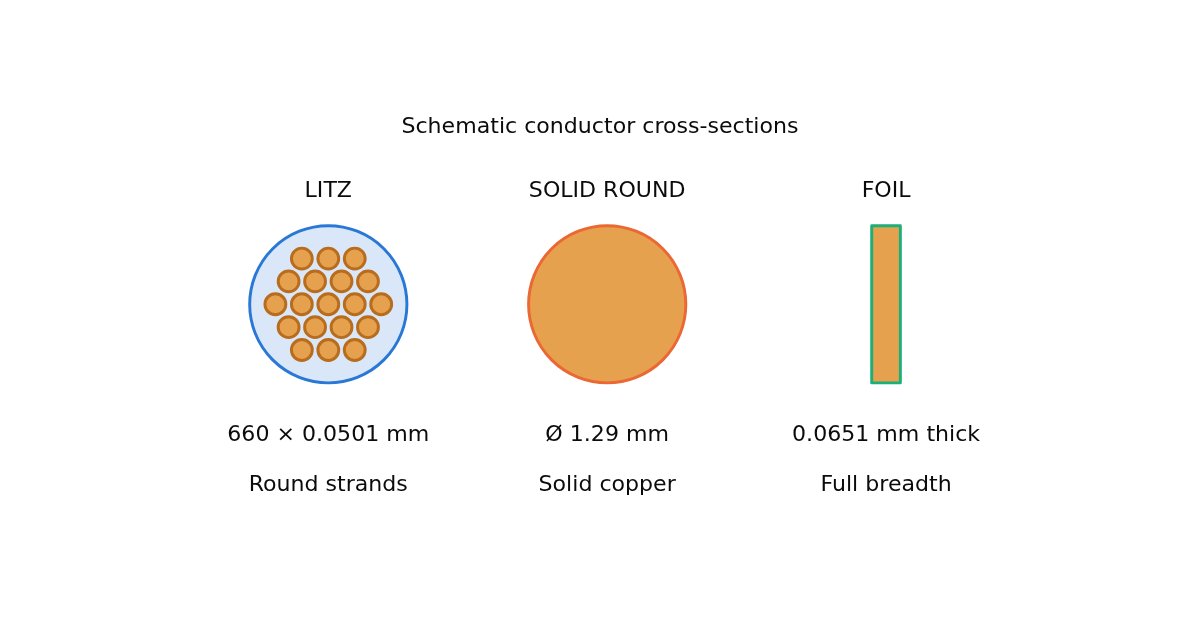
Find a low-loss litz strand diameter and count for your winding window. Compare equal-copper solid wire and foil, including skin effect, proximity effect and current harmonics.
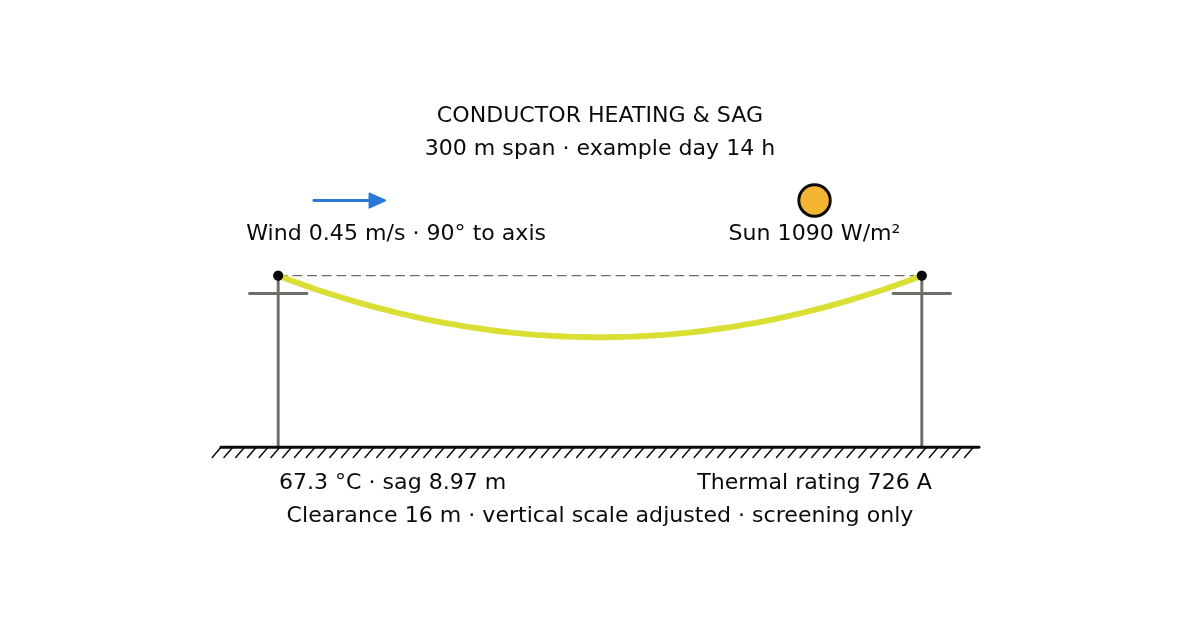
Estimate overhead conductor ampacity, temperature after a current step, and thermal sag from ambient temperature, wind and sun. Includes ambient-only comparisons and an animated example day.
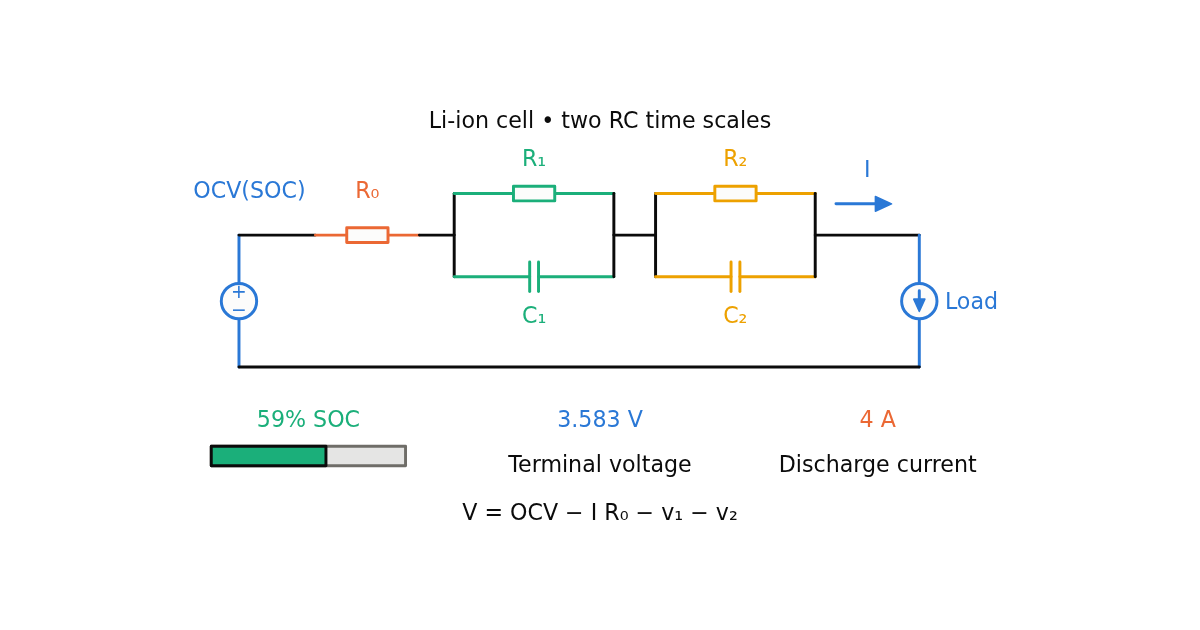
Predict Li-ion cell voltage sag, cutoff time and usable capacity under constant, pulse or drive-style loads, with two RC transients and voltage relaxation.
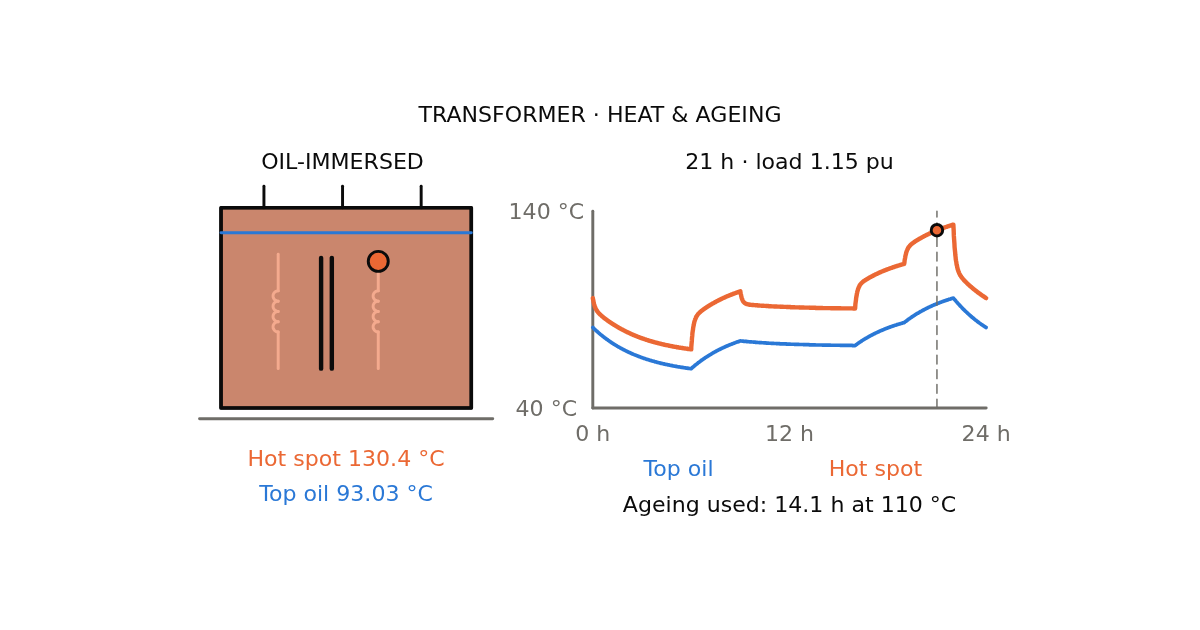
Model a 24-hour transformer load cycle, hot-spot temperature and insulation life use. Calculate harmonic loss factors and loss-based derating from a current spectrum.
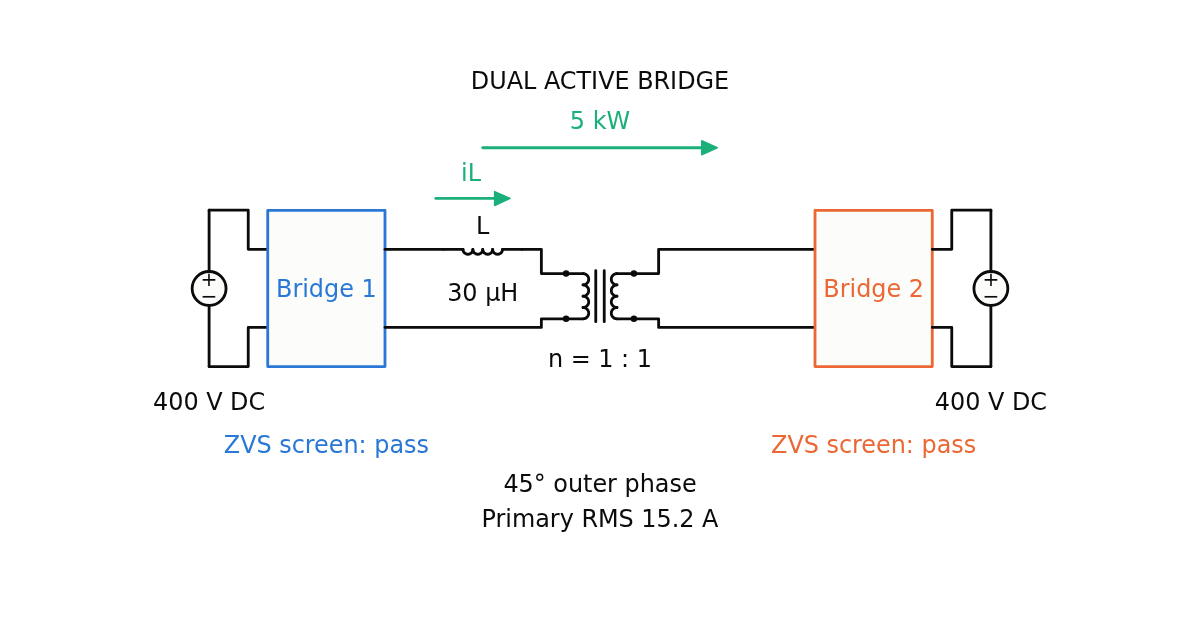
Size DAB inductance and phase shift, find both bridges’ ZVS limits, and calculate RMS and peak currents. Compare SPS, EPS, DPS and TPS with animated waveforms.
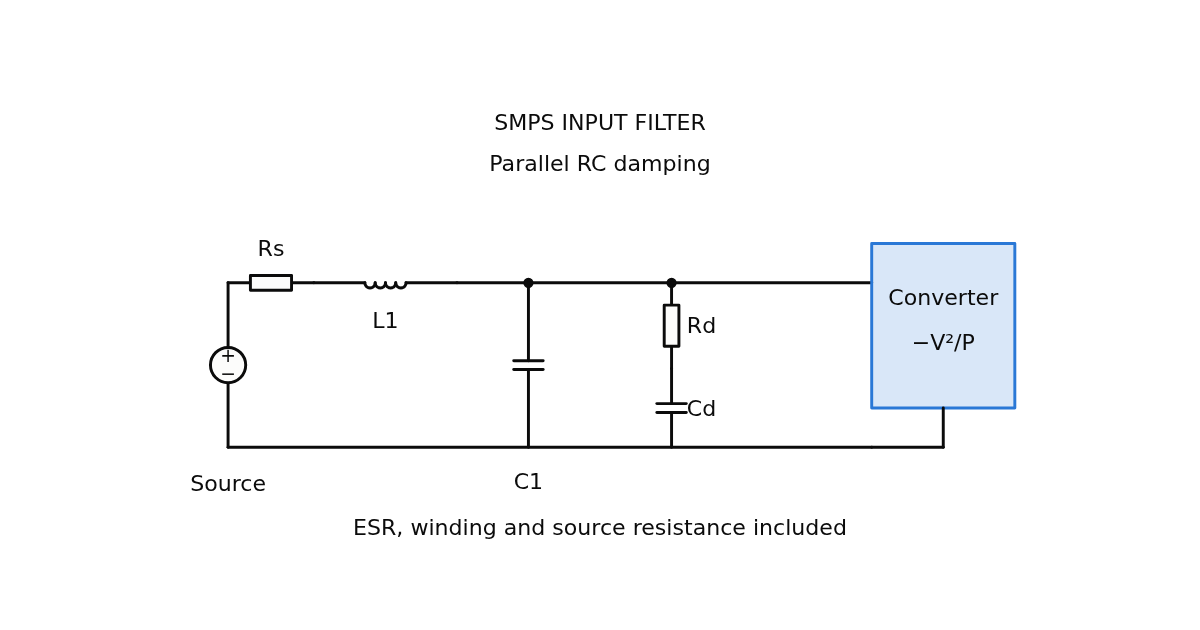
Check whether an LC input filter threatens converter stability. Compare RC and RL damping, two-stage filters, ripple attenuation, losses and small-signal transients.
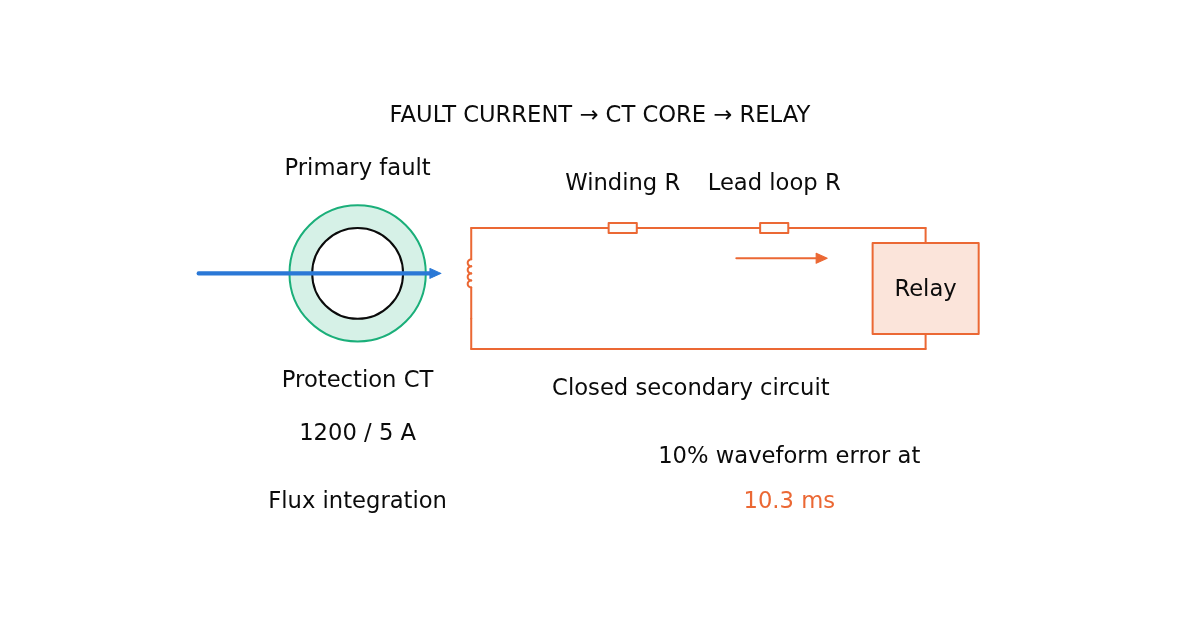
Estimate CT knee crossing and fault-current distortion with DC offset, burden and remanence. Animate core flux and compare the relay current with a one-cycle Fourier estimate.
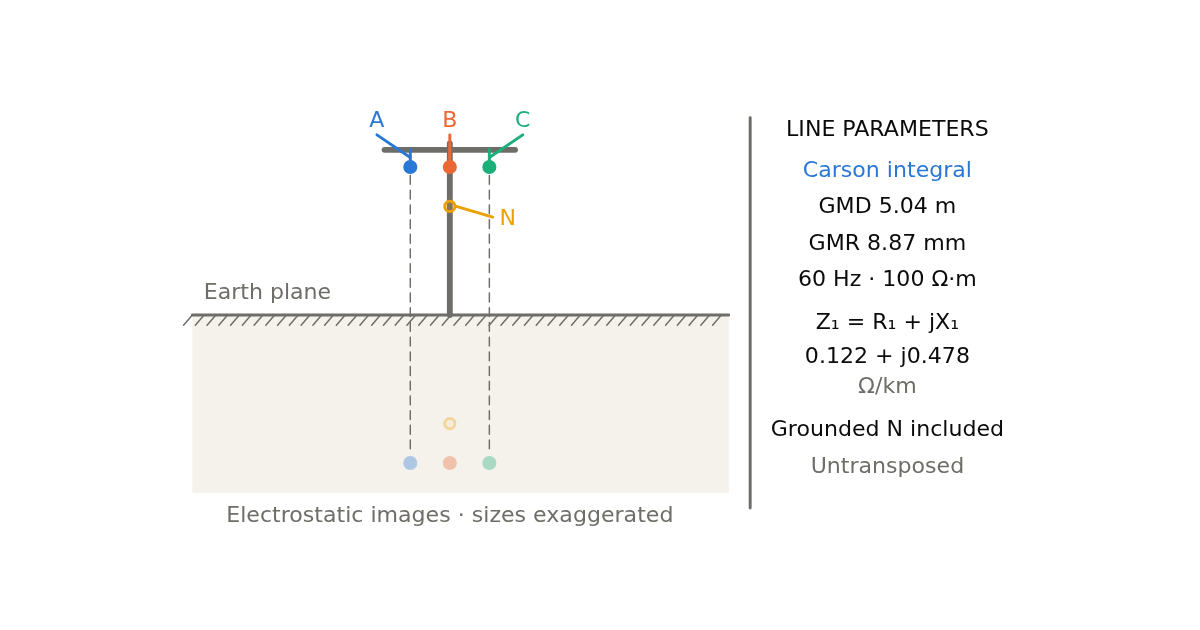
Calculate overhead-line R, L and C per km from conductor positions, bundles and soil resistivity. Inspect phase and sequence impedance matrices, with Carson earth return and neutral reduction.
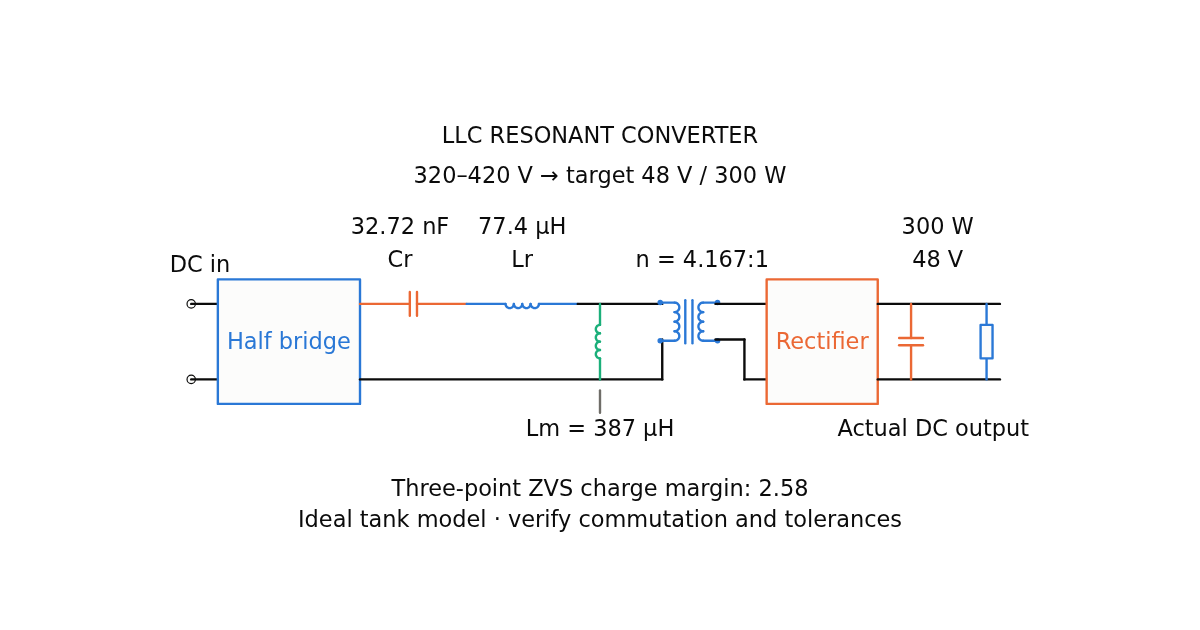
Size an LLC tank, compare FHA with exact PO/NP gain, and check ZVS charge margin and component stress for half-bridge or full-bridge operation.
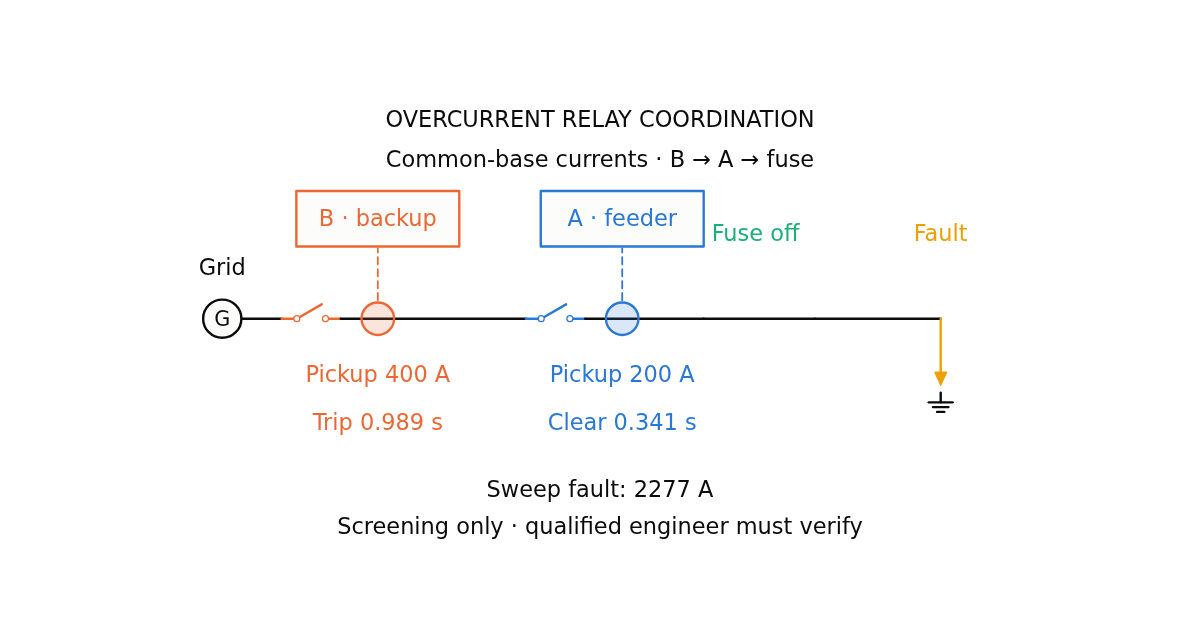
Plot IEEE and IEC relay curves with CT ratios, instantaneous trips and user fuse points. Screen grading margins and find a candidate upstream time dial and pickup interval.
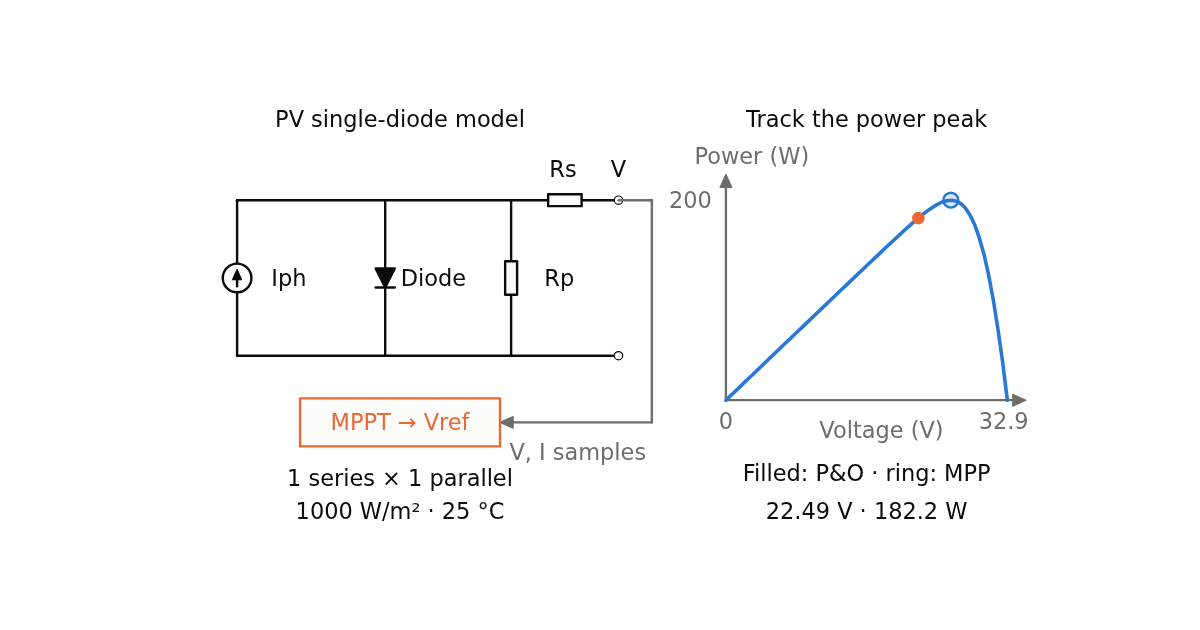
Build a PV module I-V and P-V curve family from datasheet points. Scale a matched array and animate P&O or incremental conductance MPPT with voltage-step and sampling trade-offs.
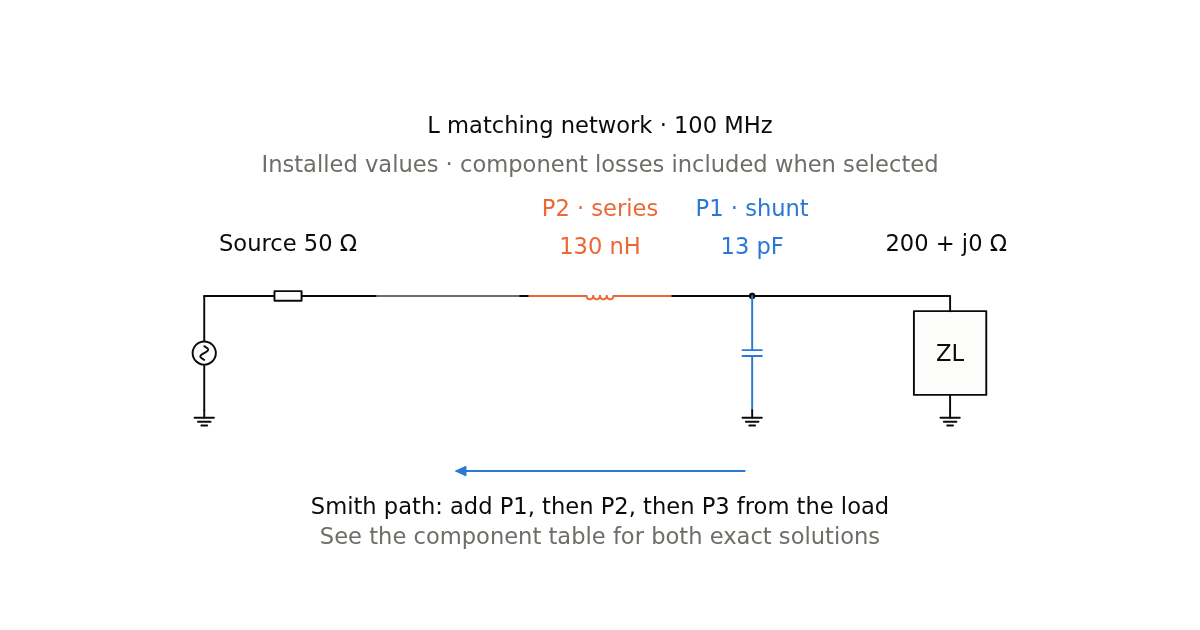
Design L, Pi and T networks for complex loads. Animate each element on a Smith chart, compare both L solutions, and check bandwidth, finite-Q losses and E-series rounding.
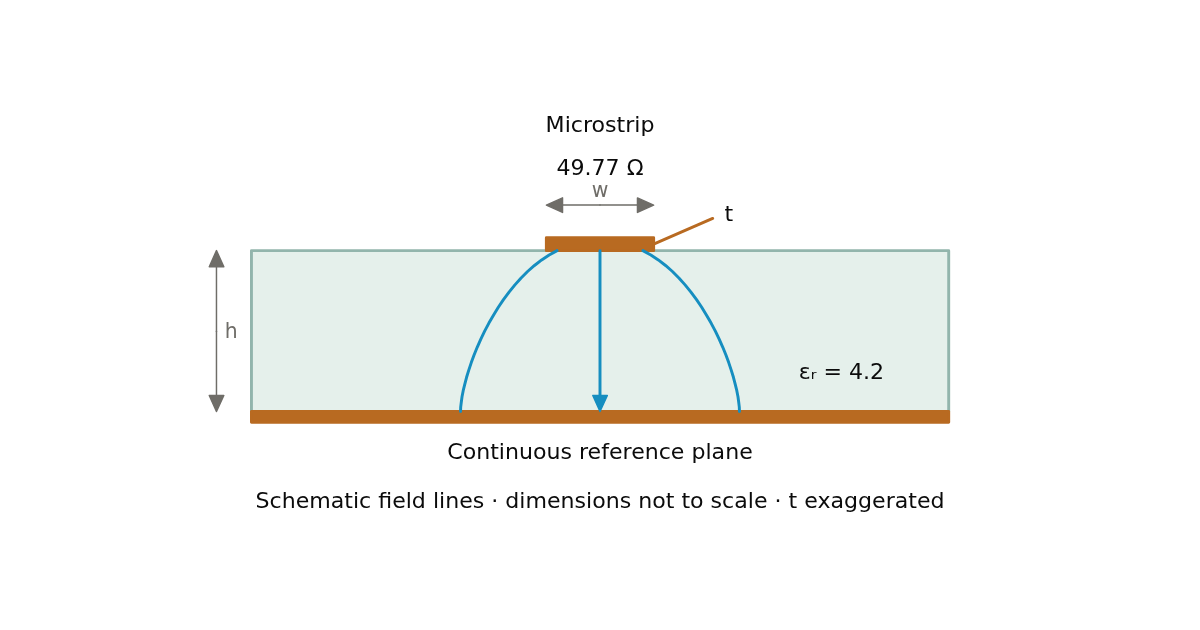
Find trace width or edge spacing for 50 Ω lines and 90/100 Ω differential pairs. Compare copper, dispersion and coplanar-ground effects on your stackup.
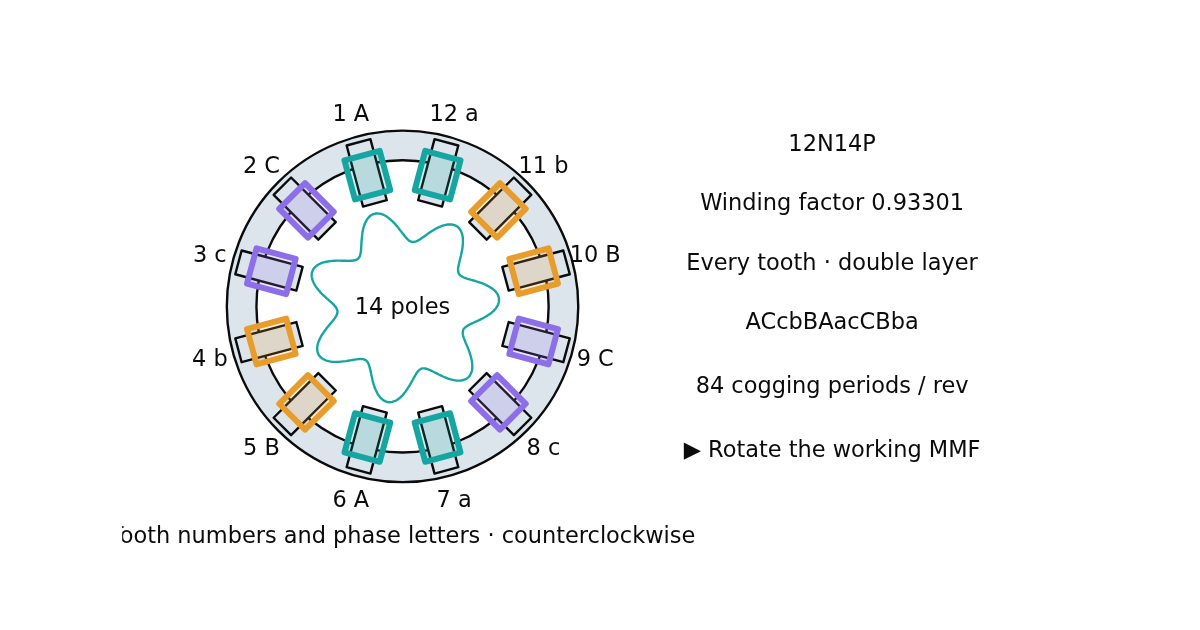
Design tooth-coil windings for 12N14P, 24N22P and other slot/pole combinations. Get phase letters, winding factors, MMF harmonics, cogging indicators and star/delta lead schedules.
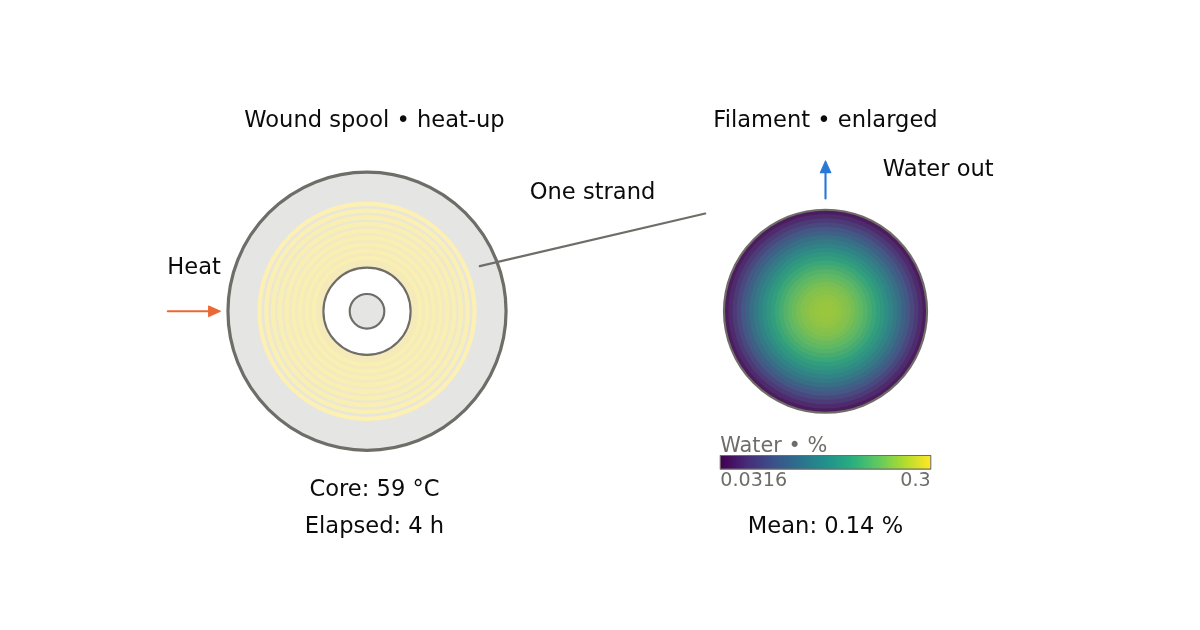
Estimate filament drying time with spool heat-up, temperature and humidity, then predict re-wetting in room air or a dry box. Calibrate drying with your own scale log.
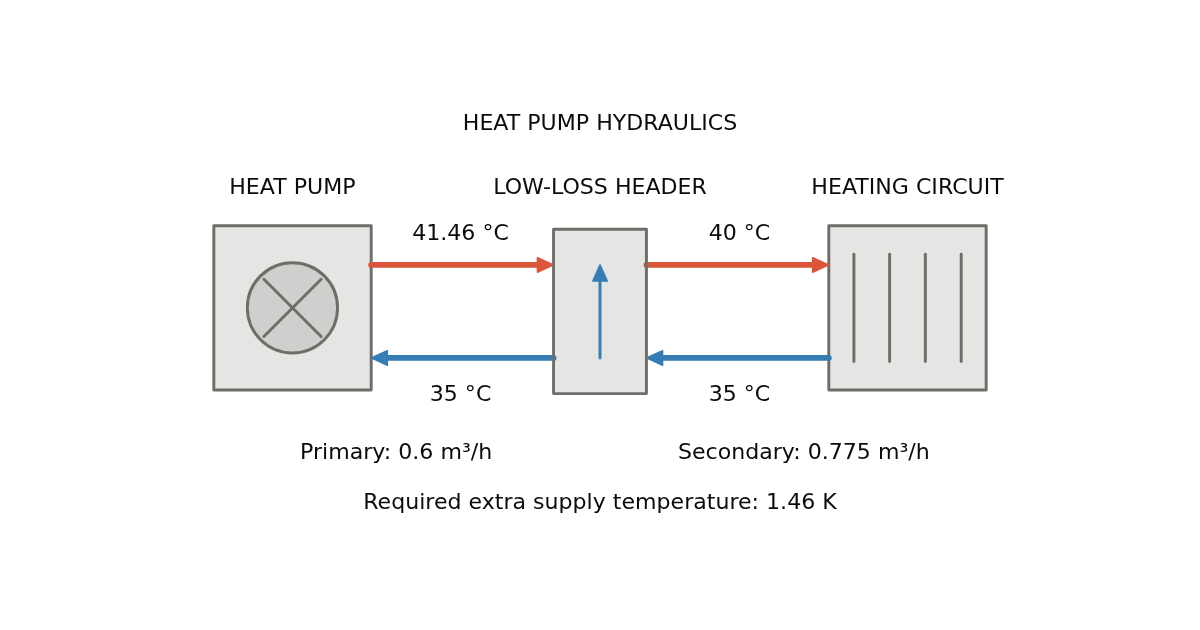
Compare heat-pump hydraulic layouts, mixing and plate-exchanger temperature penalties, COP and seasonal cost. Size active water volume for minimum run time and defrost.
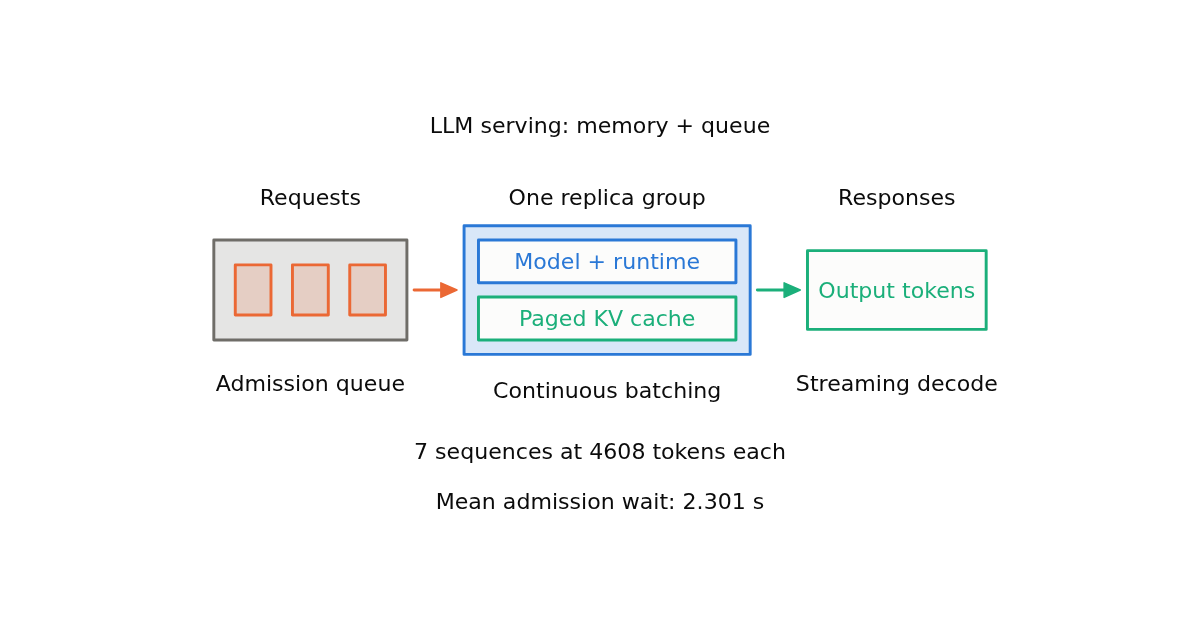
Estimate KV cache capacity, concurrent requests, queue delay and streaming latency. Compare parallel agent completion and cost against local server and API limits.
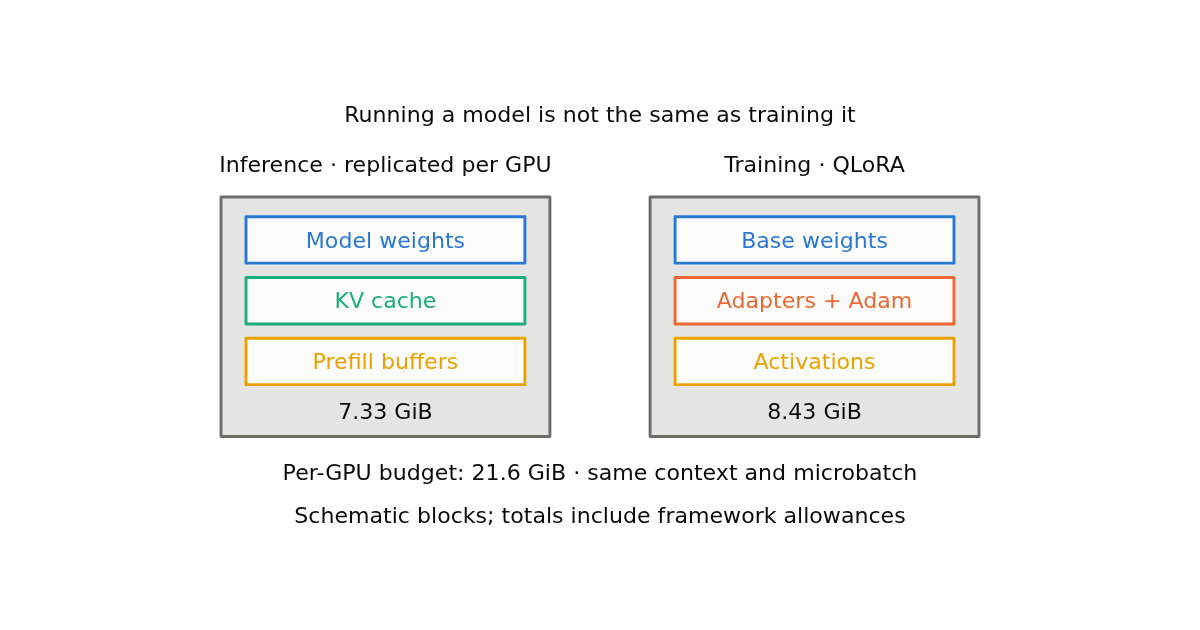
Estimate inference and training VRAM, maximum sequence length and microbatch, runtime and cost for full fine-tuning, LoRA and QLoRA. Compare GPU sharding, checkpointing and editable MFU assumptions.
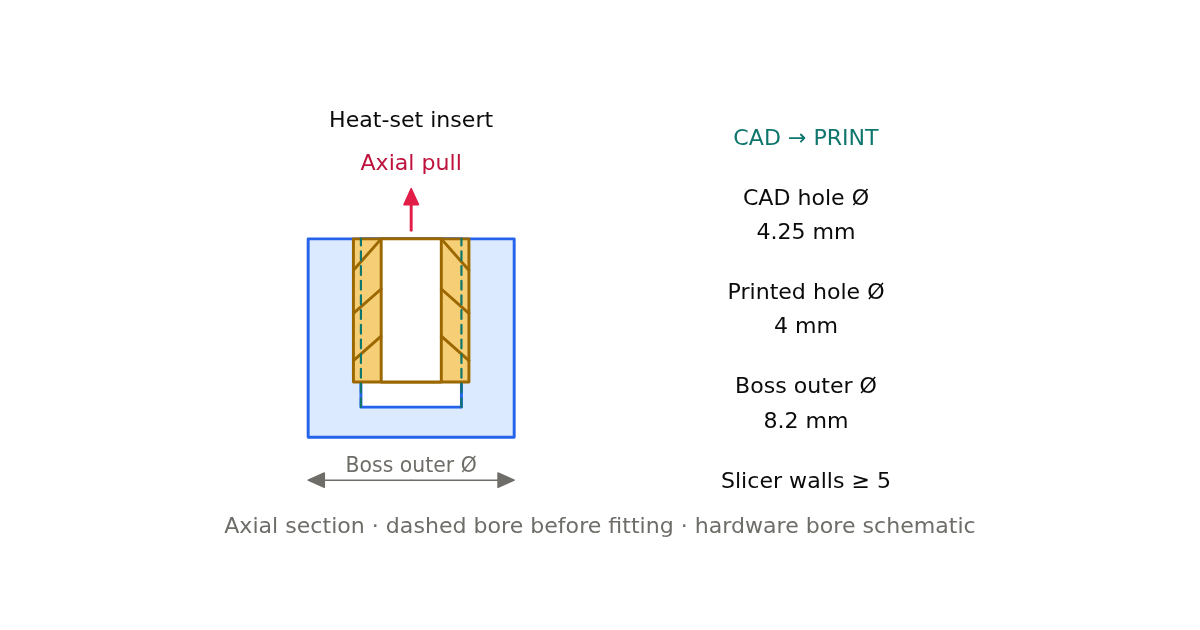
Size calibrated CAD holes, bosses and wall counts for inserts, self-tapping screws and printed metric threads. Numerical strength is enabled only with matching coupon data.
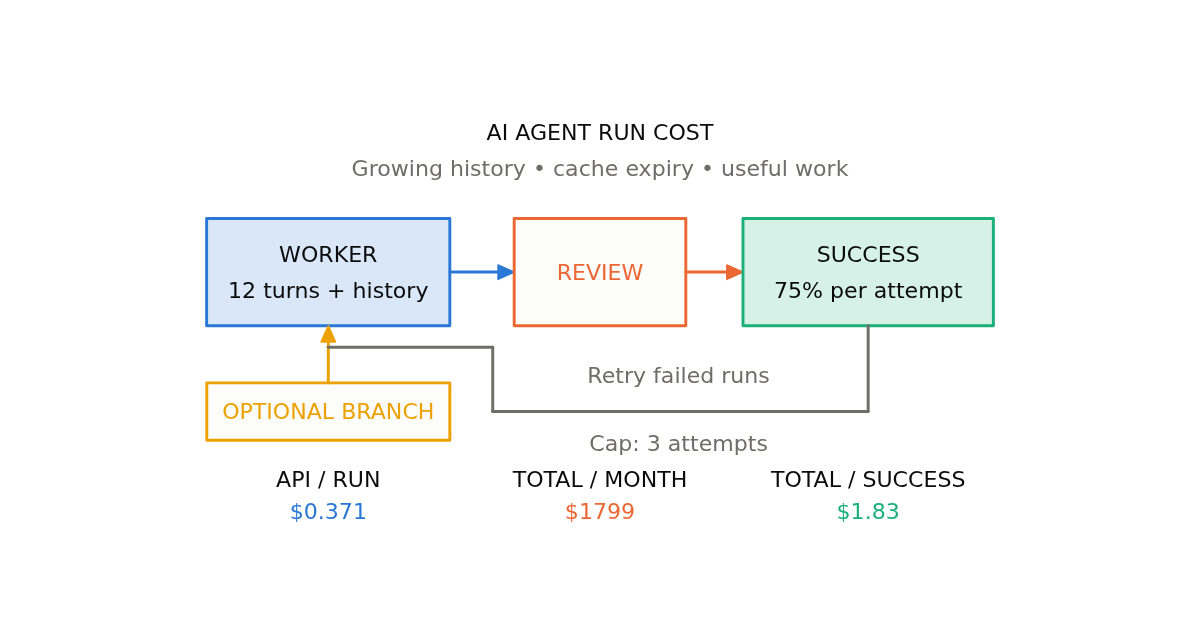
Estimate AI agent costs with growing history, cache expiry, mixed models, retries and human review. See cost per run, per month and per successful task.
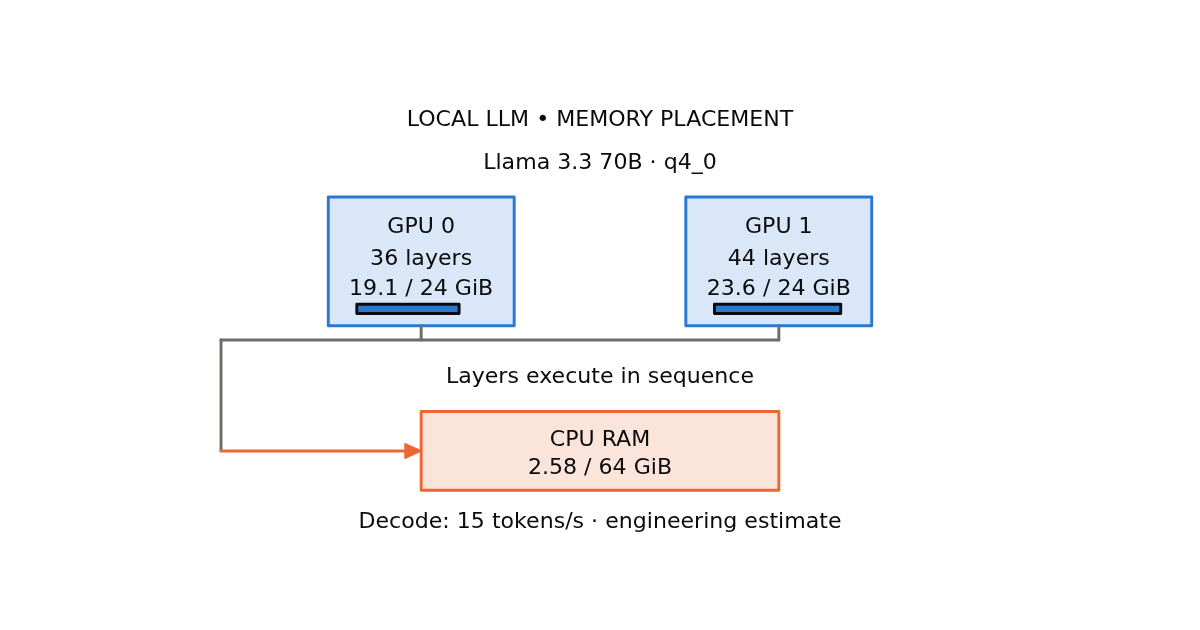
Compare 2×3090, RTX 5090 and Apple silicon. Plan layers, tensor parallelism or MoE experts in RAM, with per-device memory, prefill/decode estimates and cited benchmarks.
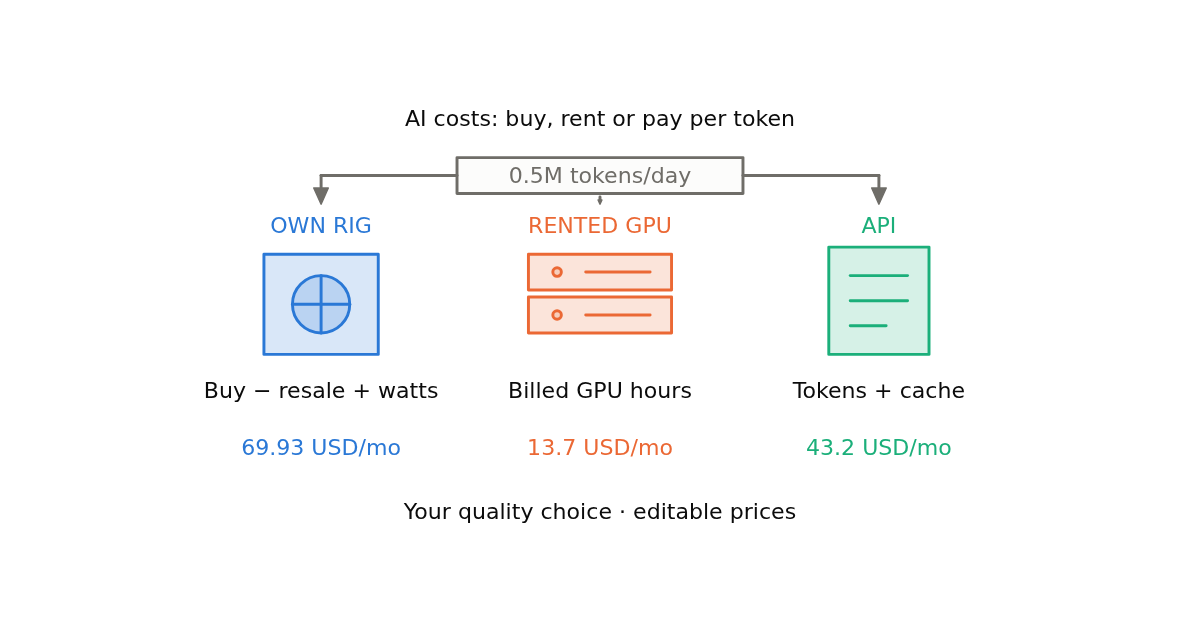
Compare owning an AI rig, renting a GPU and using an API. Include prefill, decode, idle power, resale, upkeep, caching and reasoning tokens to find cost per million tokens and break-even.
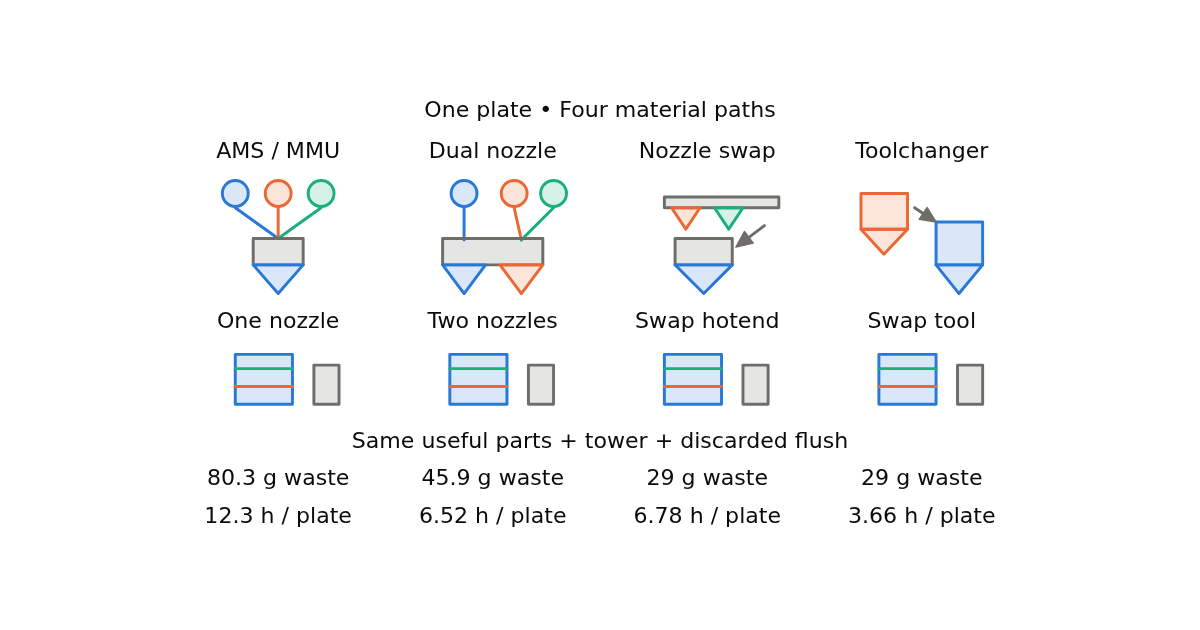
Compare filament, waste, printing hours and cost for AMS/MMU, dual nozzles, nozzle swaps and toolchangers. Edit dated scenarios and calculate cash or time-valued payback.
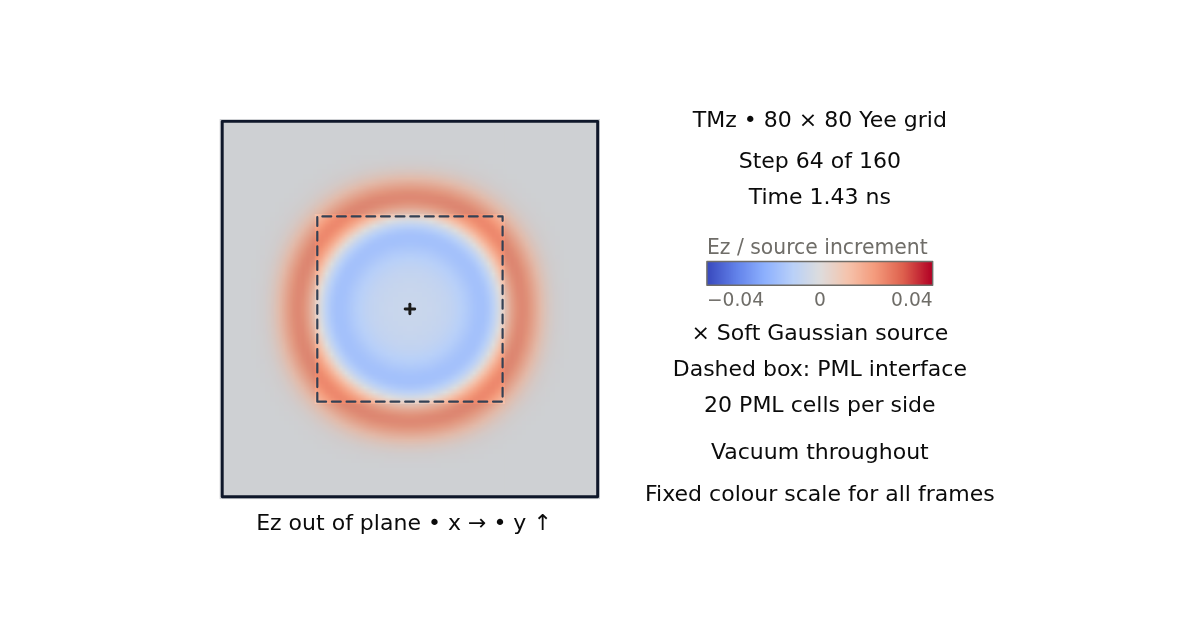
Animate TMz waves on an 80×80 Yee grid with graded PML or reflecting PEC walls. Calculate the Courant time step, PML conductivity, ideal reflection and residual field energy.


 Wired White v1