Home EV Charging Losses: Level 1 vs Level 2 and Cold Weather
 Wired White v2
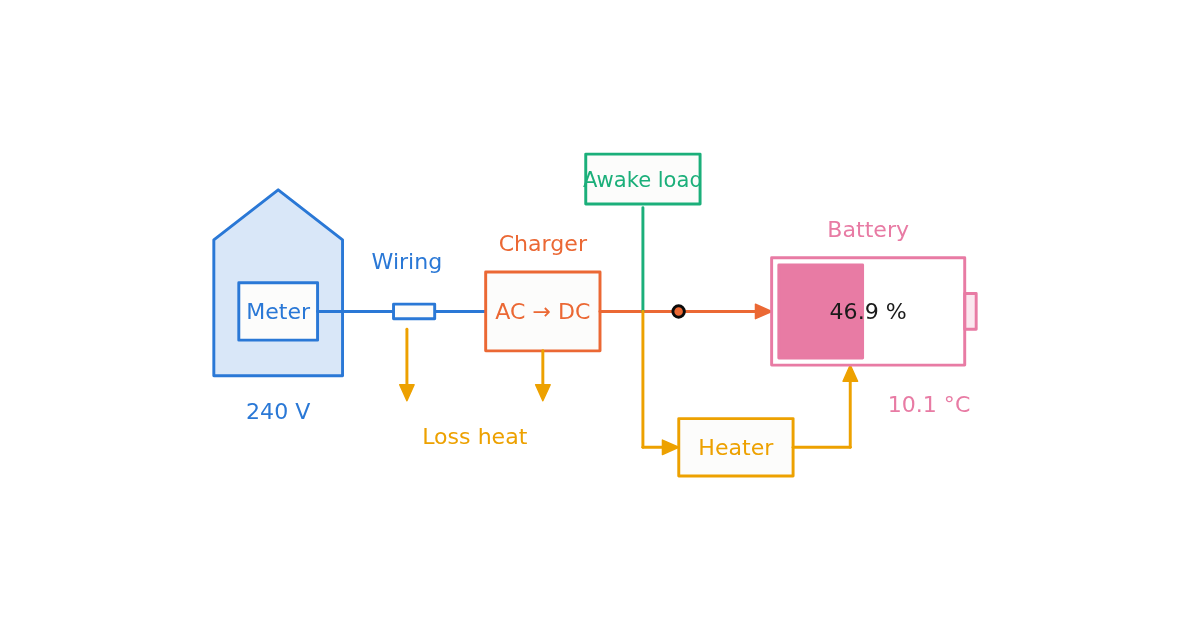
Compare wall energy, charging time and annual cost at 120 V/12 A and 240 V/16–48 A, including charger part-load losses, vehicle overhead, battery heating and current.
EV charging time and cost, wallbox sizing and range: calcs that show how charging losses, tariffs, speed and temperature change the answer.
Wired White v2 Compare wall energy, charging time and annual cost at 120 V/12 A and 240 V/16–48 A, including charger part-load losses, vehicle overhead, battery heating and current.
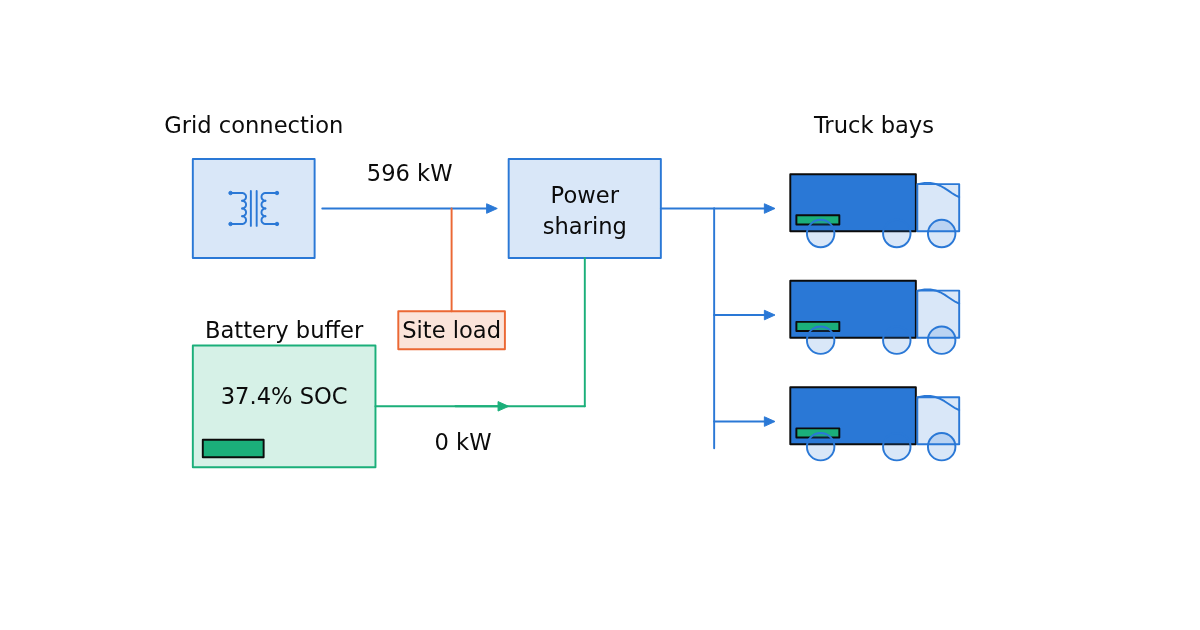
Wired White v2 Optimize truck charging against a limited grid connection. Size the battery buffer, compare EDF scheduling, and check every departure SOC and demand charge.
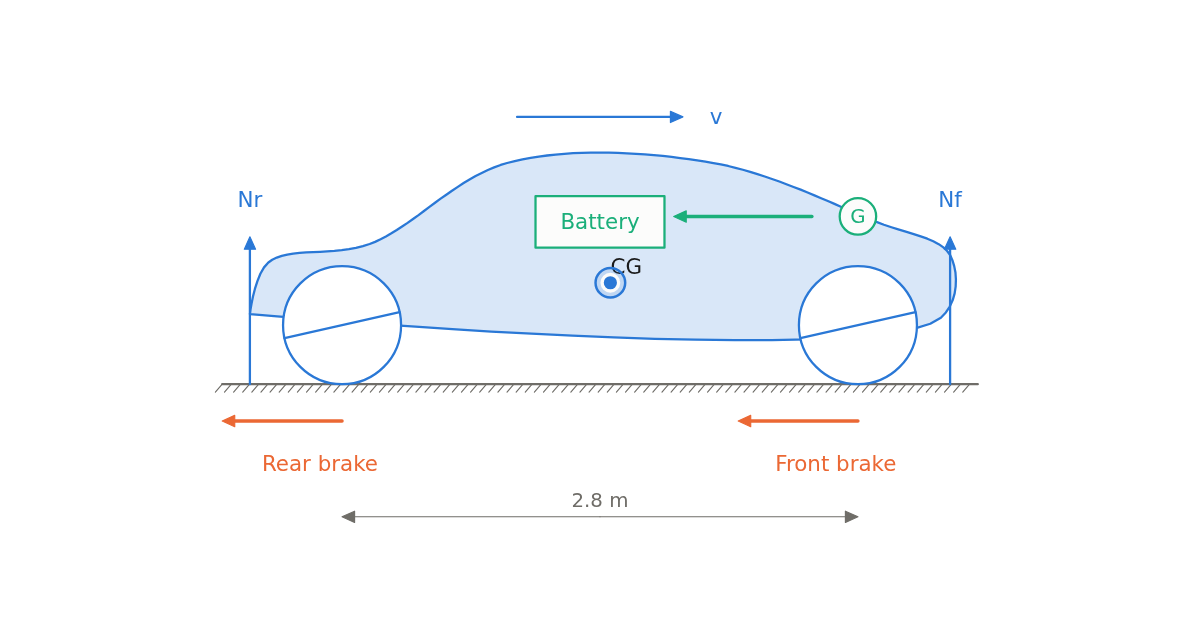
Wired White v4 Compare front/rear brake force distribution and series or parallel regen blending. Check axle adhesion, motor and battery limits, and recovered energy over a complete stop.
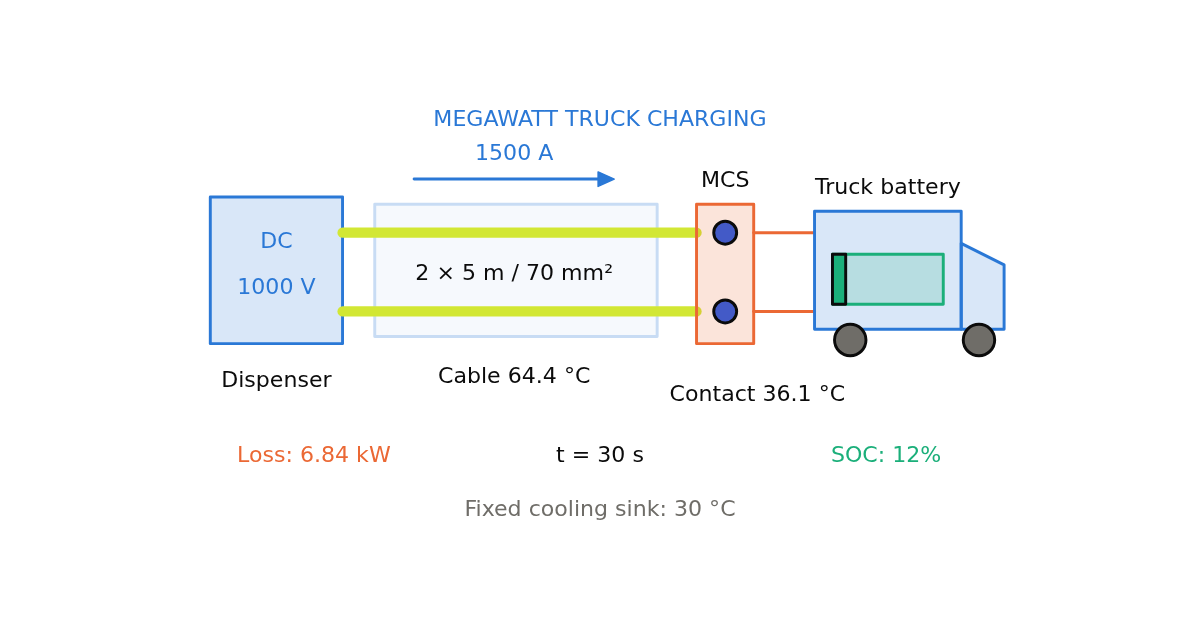
Wired White v2 Estimate MCS truck charging losses, cable and contact temperatures, and charge time with copper self-heating and an adjustable cooling model.
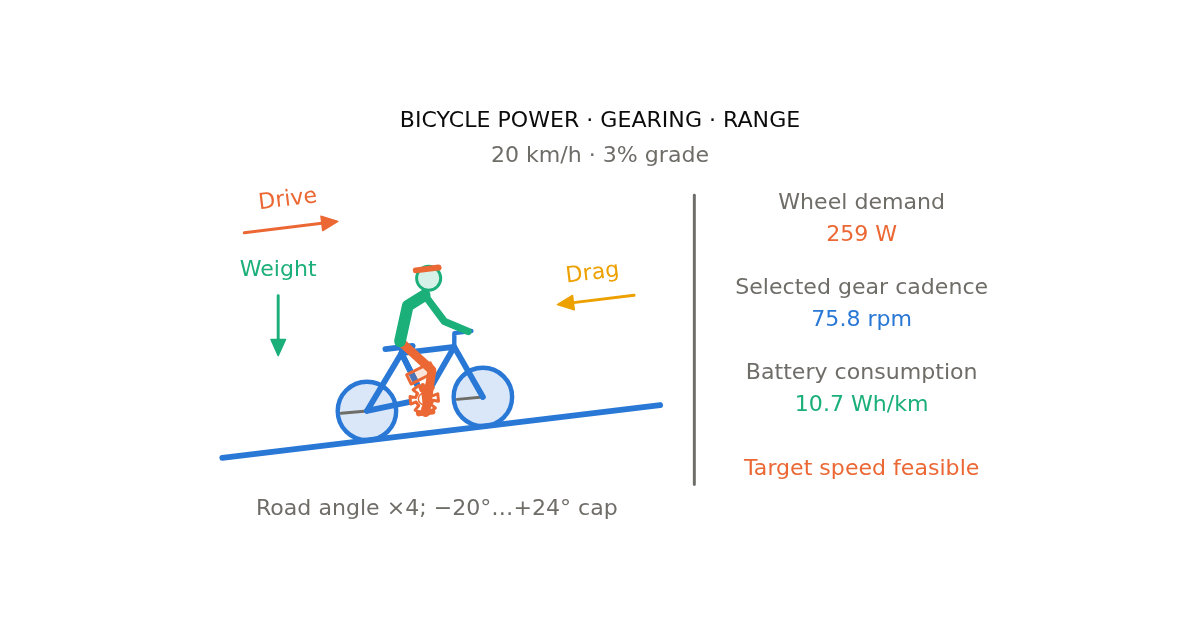
Wired White v2 Calculate cycling power, gear inches, cadence, climb time and e-bike range. Compare rider effort, motor torque, cold battery capacity and dated assistance presets.
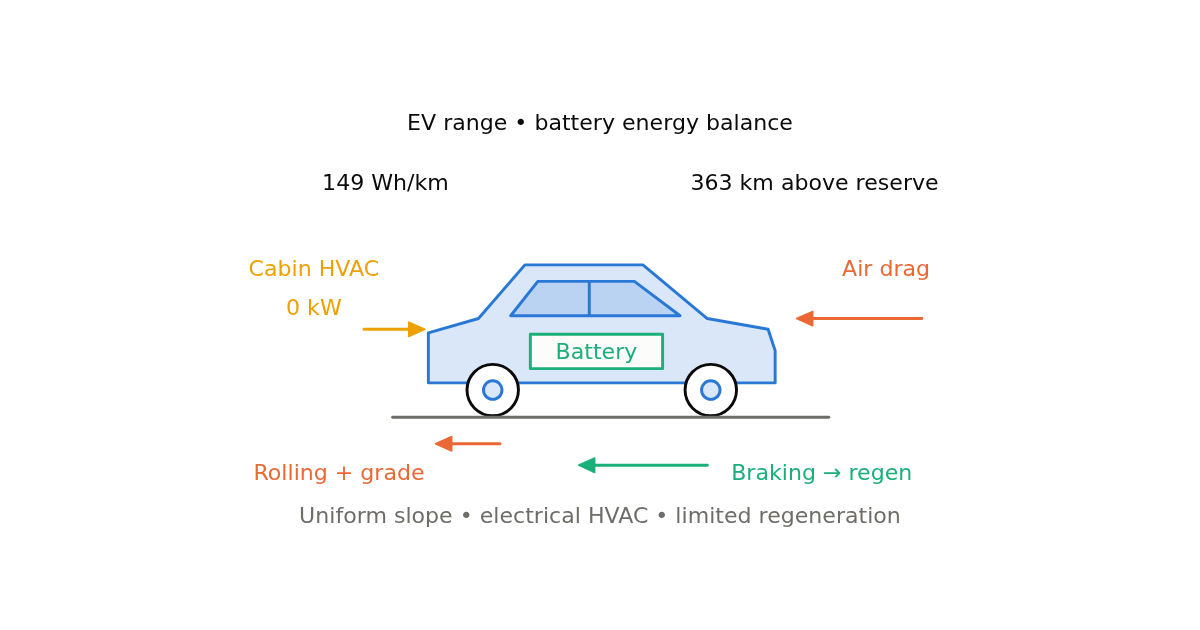
Wired White v2 Estimate EV range and battery consumption from speed, temperature, elevation and vehicle data. Compare steady driving with EPA city and highway cycles.
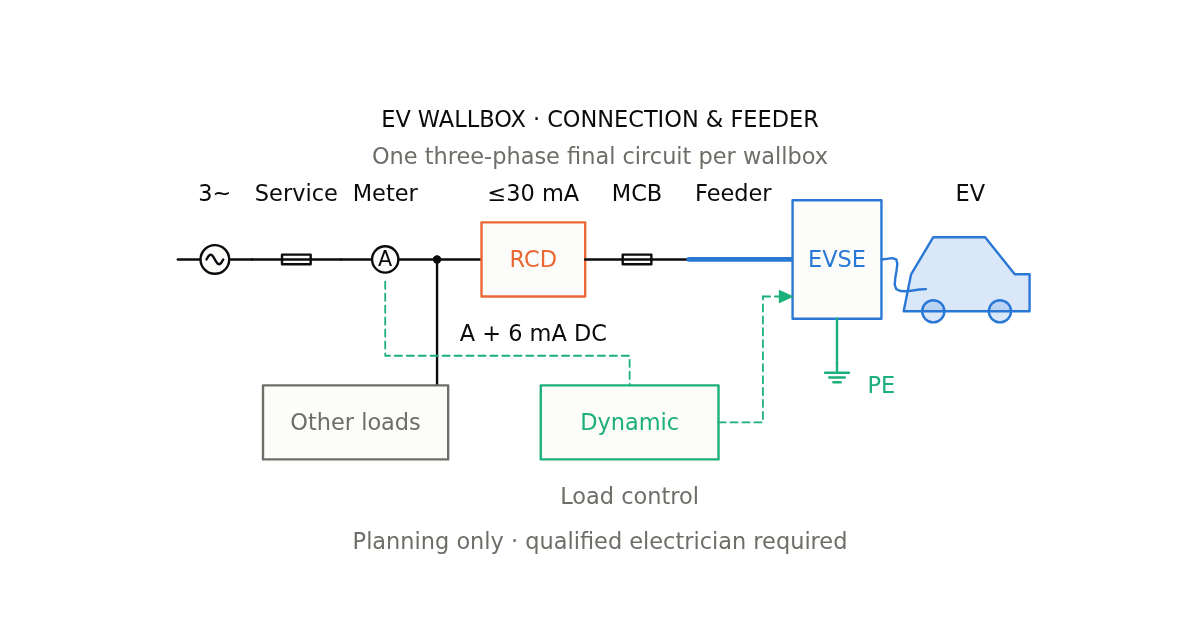
Wired White v2 Compare 11 kW and 22 kW wallboxes, house connection headroom and load management. Check copper feeder voltage drop, entered ampacity and German installation requirements.
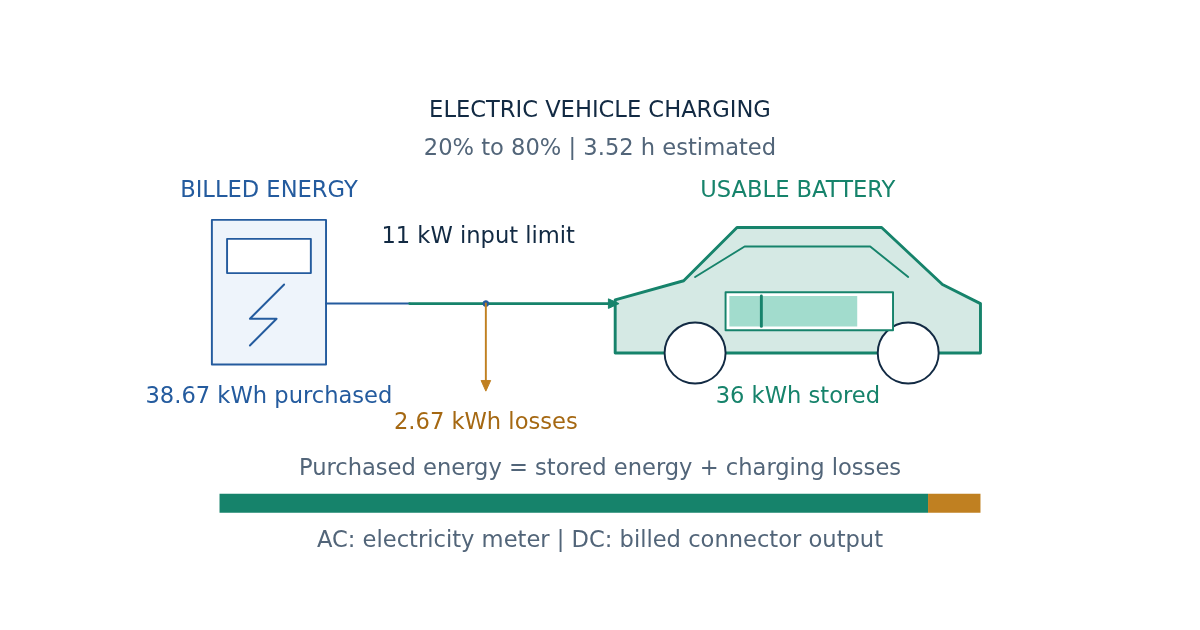
Wired White v2 Estimate EV charging time, billed energy and cost with charging losses and taper. Compare electric and gasoline running costs using your tariff and driving distance.
Please confirm you want to block this member.
You will no longer be able to:
Please allow a few minutes for this process to complete.