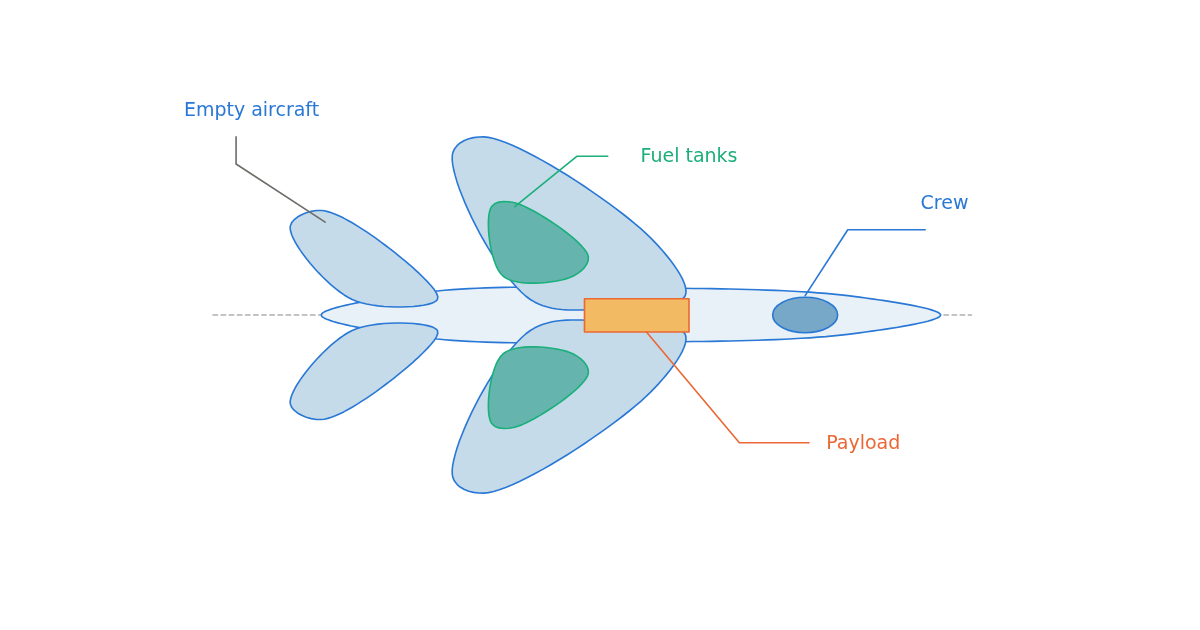
Estimate aircraft takeoff mass from payload, mission range and loiter. Compare jet, propeller and battery electric designs, with empty weight iteration and growth sensitivities.
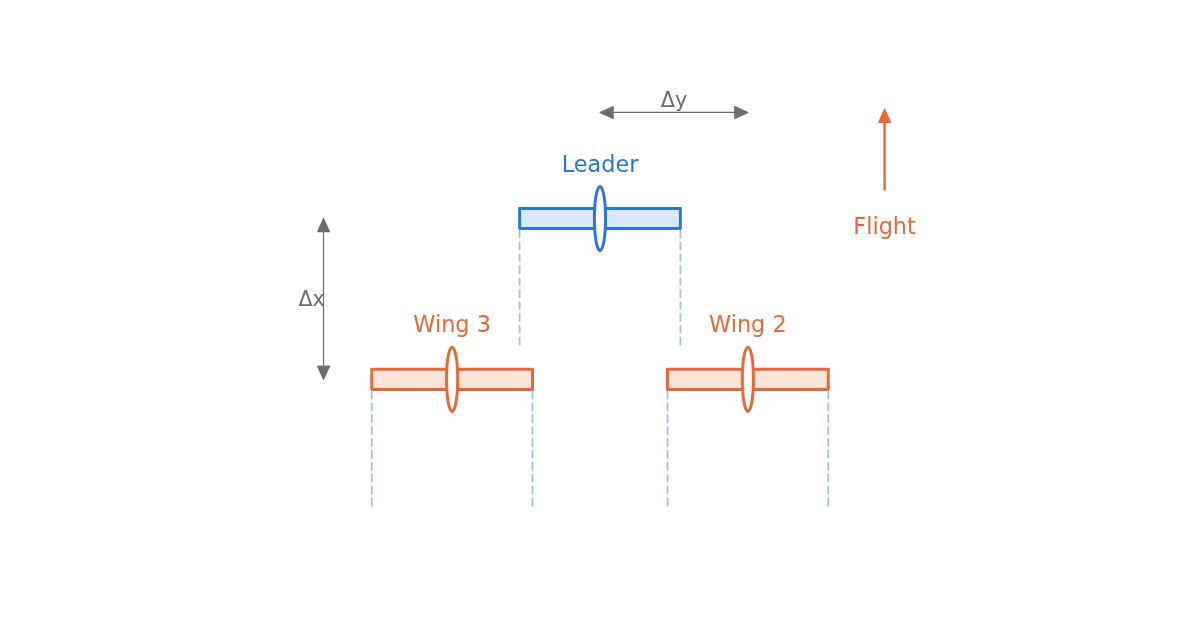
Solve coupled lifting lines for birds, drones or aircraft in a V or echelon. Find wingtip overlap, compare each position and estimate fixed-wing electric endurance.
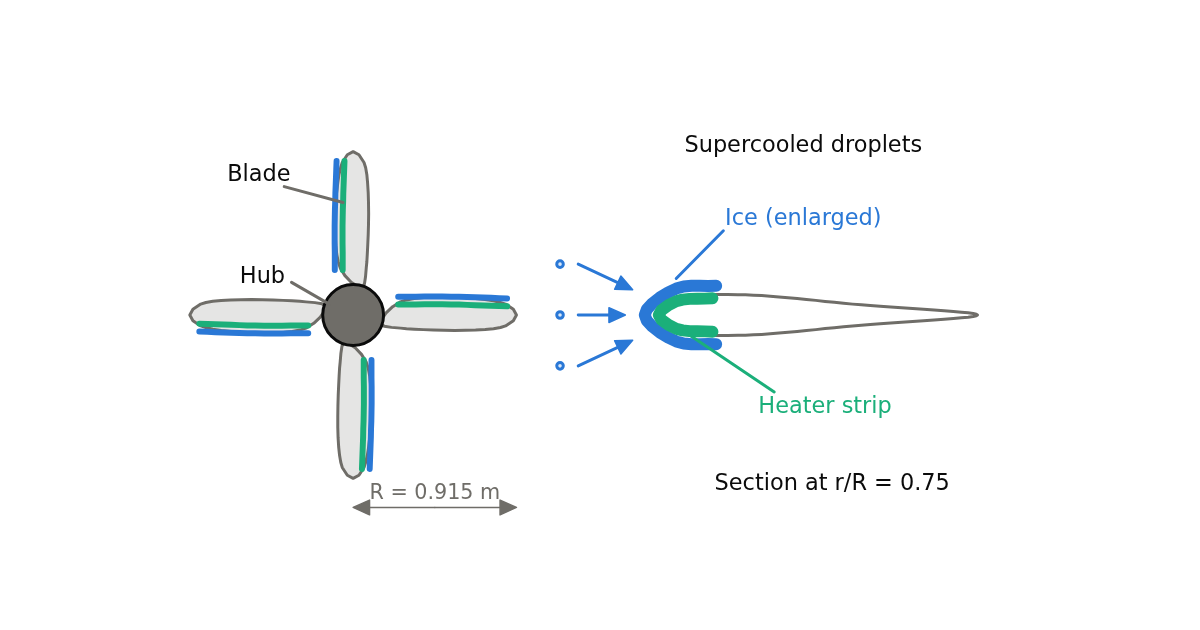
Calculate rotor ice growth, Messinger freezing fraction, blade-element power penalty, and running-wet or evaporative heater demand along the blade.
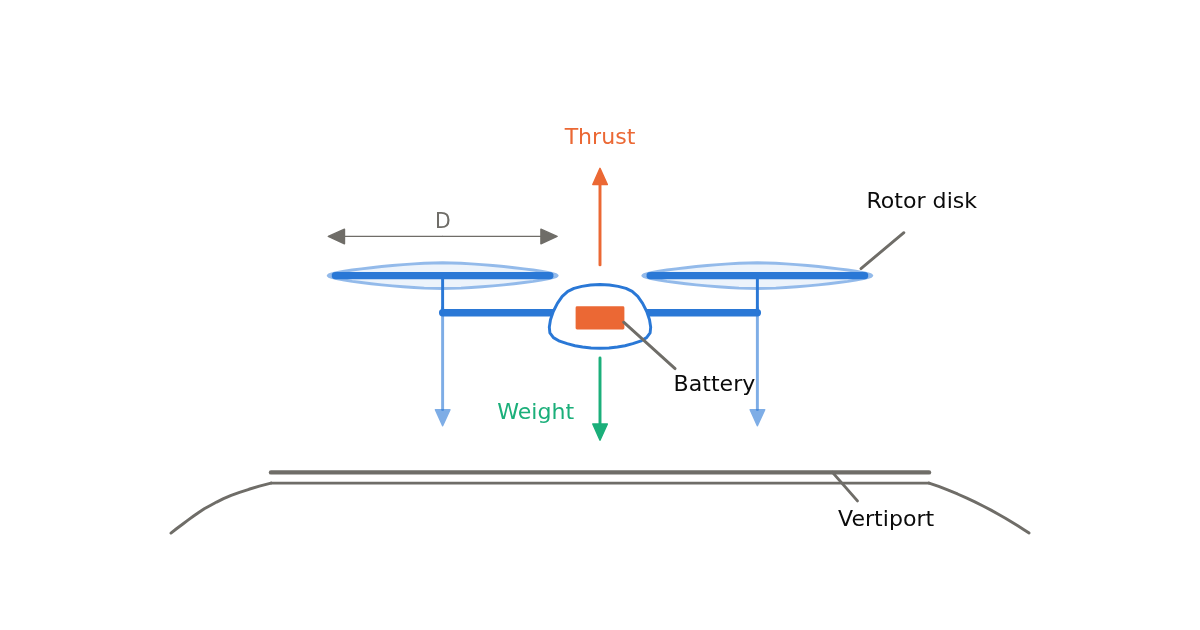
Check altitude and cold-weather hover using ISA density, rotor RPM, blade-loading and tip-Mach limits, battery voltage sag, thrust reserve and hover time.
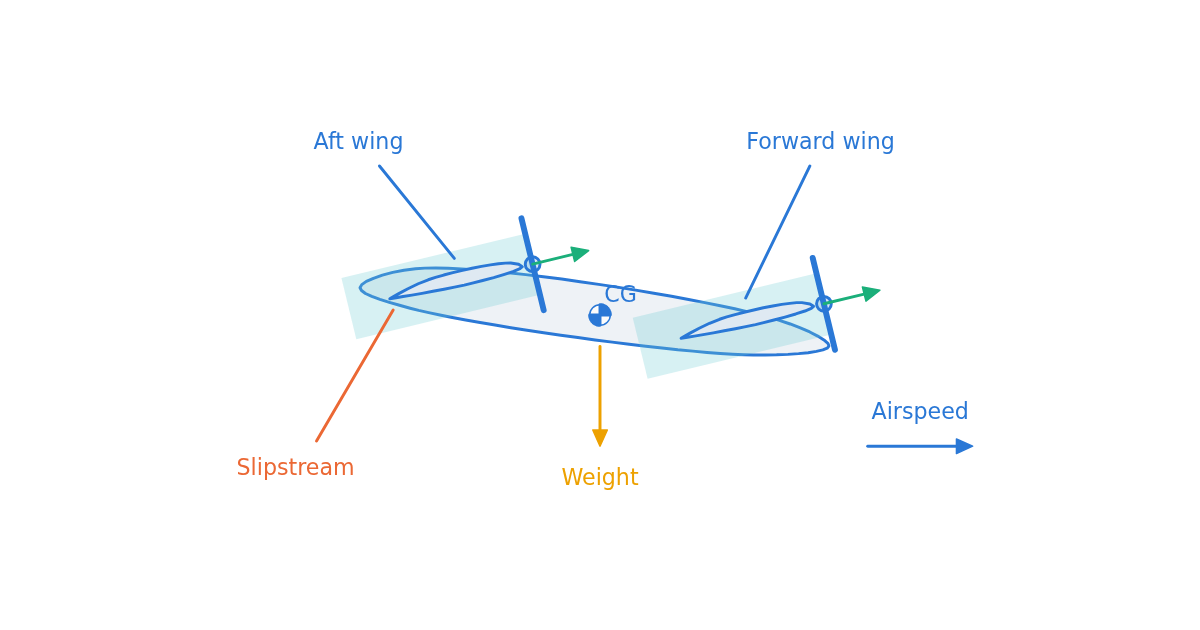
Map airspeed against wing tilt using coupled force and pitch equilibrium, propeller slipstream, wing stall, thrust and power limits. Inspect a chosen transition path.
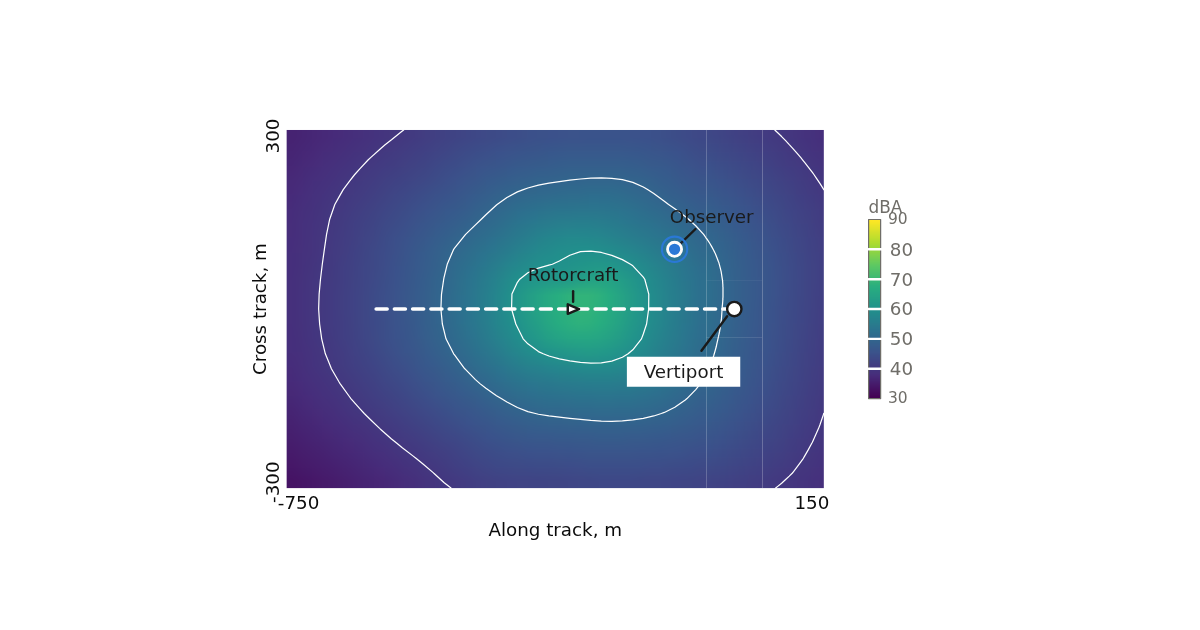
Estimate directional eVTOL approach noise from rotor loading, thickness, blade-vortex interaction and broadband self-noise. Explore ground dBA contours and the BVI contribution.
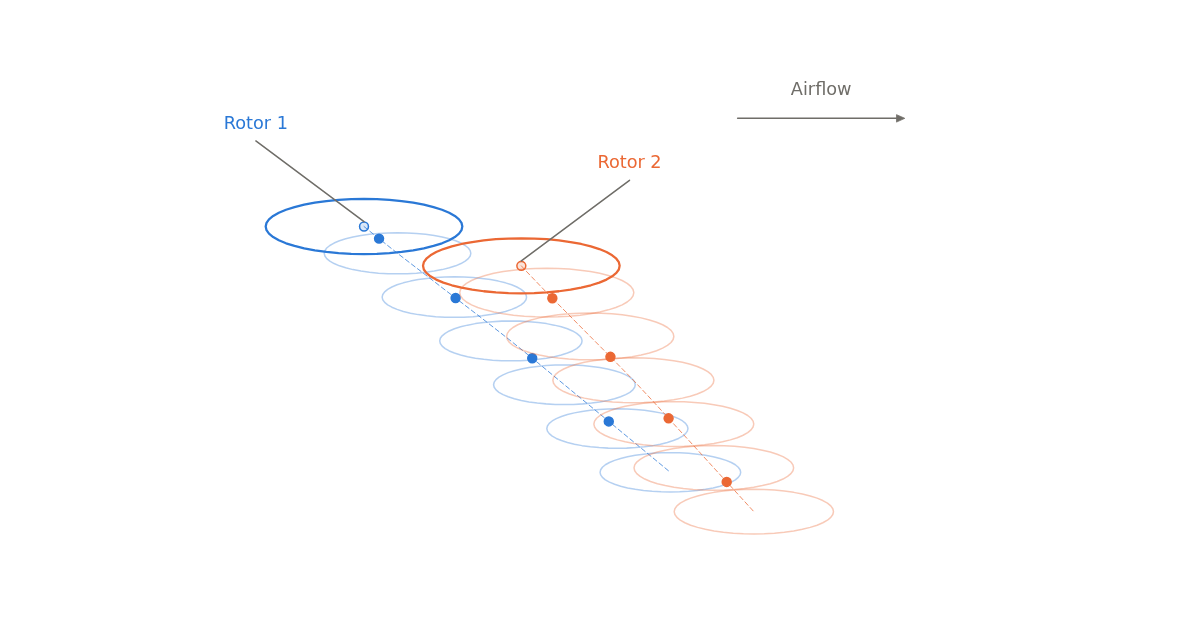
Estimate thrust loss at fixed power or added power at held thrust for interacting eVTOL rotors. Includes conservative contracting vortex-ring wakes, forward-flight skew and marked sensitivity sweeps.
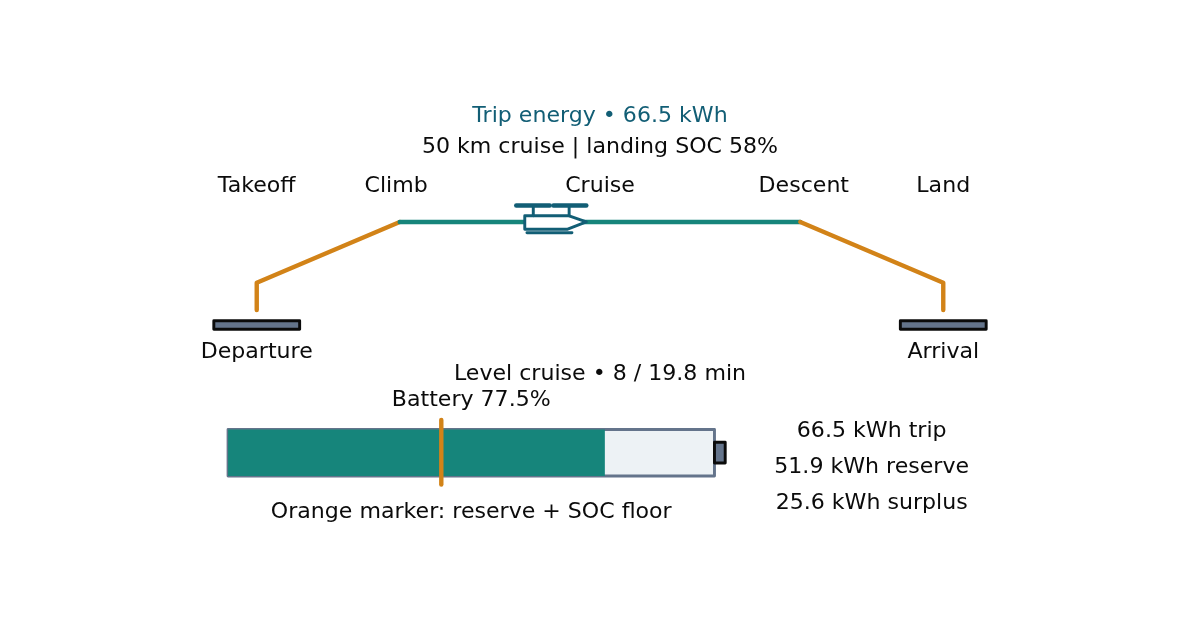
Estimate eVTOL hover and cruise power, battery energy per trip, reserve requirements and landing SOC. Animate the mission and compare cruise distance with the available energy budget.
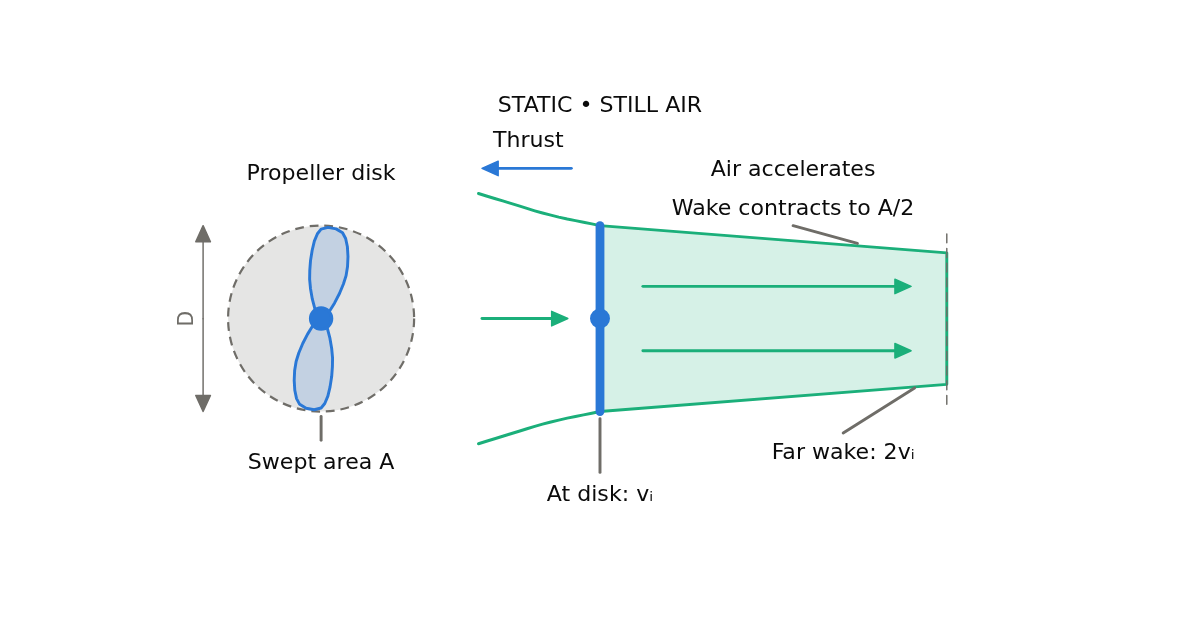
Estimate static propeller thrust or required shaft power with momentum theory and a figure of merit. Compare thrust-to-weight and an idealised, inflated-wing paramotor ground run.
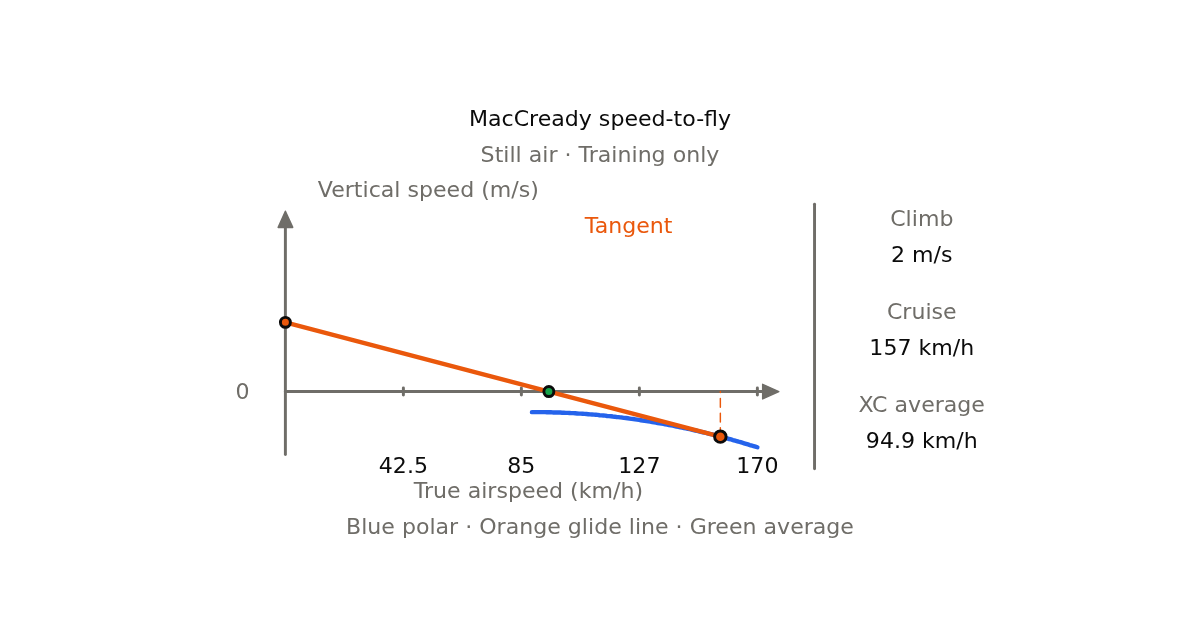
Find training speed-to-fly and average cross-country speed from a three-point polar. Animate the MacCready tangent for gliders and paragliders.
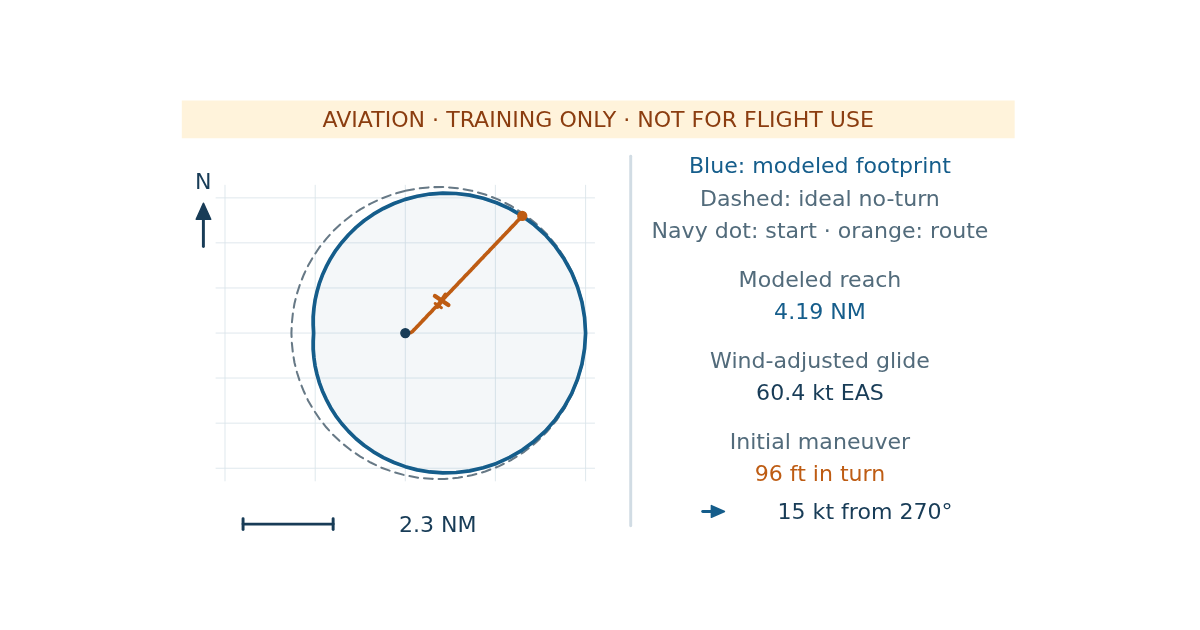
Estimate engine-out glide range with weight-corrected speed, wind and turn losses. Explore a north-up footprint and animated route. Aviation training only.
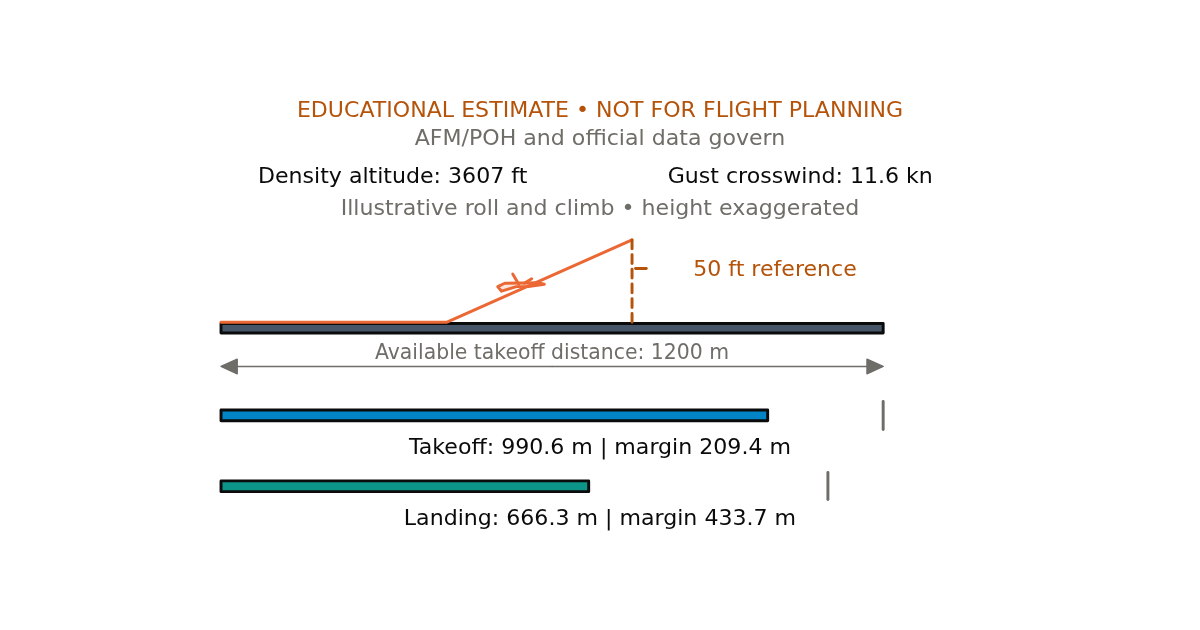
Calculate density altitude, runway wind components with gusts, and factored takeoff and landing margins. Explore generic performance effects with an animated 50 ft runway schematic.
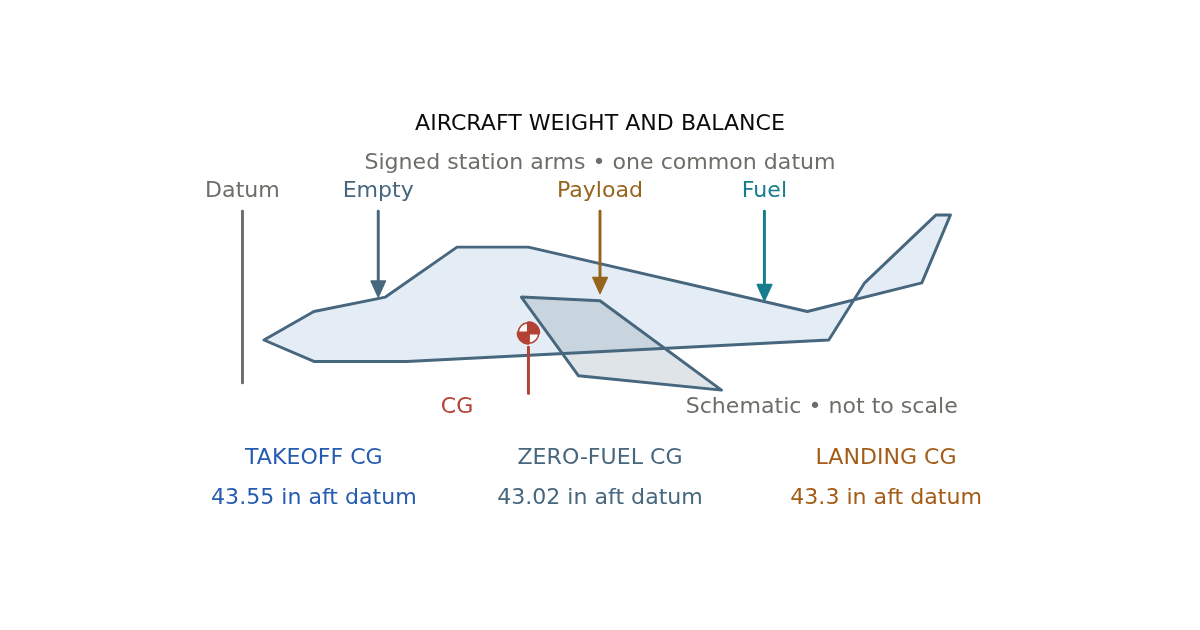
Calculate takeoff, zero-fuel and landing weight and CG from your own POH data. Plot the CG envelope and follow the continuous fuel-burn track.
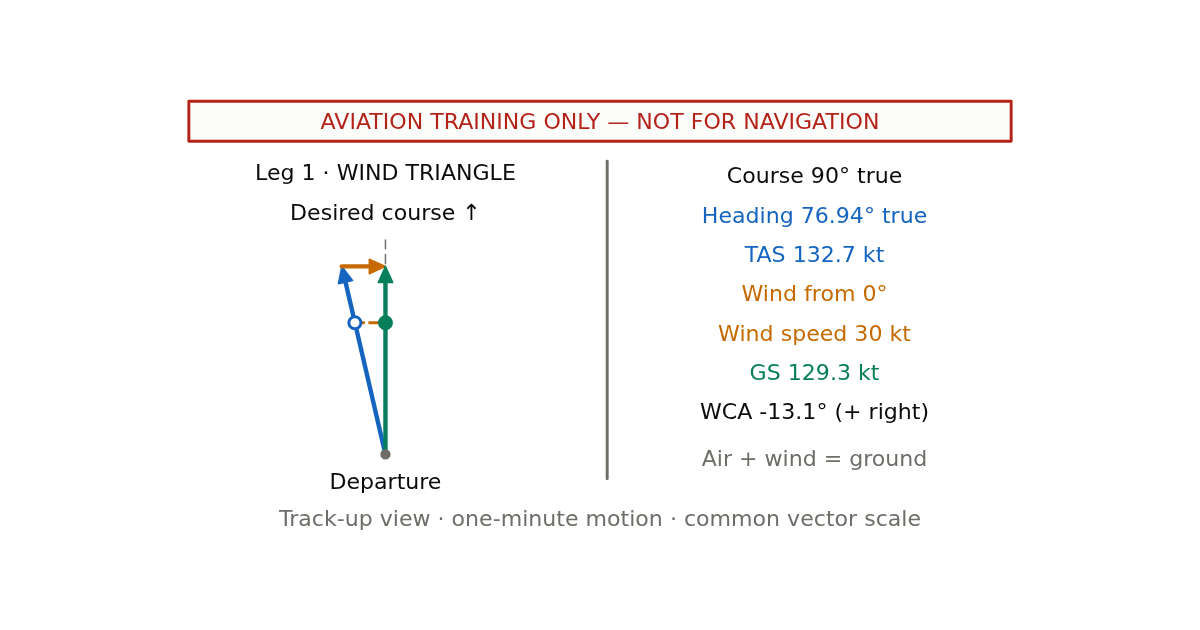
Convert CAS to TAS, solve wind correction and groundspeed for up to three legs, and budget alternate fuel and reserves. Includes an animated wind triangle. Aviation training only.