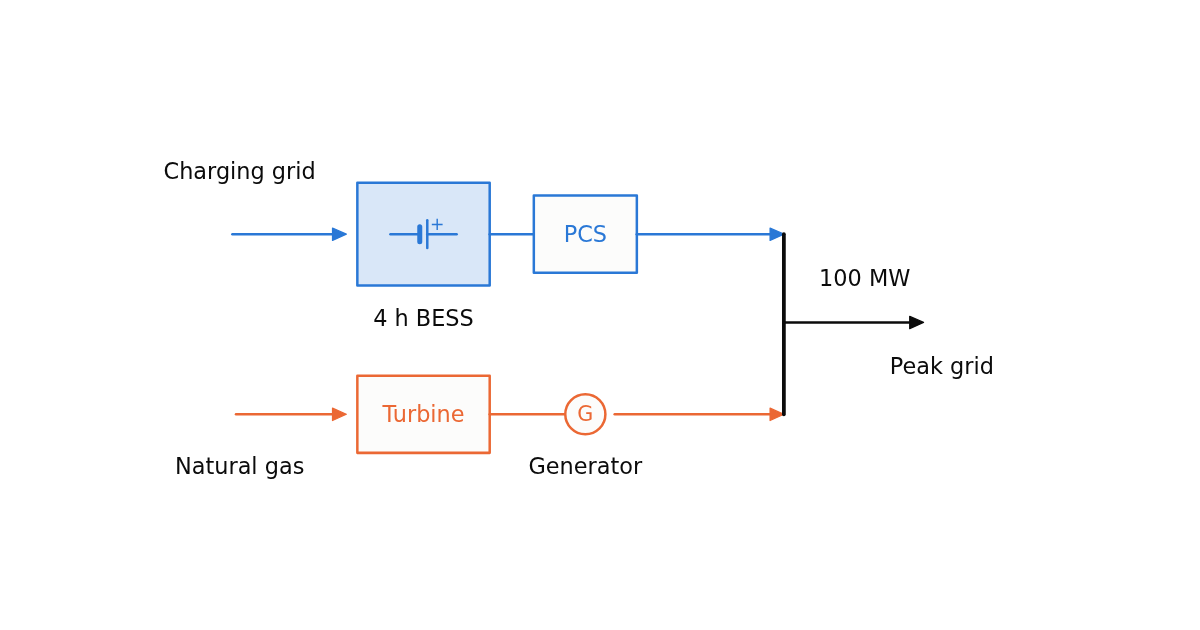
Compare four-hour battery storage with a gas peaker in $/kW-year and $/MWh. Model peak-event duration, charging losses, degradation, augmentation, and equal-service battery sizing.
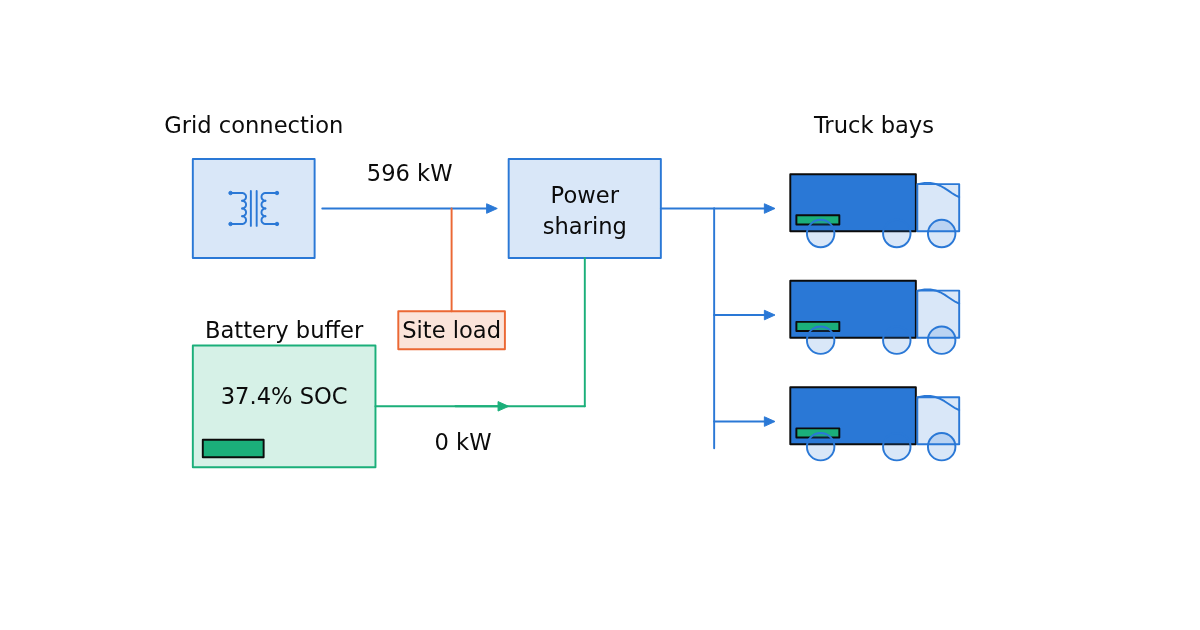
Optimize truck charging against a limited grid connection. Size the battery buffer, compare EDF scheduling, and check every departure SOC and demand charge.
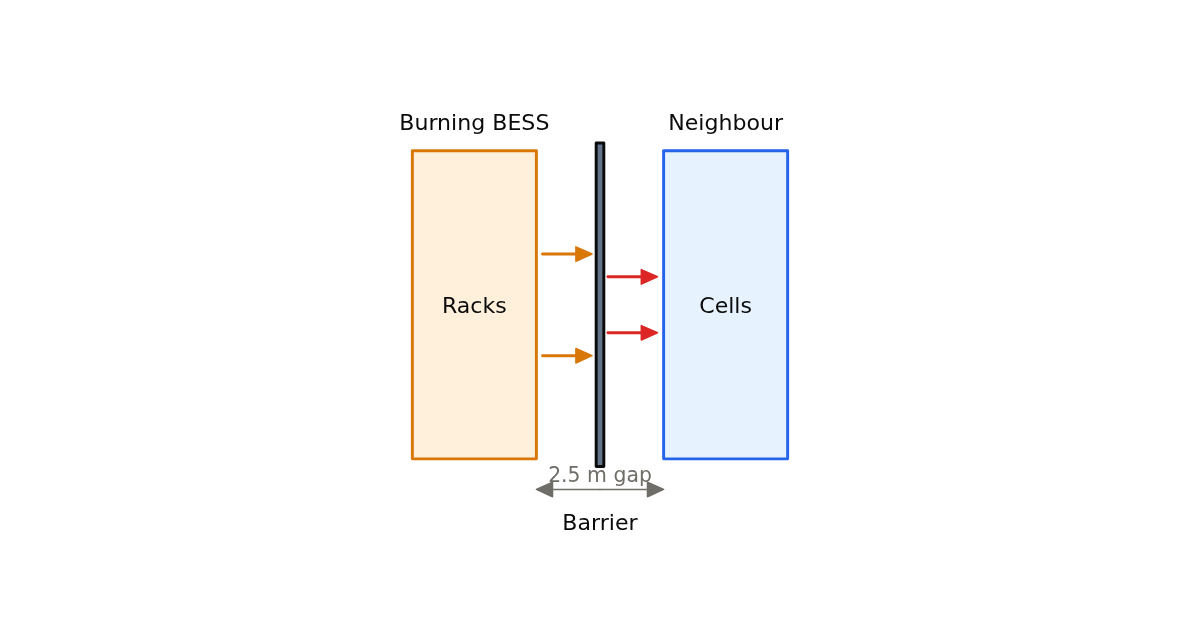
Calculate fire radiation, transient wall and cell heating, and separation distance for neighbouring BESS containers. Compare open exposure with a heated barrier wall.
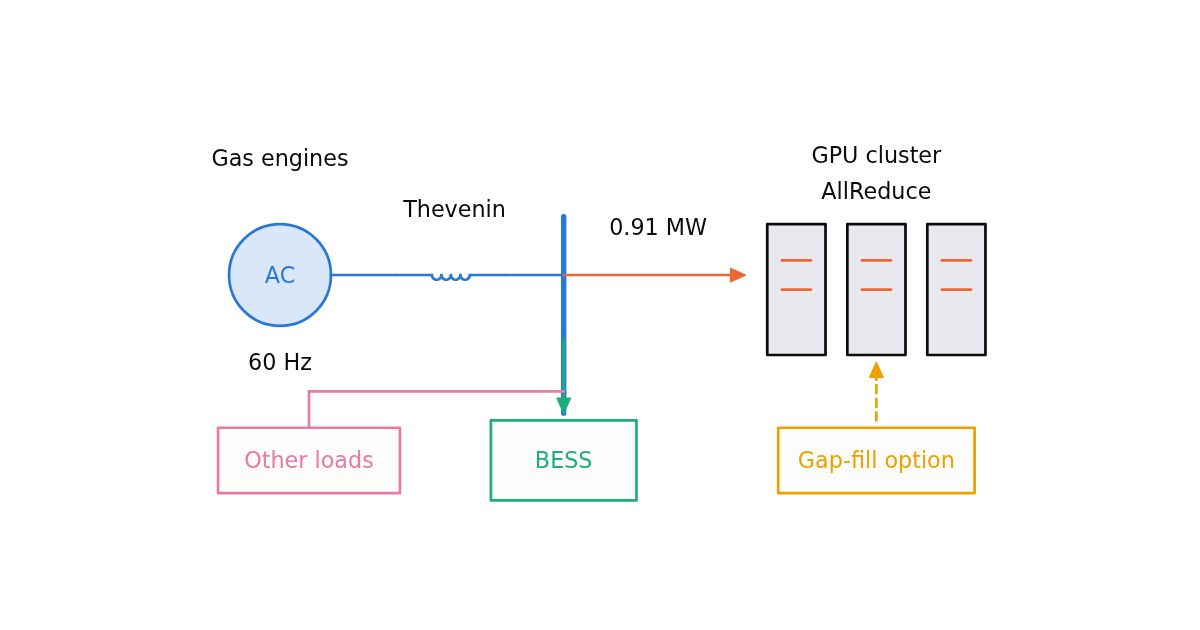
Model synchronized GPU training pulses, source frequency and bus voltage. Size ramp-limited BESS power and energy, and compare the energy cost of dummy-load gap filling.
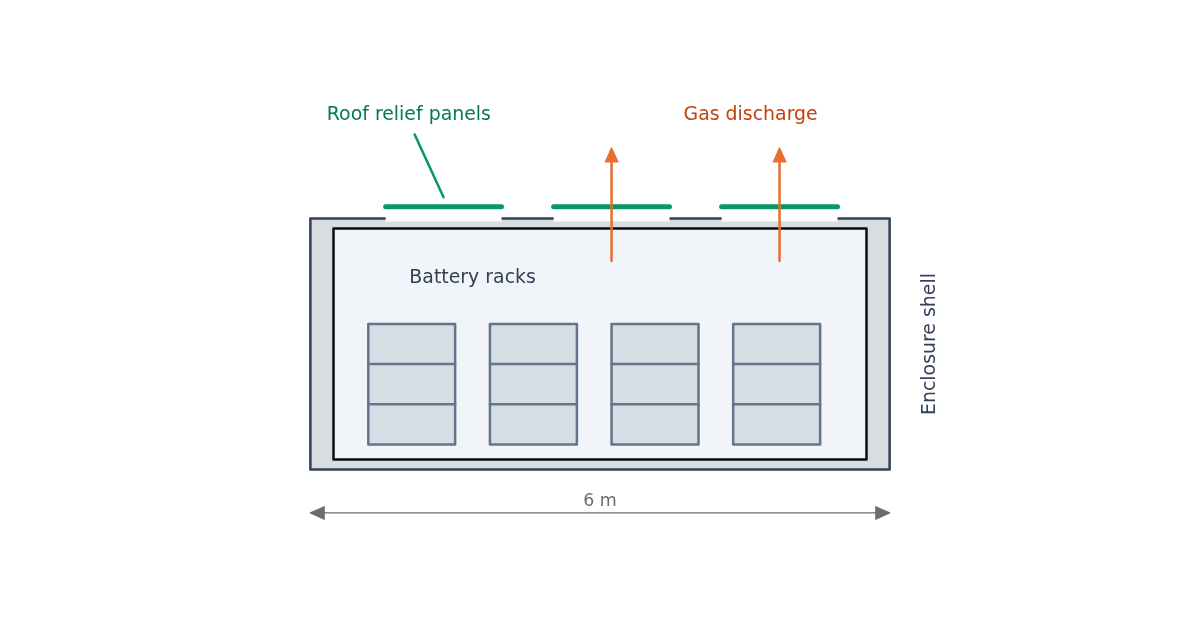
Estimate BESS container explosion vent area from measured battery gas properties, enclosure geometry and panel inertia. Compare reduced pressure with enclosure resistance.
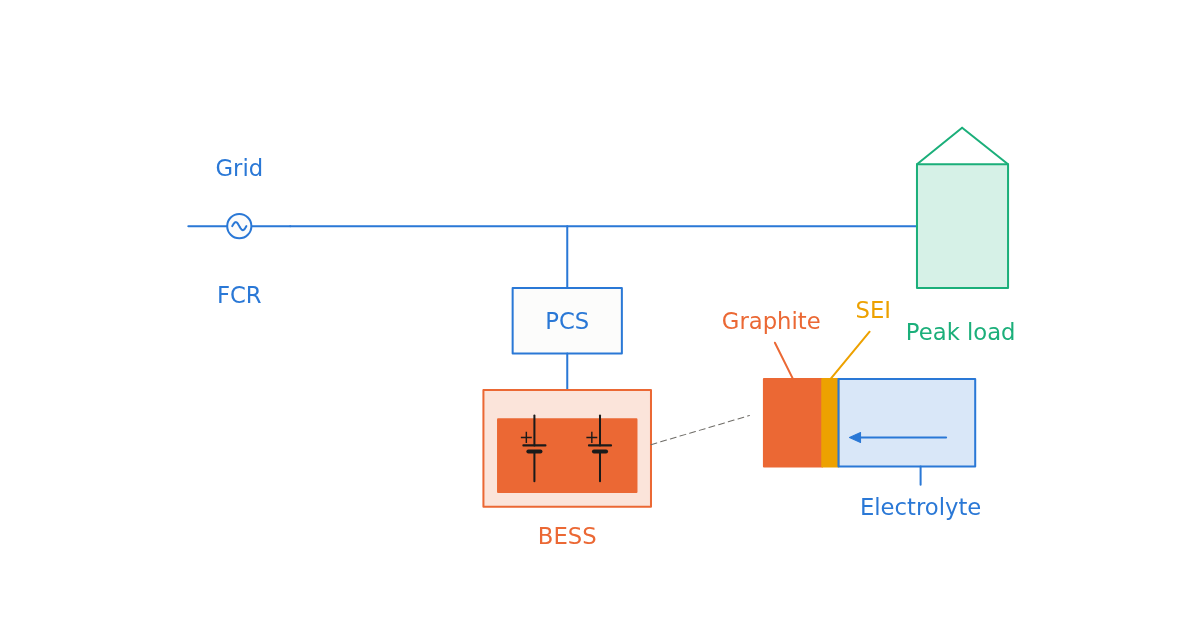
Predict BESS capacity loss, resistance growth and end of life from frequency response and peak shaving using published NMC/LFP ageing models and rainflow counting.
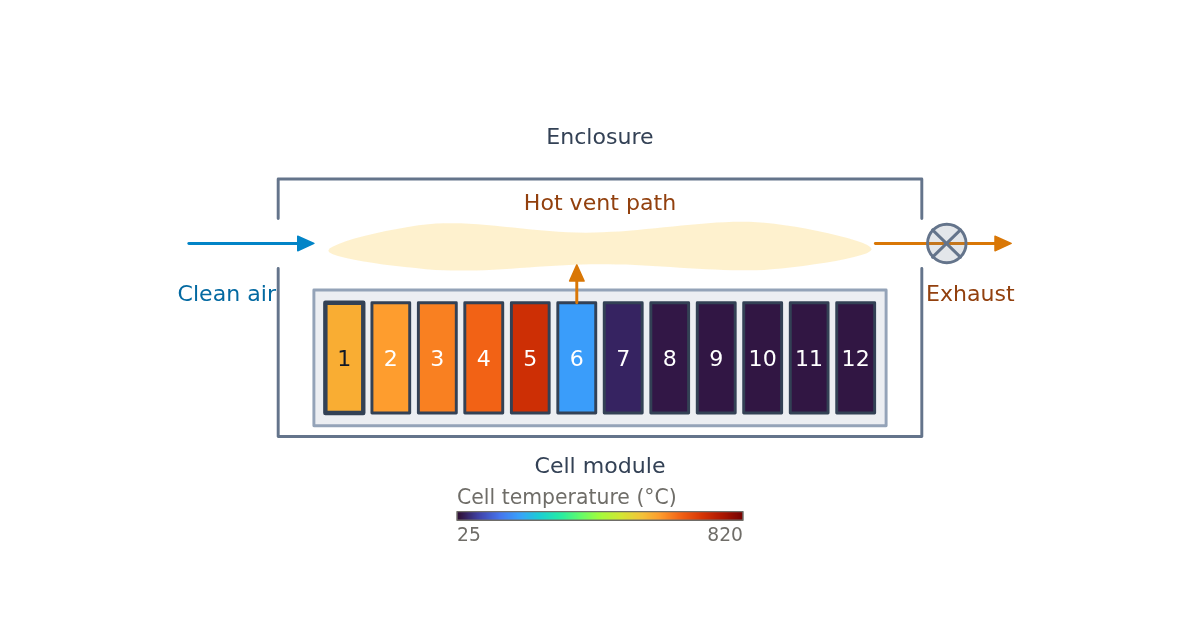
Simulate cell-by-cell thermal runaway propagation and hot vent-gas heating. Track enclosure gas buildup, exhaust dilution, and the 25% LFL threshold.
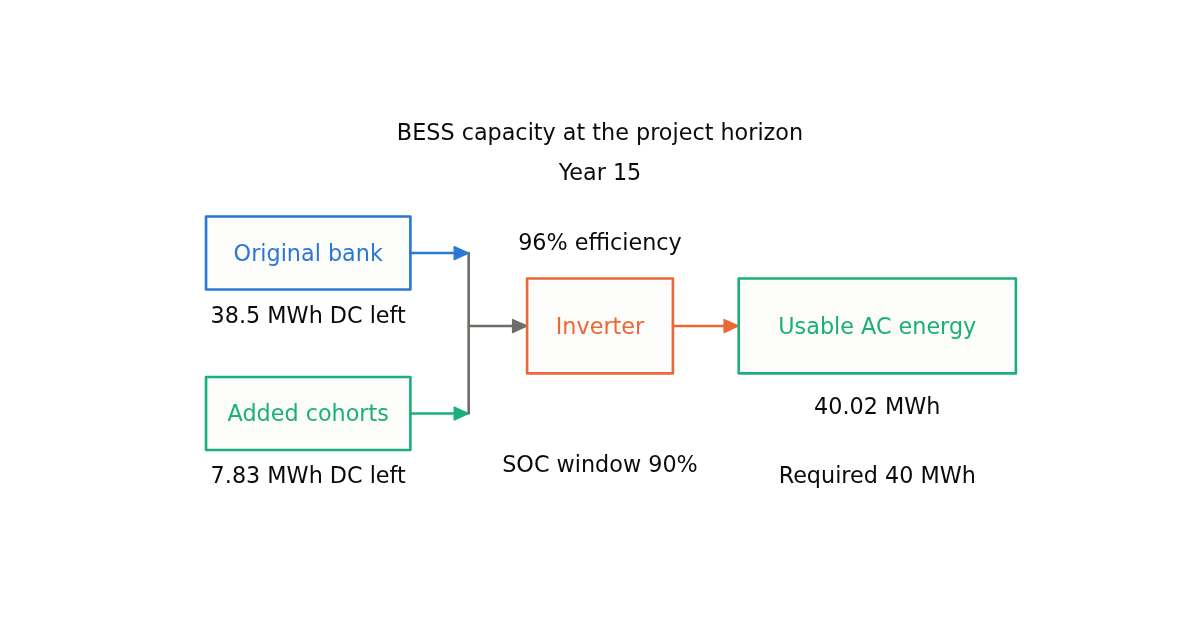
Forecast BESS capacity fade, size battery top-ups by installation window, and estimate their present cost. Compare linear and compounded aging with a cohort-based schedule.
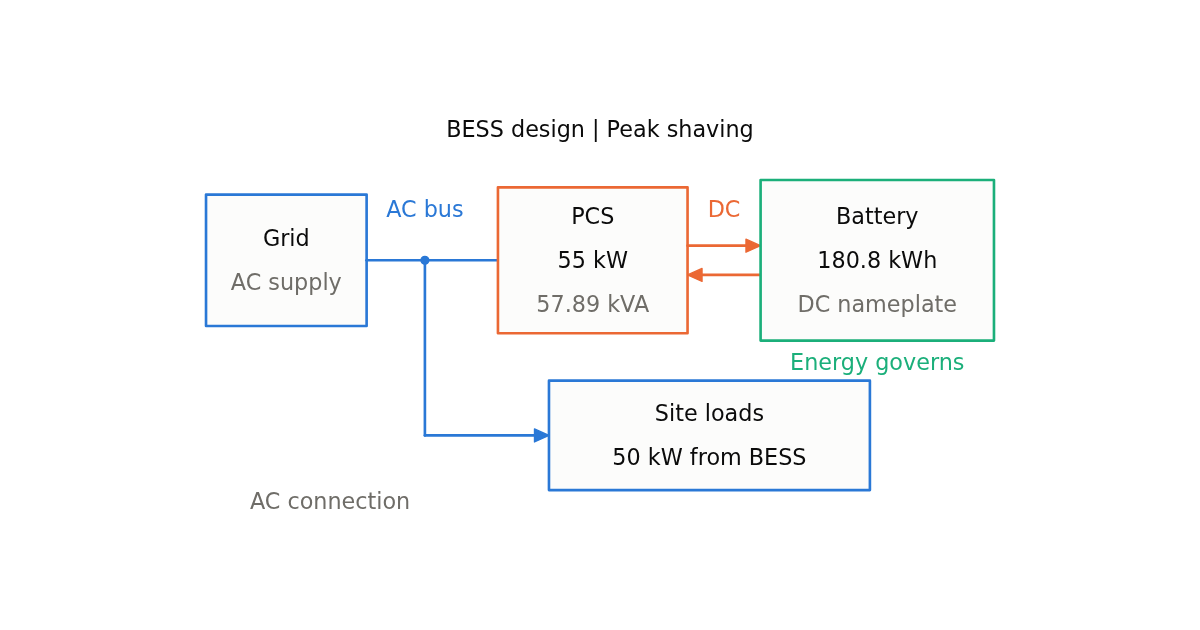
Size a BESS for PV self-consumption, peak shaving or backup. Calculate battery kWh, PCS kW and kVA, C-rate limits, efficiency losses and end-of-life capacity.