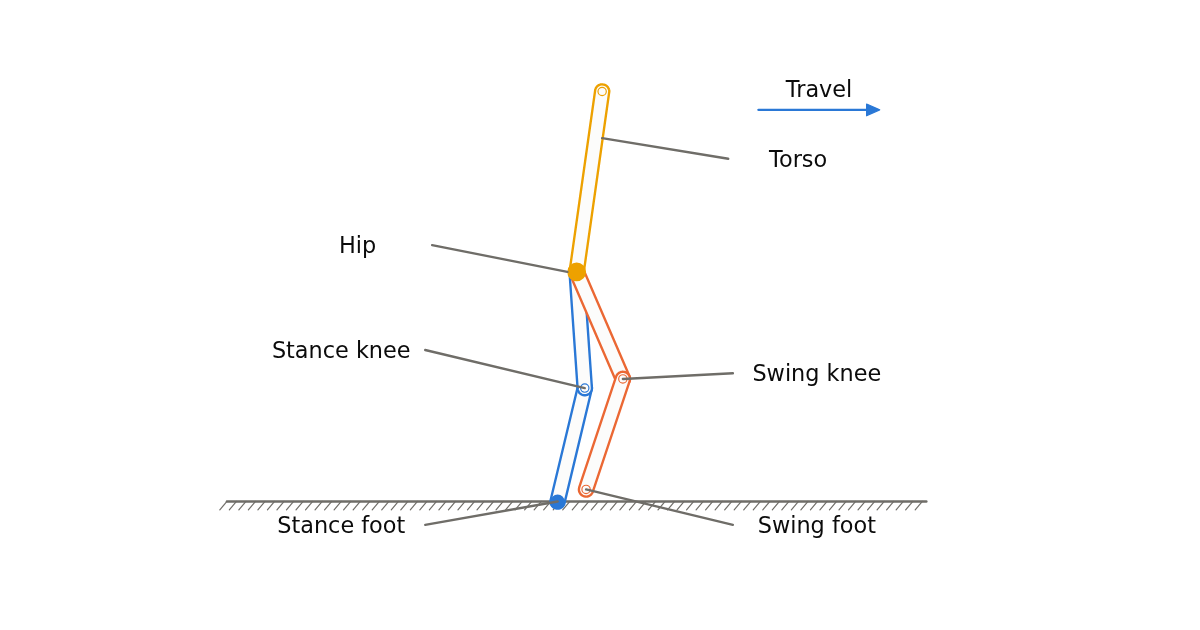
Biped Walking: Compass Gait, Five-Link Walker and Poincaré Stability
 Wired White v2
Find periodic walking gaits, Poincaré multipliers and disturbance margins for a passive compass gait or a full five-link HZD walker. Animate each hybrid step.
Rechner von WiredWhite-Ingenieuren: Eingaben, lesbare Formeln, Ergebnisse, Diagramme und Zeichnungen, geprüft an Referenzfällen. Sie laufen in Ihrem Browser.
Wired White v2 Find periodic walking gaits, Poincaré multipliers and disturbance margins for a passive compass gait or a full five-link HZD walker. Animate each hybrid step.
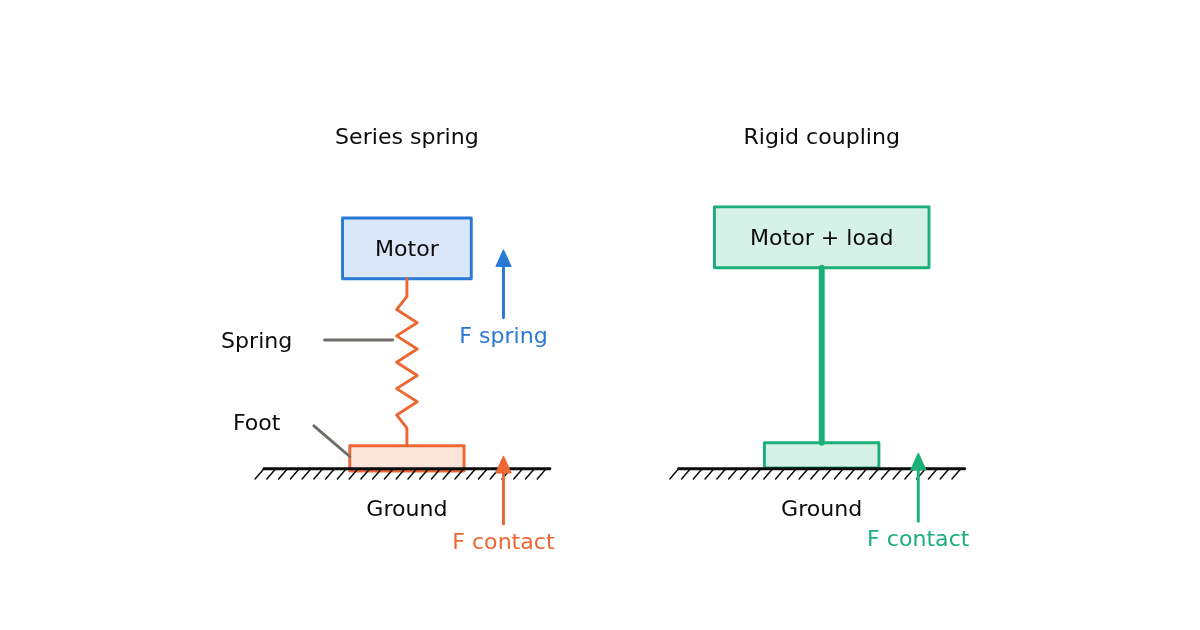
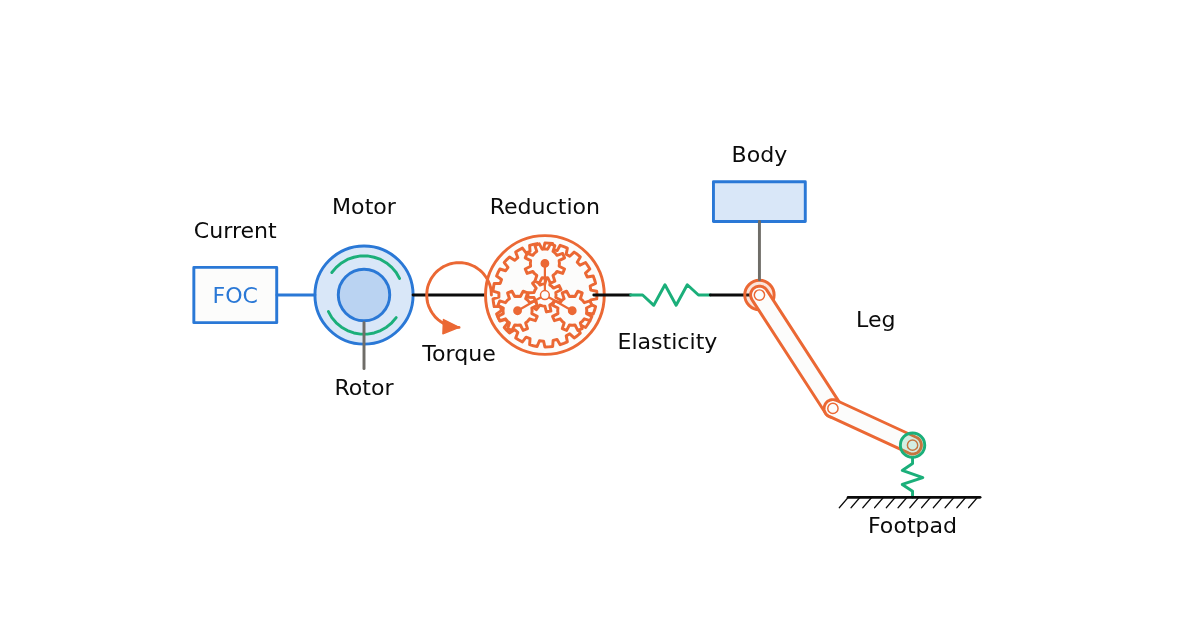
Wired White v2 Size an SEA spring for robot-leg impacts and force control. Compare nonlinear impact forces, spring travel, motor-limited bandwidth and output impedance across stiffness.
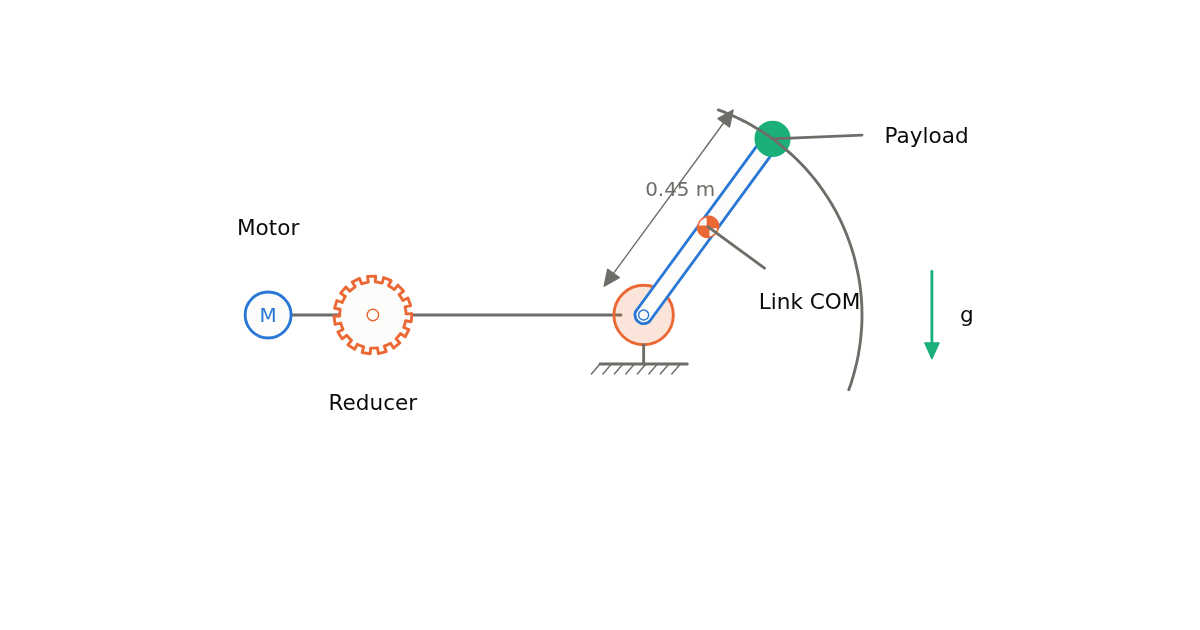
Wired White v2 Size a robot joint motor from a time–angle table or smooth trajectory. Check RMS and peak torque, the speed–torque curve, and winding temperature over repeated cycles.
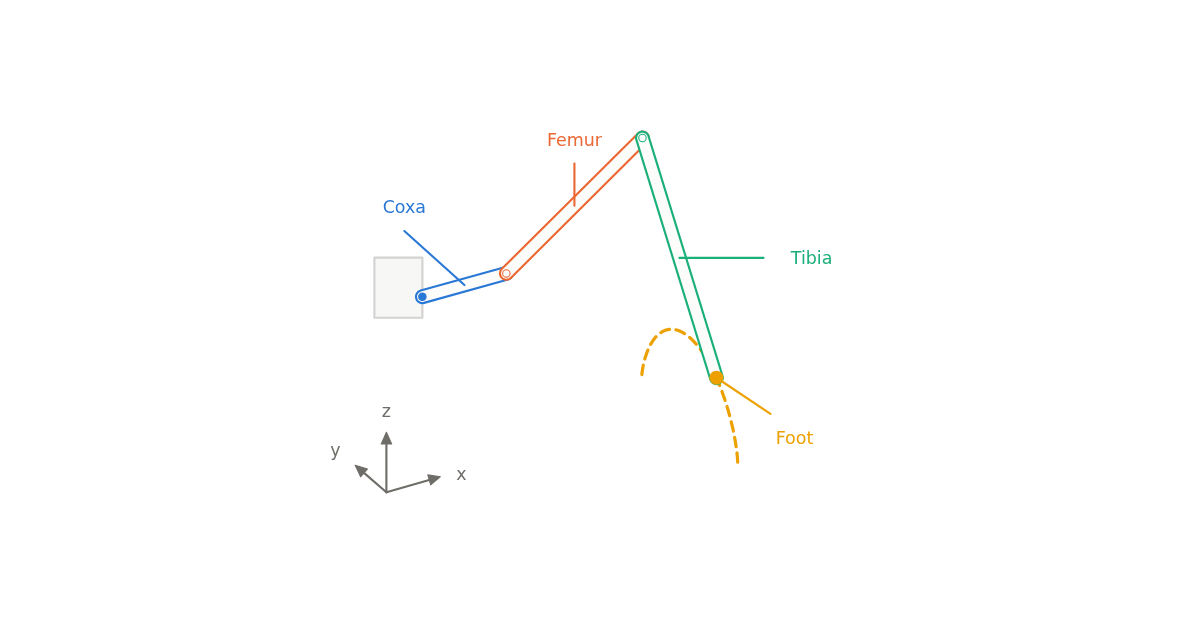
Wired White v2 Calculate 3-DOF coxa–femur–tibia joint angles and speeds for a cycloidal swing. Animate the leg and explore joint-limited workspace and velocity manipulability.
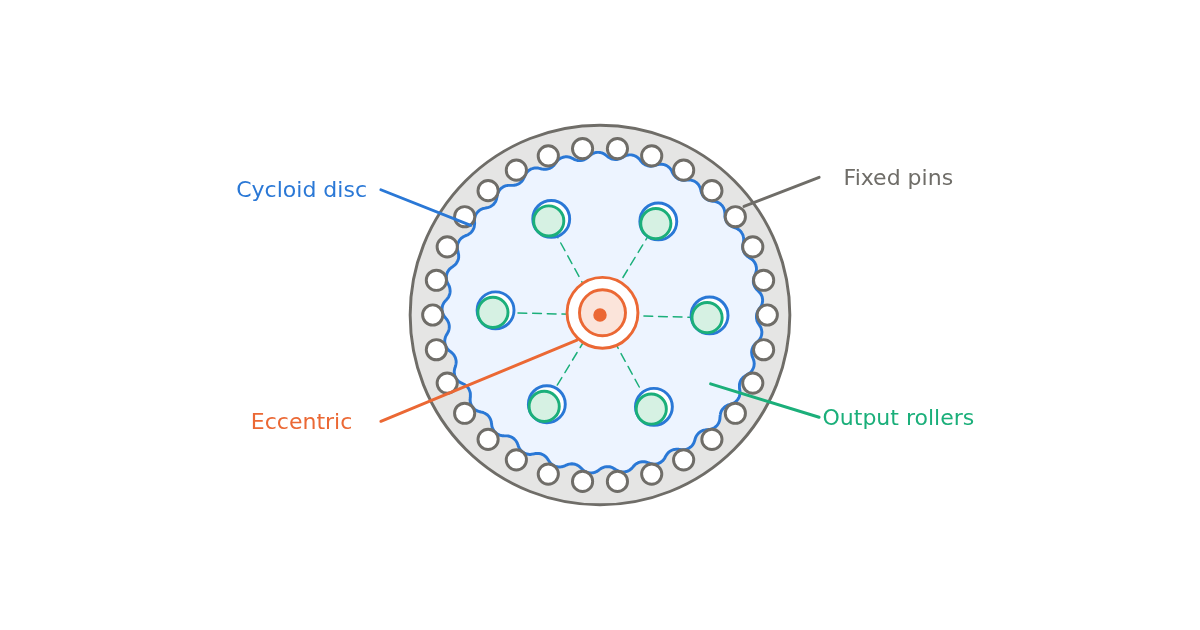
Wired White v2 Size a robot joint reducer using modified cycloid profiles or involute planetary meshes. Solve contact loads, Hertz pressure, torsional stiffness and clearance-driven backlash.
Wired White v2 Can a humanoid stop after a push? Calculate capture point and DCM motion, finite-foot N-step capture regions, touchdown deadlines and recovery foot placements.
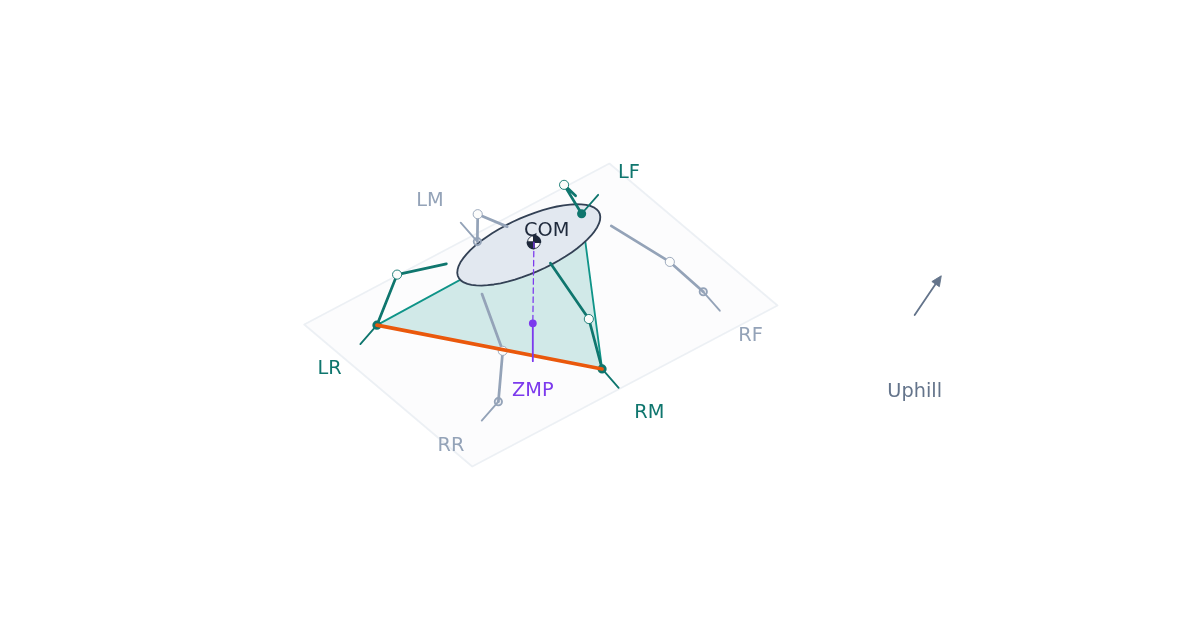
Wired White v2 Compare tripod, ripple and wave gaits on slopes and uneven footholds. Evaluate static margin, tipping energy, force-angle reserve and body-acceleration ZMP through a complete cycle.
Wired White v2 Size a quasi direct drive robot joint: compare gear ratios, reflected inertia, torque bandwidth and voltage limits, then simulate winding and housing heating during running and jumping.
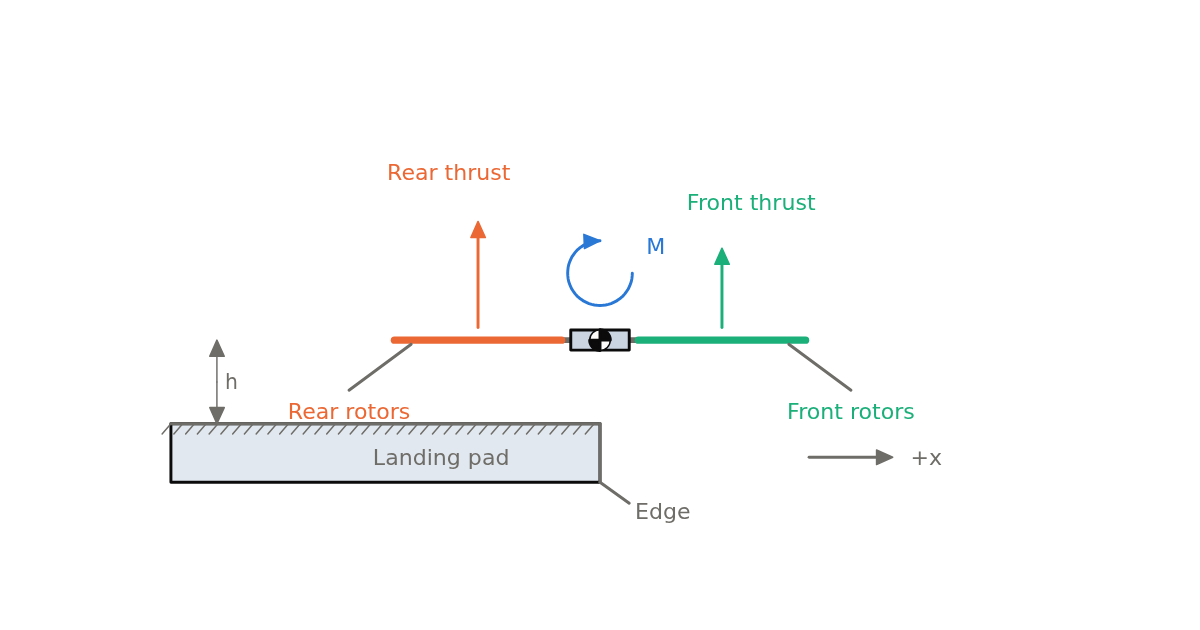
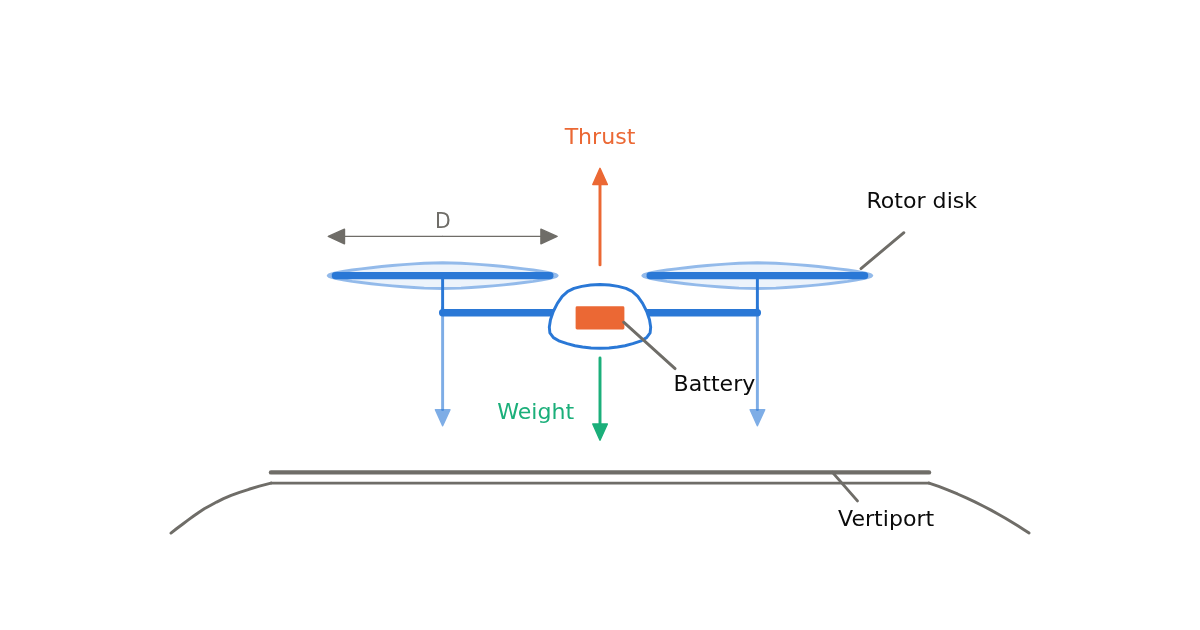
Wired White v2 Estimate quadcopter hover thrust gain, power saving and pitch moment near a landing-pad edge using Cheeseman–Bennett, Hayden and multirotor image-source models.
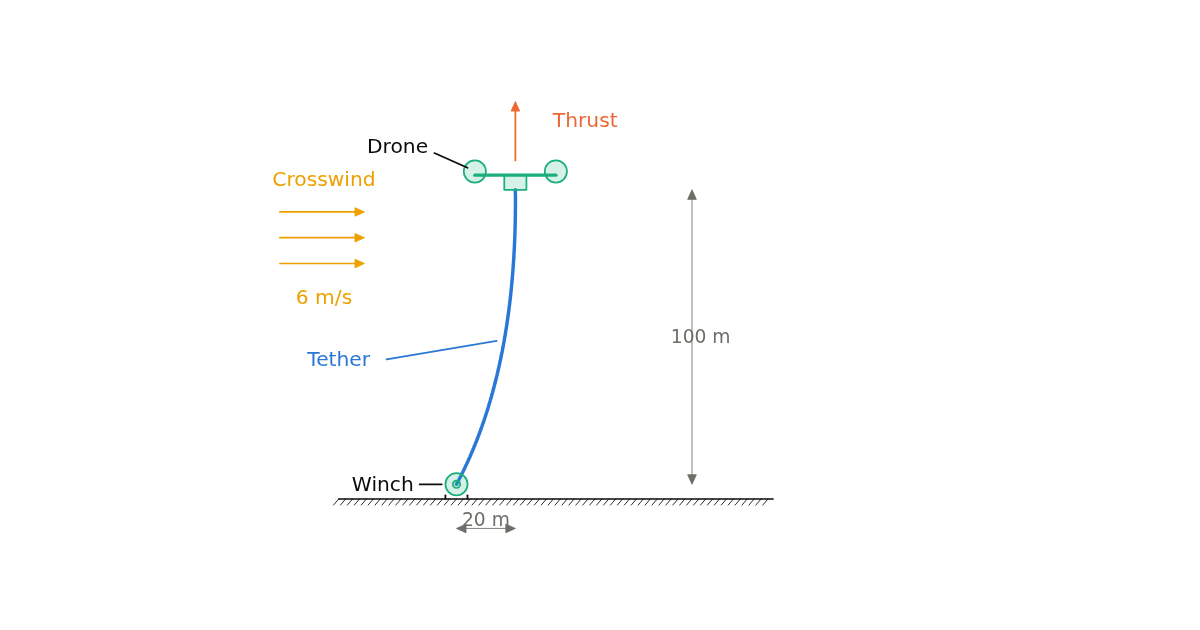
Wired White v2 Size a tethered drone’s DC conductors and voltage. Solve elastic cable shape in crosswind, endpoint tension, extra thrust and the altitude limit along a specified payout route.
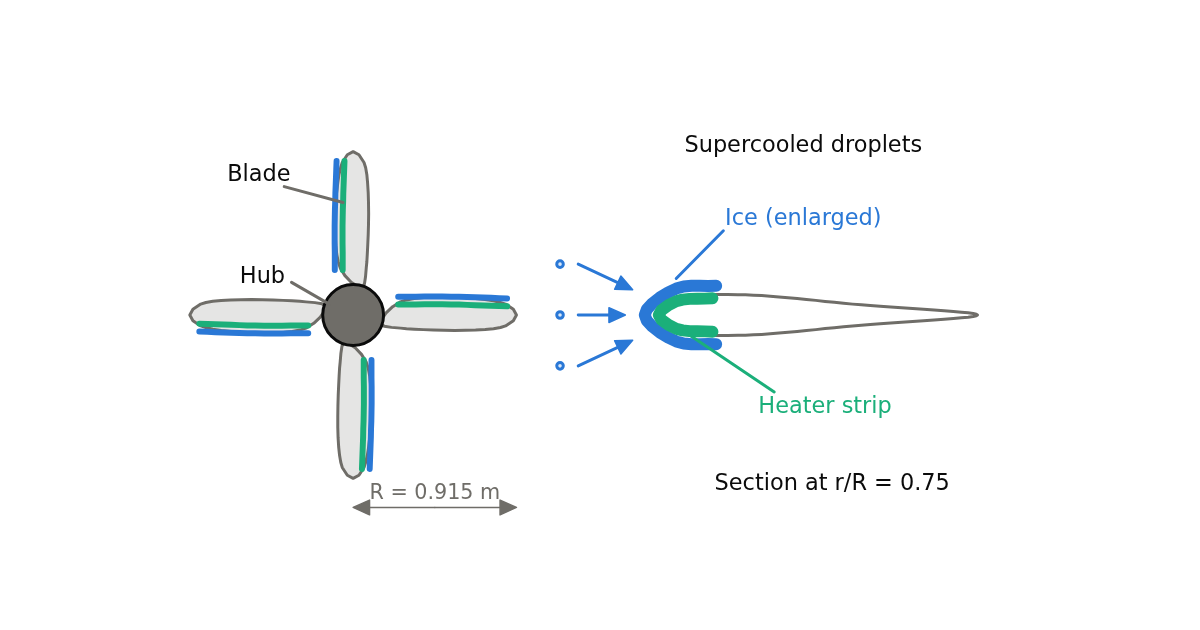
Wired White v2 Calculate rotor ice growth, Messinger freezing fraction, blade-element power penalty, and running-wet or evaporative heater demand along the blade.
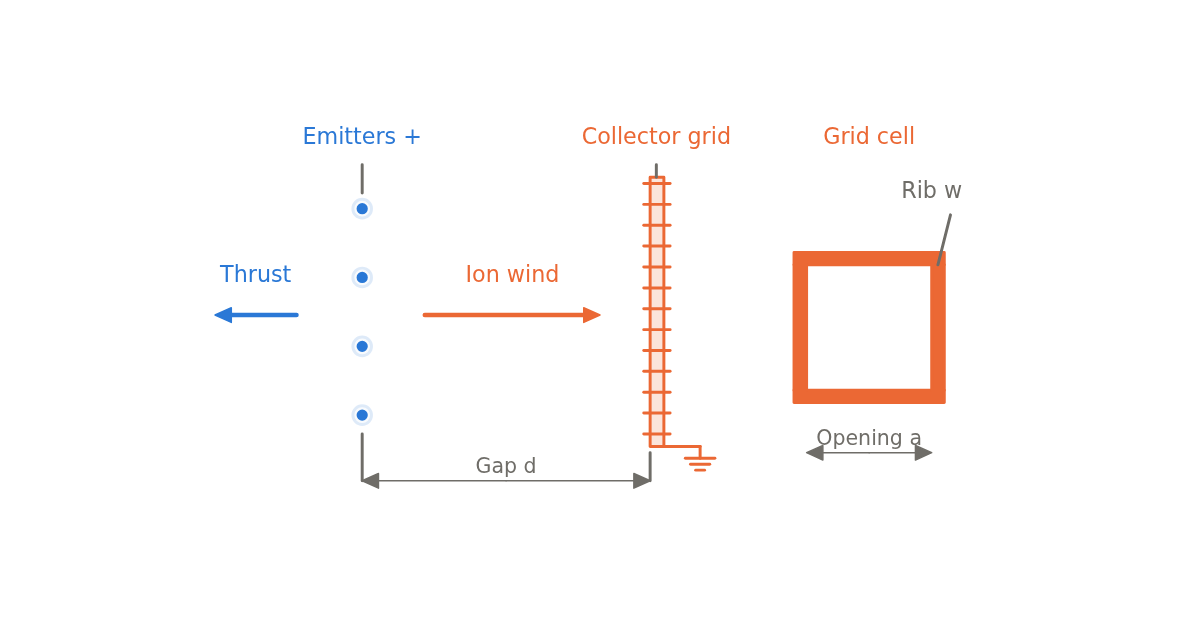
Wired White v2 Estimate ion-wind thrust, thrust density and thrust per watt from corona onset and Townsend current. Size emitter arrays, collector grids and repeated stages.
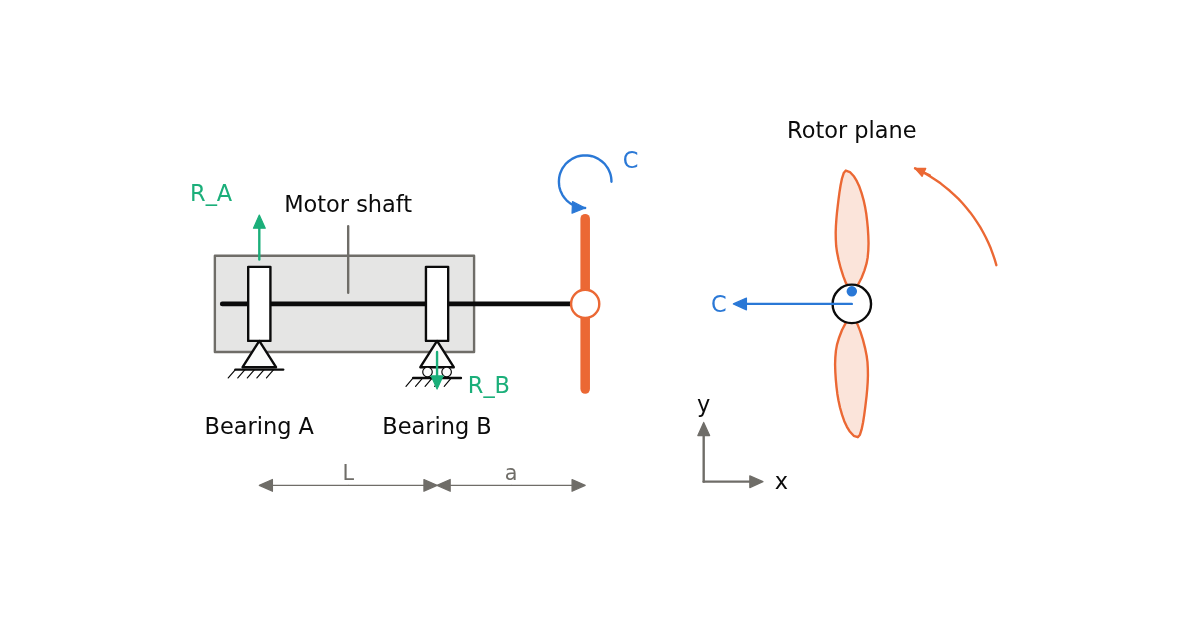
Wired White v2 Calculate drone propeller gyroscopic moments, two-blade oscillation, motor shaft bending and bearing reactions, with a Goodman fatigue check.
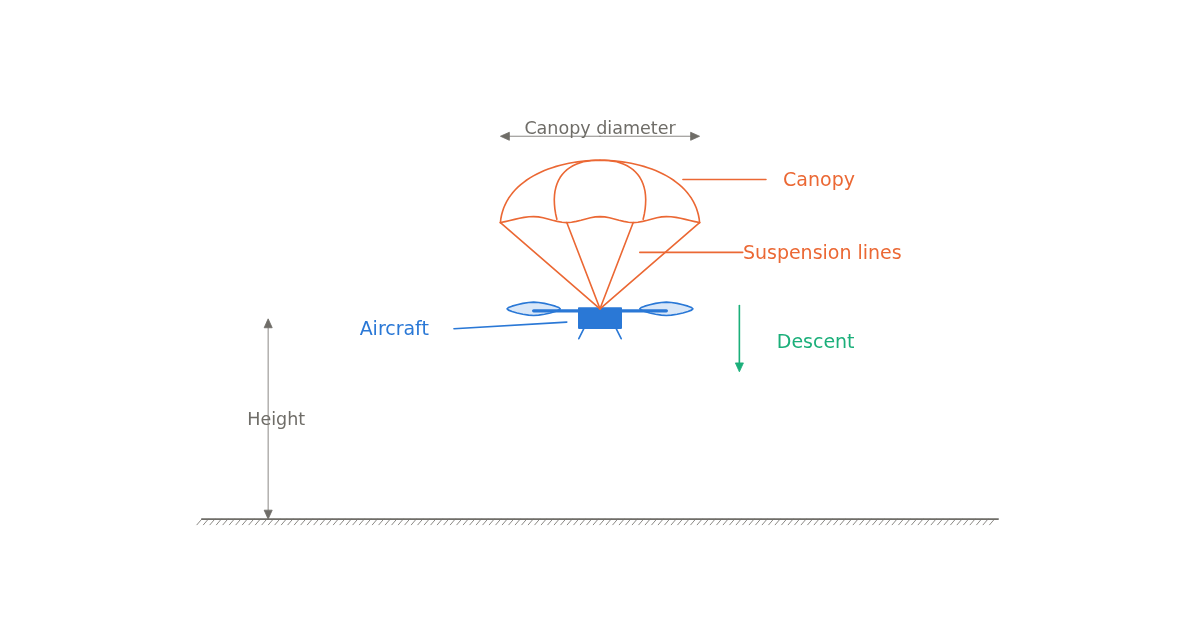
Wired White v2 Model emergency drone parachute descent from hover or cruise, including deployment height, opening load, touchdown energy, rotor states and hybrid glide.
Wired White v2 Check altitude and cold-weather hover using ISA density, rotor RPM, blade-loading and tip-Mach limits, battery voltage sag, thrust reserve and hover time.
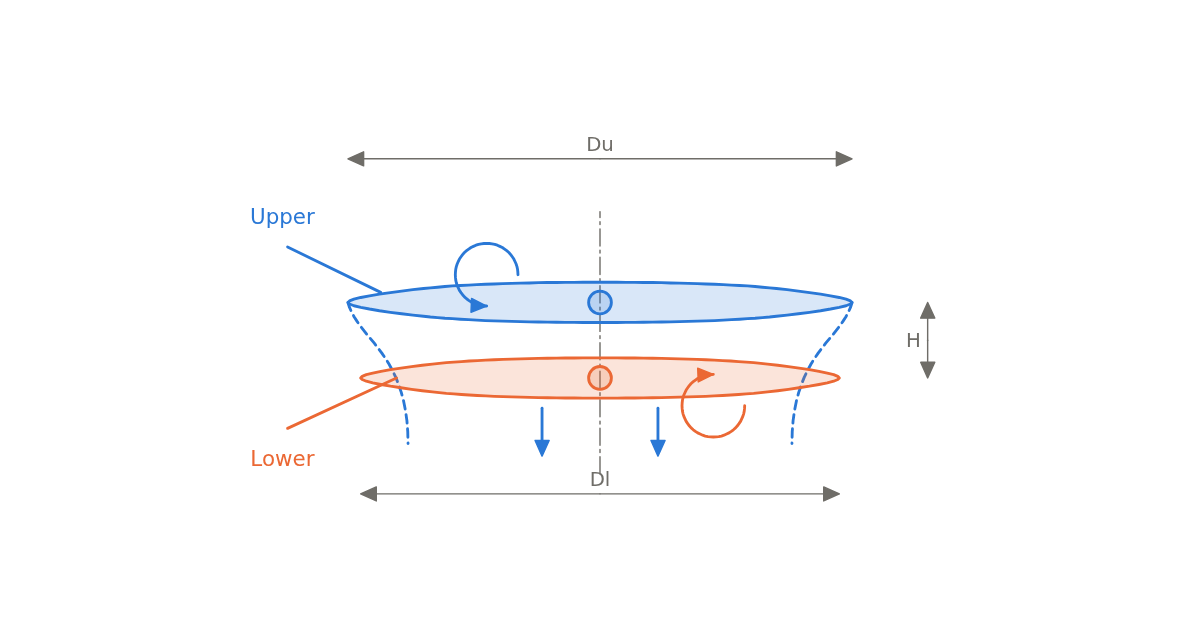
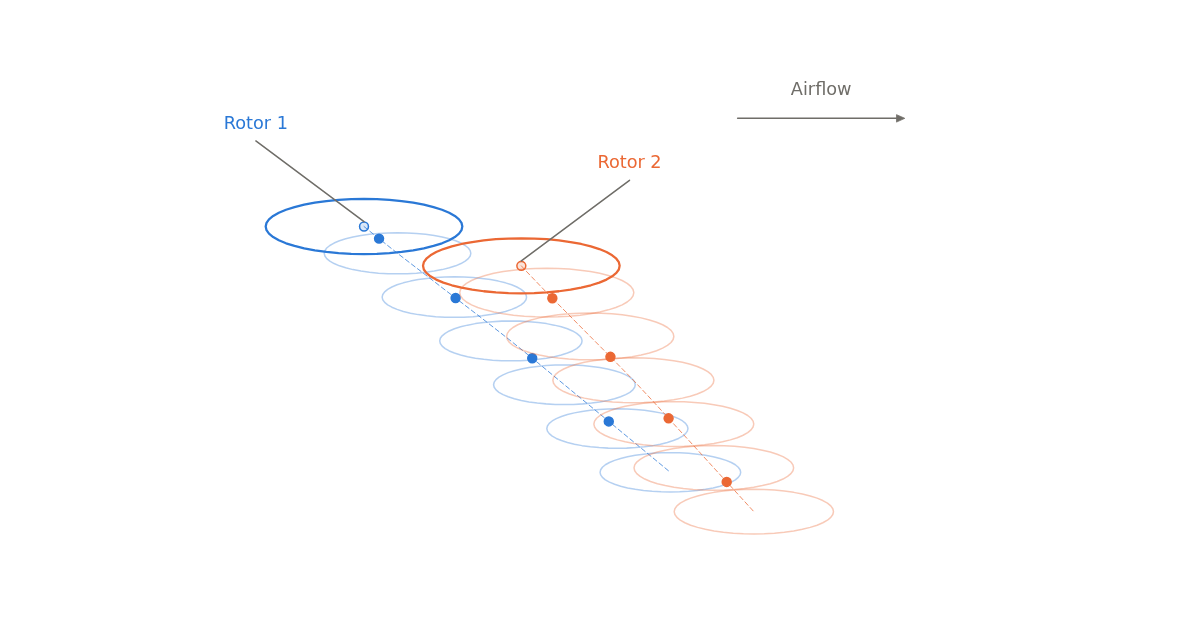
Wired White v2 Compare rotor spacing, diameter ratio and pitch offset using coupled blade-element momentum theory. Find a torque-balanced hover design and its figure of merit.
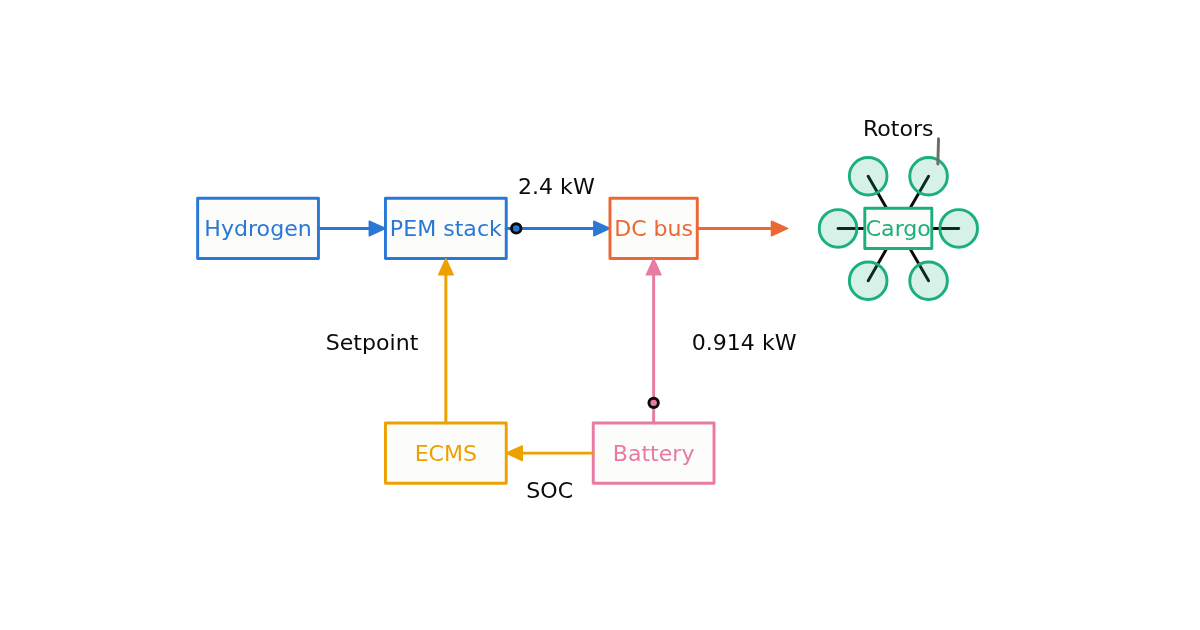
Wired White v2 Simulate a cargo drone mission with SOC-dependent ECMS, PEM polarization and a dynamic battery. Compare hydrogen use and climb support with a rule-based split.
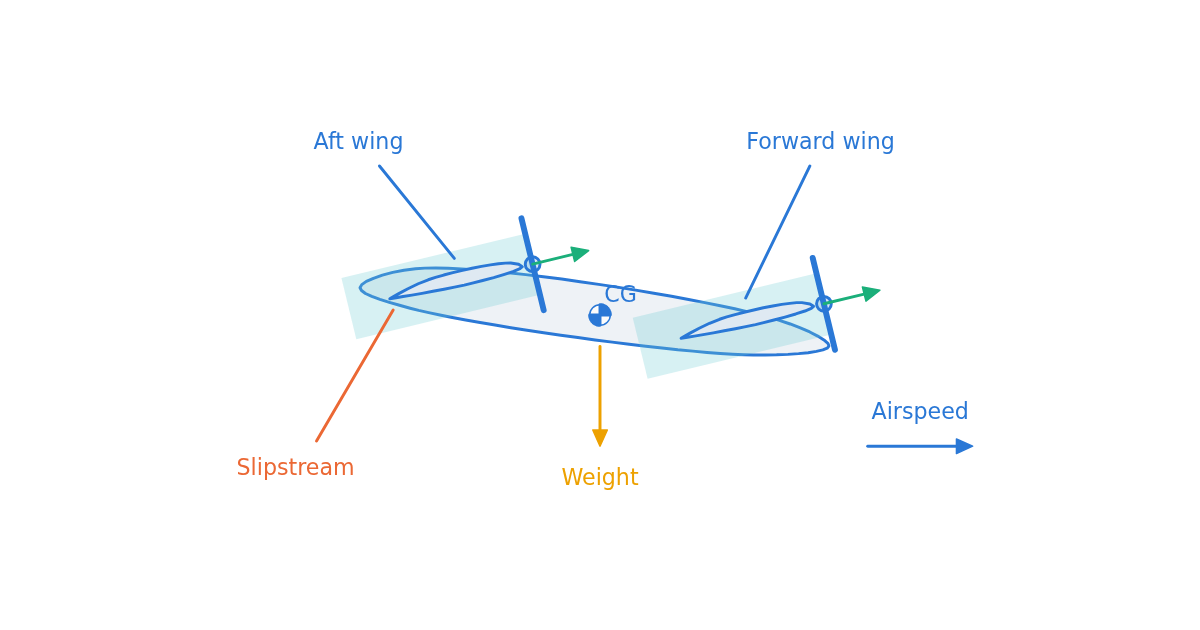
Wired White v2 Map airspeed against wing tilt using coupled force and pitch equilibrium, propeller slipstream, wing stall, thrust and power limits. Inspect a chosen transition path.
Wired White v3 Estimate directional eVTOL approach noise from rotor loading, thickness, blade-vortex interaction and broadband self-noise. Explore ground dBA contours and the BVI contribution.
Wired White v2 Estimate thrust loss at fixed power or added power at held thrust for interacting eVTOL rotors. Includes conservative contracting vortex-ring wakes, forward-flight skew and marked sensitivity sweeps.
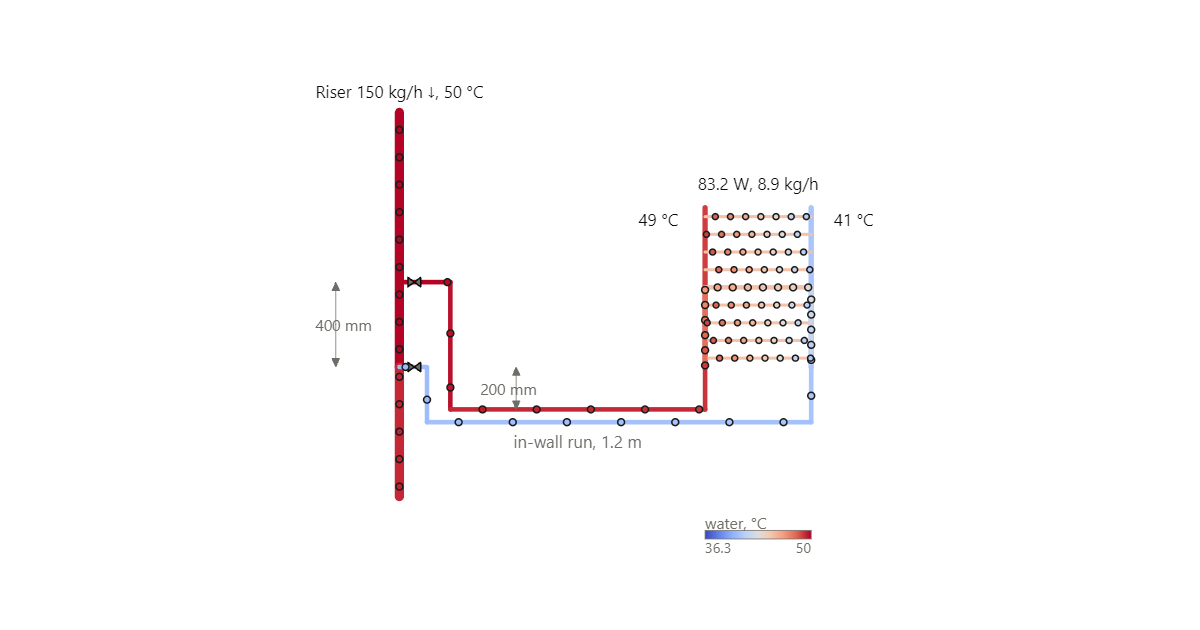
Will a towel warmer moved to another wall still heat by gravity from the hot-water riser? Flow, temperatures and heat output for your pipes, bends and heights, with the stall and backward-flow cases.
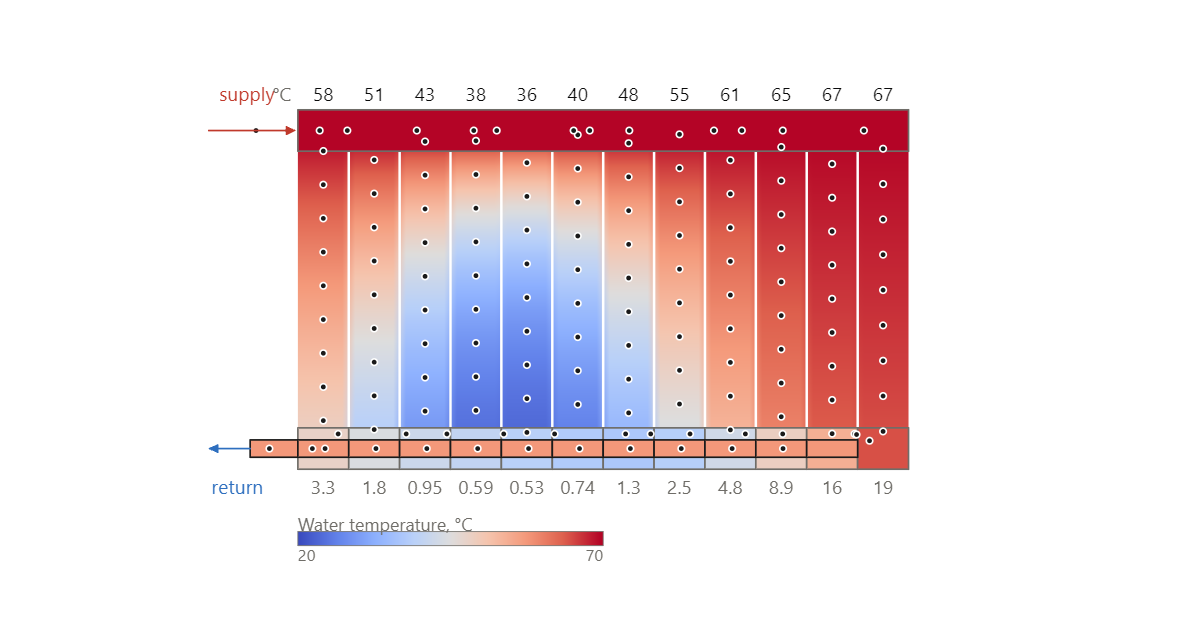
Flow and temperature of every section of a sectional radiator connected on one side, diagonally, or through a flow extender tube (pseudo-diagonal), and the hole size that makes a perforated extender heat evenly.
Wired White v2 Calculate cavity Reynolds number, primary vortex position and centreline velocities. Compare two CFD grids, inspect residuals and animate tracers through the computed flow.
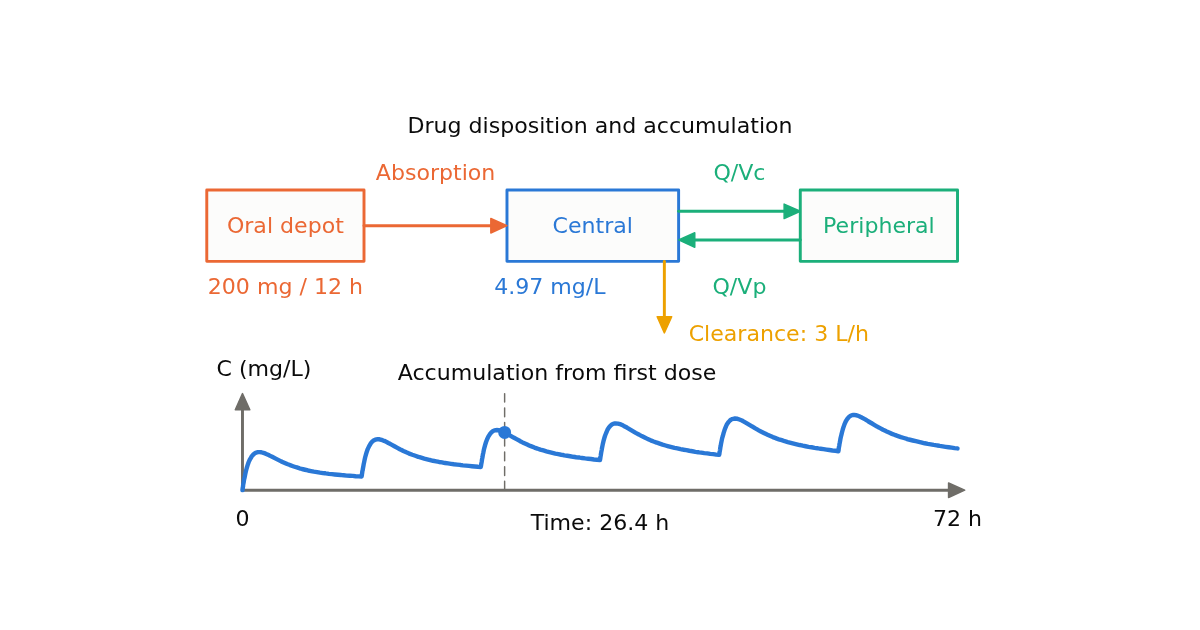
Wired White v2 Simulate repeated oral doses or IV boluses with one- and two-compartment pharmacokinetics. Compare accumulation, steady-state peaks, troughs and clearance scenarios.
Please confirm you want to block this member.
You will no longer be able to:
Please allow a few minutes for this process to complete.