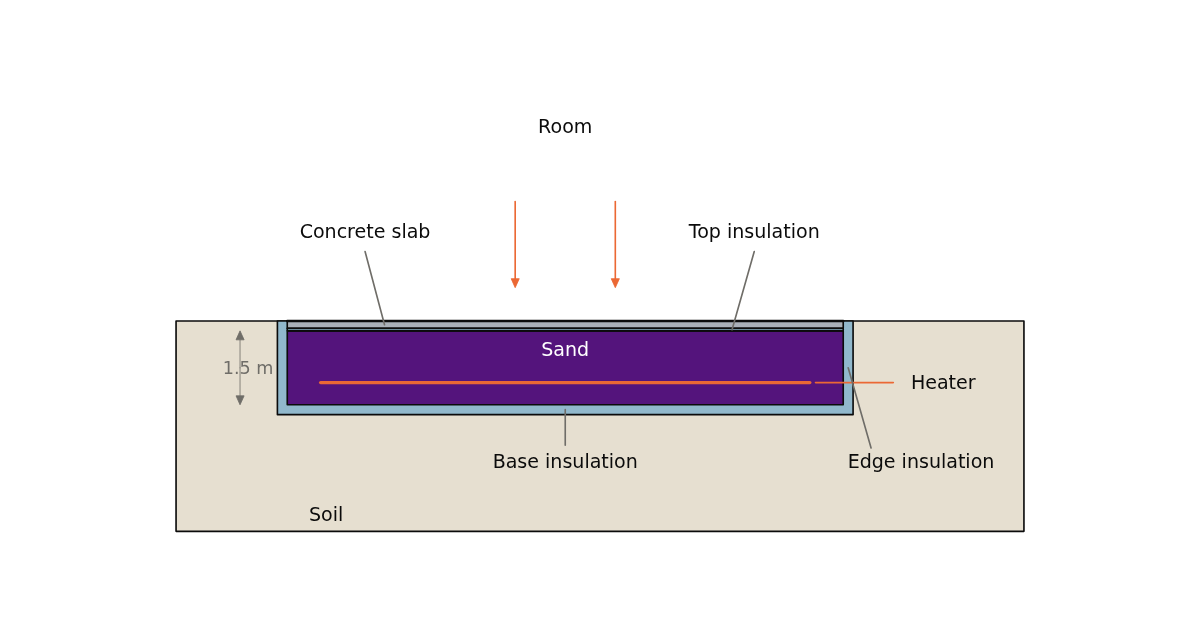
Modellieren Sie ein Jahr Wärmeleitung in einem Sandwärmespeicher unter der Bodenplatte. Vergleichen Sie gespeicherte PV-Wärme, Erdreich- und Randverluste, Fußbodentemperatur im Januar sowie Dämmung und Sandschichtdicke.
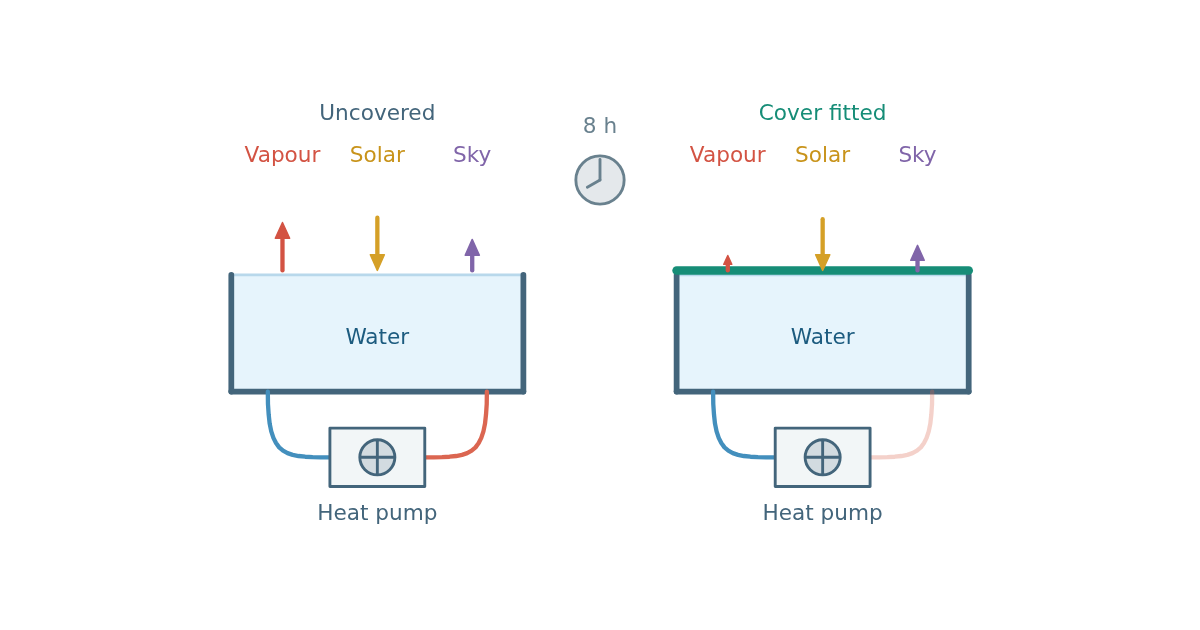
Vergleichen Sie die täglichen Heizkosten, die Verdunstung und die Wassertemperatur mit und ohne Abdeckung. Modellieren Sie den stündlichen Wetterverlauf, die Leistungsdaten der Wärmepumpe und eine frei wählbare Heizdauer.
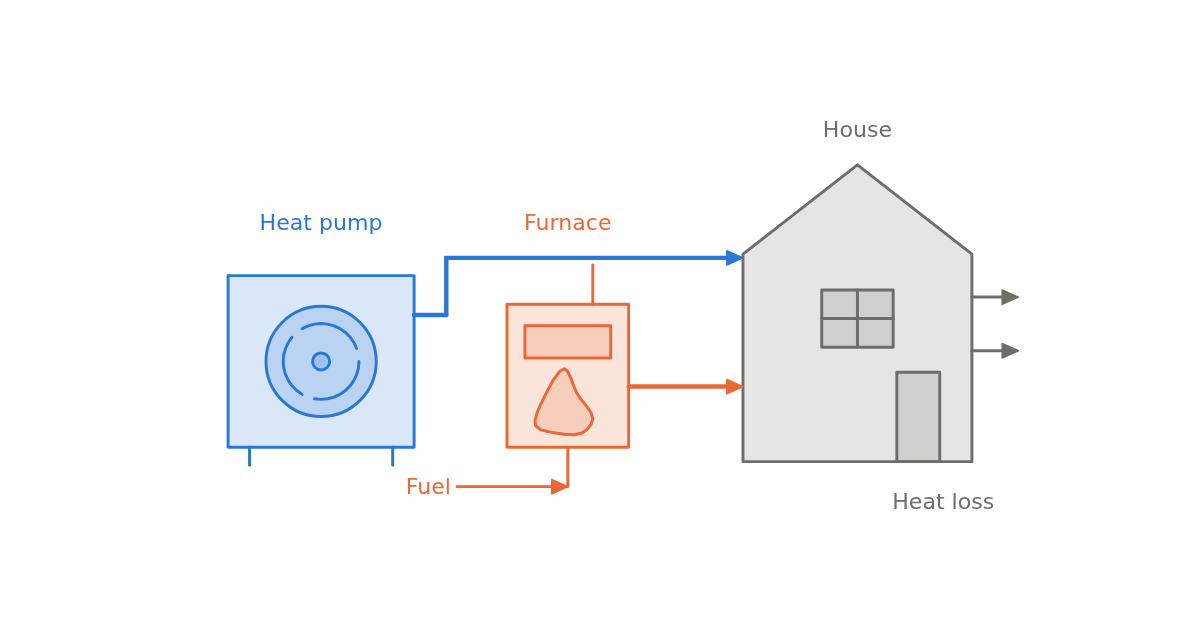
Ermitteln Sie die wirtschaftliche und thermische Bivalenztemperatur. Vergleichen Sie anschließend Winterkosten und CO₂-Emissionen für Wärmepumpe mit Elektro-Zusatzheizung, bivalenten Betrieb und Warmlufterzeuger anhand anpassbarer lokaler Temperaturklassen.
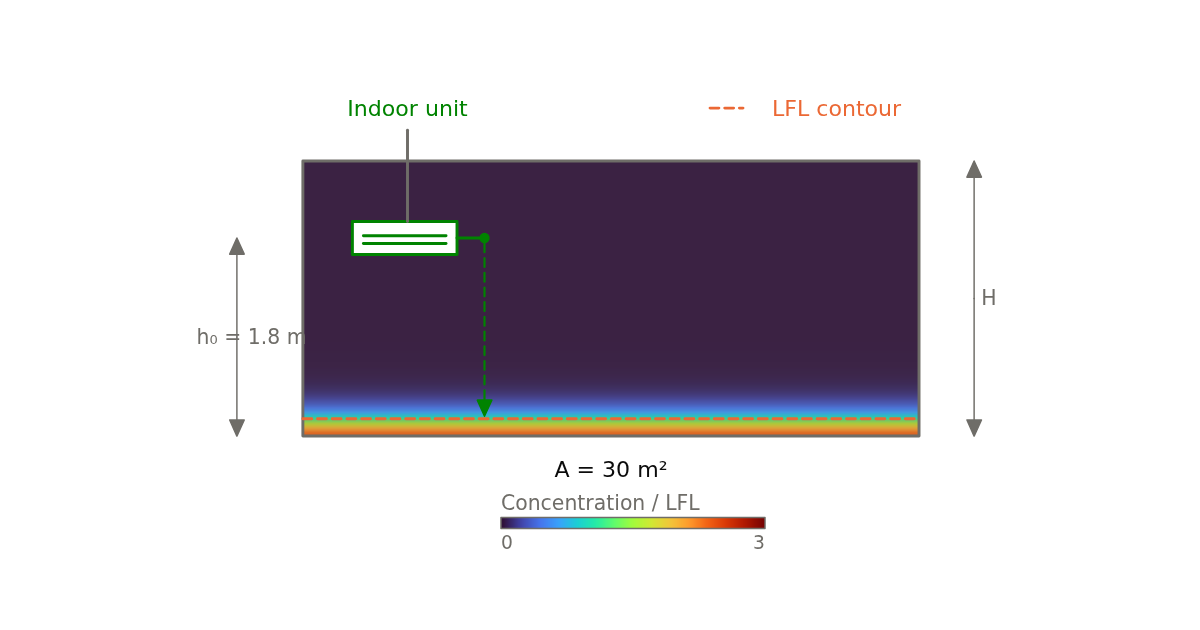
Vergleichen Sie R290-Füllmengengrenzen abhängig von Raumgrundfläche und Freisetzungshöhe. Untersuchen Sie Leckströmung, bodennahe Anreicherung, Luftwechsel und Detektorreaktion sowie die Bemessung für R32.
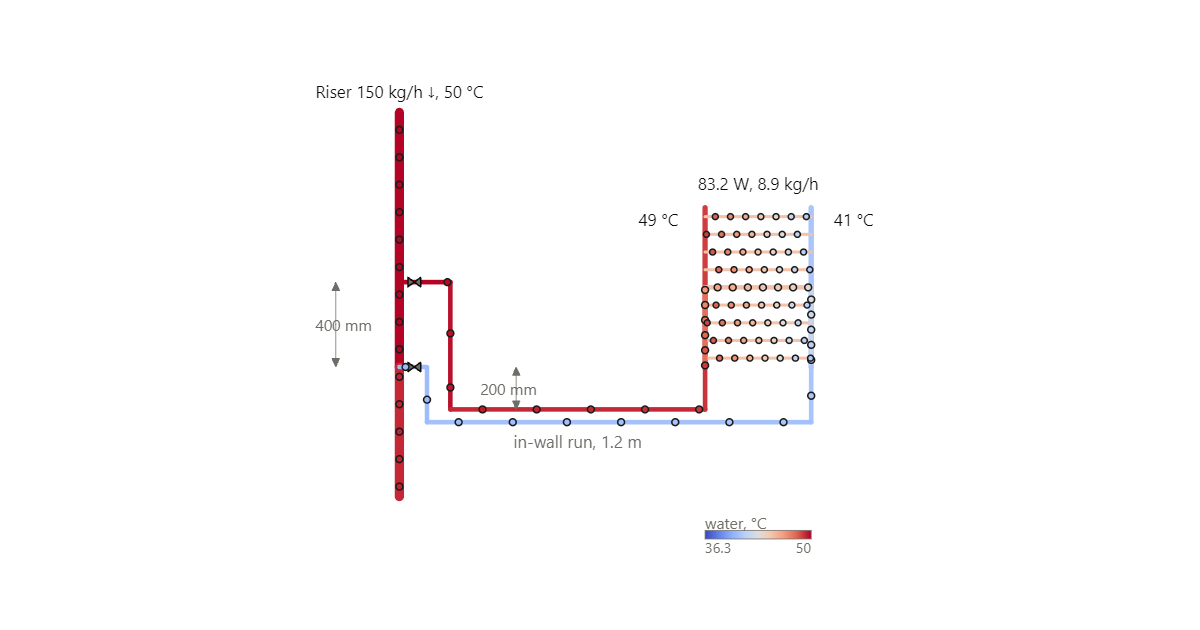
Will a towel warmer moved to another wall still heat by gravity from the hot-water riser? Flow, temperatures and heat output for your pipes, bends and heights, with the stall and backward-flow cases.
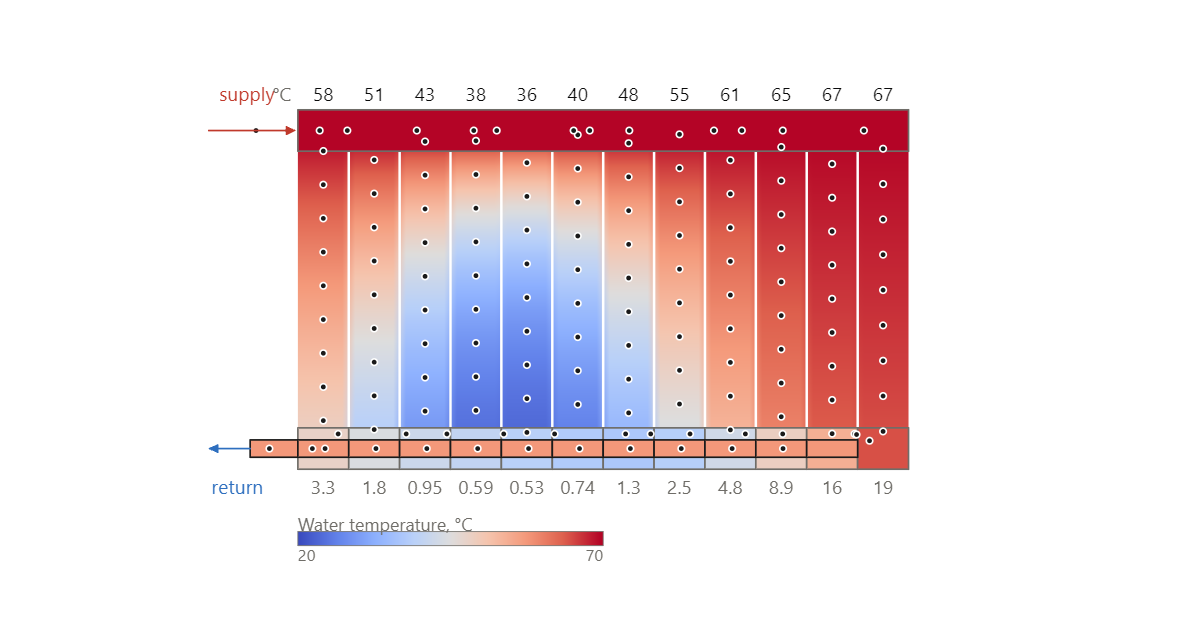
Flow and temperature of every section of a sectional radiator connected on one side, diagonally, or through a flow extender tube (pseudo-diagonal), and the hole size that makes a perforated extender heat evenly.
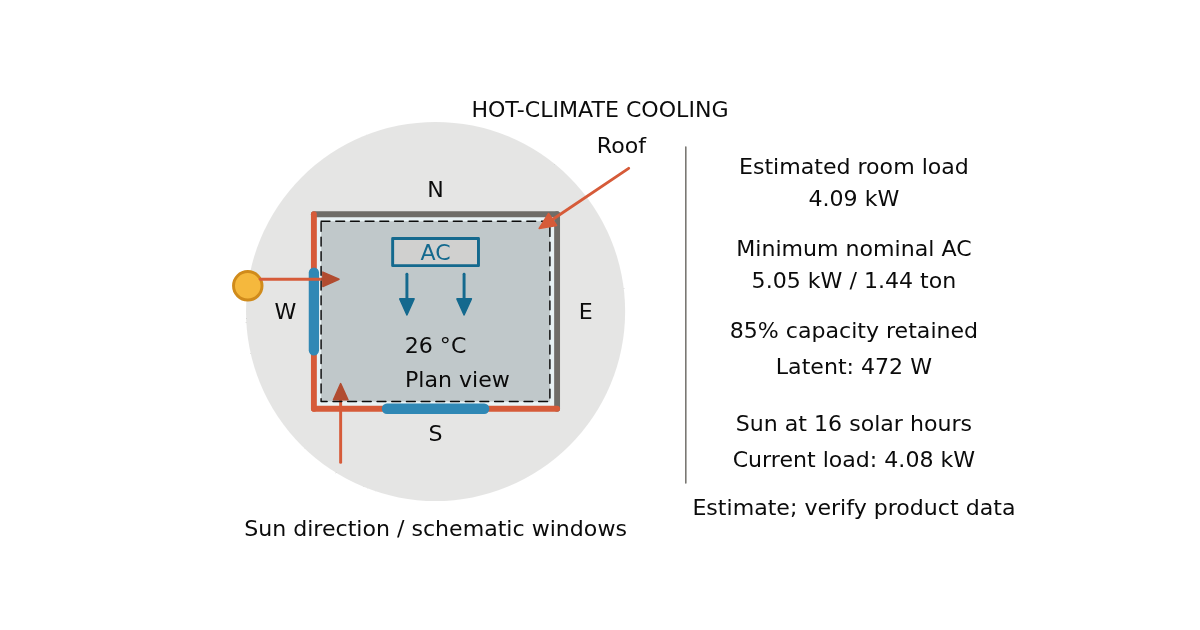
Estimate room cooling load and AC size at 40–50 °C, including roof exposure, solar gain, humidity and high-ambient capacity loss. Compare running-cost scenarios by set temperature.
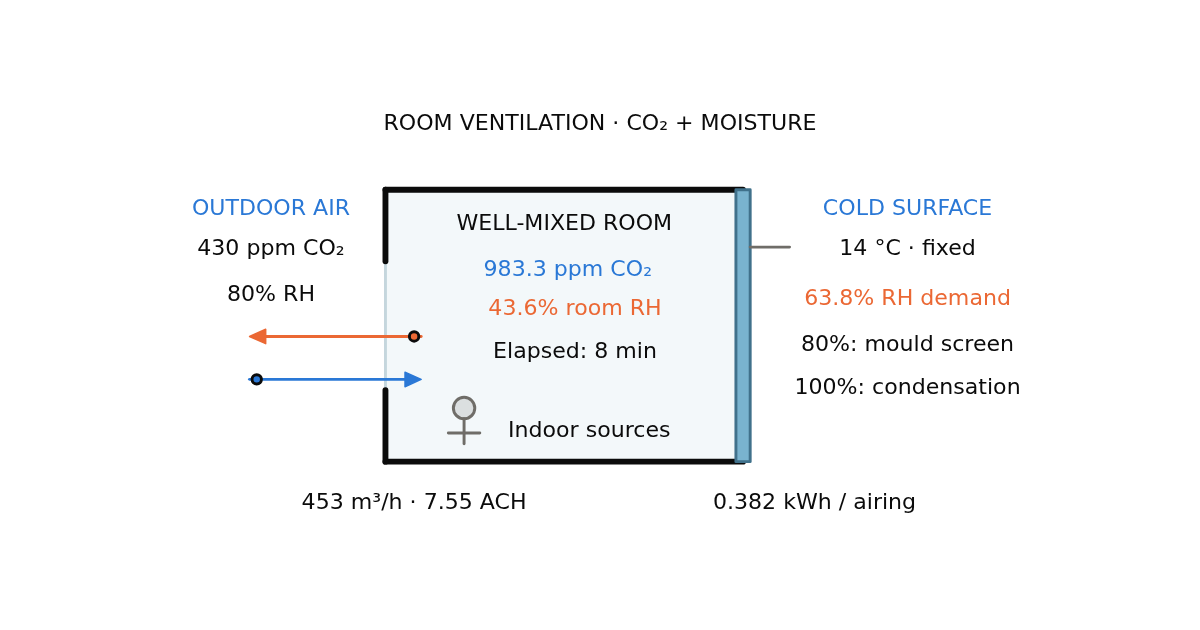
Estimate window airing time from CO₂ and moisture balances. Compare cold-surface humidity, sensible heat loss and mechanical heat recovery, with animated room-air curves.
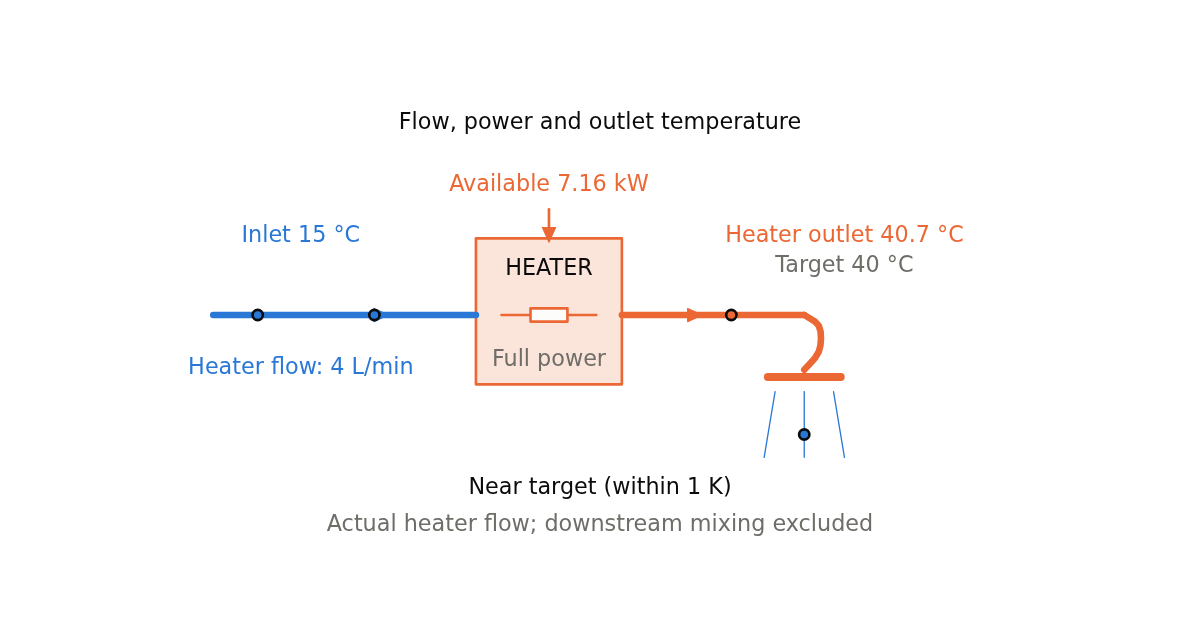
Size instant hot-water capacity from flow and winter inlet temperature. Compare electric current, cable voltage drop, breaker inputs, Japanese go ratings and shower cost.
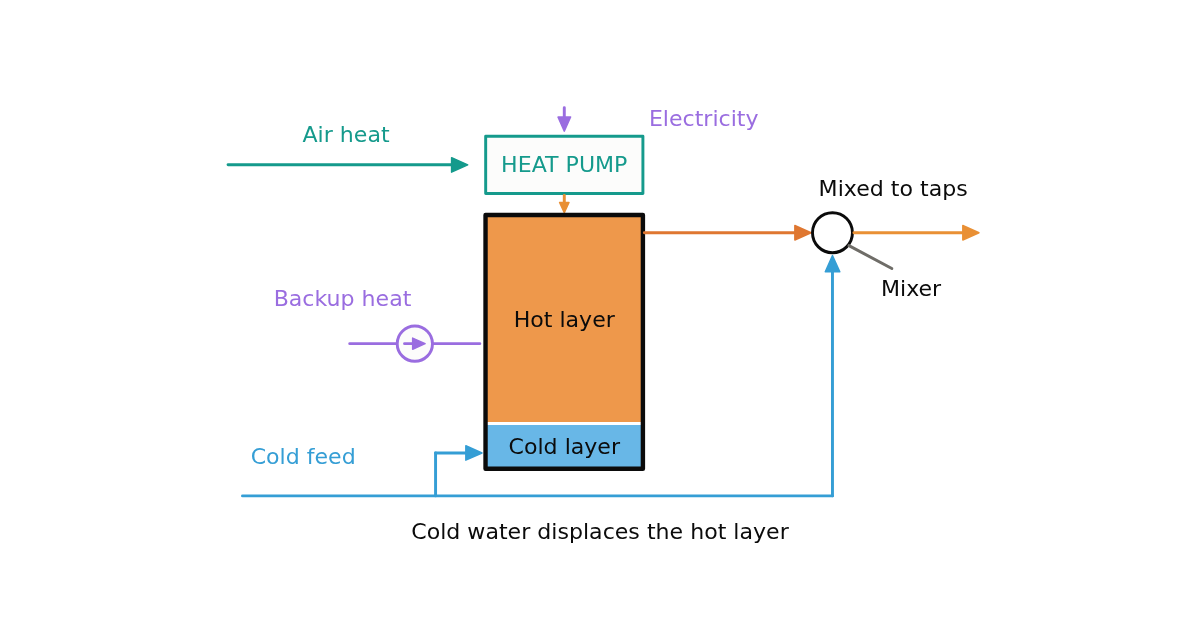
Bemessen Sie einen Warmwasserspeicher anhand des Mischwasserbedarfs, schätzen Sie Aufheizzeit und Bereitschaftswärmeverlust ab und bewerten Sie Strombedarf, Bedarfsdeckung im Heizzeitfenster und Amortisation einer Warmwasser-Wärmepumpe.
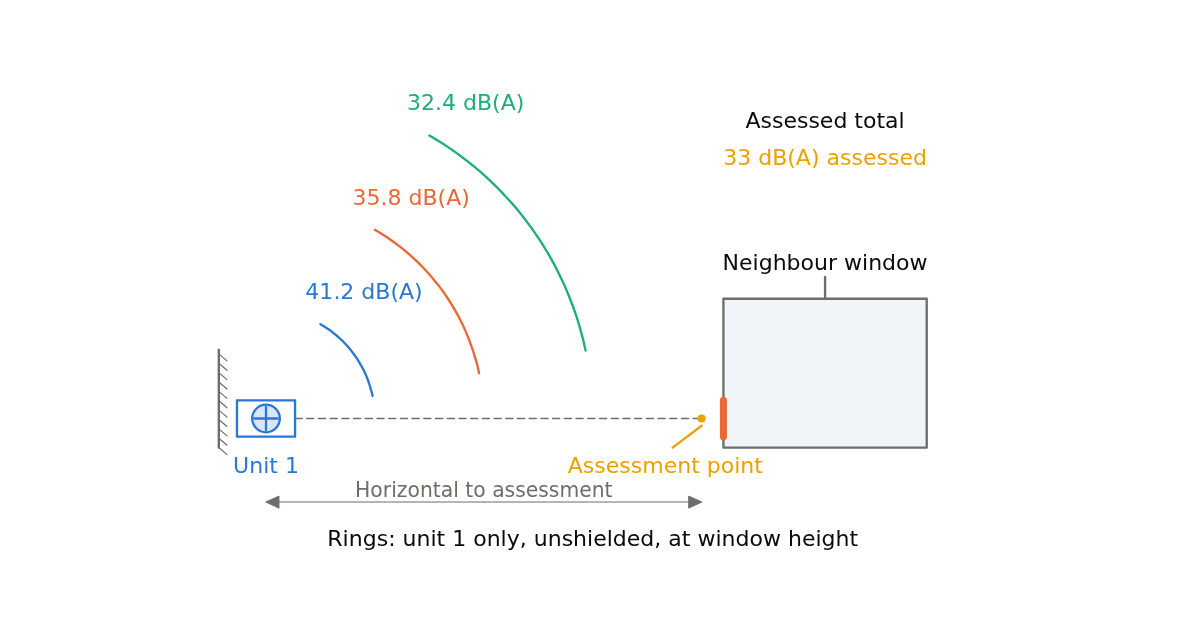
Estimate heat pump noise at a neighbour's window from sound power, placement, distance and barriers. Includes dated German night and England MCS presets.
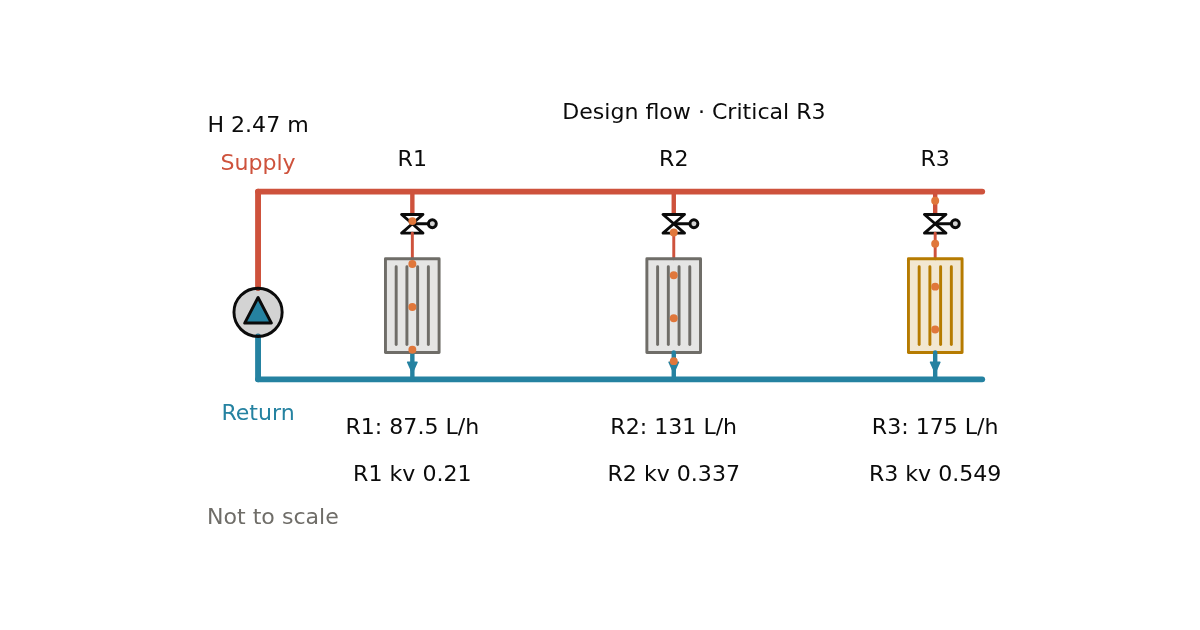
Calculate radiator design flows, Darcy pipe losses, required valve kv and pump head for up to six parallel circuits. Compare entered kv values and watch the flow split.
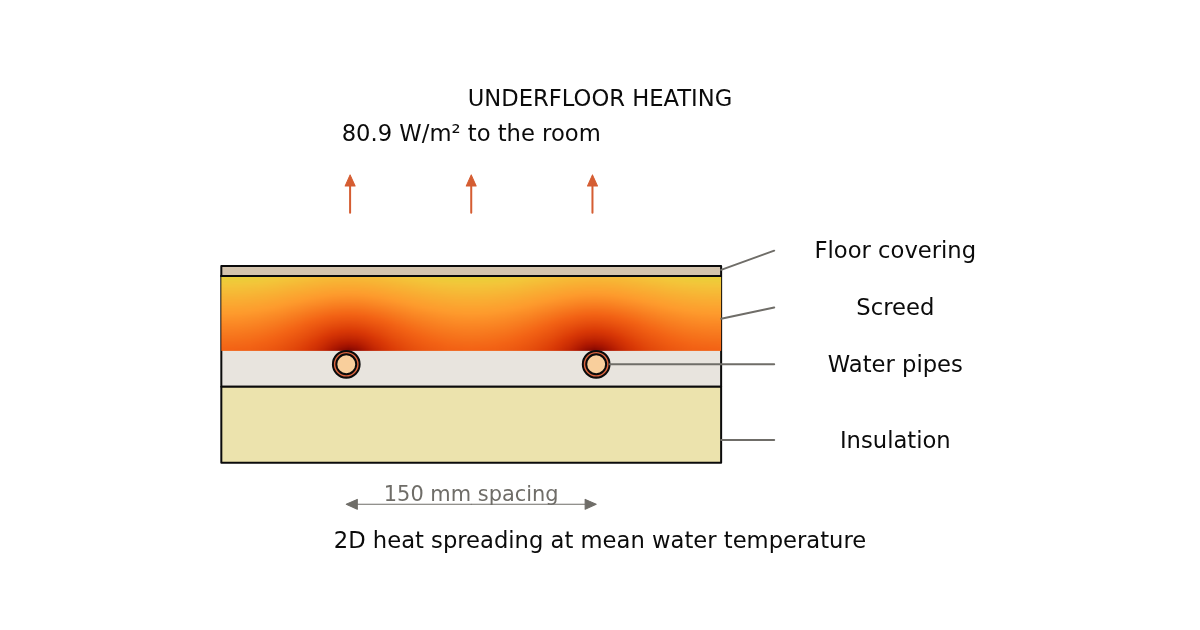
Estimate water underfloor heating output from pipe spacing, screed, covering and water temperatures. Check surface limits, pipe lengths, loop flow and pressure drop.
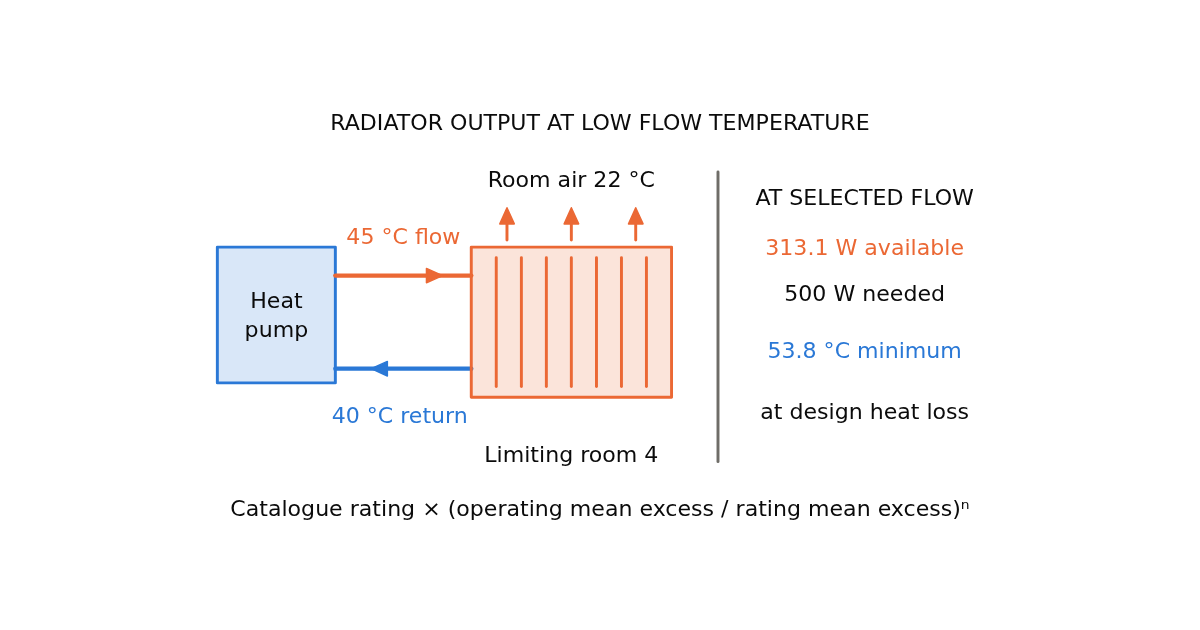
Check radiator output at heat-pump temperatures, find each room’s minimum flow, size replacements and explore a heating curve and cost-per-degree scenario.
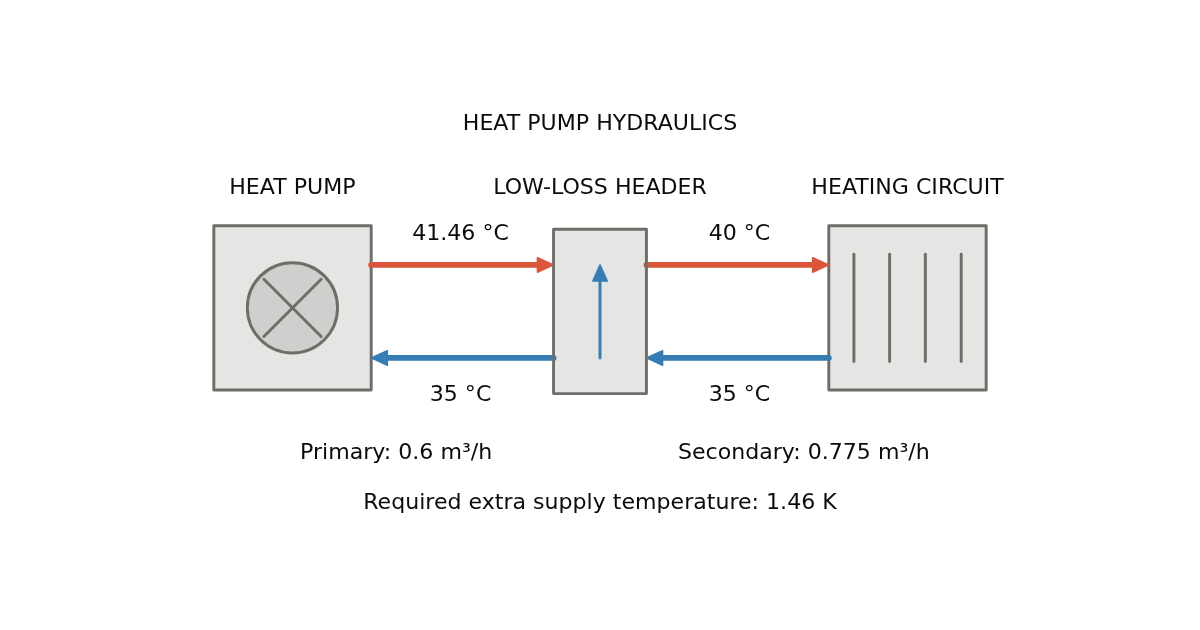
Compare heat-pump hydraulic layouts, mixing and plate-exchanger temperature penalties, COP and seasonal cost. Size active water volume for minimum run time and defrost.
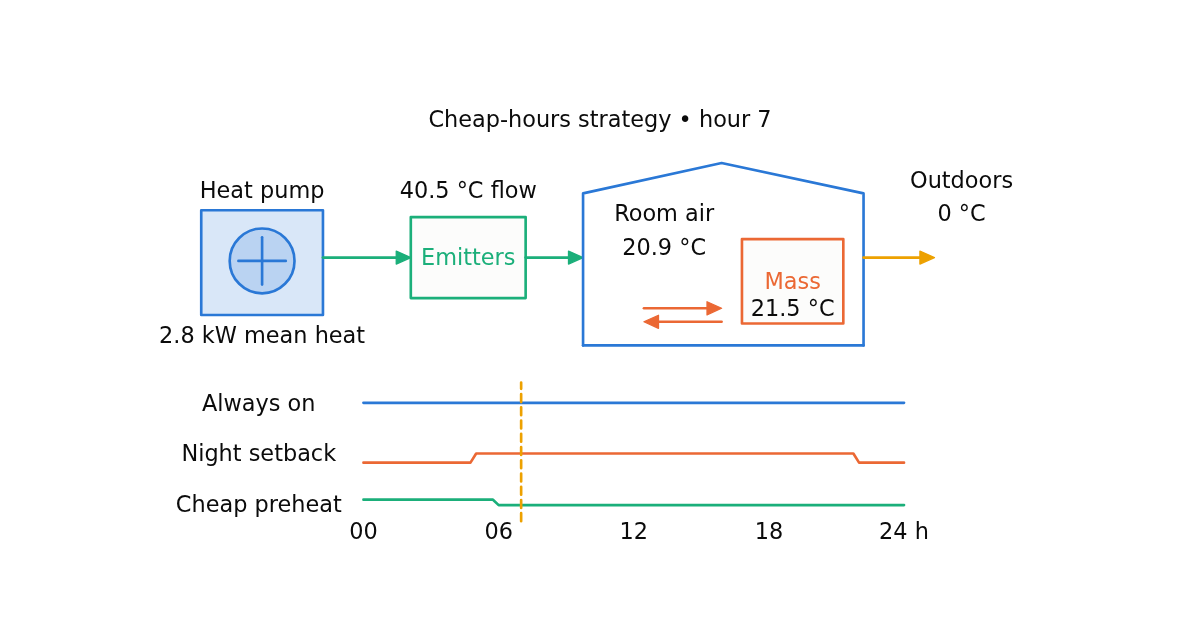
Compare always-on heating, night setback and cheap-hours preheat. See daily kWh, cost, cold hours and peak power with temperature-dependent COP and recovery limits.
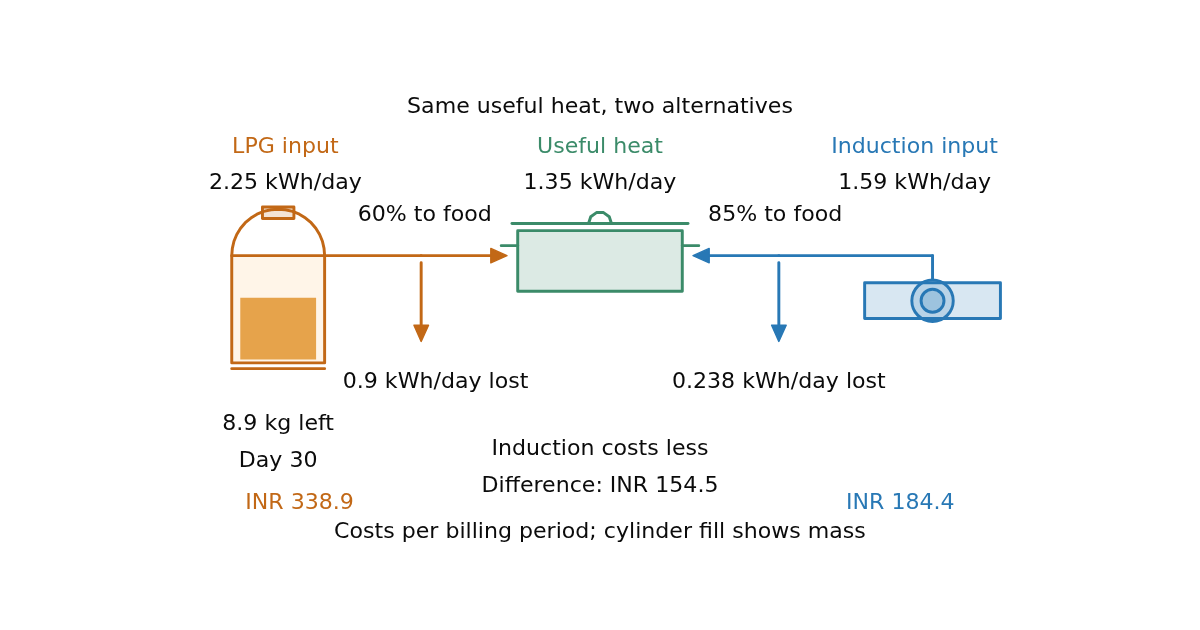
Compare LPG and induction cooking for the same useful heat. Estimate cylinder life, monthly fuel costs and the extra electricity bill across tariff slabs.
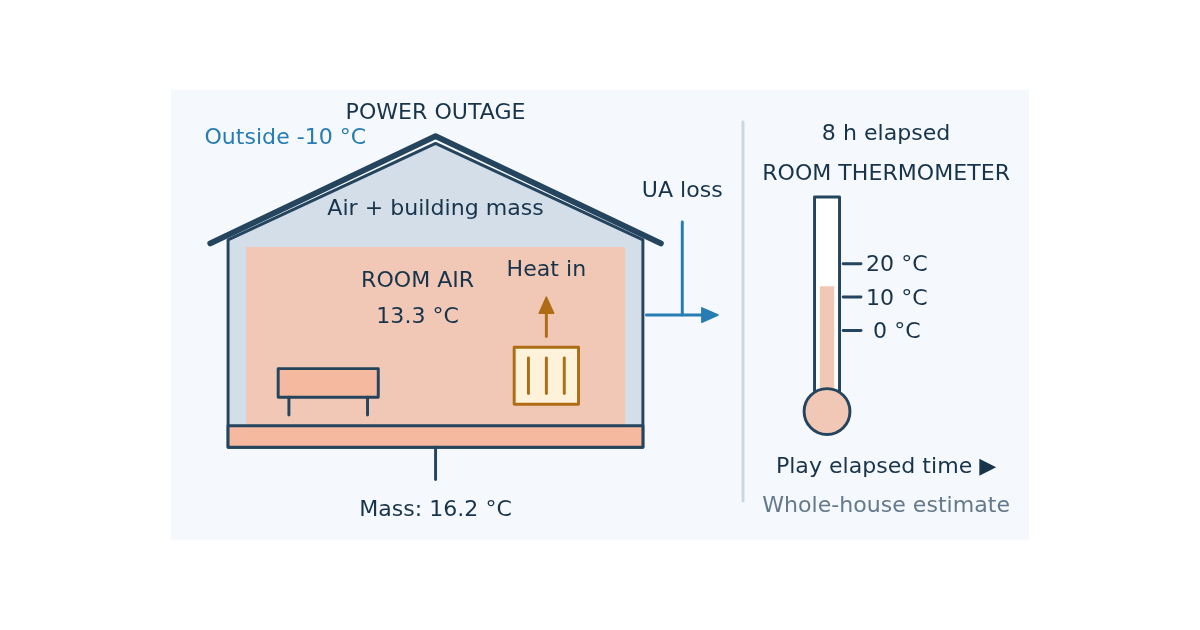
Estimate how long a house stays warm without power, cold-house heating time, and heat-pump night-setback savings with a two-node air and building-mass model.
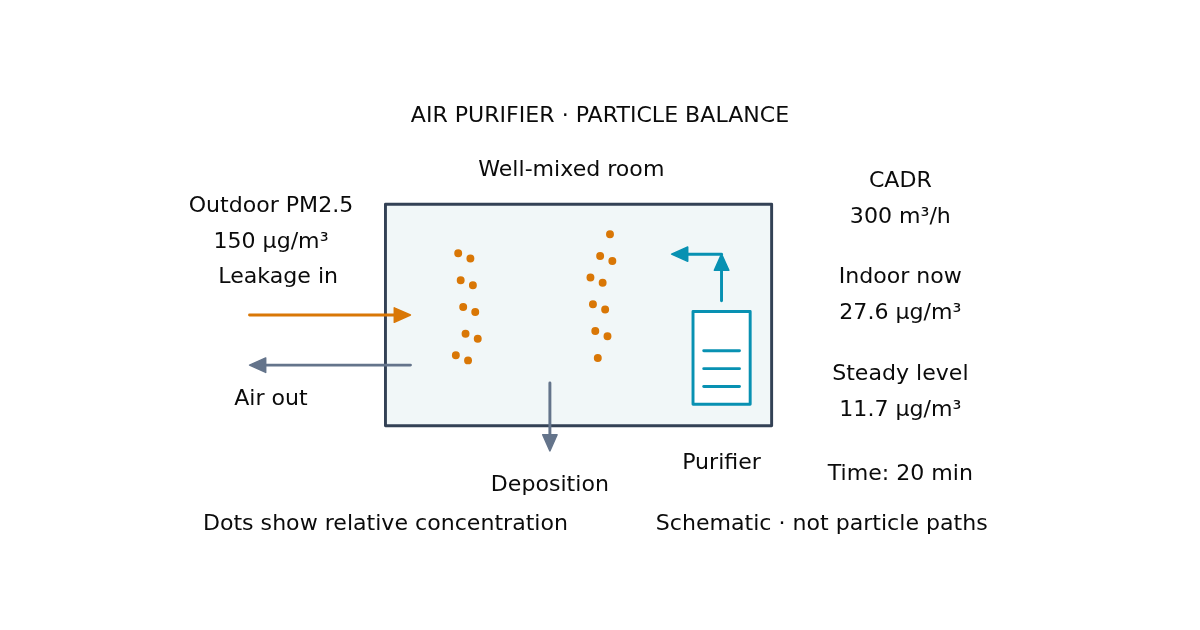
Size a purifier and estimate indoor PM2.5 with outdoor leakage, deposition and indoor sources. See the steady level, cleaning time and animated particle balance.
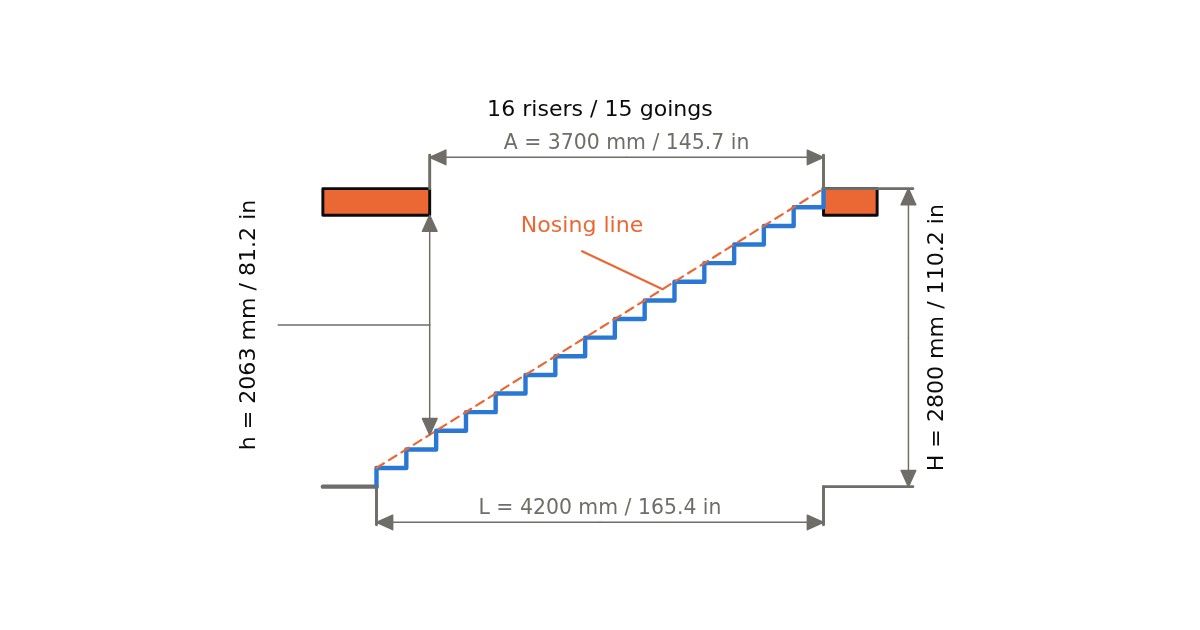
Calculate stair rise, going, pitch, stringer layout length and headroom from total rise and run. Compare riser counts with explicit IRC or DIN dimensional checks.
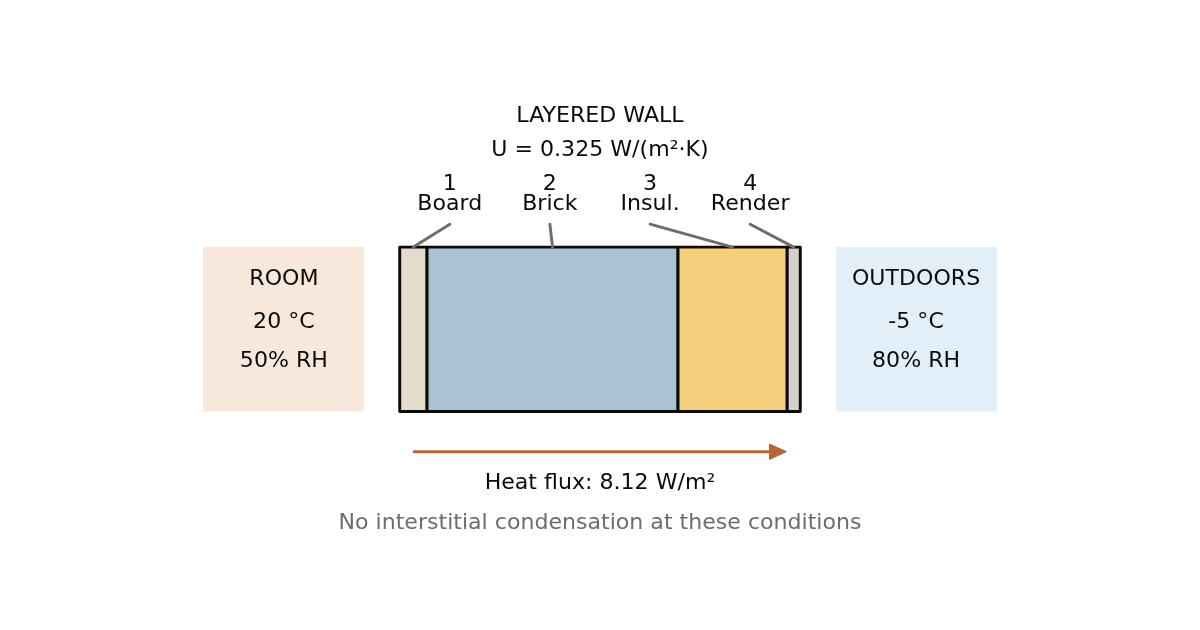
Calculate a layered wall’s U-value, insulation thickness and condensation risk. See temperature, dew-point and Glaser vapour-pressure profiles through the wall.
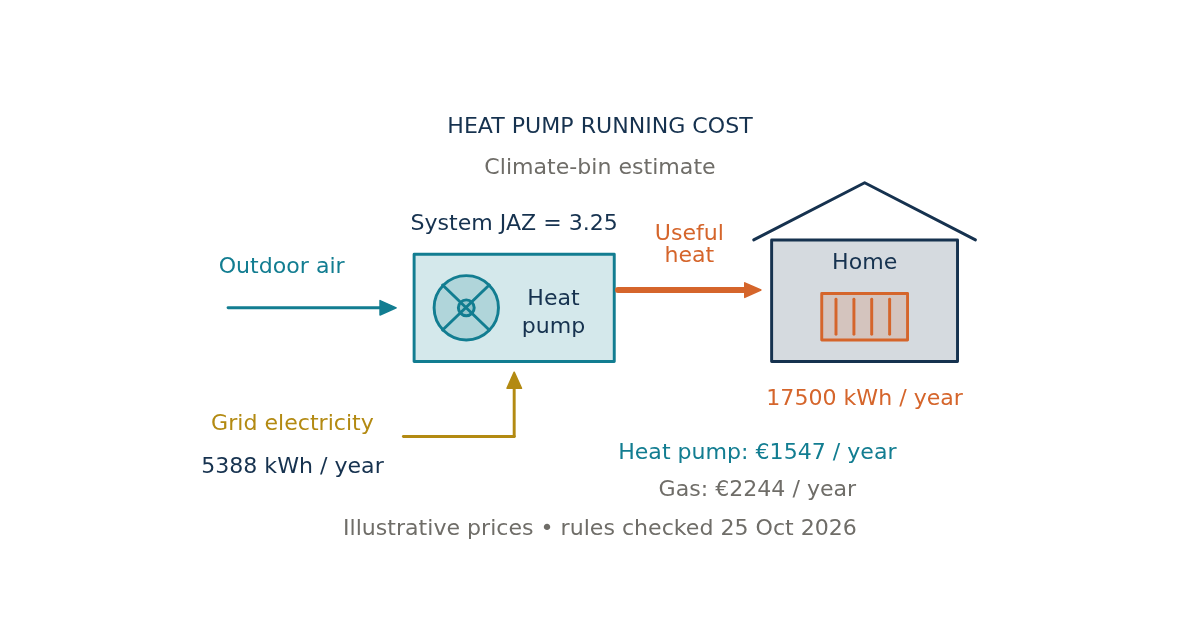
Estimate heat-pump electricity from climate and flow temperature or a supplied JAZ. Compare gas, oil and kerosene costs with dated German tariffs and carbon-price scenarios.
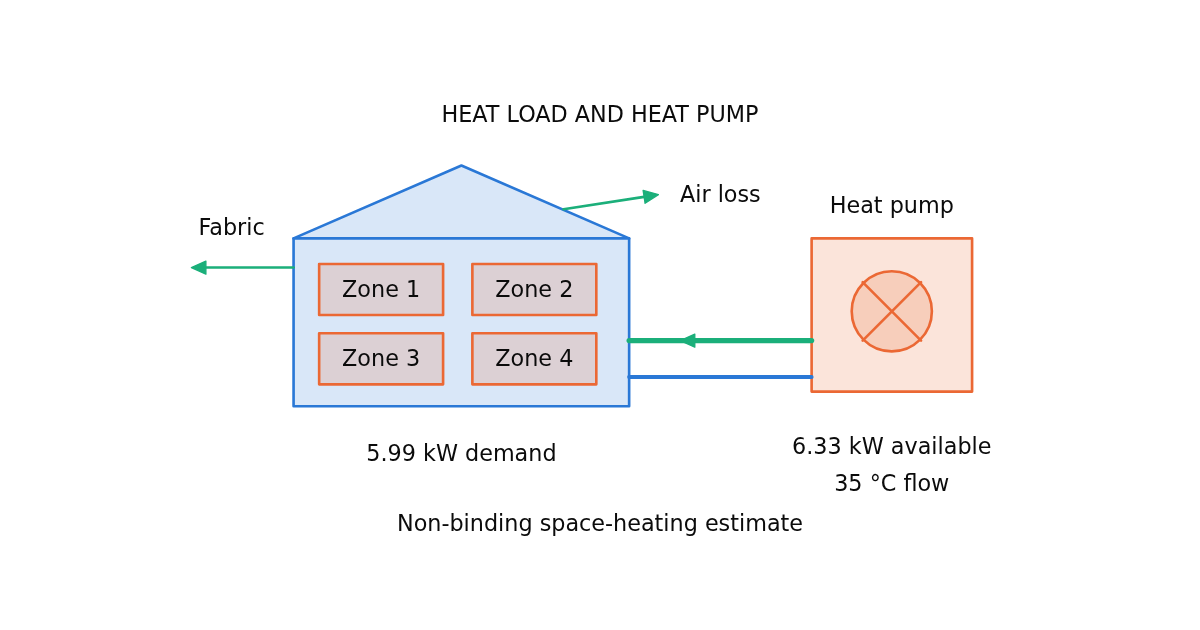
Estimate room-by-room heat loss or use gas bills and degree days. Compare heat-pump capacity, bivalence and water flow with explicit assumptions.