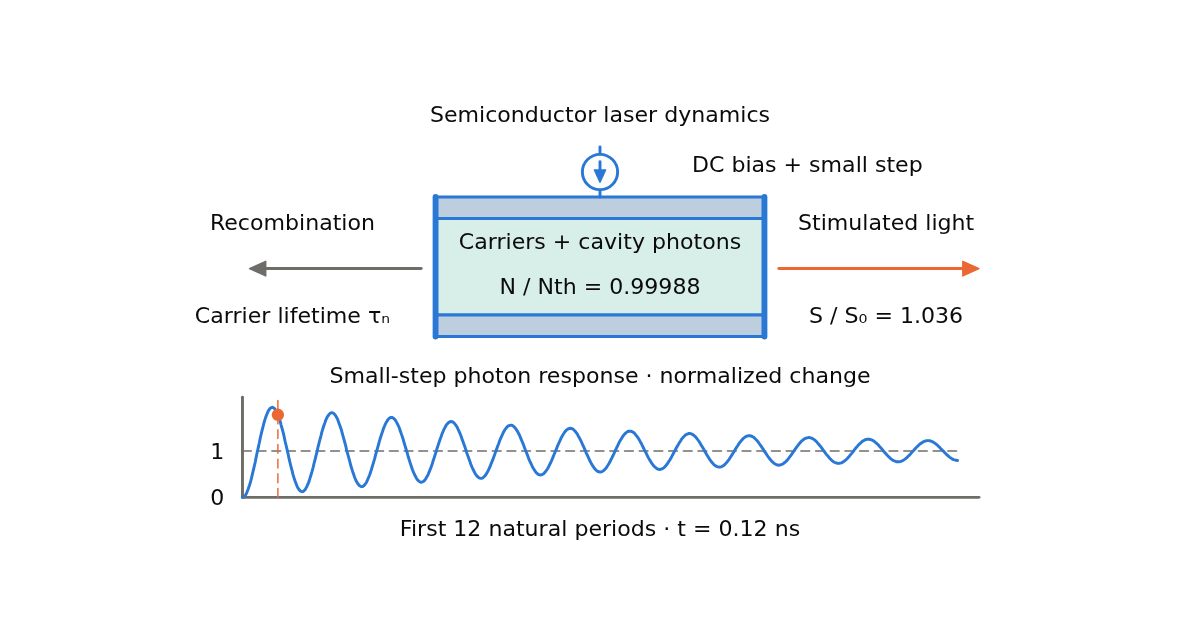
Calculate semiconductor laser threshold current, relaxation oscillations and intrinsic modulation bandwidth. Explore frequency response and animate a small current-step transient.
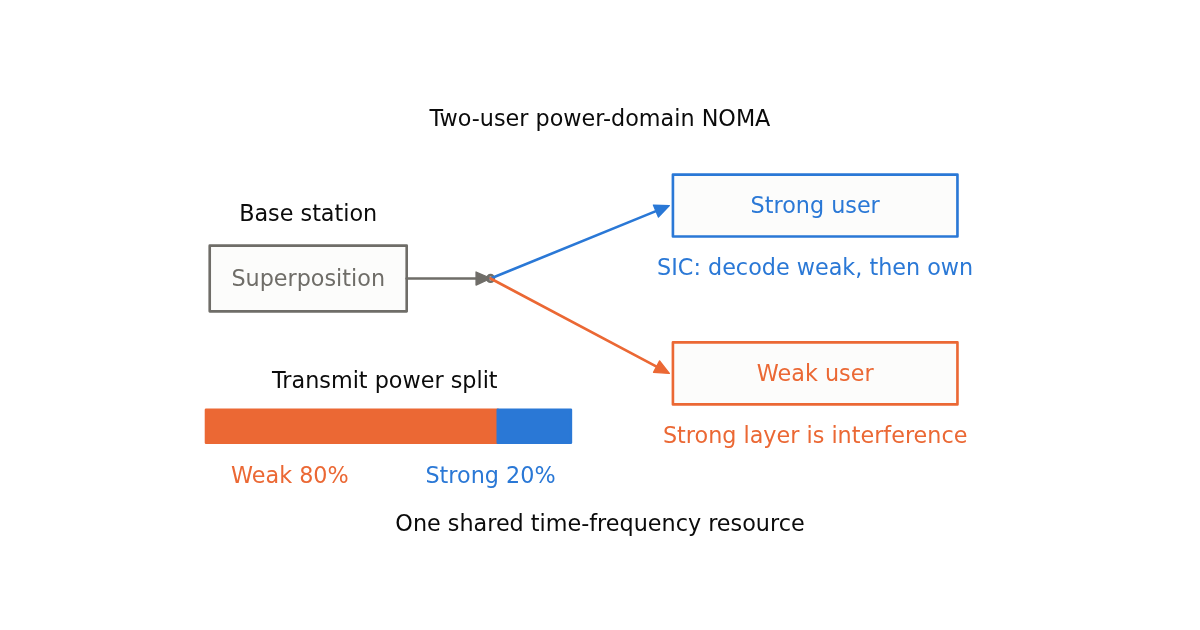
Calculate two-user NOMA rates, power allocation and Jain fairness. Compare manual or equal-rate allocation with OMA and explore residual SIC interference.
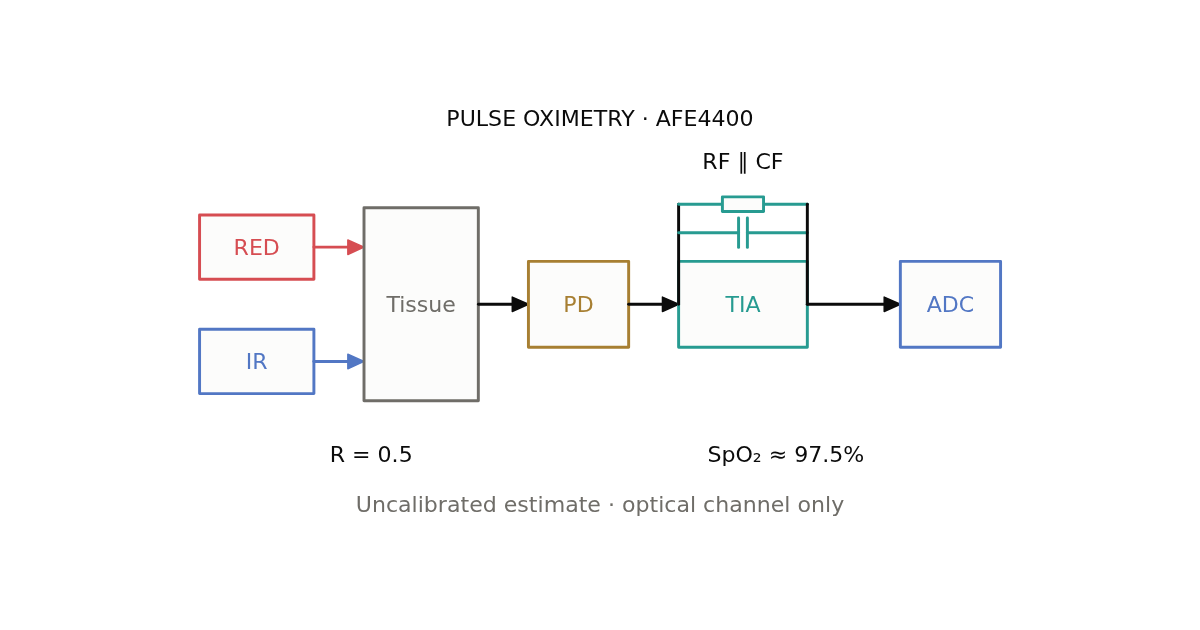
Calculate red/infrared AC/DC ratios and an illustrative SpO₂ estimate. Check AFE4400 TIA headroom, feedback bandwidth, sampling time and LED drive settings.
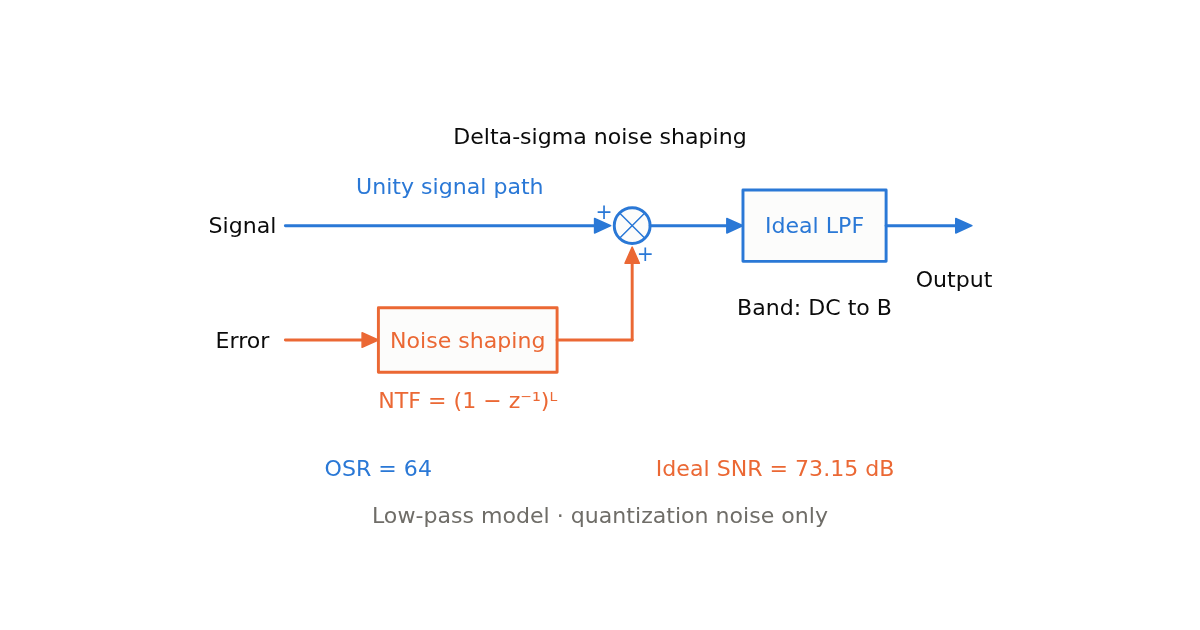
Calculate delta-sigma oversampling ratio, in-band quantization noise and ideal SNR. Compare noise-shaping order and estimate the sample rate for a target SNR.
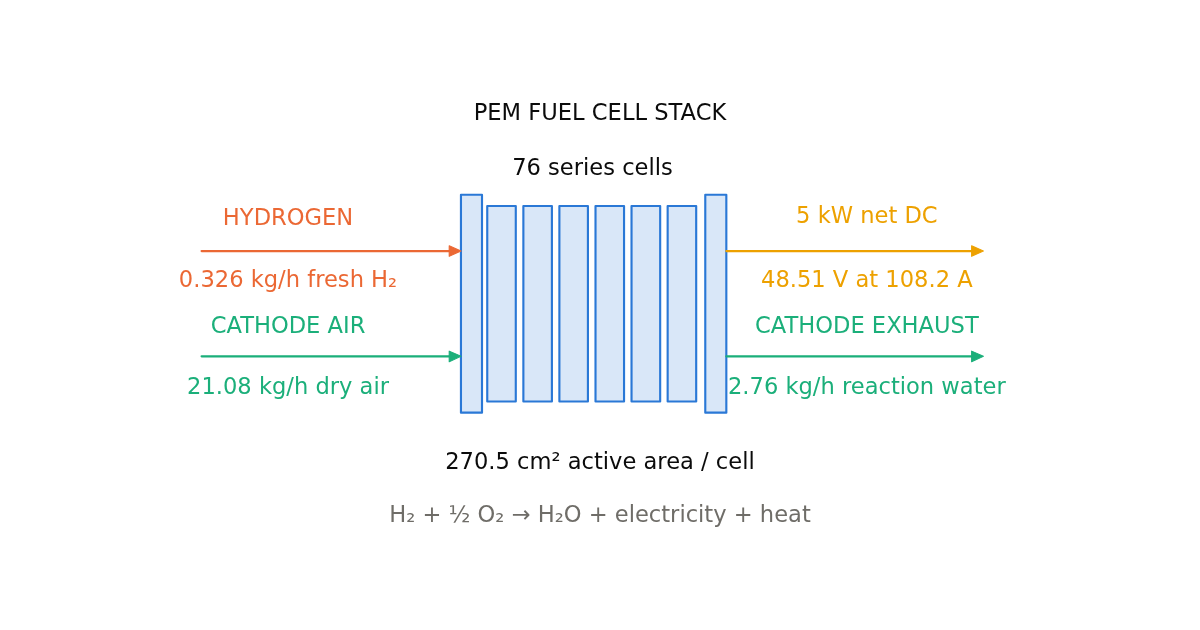
Size a PEM fuel cell stack or check an existing one. Plot polarization and power, calculate HHV/LHV efficiency, hydrogen and air demand, and cathode water balance.
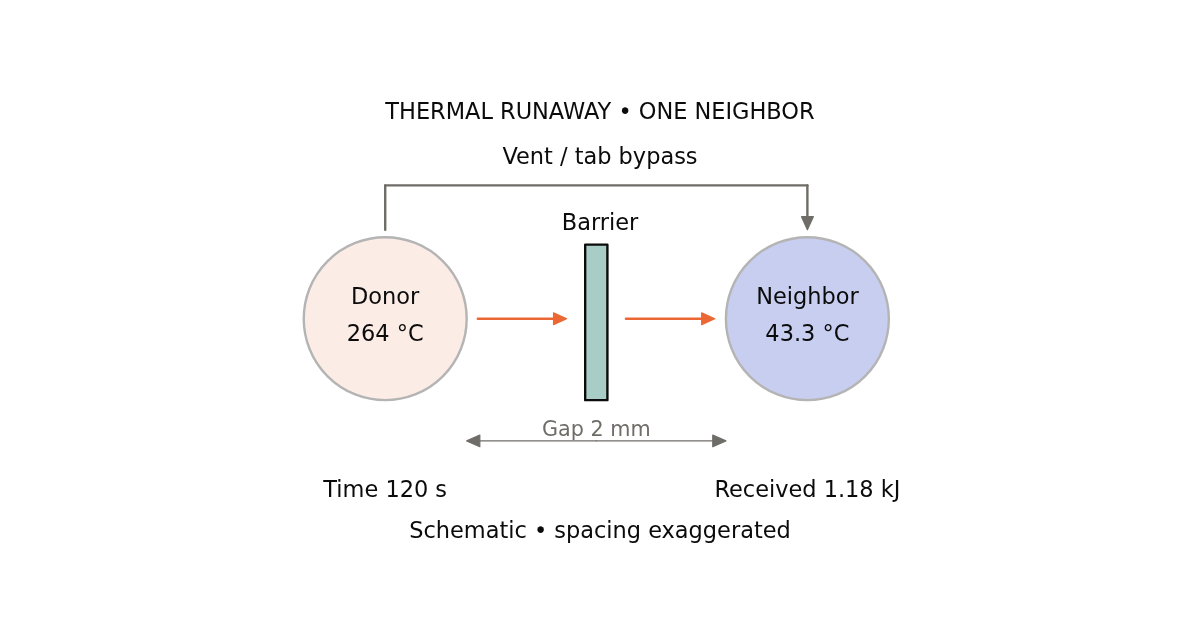
Compare neighbor heating from one failing cylindrical cell. Screen heat-release fractions, cell spacing, cooling and effective barrier transmission with an animated thermal network.
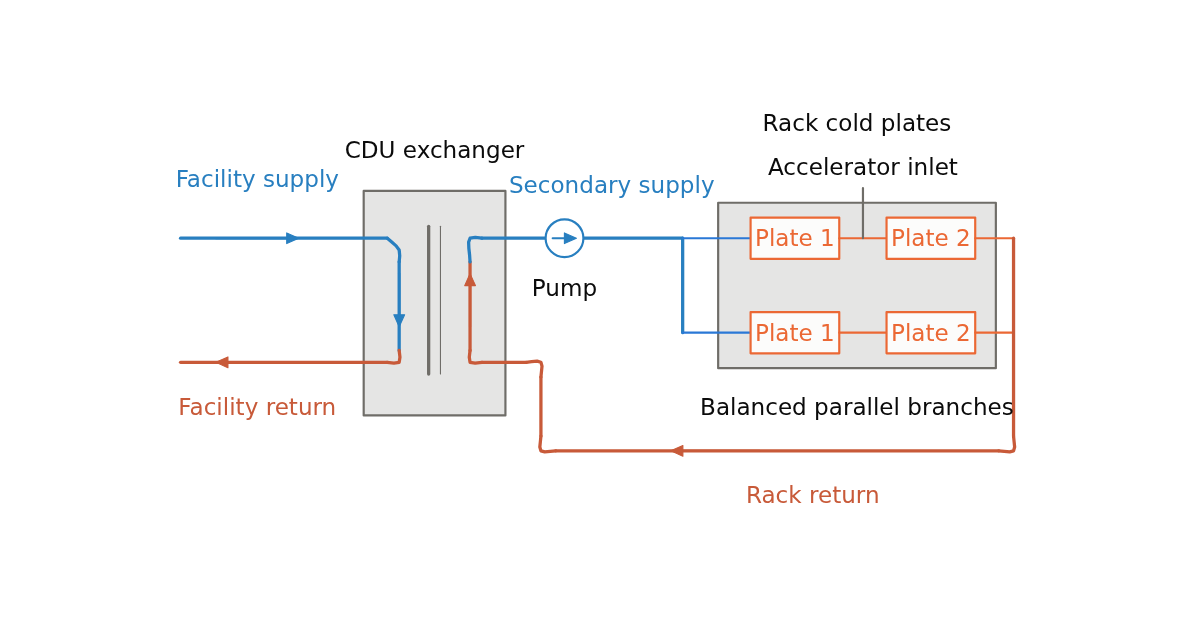
Size rack cooling flow, pressure drop and pump duty. Calculate CDU exchanger approach with ε–NTU and fouling, then check the accelerator coolant inlet limit.
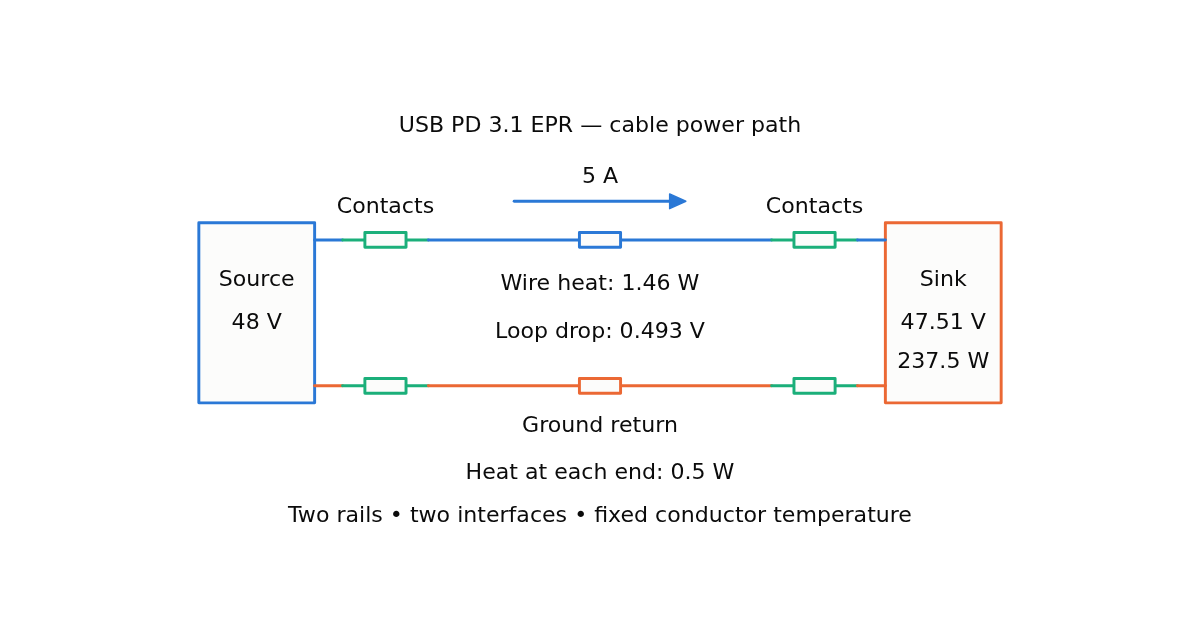
Calculate USB-C cable and connector voltage drop, I²R heating and delivered power at up to 48 V and 5 A. Compare current and constant-power loads.
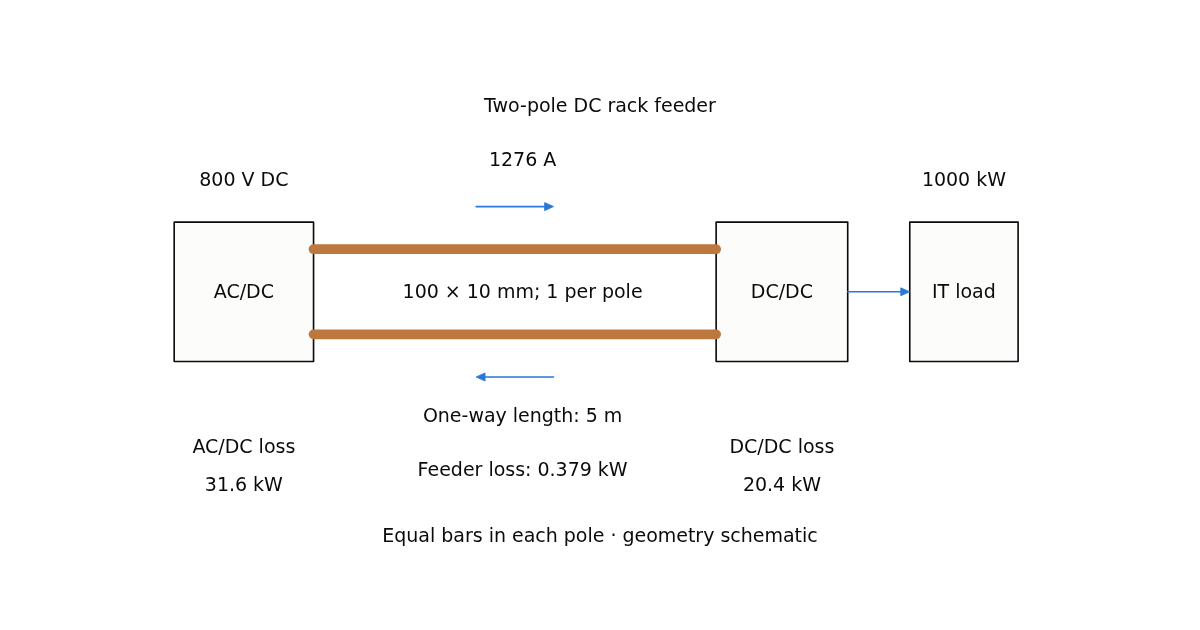
Size a two-pole DC rack feeder, calculate converter and busbar losses, and explore source fault-current rise for an 800 V power architecture.
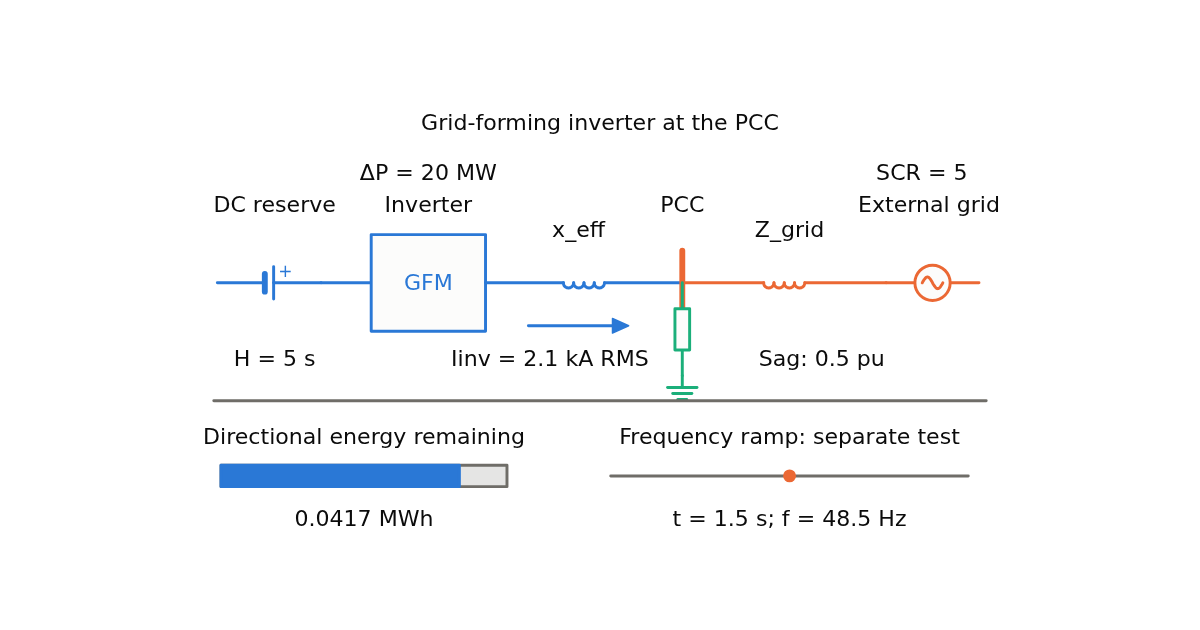
Calculate external-grid SCR, inverter fault-current limits and synthetic-inertia power and energy demand. Compare dispatch headroom and usable energy during a prescribed frequency ramp.
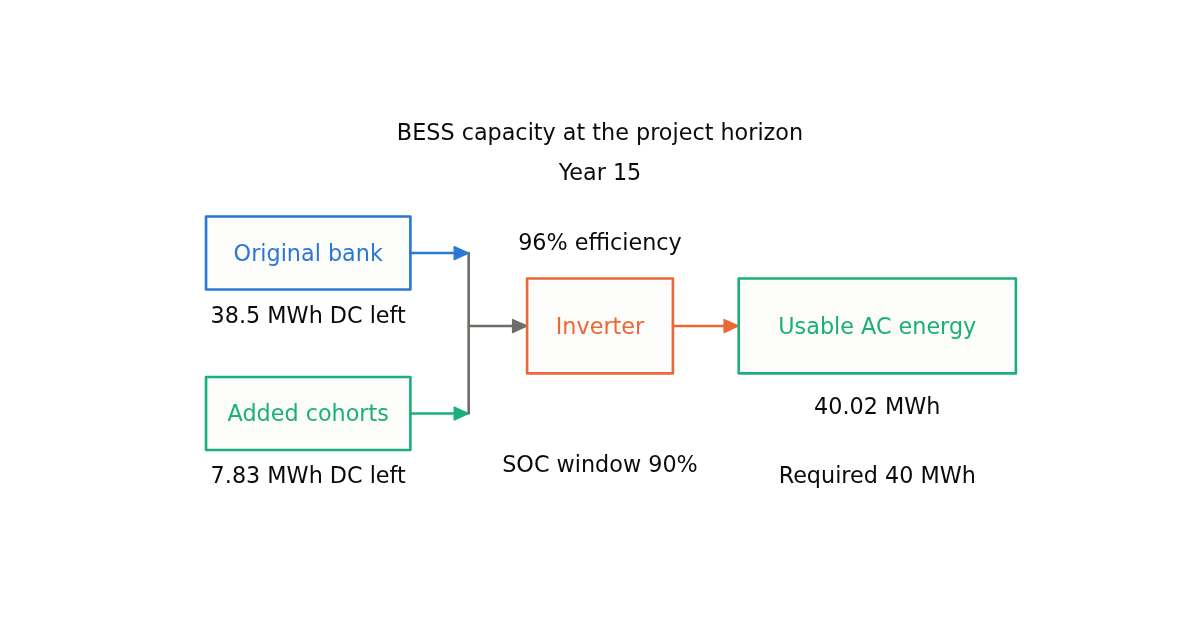
Forecast BESS capacity fade, size battery top-ups by installation window, and estimate their present cost. Compare linear and compounded aging with a cohort-based schedule.
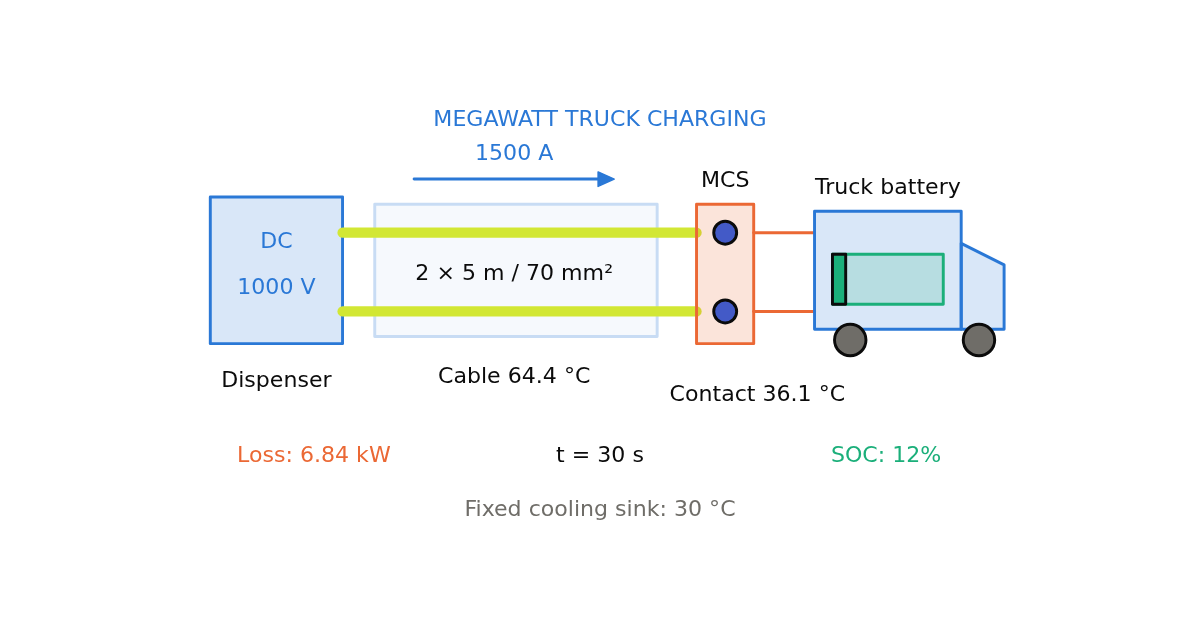
Estimate MCS truck charging losses, cable and contact temperatures, and charge time with copper self-heating and an adjustable cooling model.
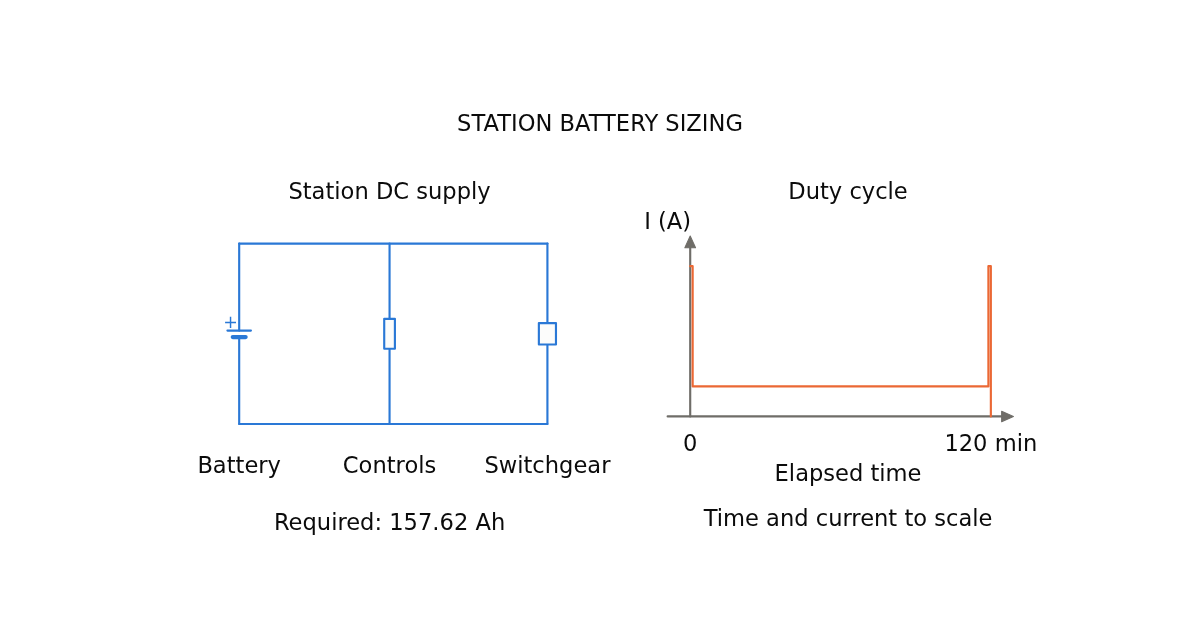
Size a stationary lead-acid battery from its duty cycle using IEEE 485 section calculations, manufacturer Kₜ factors, random loads and temperature, aging and design margins.
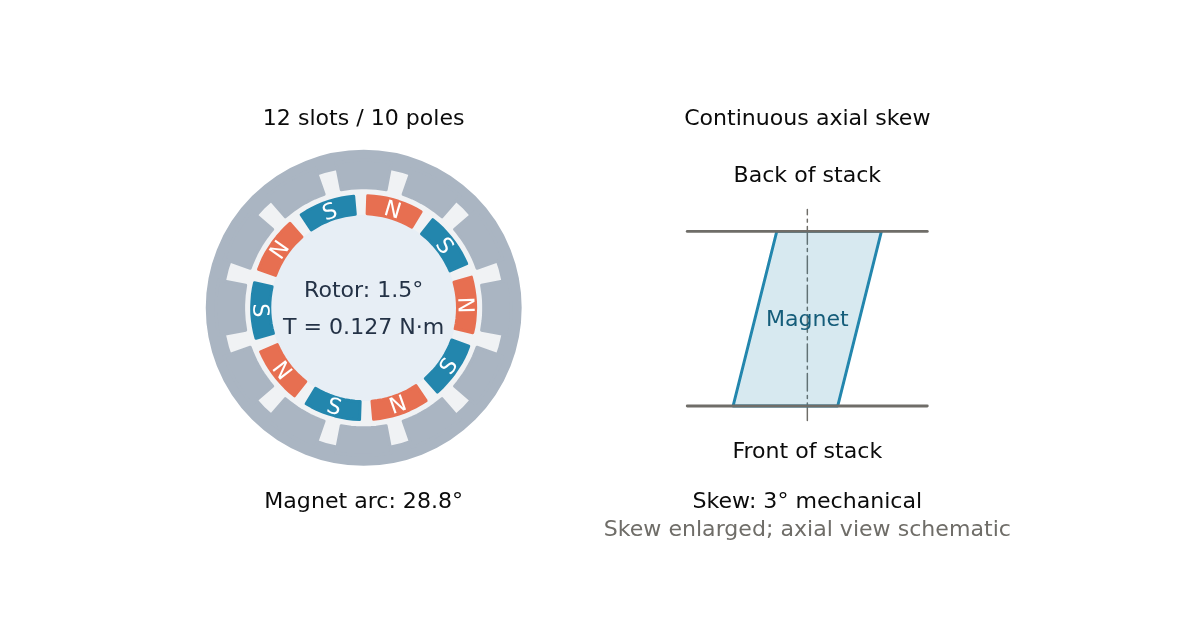
Compare slot–pole combinations, ideal magnet-width cancellation points and continuous skew. Calculate harmonic attenuation and scale a measured or FEM torque amplitude.
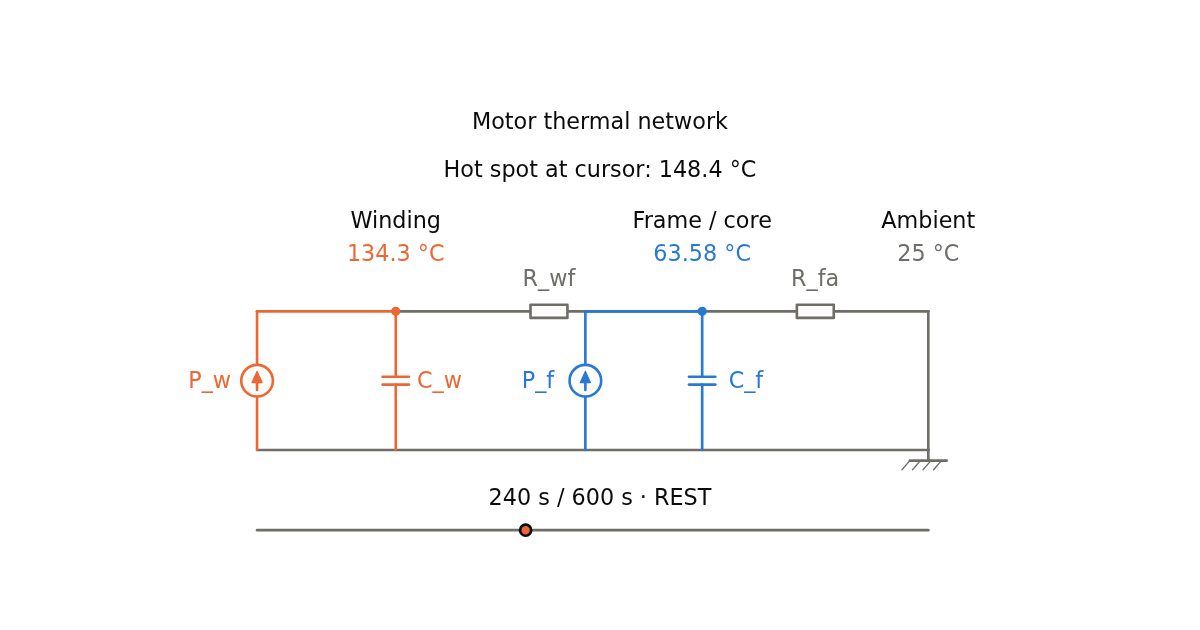
Calculate motor winding, frame and hot-spot temperatures from losses and duty cycle. Compare warm-up with the settled repeating cycle using a two-node thermal network.
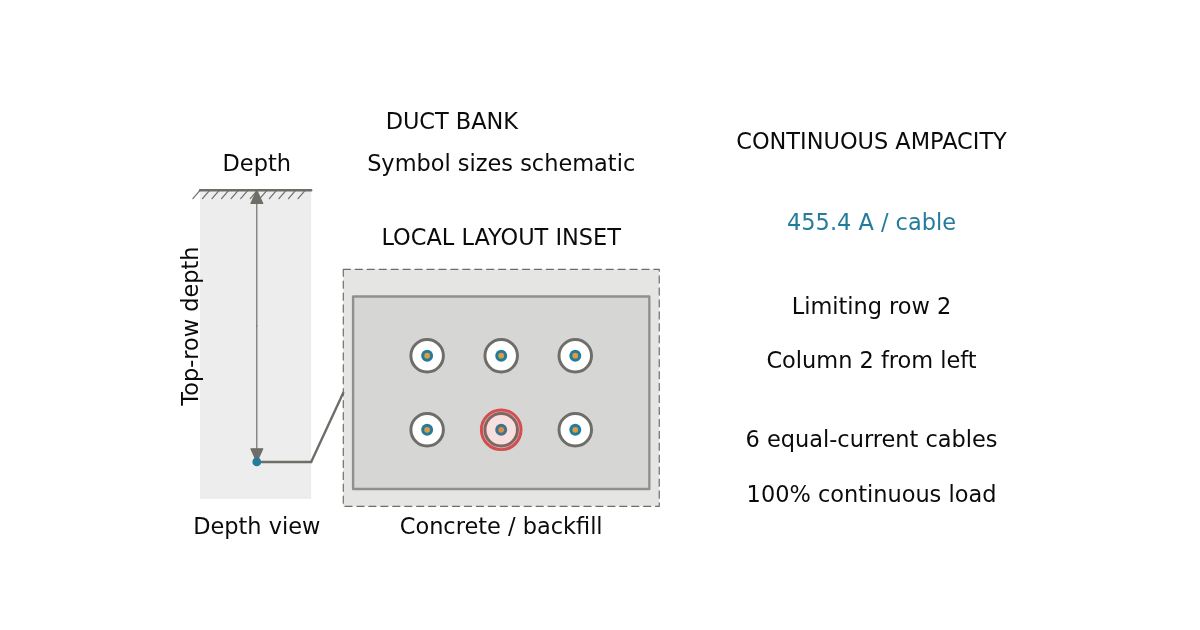
Calculate continuous ampacity for equal-current single-core cables in duct banks or direct burial, including mutual heating, sheath losses and a rectangular backfill envelope.
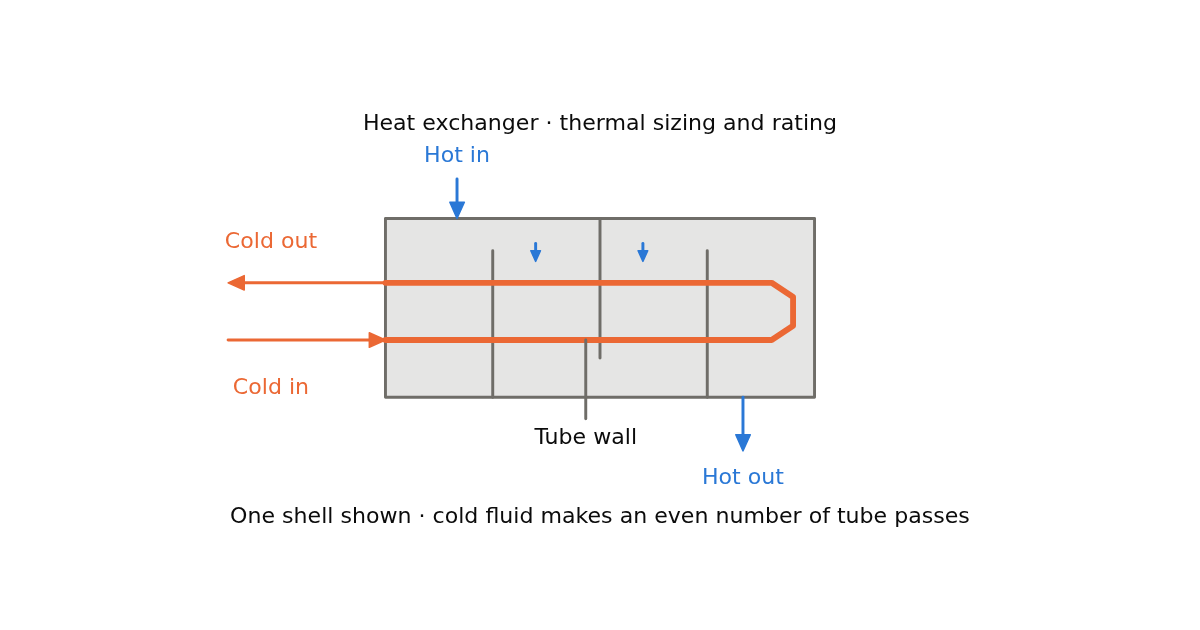
Size or rate shell-and-tube and plate heat exchangers with calculated LMTD correction, NTU effectiveness, Kern and Martin estimates, and temperature profiles.
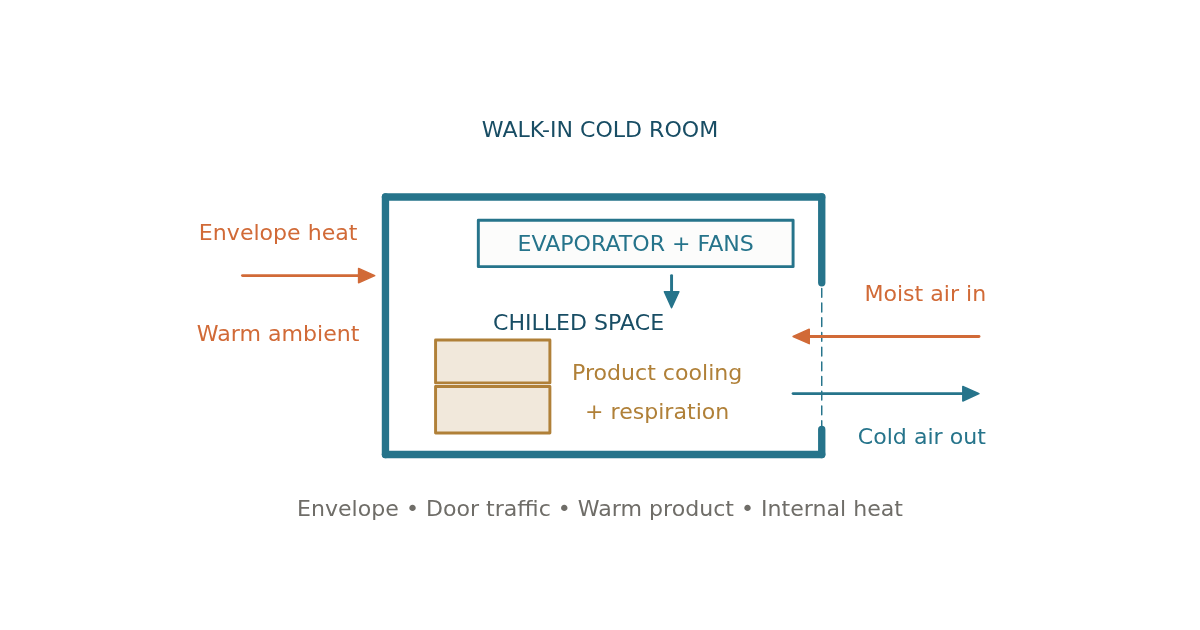
Size walk-in cold room refrigeration from insulation, humid-air door openings, product cooling, respiration and defrost. Compare daily duty with peak pull-down capacity.
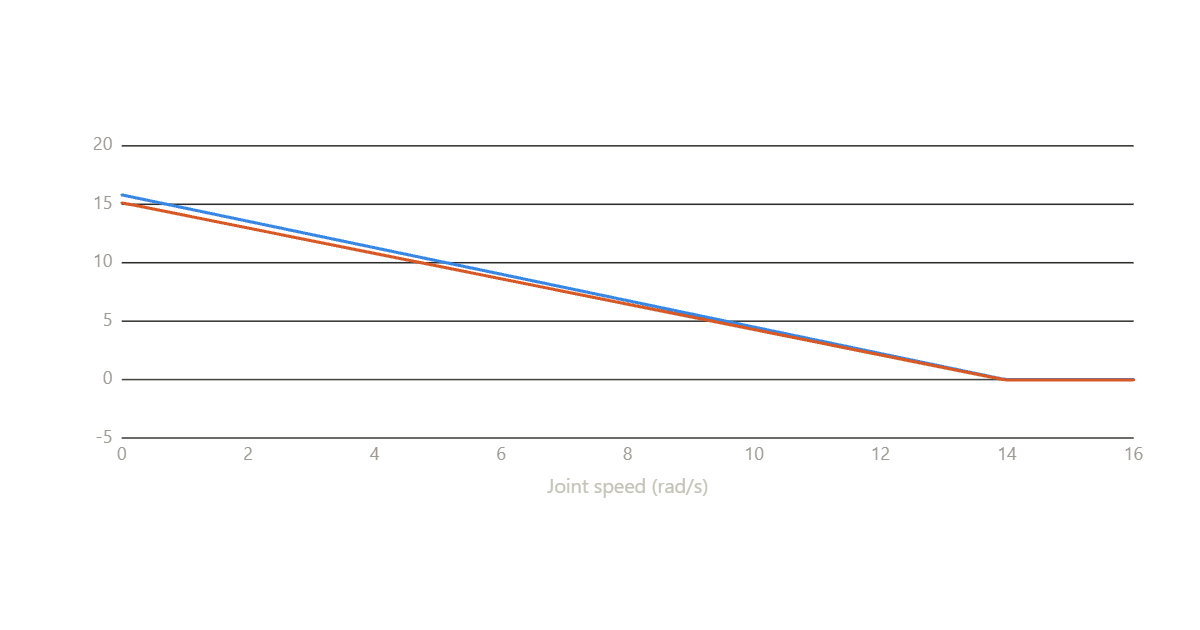
Screen joint torque margin and battery voltage sag for hexapod and octopod gait loads.
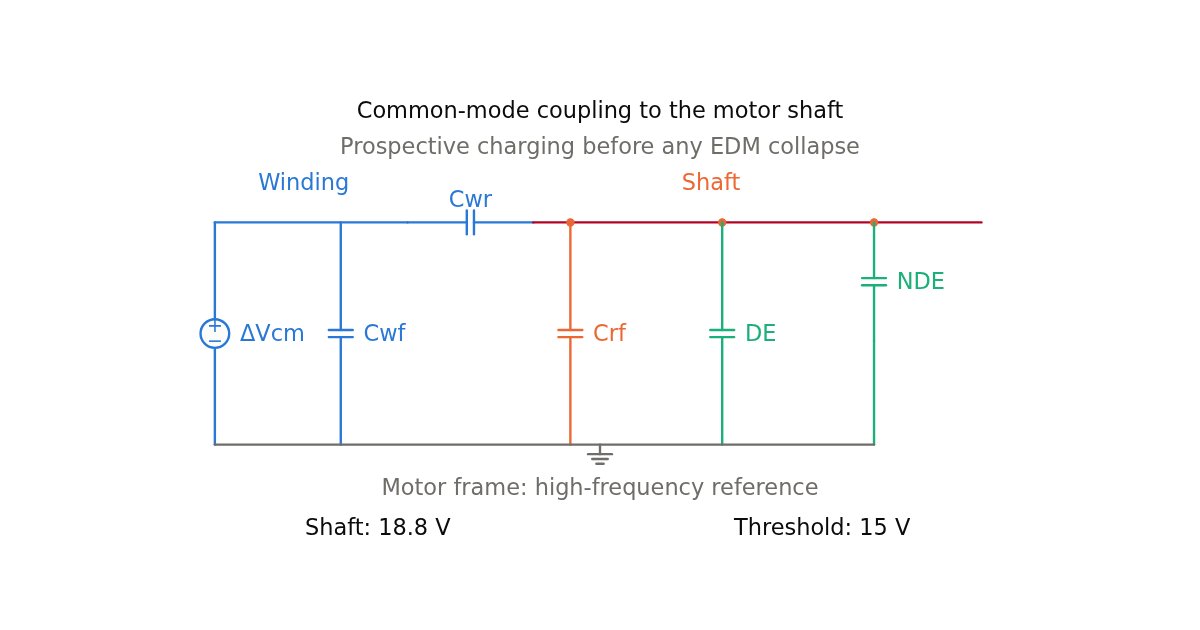
Estimate shaft voltage, bearing voltage ratio and bearing currents in inverter-fed motors. Compare insulation, grounding brushes and common-mode filtering.
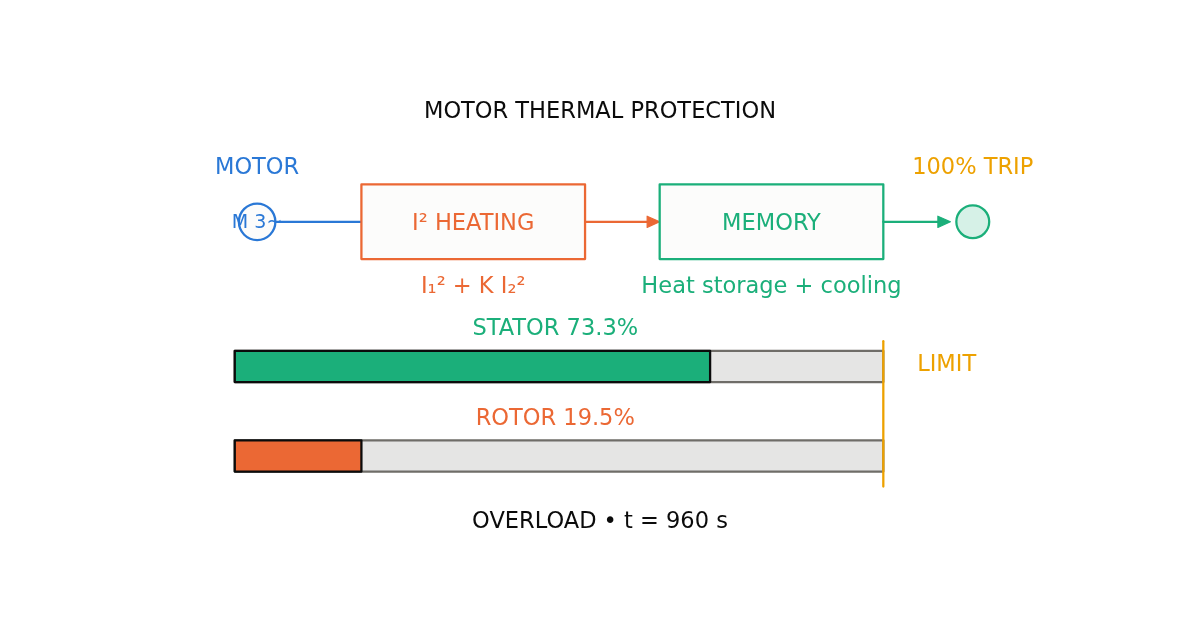
Model motor thermal capacity over starts, overloads and cooling. Compare hot/cold stall limits and estimate negative-sequence heating and voltage-unbalance derating.
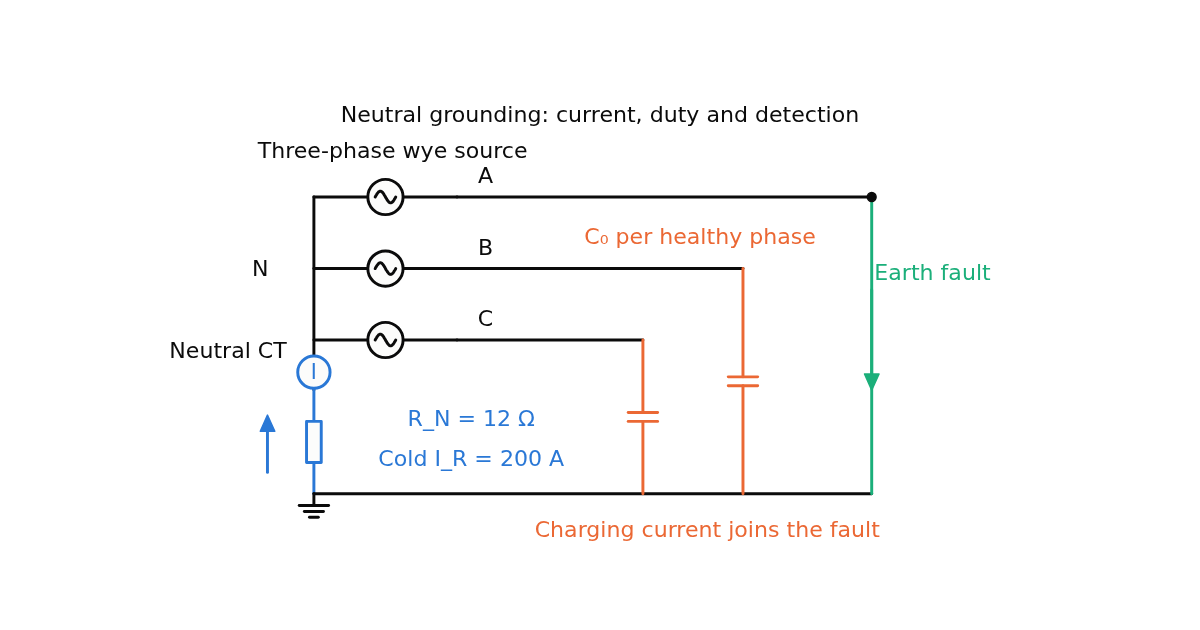
Size an NGR from fault current or assess an existing resistor. Check 3·I_c0, hot-current detection, short-time energy and relay grading—and compare with 400 A.
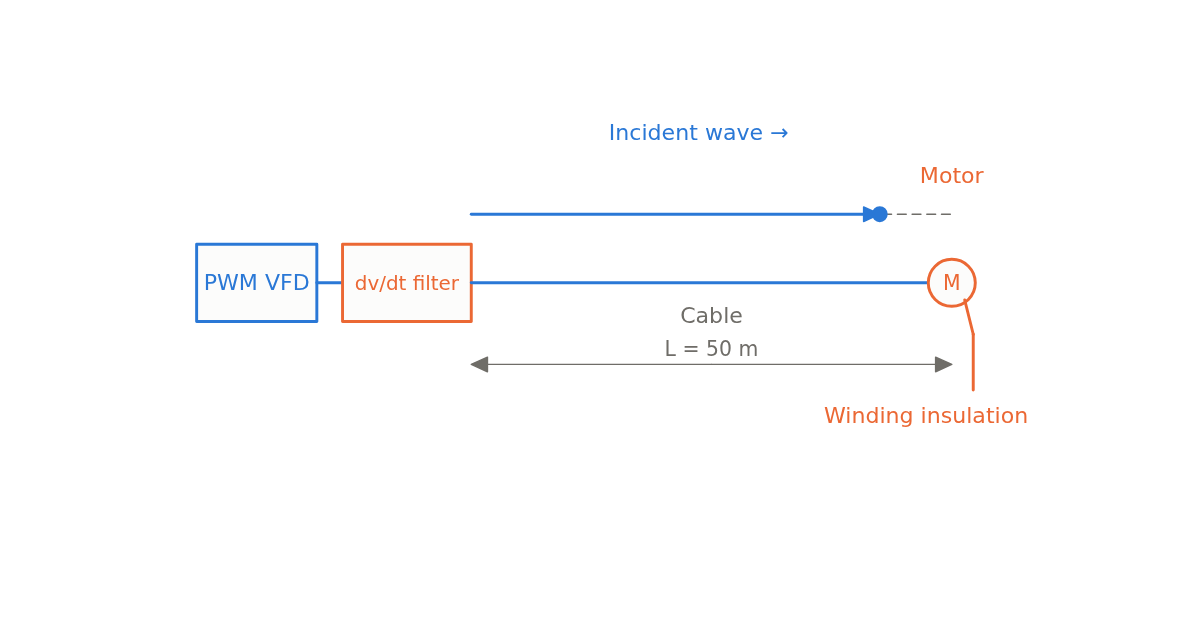
Compare VFD cable reflections and dv/dt filters with motor RPDIV and IEC insulation stress categories. Explore peak voltage, rise-time reserve and electrical life sensitivity.
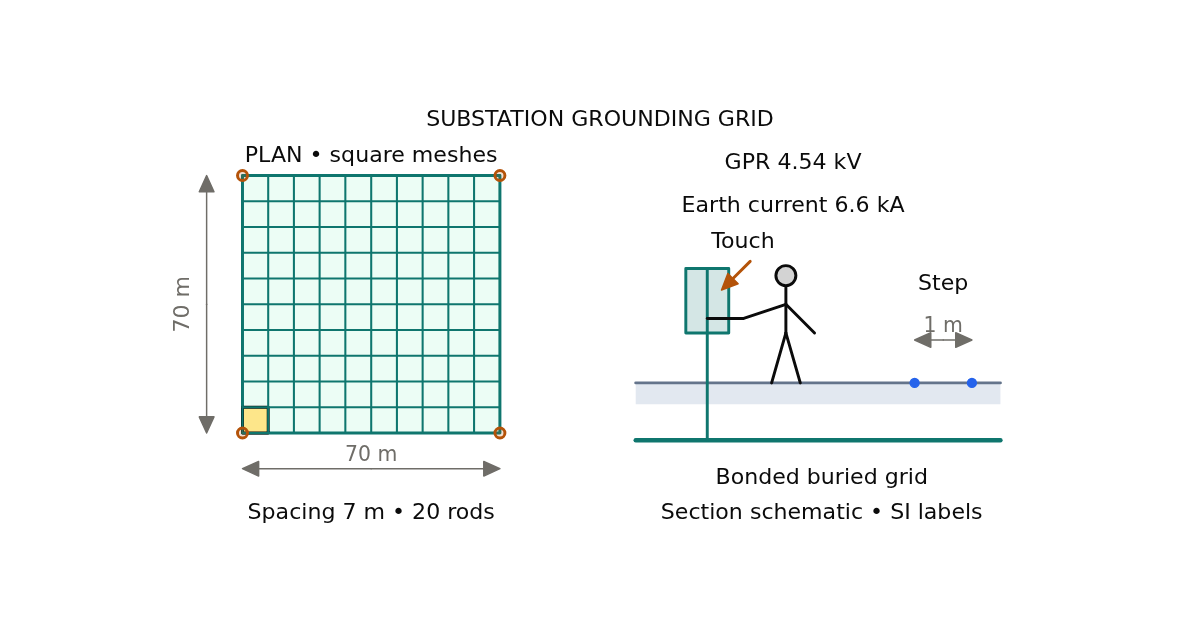
Calculate substation grid resistance, GPR, mesh and step voltages, tolerable limits and copper conductor size. Compare grid spacings using a uniform-soil IEEE 80 method.