Online Electrical Engineering Courses
Design, analyze, and control electrical systems — covering circuits, schematics, simulation, and industrial control.
- Analyse circuits, electrical systems, and electronic components
- Calculate voltage, current, power, impedance, and circuit behaviour
- Study power systems, electric machines, control, and electrical design
Why Choose WiredWhite

 Approved by PhD Engineers
Approved by PhD Engineers
The quality of the online courses on our platform is important to us. Therefore, the content of the Online Courses offered on our platform are screened and approved by the Founder Team of WiredWhite, who are experienced engineers with PhD qualification.
 Tutoring Lessons
Tutoring Lessons
Our platform is dedicated to an excellent learning experience. Therefore, you can not only learn by yourself using our online courses, but you can also schedule Online Tutoring Lessons with our course instructors or any other engineering experts whose skills match your request.
 Learning Tools
Learning Tools
Benefit from a seamless learning experience with our integrated tools such as online classrooms, chats, whiteboards, etc. Write private messages to tutors, schedule online calls using their booking calendar and make use of our integrated project management system.
 Built for Engineers
Built for Engineers
WiredWhite is an engineering and technology specialized platform. Besides online courses and a huge network of engineering professionals, you will find meaningful articles, webinars, job opportunities – everything you need for a successful and thriving career in engineering.
 Job Opportunities
Job Opportunities
Combine upgrading your engineering skills with finding exciting job opportunities. Just be active on the platform, gain new skills and become part of our industry projects.
Electrical engineering deals with the systems and equipment that generate, distribute, convert, measure, and control electrical energy. Show more
Show more
It covers much more than circuit theory. The same principles are used in power systems, electric machines, industrial drives, automation, electronics, instrumentation, and control. Depending on the subject, the work can involve anything from calculating a simple circuit to modelling a motor, checking a control system, or analysing how an electrical installation behaves under different operating conditions.
Why It's Worth Learning
A lot of electrical engineering work comes down to understanding why a system behaves the way it does. Something that looks right on paper can behave differently once it's built and running — and the only way to know why is to calculate, simulate, measure, and compare. That's what separates a proper diagnosis from guesswork, and it's the skill these courses are built around.
Who It's For
These courses cover different levels of electrical engineering, so they can be useful at several stages. They fit students working through circuit theory and related subjects, practising engineers who need a particular technical topic, and technicians dealing with electrical equipment in the field. They can also be relevant to automation, electronics, mechanical, and other engineers whose projects involve motors, sensors, drives, control systems, or electrical hardware.
What you will actually learn
- DC and AC circuit analysis, phasors, resonance, power factor, and frequency response
- Kirchhoff’s laws, nodal and mesh analysis, Thevenin and Norton equivalents
- Semiconductor devices, rectifiers, amplifiers, and switching circuits
- Digital logic, Boolean algebra, and digital circuit design
- Sensors, transducers, signal conditioning, and data acquisition
- Feedback, transfer functions, stability, and controller tuning
- Electrical measurements, instrumentation, and interpreting measurement results
Where it is used in practice
Power and energy systems
Power generation, transmission, distribution, load analysis, protection, and power quality.
Industrial automation
Electrical drives, sensors, control cabinets, instrumentation, and automated production equipment.
Electronics and embedded systems
Analog and digital circuits, signal conditioning, power supplies, sensors, and electronic control boards.
Electric vehicles and transportation
Battery systems, inverters, electric drives, charging systems, and vehicle electrical networks.
Example tasks
- Troubleshooting a circuit that does not produce the expected output
- Selecting components for a circuit based on voltage, current, and power requirements
- Comparing calculated circuit behaviour with measured results
- Designing a control circuit for a specified system response
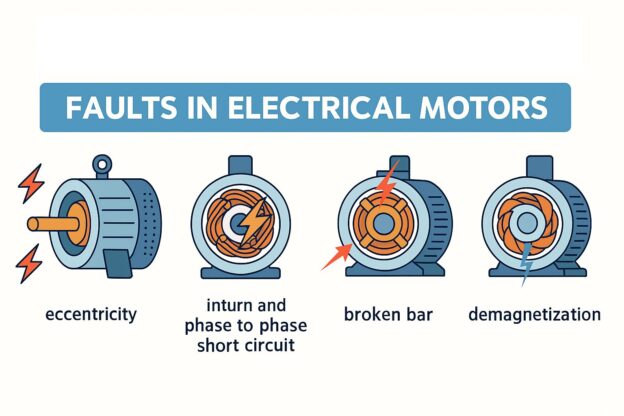
- Checking an electrical system for faults, losses, and incorrect operating conditions
Top tutors for Electrical Engineering





Tutors by skill
Related categories