Online Mechanical Engineering Courses
Mechanical Engineering courses cover subjects such as mechanics, thermodynamics, strength of materials, manufacturing, and heat transfer.
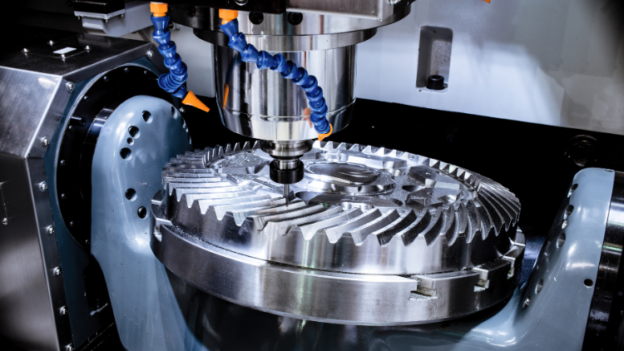
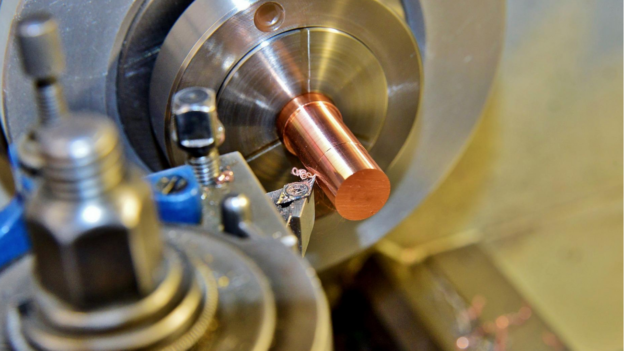
- Manufacturing and machining
- Machine systems and engines
- Thermal engineering and simulation
Why Choose WiredWhite

 Approved by PhD Engineers
Approved by PhD Engineers
The quality of the online courses on our platform is important to us. Therefore, the content of the Online Courses offered on our platform are screened and approved by the Founder Team of WiredWhite, who are experienced engineers with PhD qualification.
 Tutoring Lessons
Tutoring Lessons
Our platform is dedicated to an excellent learning experience. Therefore, you can not only learn by yourself using our online courses, but you can also schedule Online Tutoring Lessons with our course instructors or any other engineering experts whose skills match your request.
 Learning Tools
Learning Tools
Benefit from a seamless learning experience with our integrated tools such as online classrooms, chats, whiteboards, etc. Write private messages to tutors, schedule online calls using their booking calendar and make use of our integrated project management system.
 Built for Engineers
Built for Engineers
WiredWhite is an engineering and technology specialized platform. Besides online courses and a huge network of engineering professionals, you will find meaningful articles, webinars, job opportunities – everything you need for a successful and thriving career in engineering.
 Job Opportunities
Job Opportunities
Combine upgrading your engineering skills with finding exciting job opportunities. Just be active on the platform, gain new skills and become part of our industry projects.
Mechanical engineering is a broad field built around machines, mechanical components, and the systems they form. In real engineering work, the problem is often not the part itself but how it behaves under load, during movement, or in particular operating conditions. Show more
Show more
Mechanical Systems
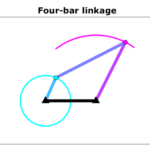
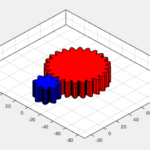
Mechanical systems include mechanisms, rotating machinery, and power transmission. Their analysis involves how parts move, carry loads, and transfer motion and torque.
Engineering Analysis
Engineering analysis deals with the calculations used to assess a mechanical design. Depending on the task, engineers may look at strength, deformation, temperature, vibration, or fluid behavior.
Who Are Mechanical Engineering Courses For?
The courses are suitable for engineering students, practicing engineers, technicians, and other technical professionals. They also fit people who are moving into mechanical engineering and need to build their knowledge of the field.
Related Engineering Fields
Mechanical engineering overlaps with several other areas. That is common in automotive, aerospace, energy, robotics, mechatronics, and manufacturing, where mechanical systems are often part of a much larger project.
What you will actually learn
- Engineering mechanics, statics, dynamics, and strength of materials
- Thermodynamics, fluid mechanics, and heat transfer
- Mechanical properties and behavior of engineering materials
- Machine dynamics, kinematics, and vibration
- Mechanical systems, mechanisms, and power transmission
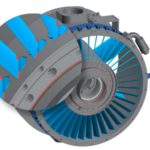
- Internal combustion engines and other energy-converting machines
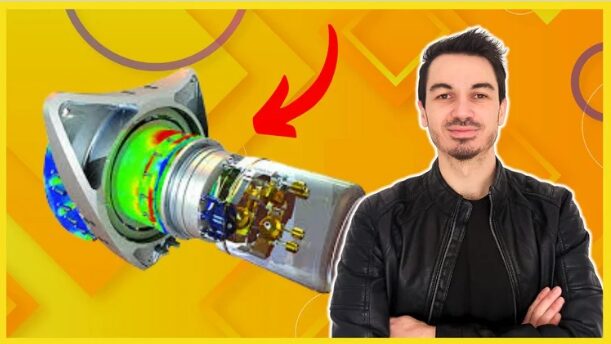
- Mechanical analysis, FEA, and engineering simulation
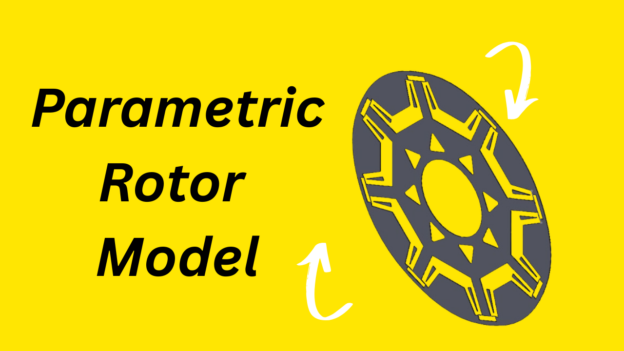
- CAD modeling and the development of mechanical systems
Where it is used in practice
Automotive
Vehicle development is one of the most familiar applications, especially around engines and mechanical systems.
Aerospace
Mechanical engineering is needed wherever aircraft or spacecraft have to withstand loads, vibration, heat, and motion.
Manufacturing
Industrial production depends on mechanical engineers for machinery, tooling, and production equipment.
Energy
Mechanical engineering has a major role in engines and other equipment used to generate and transfer power.
Building Systems
HVAC, ventilation, refrigeration, and other building systems fall within the mechanical engineering field.
Robotics
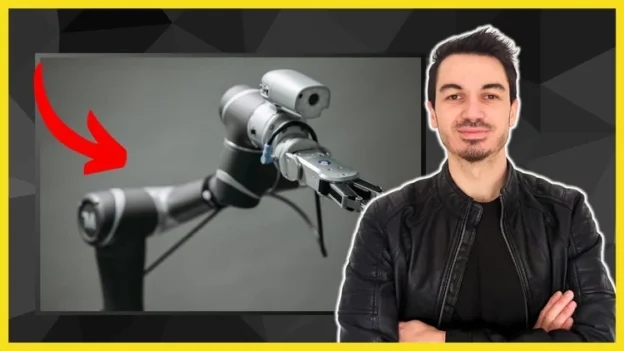
The moving parts, mechanisms, and physical structure of a robot are mechanical engineering problems.
Example tasks
- Calculate forces, stresses, and deformations in a mechanical component
- Analyze the motion and dynamics of a mechanical system
- Analyze heat transfer and temperature in a mechanical component
- Analyze fluid flow in a mechanical system
- Evaluate vibration and dynamic behavior in machinery
- Calculate the performance of an internal combustion engine
- Model and simulate the behavior of a mechanical system
- Perform FEA to assess the strength of a mechanical component
Top tutors for Mechanical Engineering





Tutors by skill
Related categories