Online Mechatronics Courses
Mechatronics courses cover the design, programming, and control of machines that pull from more than one engineering field.
- Mechanical systems and electromechanical components
- Sensors, motors, drives, control systems
- PLCs, microcontrollers, automation
Why Choose WiredWhite

 Approved by PhD Engineers
The quality of the online courses on our platform is important to us. Therefore, the content of the Online Courses offered on our platform are screened and approved by the Founder Team of WiredWhite, who are experienced engineers with PhD qualification.
 Tutoring Lessons
Our platform is dedicated to an excellent learning experience. Therefore, you can not only learn by yourself using our online courses, but you can also schedule Online Tutoring Lessons with our course instructors or any other engineering experts whose skills match your request.
 Learning Tools
Benefit from a seamless learning experience with our integrated tools such as online classrooms, chats, whiteboards, etc. Write private messages to tutors, schedule online calls using their booking calendar and make use of our integrated project management system.
 Built for Engineers
WiredWhite is an engineering and technology specialized platform. Besides online courses and a huge network of engineering professionals, you will find meaningful articles, webinars, job opportunities – everything you need for a successful and thriving career in engineering.
 Job Opportunities
Combine upgrading your engineering skills with finding exciting job opportunities. Just be active on the platform, gain new skills and become part of our industry projects.
The training works for building a general grasp of mechatronic systems, and it works for specific tasks — automated equipment, motion systems, machine control. Show more
Show more
Who Should Take These Courses?
- Students — a foundation before or during a university engineering program.
- Professionals — staying current with automation, sensor integration, and advanced robotics.
- Hobbyists — understanding how the systems work, then building at home.
Study at your own pace, from anywhere. The material assumes nothing — if you've seen some of it before, you move faster.
Career Opportunities in Mechatronics
- Robotics and automation
- Aerospace and automotive
- Consumer electronics and smart devices
- Manufacturing and production
- Biomedical engineering
Job titles
- Mechatronics Engineer
- Automation Specialist
- Control Systems Engineer
- Embedded Systems Developer
All of them come down to the same thing: working across mechanical, electrical, and software boundaries instead of staying in one lane.
Demand for smart machines isn't slowing down.
Mechatronics Prerequisites
Prerequisites vary by course. A background in mathematics, mechanics, electronics, or programming can make some of them easier to follow, but you don't need the same level of experience in every area.
What you will actually learn
- How mechanical and electrical parts interact in a machine
- Selecting and connecting sensors and actuators
- Motor control and basic drive systems
- Reading electrical and mechanical diagrams
- PLC programming for machine control
- Microcontroller-based control
- Feedback and closed-loop control
- Basic troubleshooting of electromechanical systems
Where it is used in practice
Factory Equipment
Machines that feed, position, move, clamp, cut, or sort parts often combine mechanics with sensors, drives, and controllers.
Robot Cells
A robot installation may include grippers, conveyors, safety devices, vision sensors, and several motors that have to work in a defined sequence.
Machine Tools
CNC equipment relies on controlled axis movement, feedback from encoders, spindle drives, and machine control.
*Assembly Stations
A workstation can detect a part, check its position, perform an operation, and release it for the next stage.
Material Handling
On a conveyor line, a sensor may fail to detect a part or a motor may stop under load. The control system has to account for faults like these.
Packaging Lines
On a packaging machine, the film feed, sealing unit, and cutter all need their own settings, and a change in package size can affect all three. Changing the product or its dimensions can mean adjusting the timing.
Example tasks
- Control a motor from sensor input
- Build a PLC sequence for an automated mechanism
- Configure sensors for position detection
- Program a microcontroller to operate an actuator
- Add limit switches and interlocks to a machine
- Control the speed or position of a motor
- Debug a fault in an electromechanical system
- Simulate a machine sequence before implementation
Top tutors for Mechatronics





Tutors by skill
Related categories
Related articles
-
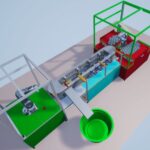
 MATLAB Simulink Simulation of Conveyor and Robotic Sorting System
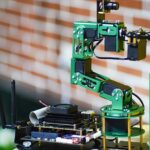
- Implementation of a Vision-Guided Collaborative Robot for Automated Component Handling and Testing
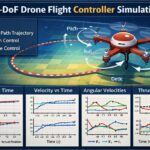
- Design and Simulation of a 6-DoF (Degree-of-Freedom) Drone PID Flight Controller in MATLAB
- Model-Based Control Design for Swing-Up and Balance of an Inverted Pendulum Using Simulink and Arduino