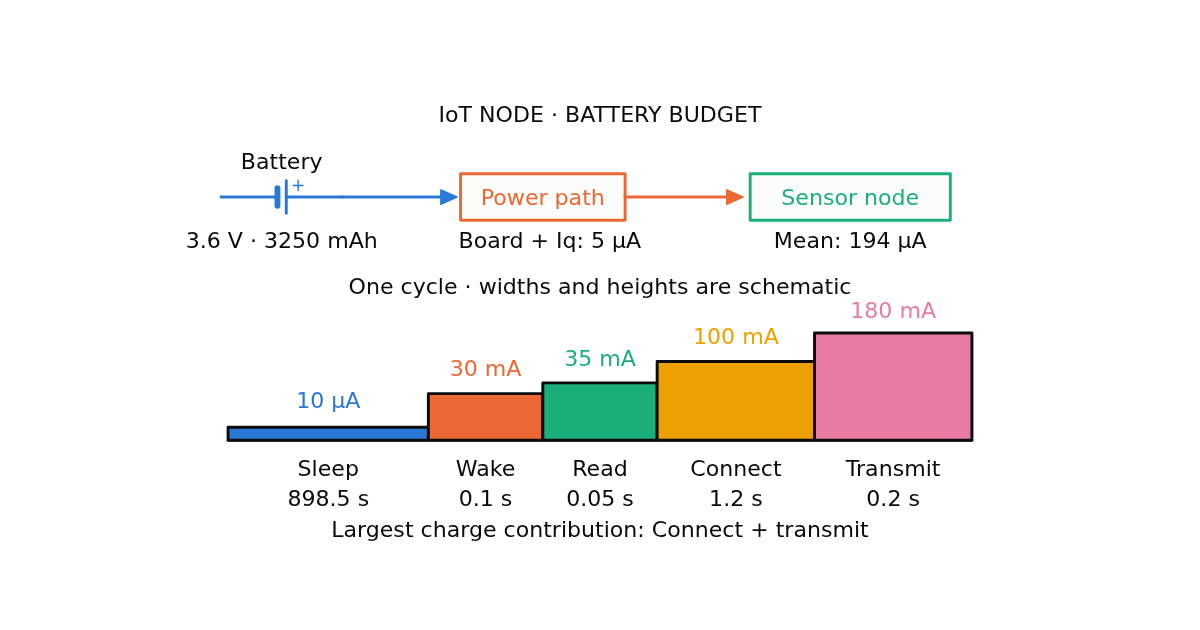
Estimate sensor node battery life from sleep, wake, sensing, connection and transmit states. Include board leakage, regulator current, capacity derating and annual self-discharge.
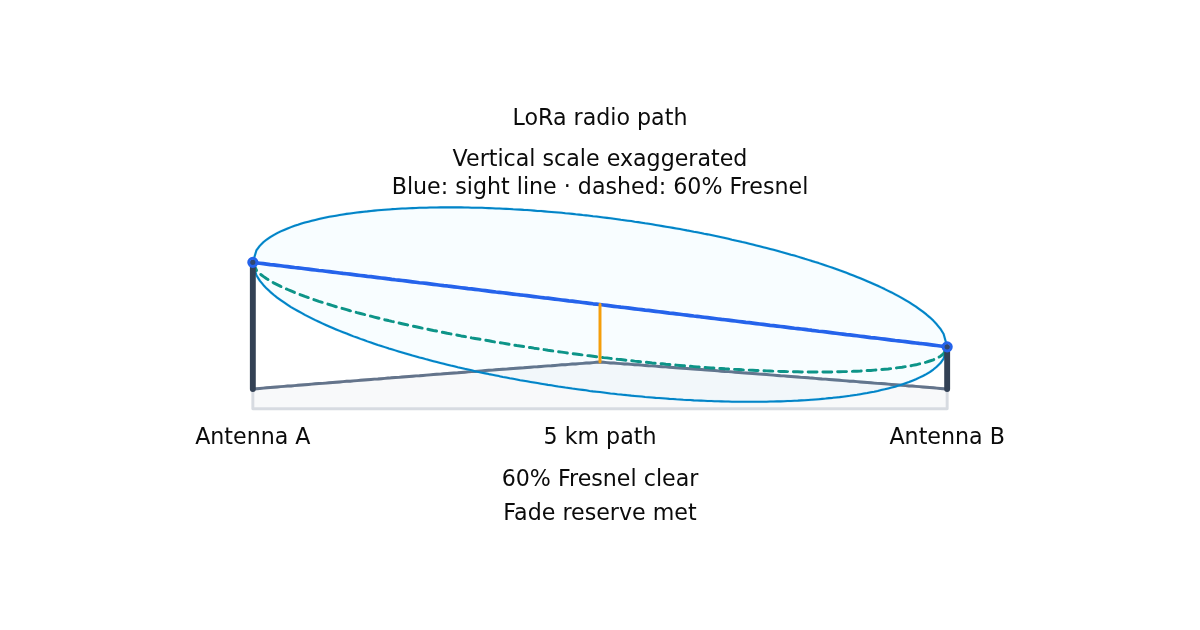
Estimate LoRa link margin, Fresnel clearance and ridge diffraction. Compare free space with Hata models and check dated regional power and airtime presets.
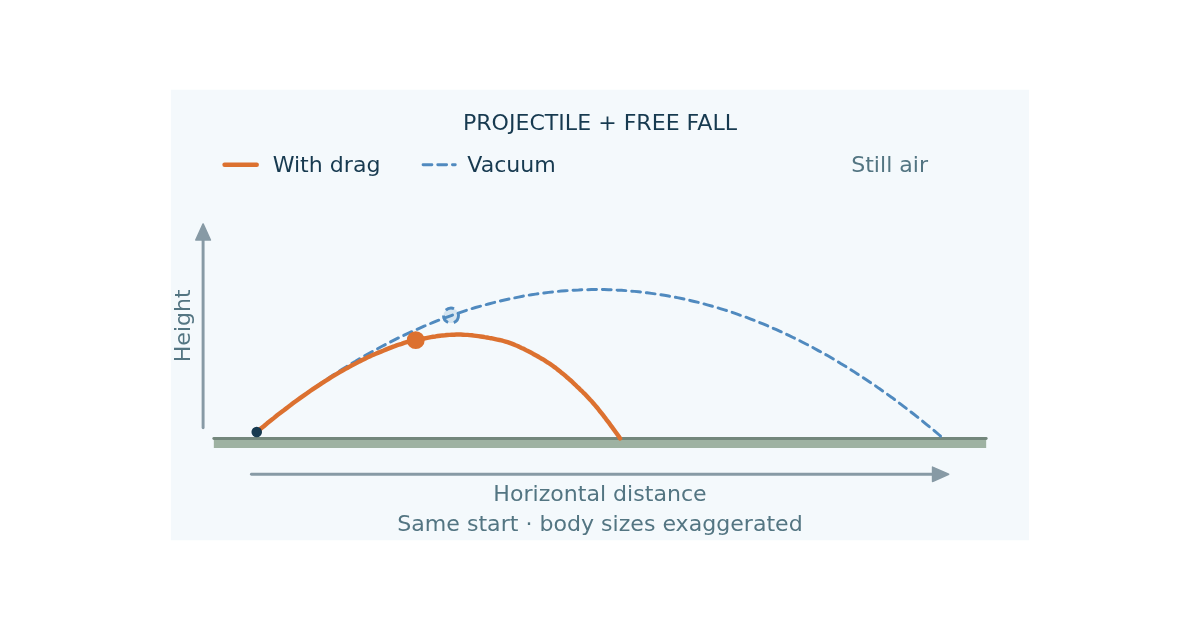
Calculate projectile motion and free fall with air resistance, wind and altitude. Compare the vacuum path, find the best launch angle, and estimate terminal velocity.
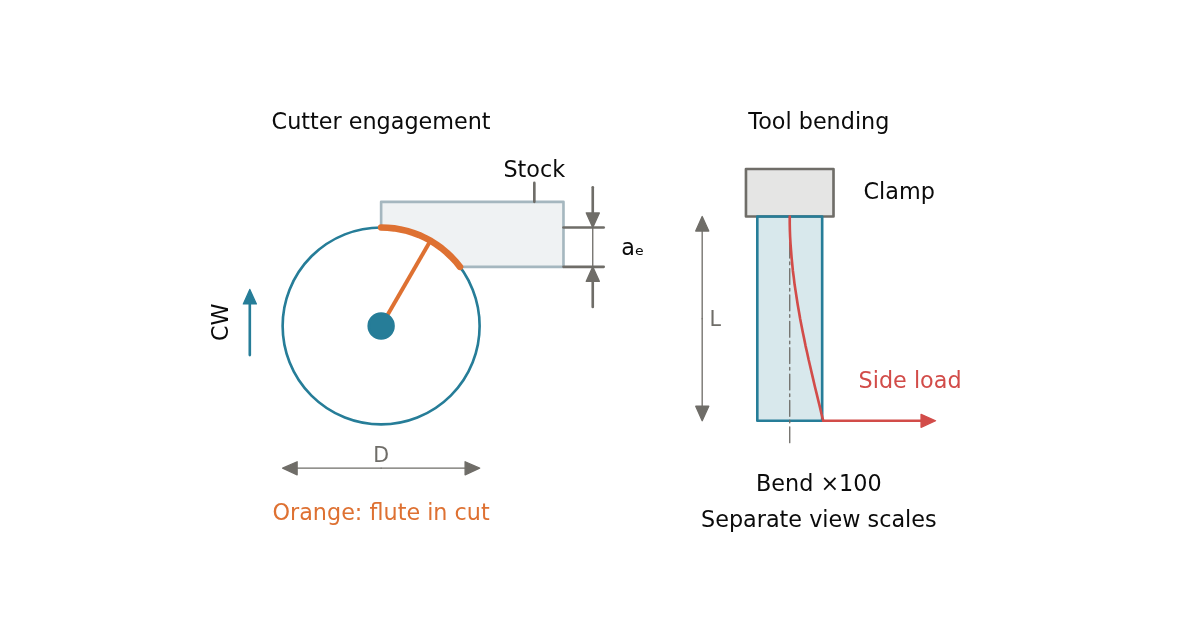
Calculate chip load, radial chip thinning, feed rate, spindle power and static end mill deflection. Explore cutter engagement and the effect of stickout.
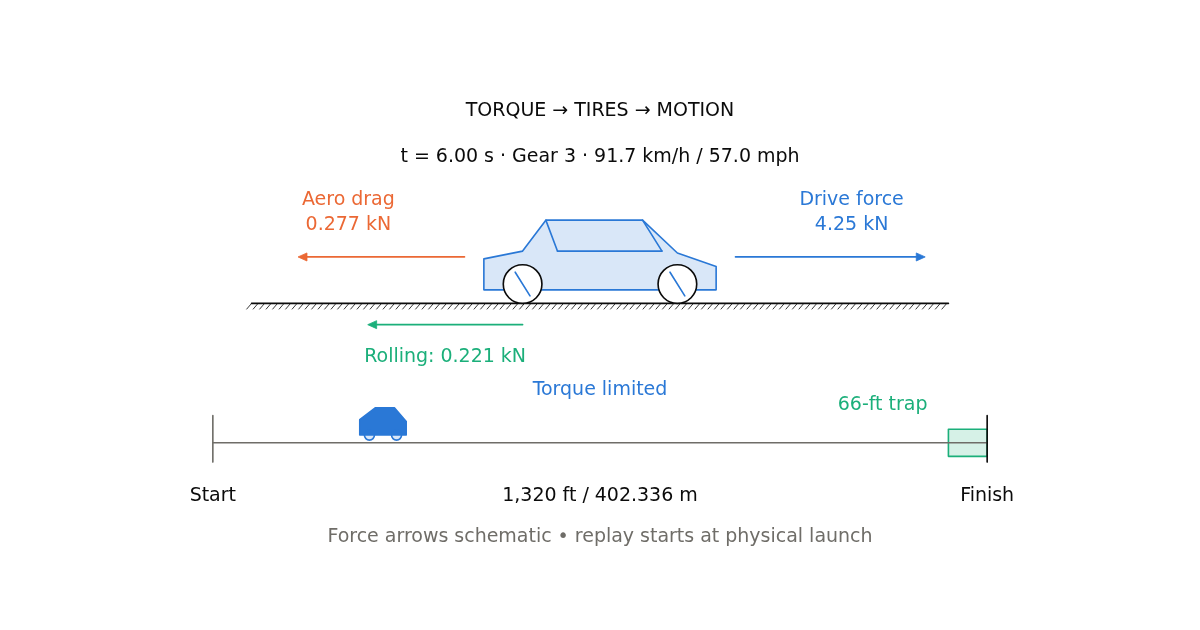
Simulate quarter-mile ET, trap speed and 0–60 mph from an engine torque curve, gearing, shift delays, tire grip and road loads. Replay the pass and compare the forces.
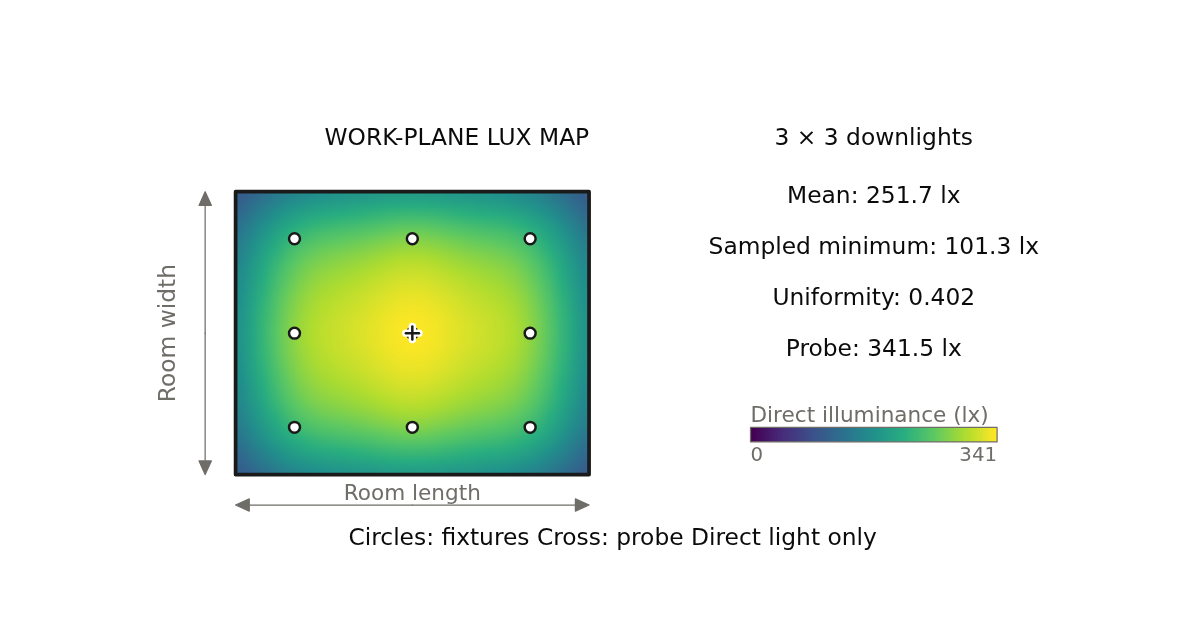
Plan recessed-light spacing and count from lumens, beam angle and mounting height. Compare lux heat maps, average light levels and uniformity with a task target.
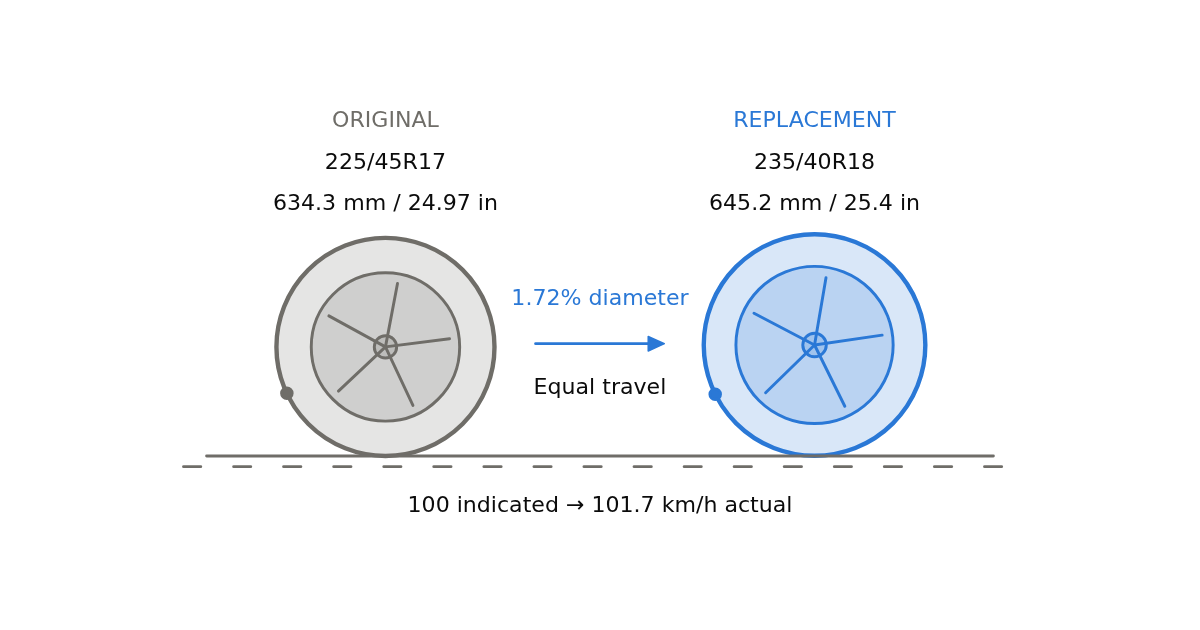
Compare tire sizes, speedometer error and engine RPM in every gear. Find regear targets and see how wheel offset changes a measured clearance envelope.
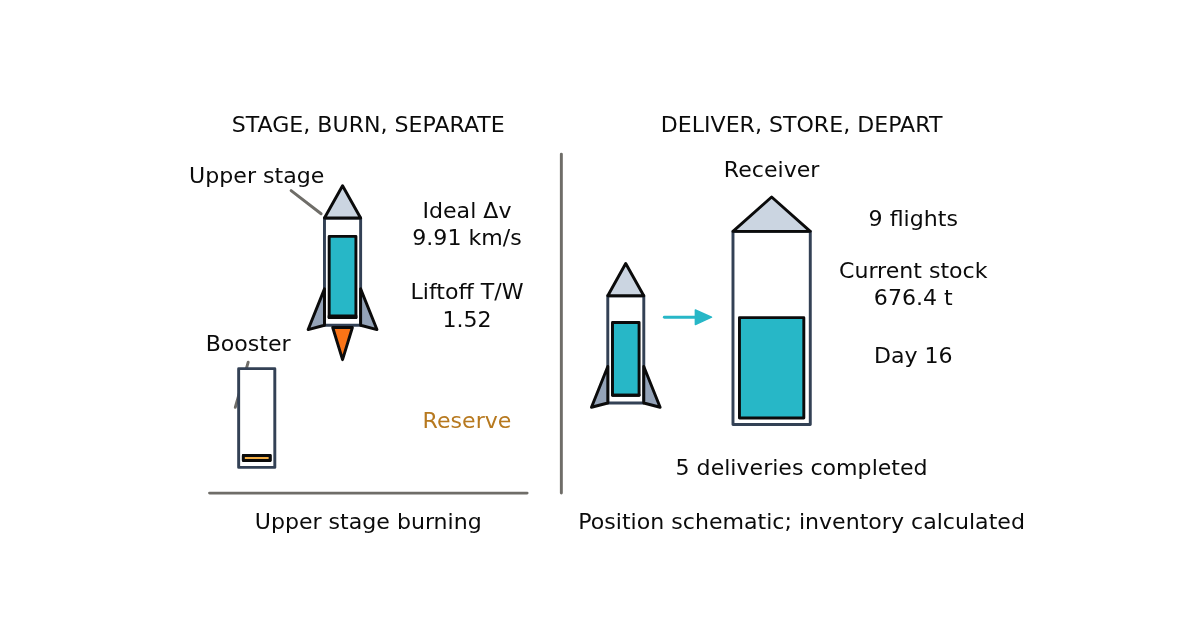
Calculate staged rocket delta-v, thrust-to-weight and ascent loss estimates. Explore optimal mass allocation and tanker deliveries with transfer losses and boil-off.
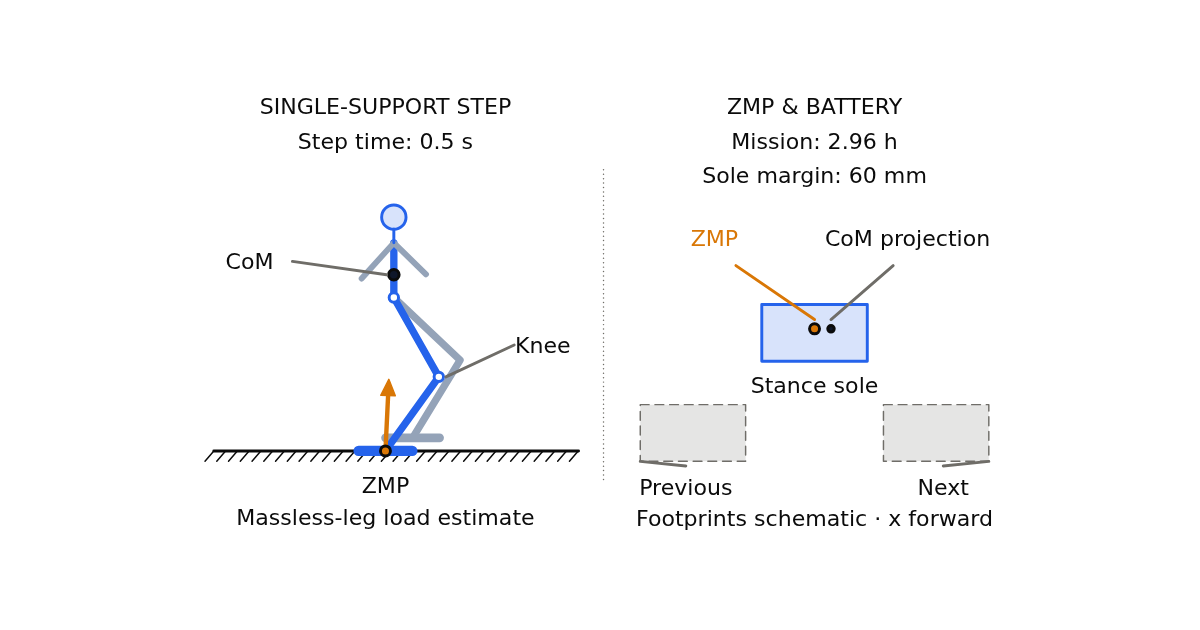
Estimate humanoid robot battery life, ZMP balance margins and hip/knee stance torque. Animate a walking step and compare battery, gait and duty-cycle assumptions.
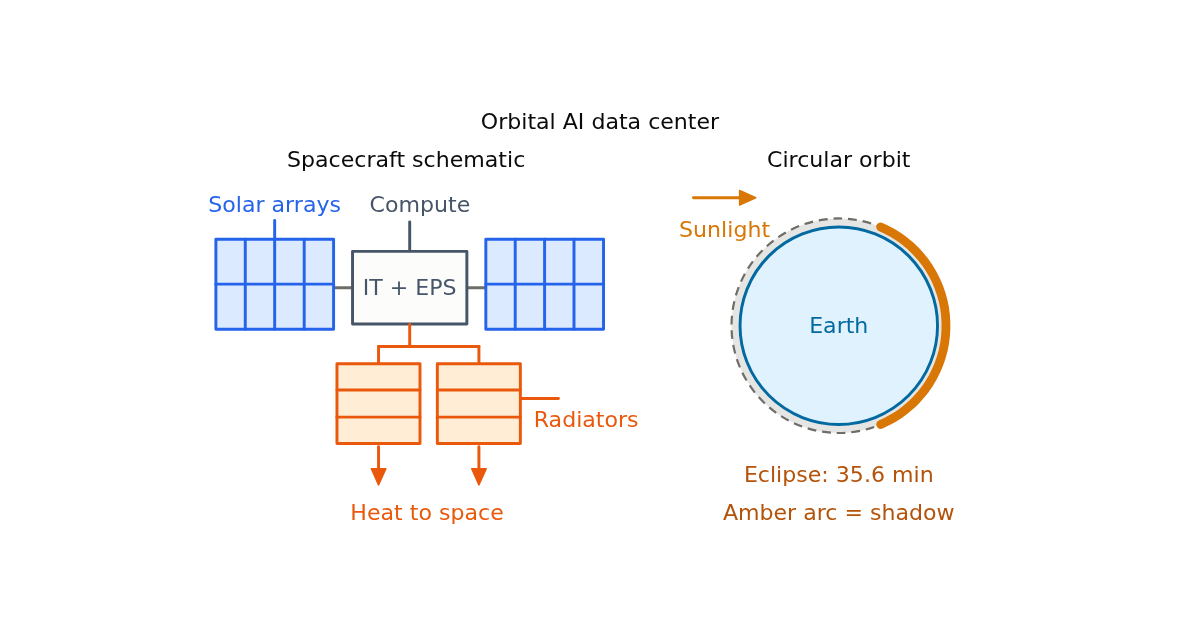
Size solar arrays, eclipse batteries and radiators for an orbital AI data center. Compare temperature, orbit geometry, launch mass and launch-price assumptions.
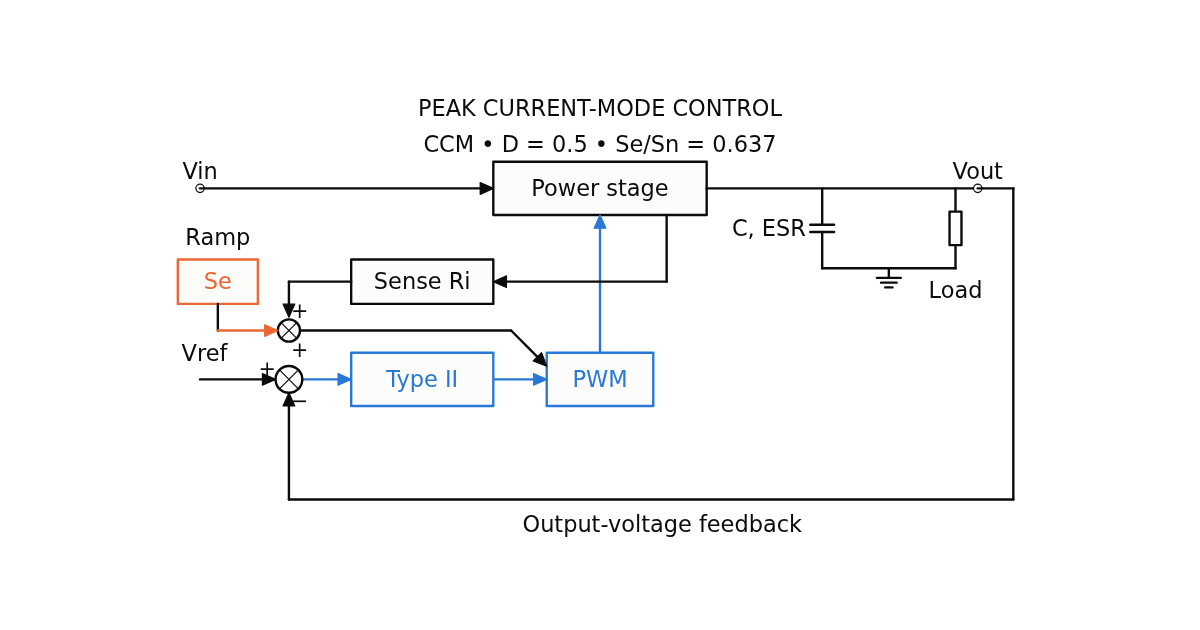
Size the slope compensation and design a Type-II voltage loop for CCM buck, boost and flyback converters. Inspect sampled-data peaking, all gain crossings, Bode plots and a linear load-step estimate.
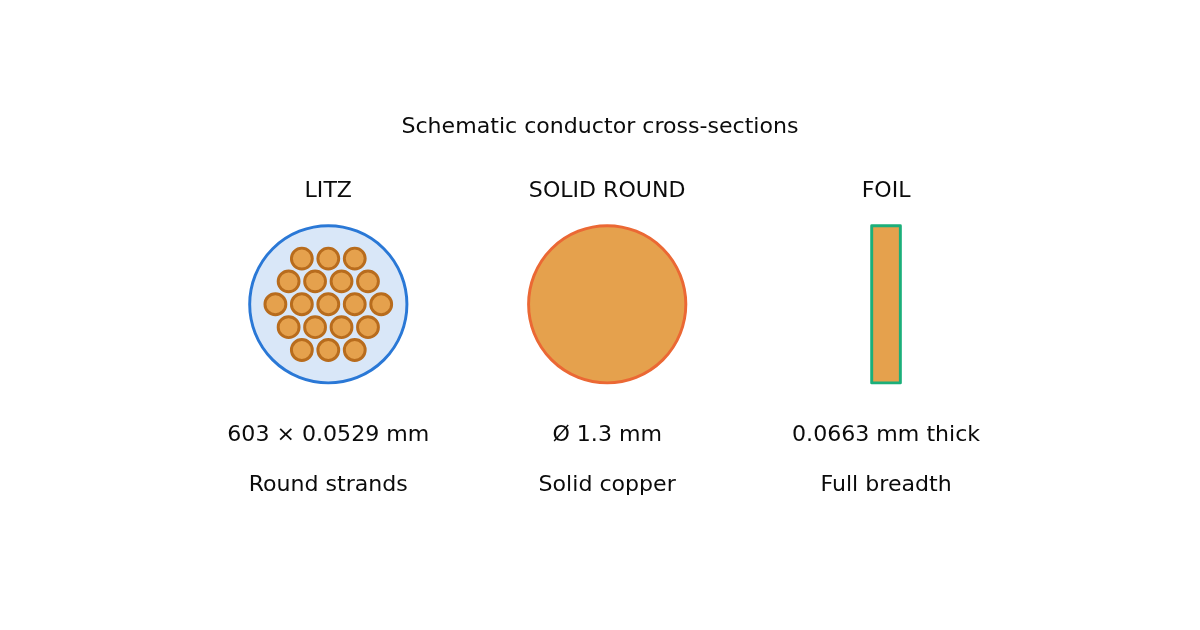
Find a low-loss litz strand diameter and count for your winding window. Compare equal-copper solid wire and foil, including skin effect, proximity effect and current harmonics.
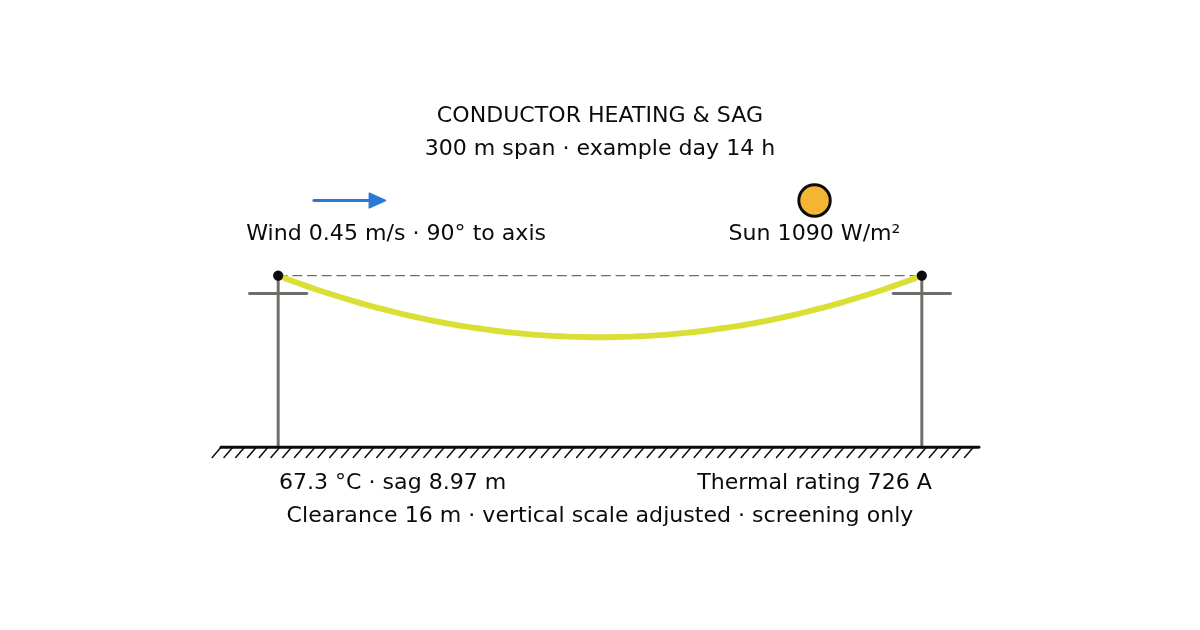
Estimate overhead conductor ampacity, temperature after a current step, and thermal sag from ambient temperature, wind and sun. Includes ambient-only comparisons and an animated example day.
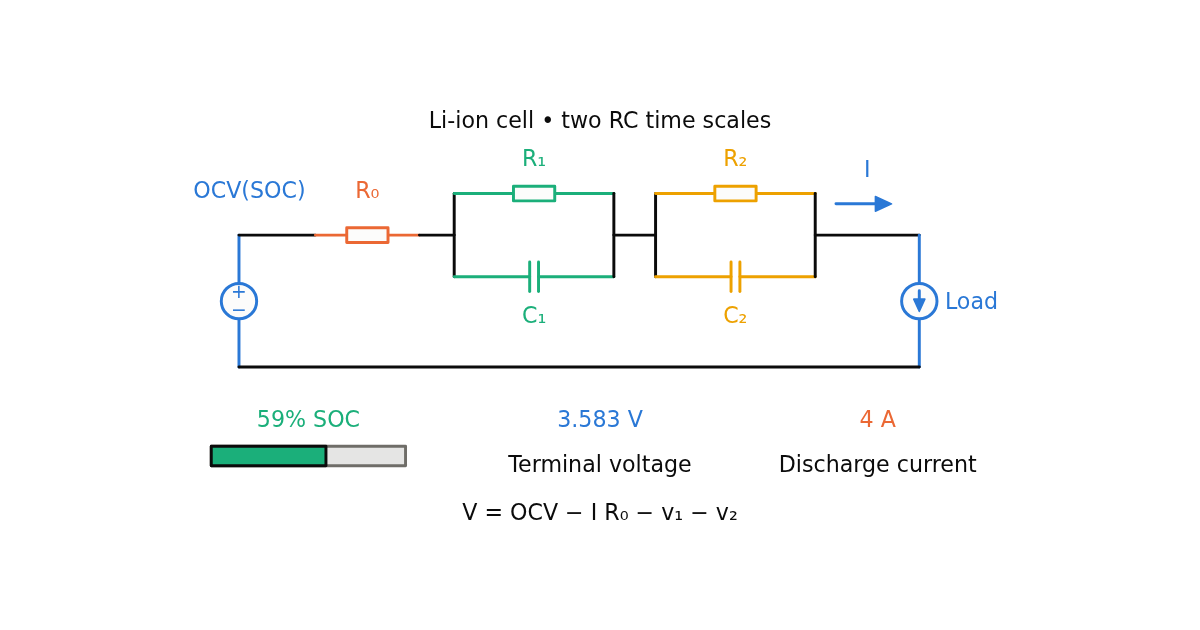
Predict Li-ion cell voltage sag, cutoff time and usable capacity under constant, pulse or drive-style loads, with two RC transients and voltage relaxation.
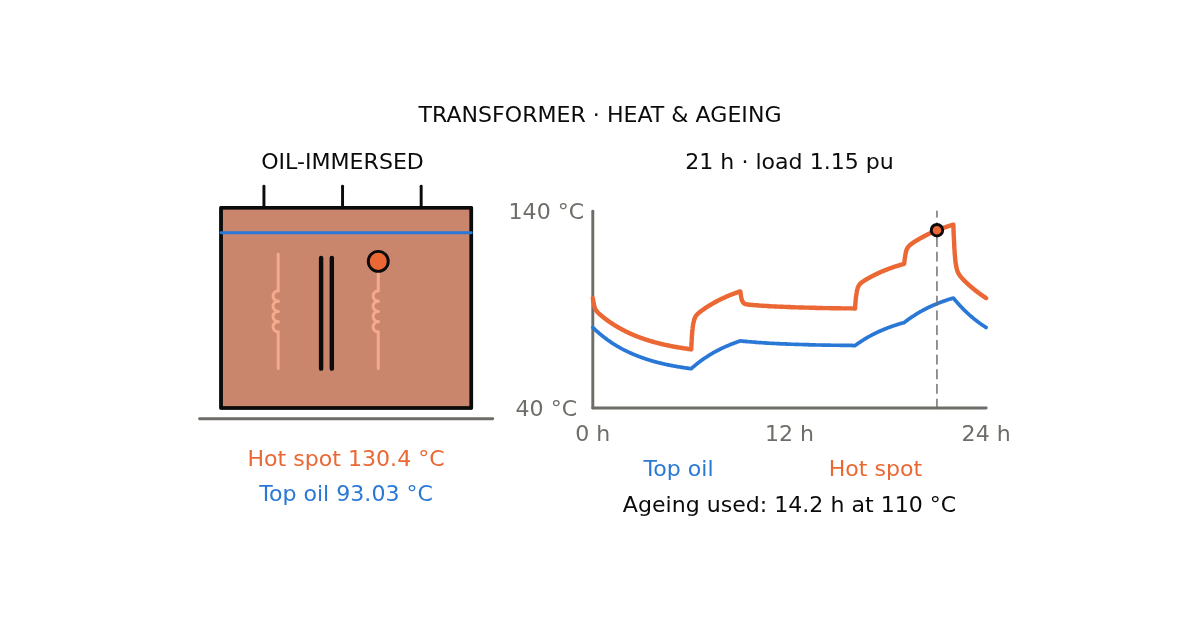
Model a 24-hour transformer load cycle, hot-spot temperature and insulation life use. Calculate harmonic loss factors and loss-based derating from a current spectrum.
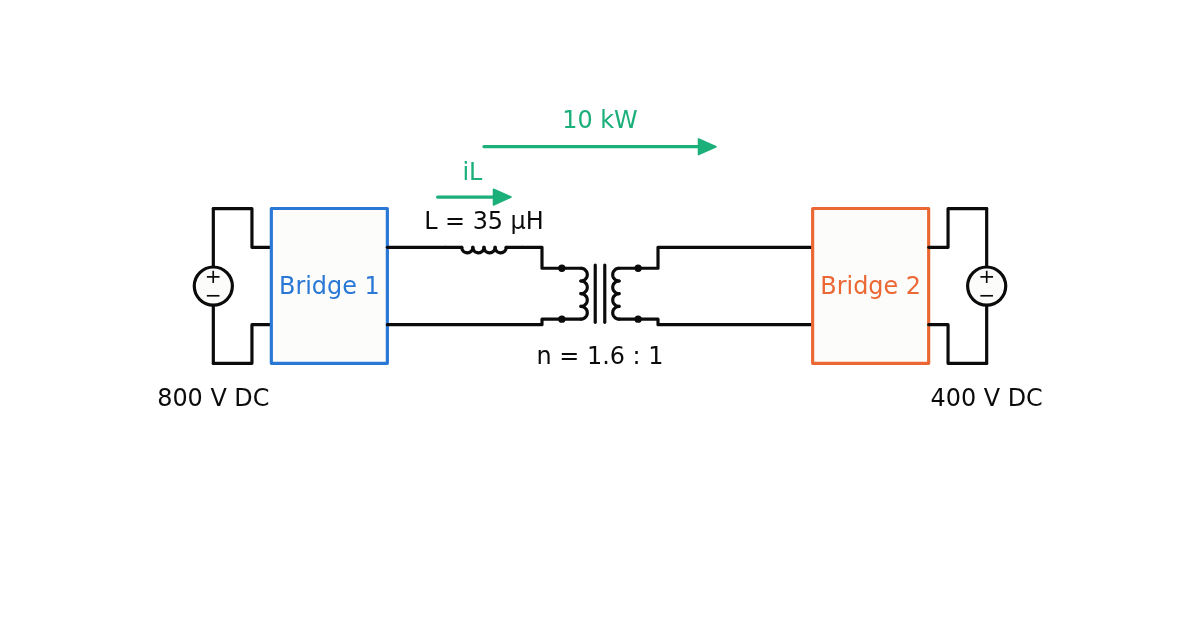
Optimize TPS timing for minimum RMS current or circulating backflow with both bridges screened for ZVS. Compare SPS across bidirectional power, including an 800 V V2G preset.
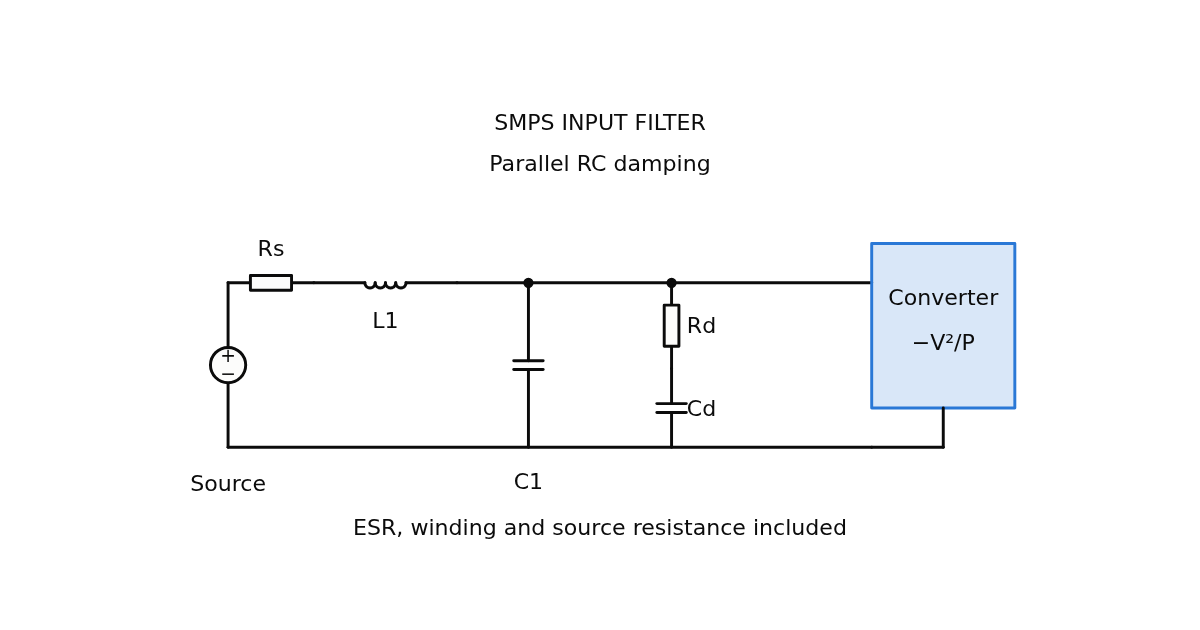
Check whether an LC input filter threatens converter stability. Compare RC and RL damping, two-stage filters, ripple attenuation, losses and small-signal transients.
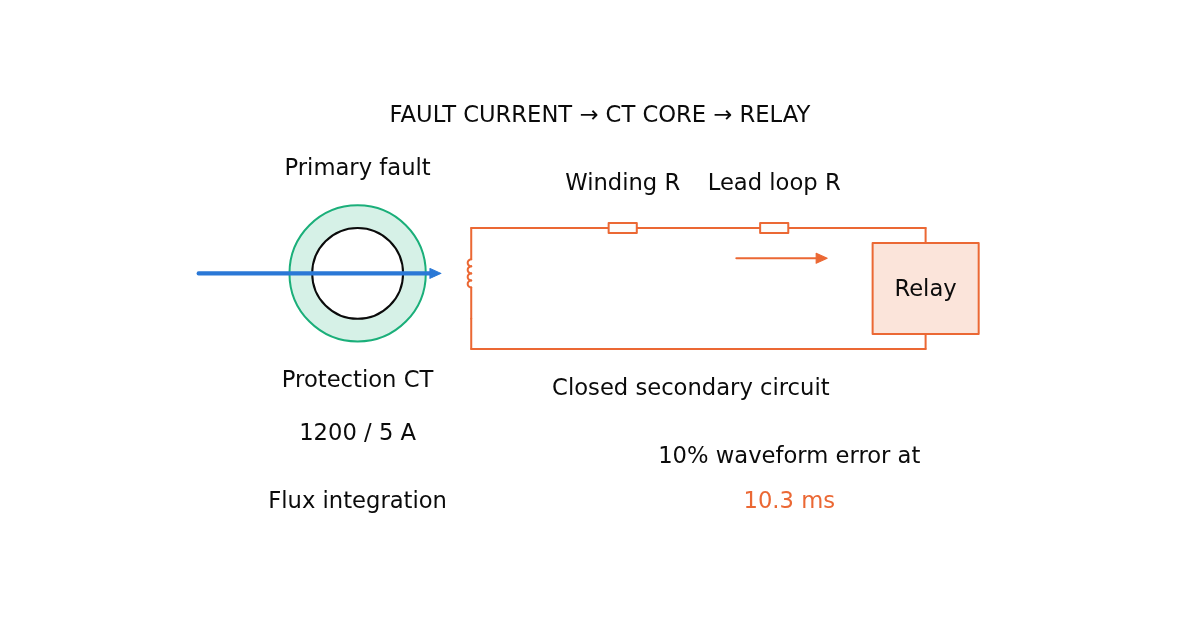
Estimate CT knee crossing and fault-current distortion with DC offset, burden and remanence. Animate core flux and compare the relay current with a one-cycle Fourier estimate.
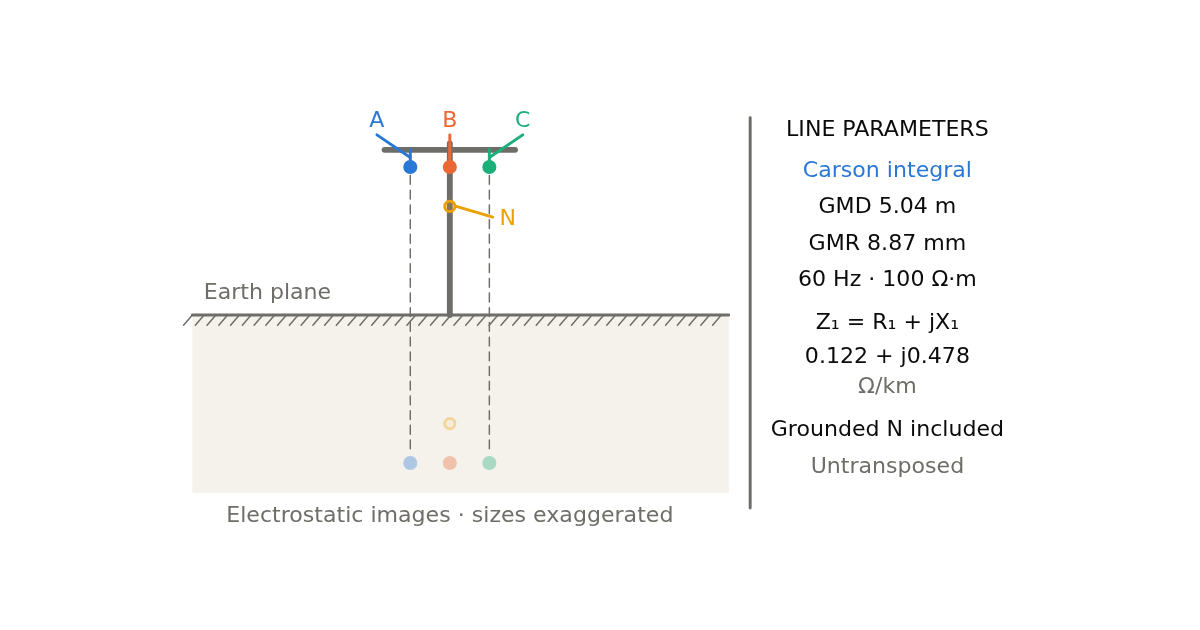
Calculate overhead-line R, L and C per km from conductor positions, bundles and soil resistivity. Inspect phase and sequence impedance matrices, with Carson earth return and neutral reduction.
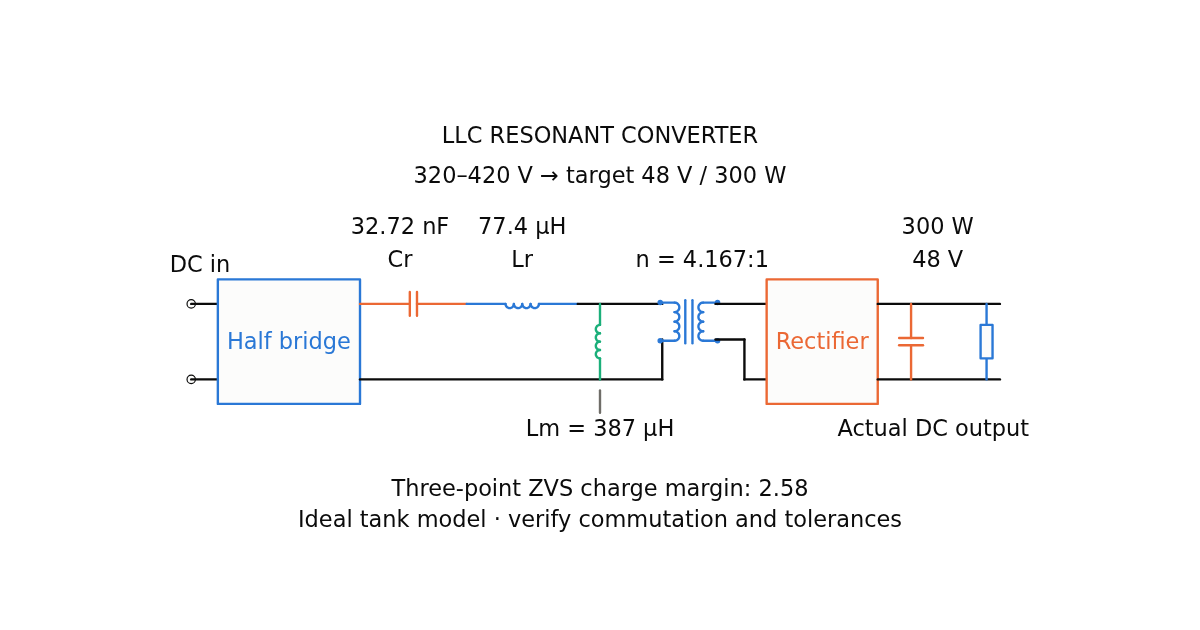
Size an LLC tank, compare FHA with exact PO/NP gain, and check ZVS charge margin and component stress for half-bridge or full-bridge operation.
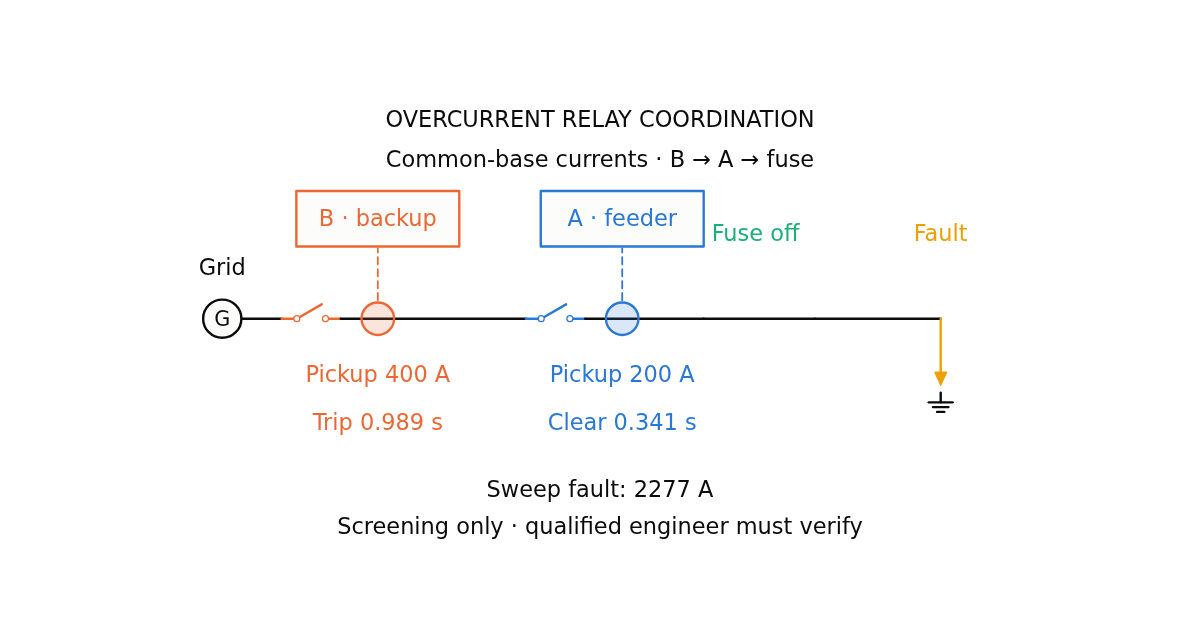
Plot IEEE and IEC relay curves with CT ratios, instantaneous trips and user fuse points. Screen grading margins and find a candidate upstream time dial and pickup interval.
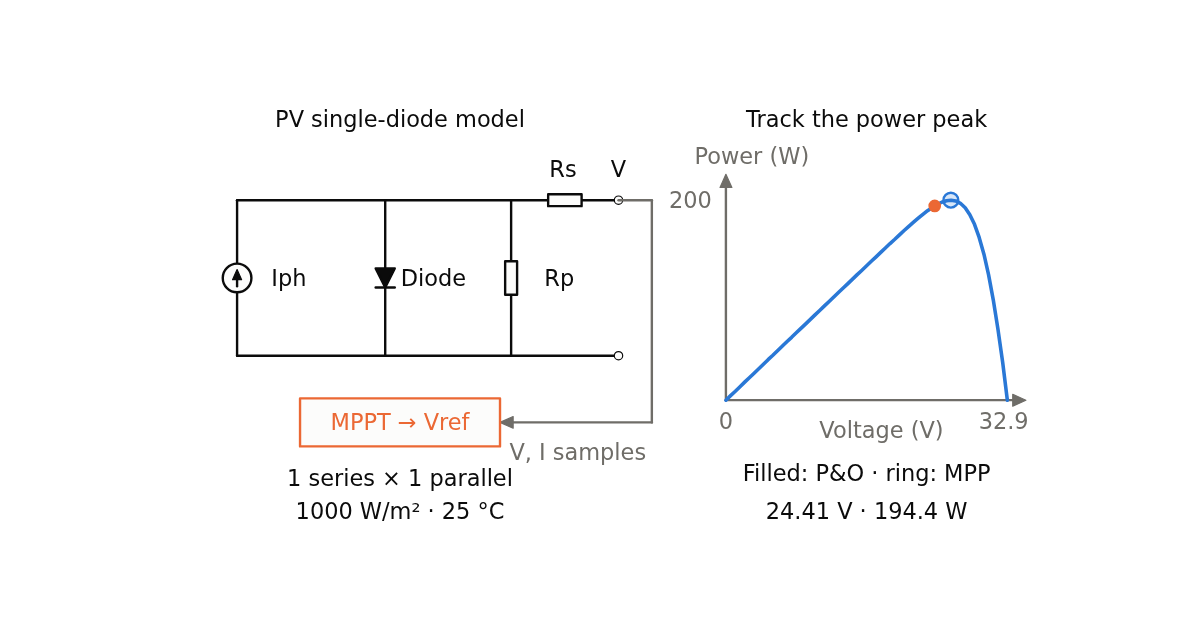
Build a PV module I-V and P-V curve family from datasheet points. Scale a matched array and animate P&O or incremental conductance MPPT with voltage-step and sampling trade-offs.
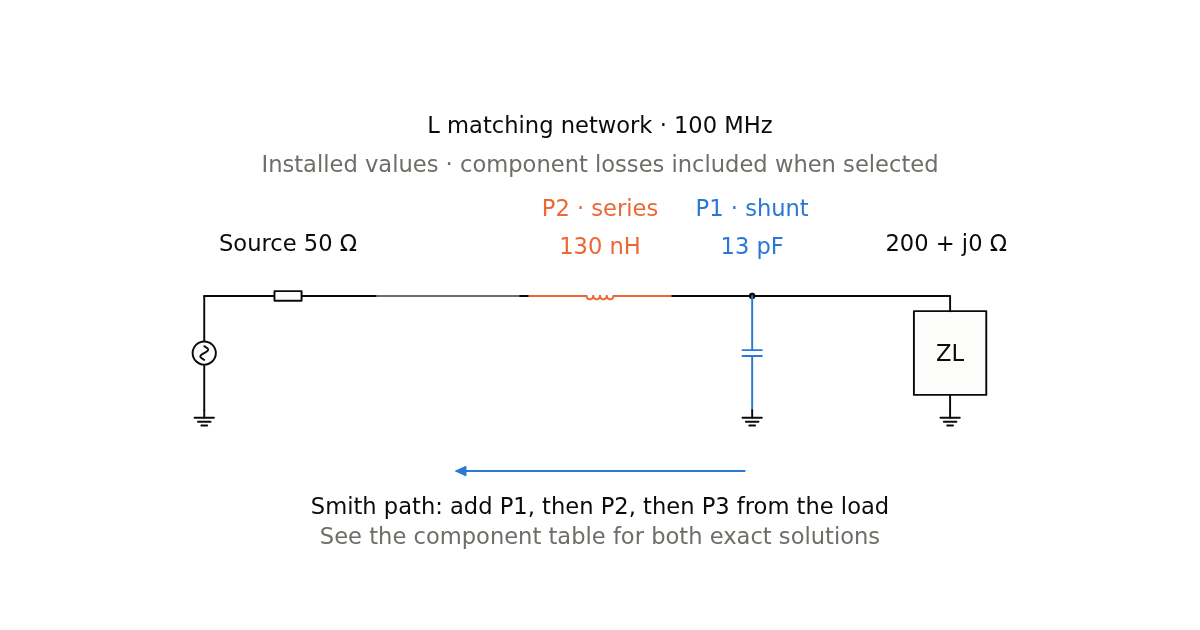
Design L, Pi and T networks for complex loads. Animate each element on a Smith chart, compare both L solutions, and check bandwidth, finite-Q losses and E-series rounding.
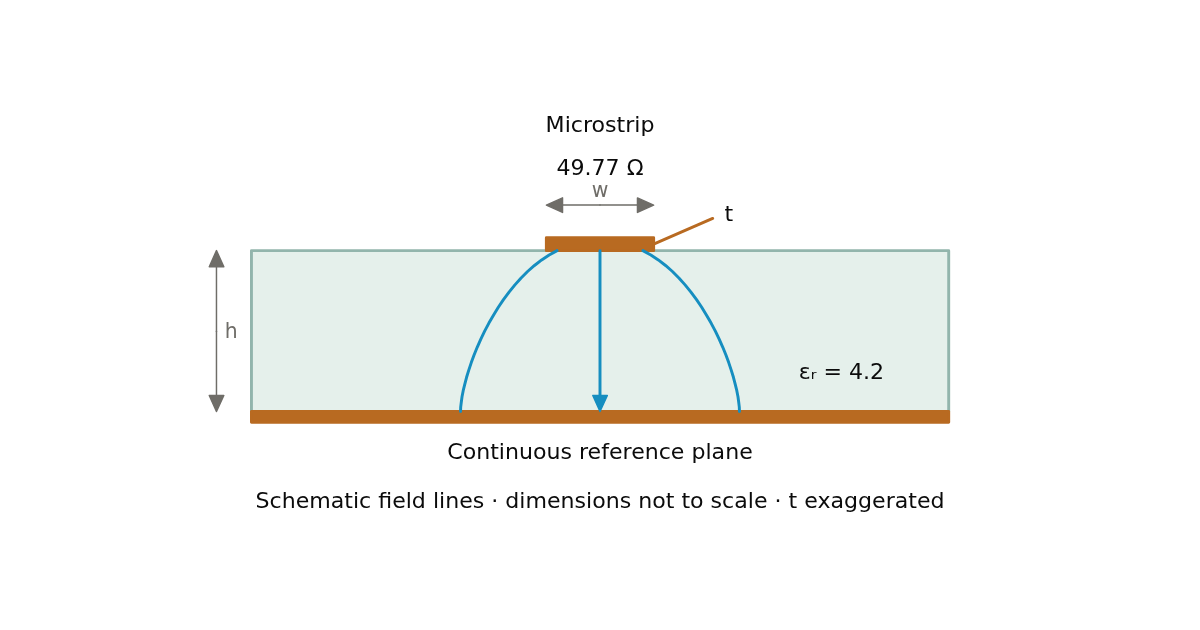
Find trace width or edge spacing for 50 Ω lines and 90/100 Ω differential pairs. Compare copper, dispersion and coplanar-ground effects on your stackup.