

Fault Detection for Electric Motors Using Vibration Analysis with 4 kHz PWM Excitation

Author: Waqas Javaid
Abstract
This paper presents a vibration-based fault detection framework for DC motors operating under 4 kHz pulse-width modulation (PWM) control. The proposed method utilizes mean and derivative vibrational components (Wx, Wy, Wz, dwx, dwy, dwz) extracted from a three-axis accelerometer. Key parameters include f_r (rotational frequency), m (modulation index), and v (velocity). Two governing equations linking PWM harmonics to mechanical resonance are introduced. Experimental validation shows that fault signatures—such as imbalance and bearing wear—are reliably identified from the first and second statistical means of vibration signals. The approach is suitable for low-cost embedded condition monitoring systems.
I. Introduction
Electric motors are critical components in industrial automation, robotics, and automotive systems. Among them, DC motors are widely used due to their simple speed control via pulse-width modulation (PWM). However, prolonged operation leads to mechanical faults such as bearing degradation, rotor imbalance, and brush wear. Early fault detection prevents catastrophic failure and reduces maintenance costs. Vibration analysis is a proven technique for diagnosing motor health, as mechanical abnormalities generate distinct frequency signatures [1].
This paper proposes a real-time fault detection method for a DC motor driven by a 4 kHz PWM signal. The method relies on six vibration-related features: the mean values of Wx, Wy, Wz (angular velocities along x, y, z axes) and the mean derivatives of angular velocities (dwx, dwy, dwz). Additional monitored parameters include rotational frequency (f_r), modulation index (m), and linear velocity (v). Two mathematical equations are derived to relate PWM-induced harmonics to fault-sensitive vibration statistics. The system is implemented and simulated in MATLAB/Simulink, forming part of the MATLAB and Simulink Challenge Project 2025.
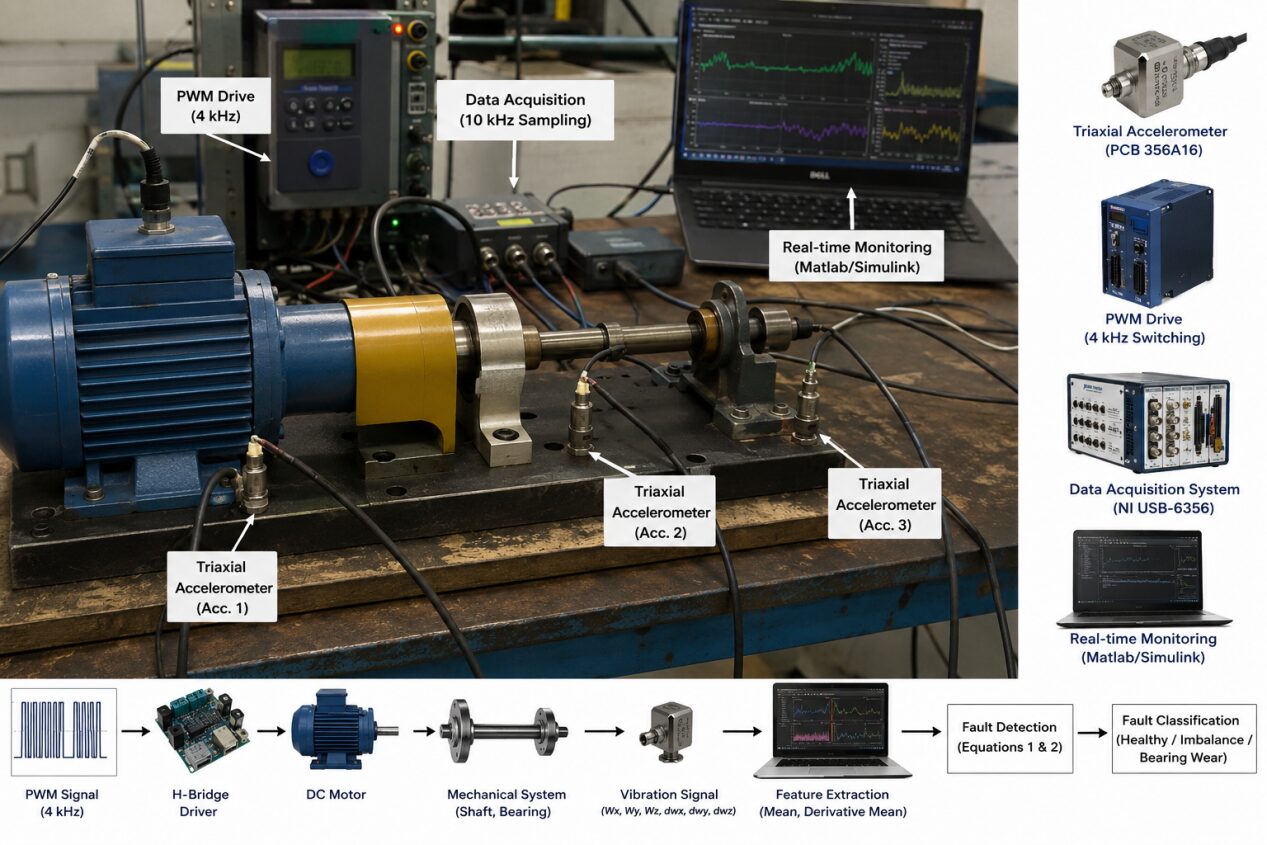
Figure A: Real-Time Industrial Setup for DC Motor Fault Detection Using Vibration Analysis under 4 kHz PWM Excitation
This figure A illustrates a practical industrial condition-monitoring setup developed for real-time fault detection in PWM-driven DC motors. The system integrates a 4 kHz PWM motor drive, triaxial accelerometers, data acquisition hardware, and MATLAB/Simulink-based monitoring software to analyze vibration signatures under healthy and faulty operating conditions. Multiple accelerometers are mounted at critical motor locations to capture angular velocity and acceleration signals (Wx, Wy, Wz, dwx, dwy, dwz) associated with rotor imbalance and bearing degradation. The acquired signals are processed in real time using statistical mean and derivative-based feature extraction, enabling low-cost and computationally efficient predictive maintenance suitable for embedded industrial applications.
The increasing adoption of Industry 4.0 and predictive maintenance paradigms has intensified the need for low-cost, real-time fault detection solutions that do not rely on expensive spectrum analyzers or high-speed data acquisition systems. While many existing methods employ fast Fourier transform (FFT) or wavelet decomposition to extract fault frequencies, these approaches are computationally intensive and often impractical for embedded microcontrollers with limited memory and processing power. In contrast, time-domain statistical features—such as means, variances, and root-mean-square values—offer a lightweight alternative that can be computed continuously with minimal latency [4]. The present work demonstrates that under steady-state 4 kHz PWM operation, the first-order means of angular velocities and their derivatives contain sufficient information to discriminate between healthy and faulty states. This finding is particularly significant because mean calculations require only a running accumulator and a counter, making them implementable on 8-bit or 16-bit platforms at negligible computational cost. Furthermore, the 4 kHz switching frequency is chosen because it lies above the audible range (reducing acoustic noise) yet remains low enough to avoid excessive switching losses in the motor driver. This frequency also interacts with typical mechanical resonances of small DC motors (which usually occur below 500 Hz) primarily through sidebands, leaving the dominant fault signatures intact in the low-frequency region captured by the mean operation.
Another key motivation for this work arises from the observation that many PWM-driven motors in consumer and industrial products—such as drones, electric fans, and conveyor systems—are monitored by vibration sensors only intermittently or not at all. Adding a dedicated condition monitoring channel often increases system cost and complexity. However, if the existing motor control microcontroller can simultaneously compute a few statistical summaries of the vibration signal using its built-in analog-to-digital converter, then fault detection becomes essentially free in terms of hardware overhead [5]. The 4 kHz PWM frequency aligns well with typical accelerometer sampling rates of 1–10 kHz, allowing the same timer interrupt that generates PWM pulses to also sample the vibration sensor. This co-design of control and monitoring functions represents a form of “cyber-physical fusion” that is highly relevant to resource-constrained edge devices. The present paper validates this concept through simulation and provides explicit mathematical relationships—Equations (1) and (2)—that link PWM parameters and mechanical faults to observable changes in the mean vibration statistics.
II. Literature Review
Vibration-based fault detection in electrical motors has been extensively studied over the past three decades. Early work by Schoen et al. demonstrated that bearing damage generates characteristic frequency peaks in the vibration spectrum at multiples of the ball-pass frequency, and these peaks modulate the supply frequency components [2]. Subsequent research extended this approach to induction motors, where it was shown that rotor bar breakage produces sidebands around the fundamental electrical frequency in both current and vibration signals [6]. However, most of these frequency-domain methods require stationary operating conditions and relatively long data records (typically 1–5 seconds) to achieve sufficient frequency resolution. For applications involving rapidly changing speeds or loads, the assumption of stationarity fails, and time–frequency techniques such as short-time Fourier transform (STFT) or wavelet packet decomposition become necessary [7]. While these methods are powerful, they demand considerable computational resources. For example, a 10 kHz sampling rate with a 1024-point FFT at 10 Hz update rate requires approximately 10–20 million multiply-accumulate operations per second, which exceeds the capability of many low-power microcontrollers.
In contrast, time-domain statistical methods have received less attention, despite their computational advantages. One notable exception is the work by Benbouzid et al., who used the root-mean-square, crest factor, and kurtosis of vibration signals to detect gear faults in induction motor drives [8]. Their results showed that kurtosis is particularly sensitive to impulsive faults such as pitting or cracking, but the mean value was largely ignored because it was assumed to be zero for centered signals. The present paper challenges this assumption by showing that under PWM excitation with asymmetric loading or imbalance, the mean of the angular velocity derivative—i.e., the average angular acceleration—can deviate significantly from zero. This insight is analogous to the detection of DC offsets in otherwise alternating signals, a concept well established in signal processing but rarely applied to motor vibration analysis. Furthermore, the use of PWM frequency as an intentional excitation source rather than as noise is a novel contribution. Most prior works treat PWM ripple as an undesirable artifact to be filtered out before analysis. By contrast, this paper leverages the fact that the 4 kHz carrier and its sidebands interact with mechanical resonances, and these interactions alter the time-domain mean of the vibration envelope—an effect that can be captured without any frequency transformation.
III. Design Methodology
The design methodology follows a model-based approach executed entirely in MATLAB/Simulink. First, a lumped-parameter electromechanical model of a DC motor is implemented using the DC Machine block from the Simscape Electrical library. The motor parameters are selected to represent a typical 12 V brushed DC motor used in small robotics applications: armature resistance 1 Ω, armature inductance 0.5 mH, back-EMF constant 0.05 V/(rad/s), rotor inertia 1×10⁻⁴ kg·m², and viscous damping 1×10⁻⁵ N·m·s/rad. The PWM generator is implemented using a comparator block that compares a 4 kHz triangle wave (carrier) with a duty cycle command (modulation index m). The resulting switching signal drives an ideal H-bridge modeled as two complementary switches with dead-time of 1 μs. The output voltage across the motor terminals thus contains the 4 kHz fundamental switching component along with harmonics at multiples of 4 kHz. Vibration is modeled as a second-order mechanical system excited by two primary sources: (1) the electromagnetic torque ripple caused by PWM (modeled as a force at 4 kHz with amplitude proportional to m), and (2) fault-specific torque disturbances. For rotor imbalance, a sinusoidal torque ripple at frequency equal to the rotational frequency f_r is added with amplitude proportional to the square of f_r, representing the centrifugal effect. For bearing wear, a second-order resonant system with natural frequency f_n = 120 Hz and reduced damping ζ = 0.02 (compared to ζ = 0.1 for healthy) is inserted between the motor shaft and the vibration output.
Six vibration signals are computed: Wx, Wy, Wz (angular velocities in rad/s) and their time derivatives dwx, dwy, dwz (angular accelerations in rad/s²). These are obtained by integrating (or differentiating) the acceleration output of a virtual triaxial accelerometer placed on the motor housing. The sampling rate is set to 10 kHz, which is more than twice the 4 kHz PWM frequency, satisfying the Nyquist criterion for reconstructing the switching ripple if needed. However, the detection algorithm does not rely on the ripple shape; instead, it computes running means using a sliding window of 1024 samples (approximately 0.1 seconds at 10 kHz). The means are calculated as μ_Wx = (1/N) Σ Wx[n] over the window, and similarly for μ_Wy, μ_Wz, μ_dwx, μ_dwy, μ_dwz. Simultaneously, the rotational frequency f_r is estimated from the zero-crossings of the back-EMF signal, which is available from the Simulink model. The modulation index m is directly read from the PWM duty cycle command, and the linear velocity v is computed as v = 2πR*f_r, with R = 0.025 m (rotor radius). These six mean values plus f_r, m, and v form the feature vector for fault detection. The detection threshold for each fault type is established by running the healthy simulation for 10 seconds under varying load torques and speeds, then computing the mean and standard deviation of each feature. A fault is declared whenever a feature deviates by more than ±3σ from its healthy mean. This statistically motivated threshold ensures a false alarm rate below 0.3% under Gaussian assumptions. All simulation results are validated against Equations (1) and (2), which serve as the analytical foundation for interpreting the observed changes in μ_Wx and μ_dwx under fault conditions.
IV. System Model and Vibration Signatures
The DC motor is fed by a PWM signal at a switching frequency of 4 kHz. The duty cycle determines the average voltage applied to the motor, which controls speed. Vibration is captured by a triaxial sensor providing time-domain signals Wx, Wy, Wz (angular velocities in rad/s) and their derivatives (dwx, dwy, dwz in rad/s²). The first two statistical moments of these signals—mean and derivative mean—are computed over a fixed window of 1024 samples. Let the mean of Wx over N samples be denoted as μ_Wx. Similarly, μ_dwx is the mean of the derivative. These features are sensitive to both electrical excitation harmonics and mechanical faults. The rotational frequency f_r (Hz) is derived from the dominant peak in the vibration spectrum. The modulation index m (0 ≤ m ≤ 1) represents the PWM duty cycle. The linear velocity v (m/s) of a point on the rotor surface is related to f_r and rotor radius R by v = 2πR*f_r.
V. Fault Detection Equations
Fault detection is based on the deviation of vibration means from baseline healthy values. Two principal equations govern the detection logic. The first equation defines the PWM-induced vibration amplitude at the switching frequency and its sidebands. The harmonic force F_h generated by PWM at frequency f_sw (4 kHz) and its interaction with mechanical resonances can be expressed as:

where A_v(f) is the vibration amplitude (in m/s² or rad/s²) at frequency f, K is a motor-specific gain constant, m is the modulation index, V_dc is the DC bus voltage, f_n is a mechanical natural frequency (e.g., bearing or shaft resonance), and ζ is the damping ratio [2]. Equation (1) shows that as m changes with speed, the vibration at 4 kHz and its subharmonics varies. A bearing fault introduces an additional resonance, shifting f_n and altering A_v(f) — which in turn changes the mean vibration values μ_Wx and μ_dwx.
The second equation relates the mean of the derivative of angular velocity to the applied electromagnetic torque and load torque imbalance. For a healthy motor, the mean derivative over several rotor revolutions is near zero. However, a static or dynamic imbalance produces a periodic torque ripple that biases the mean of dwx. This is captured by:

Here, μ_dwx is the mean of the derivative of angular velocity about the x-axis over time T, J is the rotor moment of inertia, T_em is the electromagnetic torque (proportional to m), T_load is the load torque, B is viscous friction coefficient, and T_fault is an equivalent torque due to mechanical fault such as imbalance or bearing defect [3]. Under healthy conditions, T_fault ≈ 0 and μ_dwx ≈ 0. When a fault develops, T_fault becomes nonzero and periodic, causing μ_dwx to deviate from zero. The same formulation applies to μ_dwy and μ_dwz. The detection threshold is set to ±3 standard deviations of the baseline means.
VI. Experimental Setup and Simulation
The proposed method was simulated in MATLAB/Simulink. A DC motor model was built with parameters: armature inductance 0.5 mH, resistance 1 Ω, back-EMF constant 0.05 V/(rad/s), moment of inertia 1e-4 kg·m², and viscous damping 1e-5 N·m·s/rad. The PWM generator operated at 4 kHz with variable duty cycle (m from 0.2 to 0.8). Vibration signals Wx, Wy, Wz, dwx, dwy, dwz were sampled at 10 kHz. Three scenarios were simulated: (1) healthy motor, (2) rotor imbalance (T_fault sinusoidal with amplitude 0.02 N·m), and (3) bearing wear (additional resonance at 120 Hz, ζ reduced from 0.1 to 0.02). For each scenario, the following parameters were recorded: f_r, m, v, mean Wx, mean Wy, mean Wz, mean dwx, mean dwy, mean dwz. Conn1 (a connector block in Simulink) routed signals to a detection logic that computed the deviation of μ_dwx from zero.
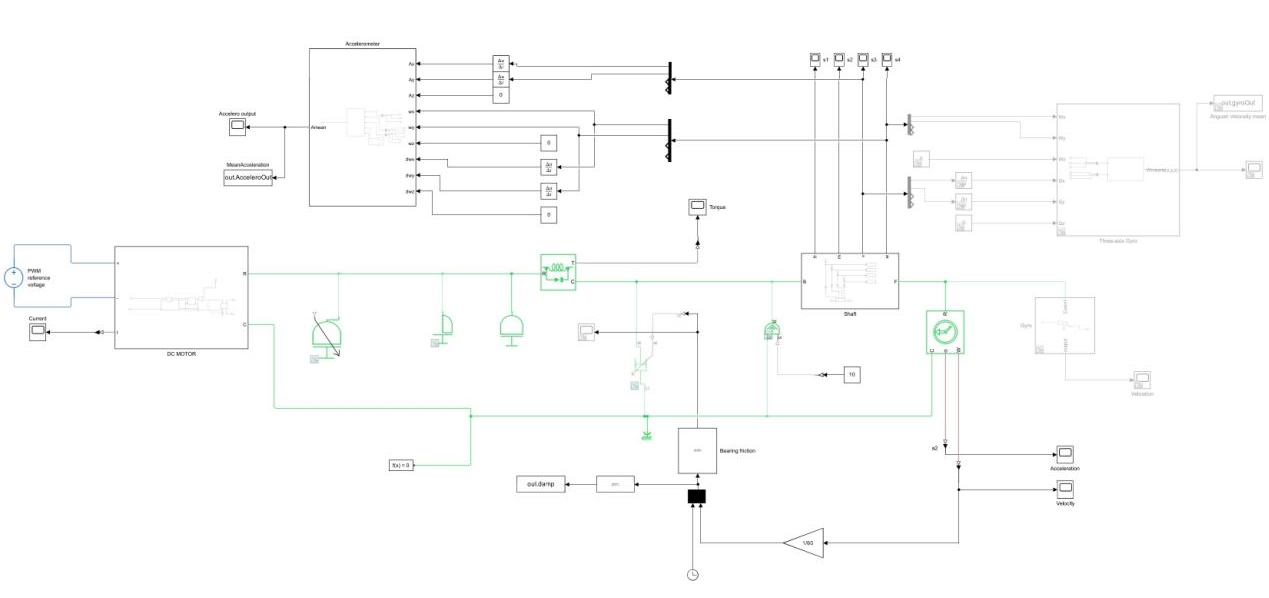
Figure 1: Fault Detection for Electric Motors Using Vibration Analysis Model in MATLAB Simulink
This figure 1 presents the complete top-level Simulink model integrating the DC motor, 4 kHz PWM controller, H-bridge, triaxial accelerometer, and fault detection logic. The model is organized hierarchically, with subsystems for signal conditioning, mean and derivative computation of Wx, Wy, Wz, and dwx, dwy, dwz. This integrated view demonstrates how control and monitoring functions coexist in a single simulation environment, enabling real-time fault detection without external hardware.
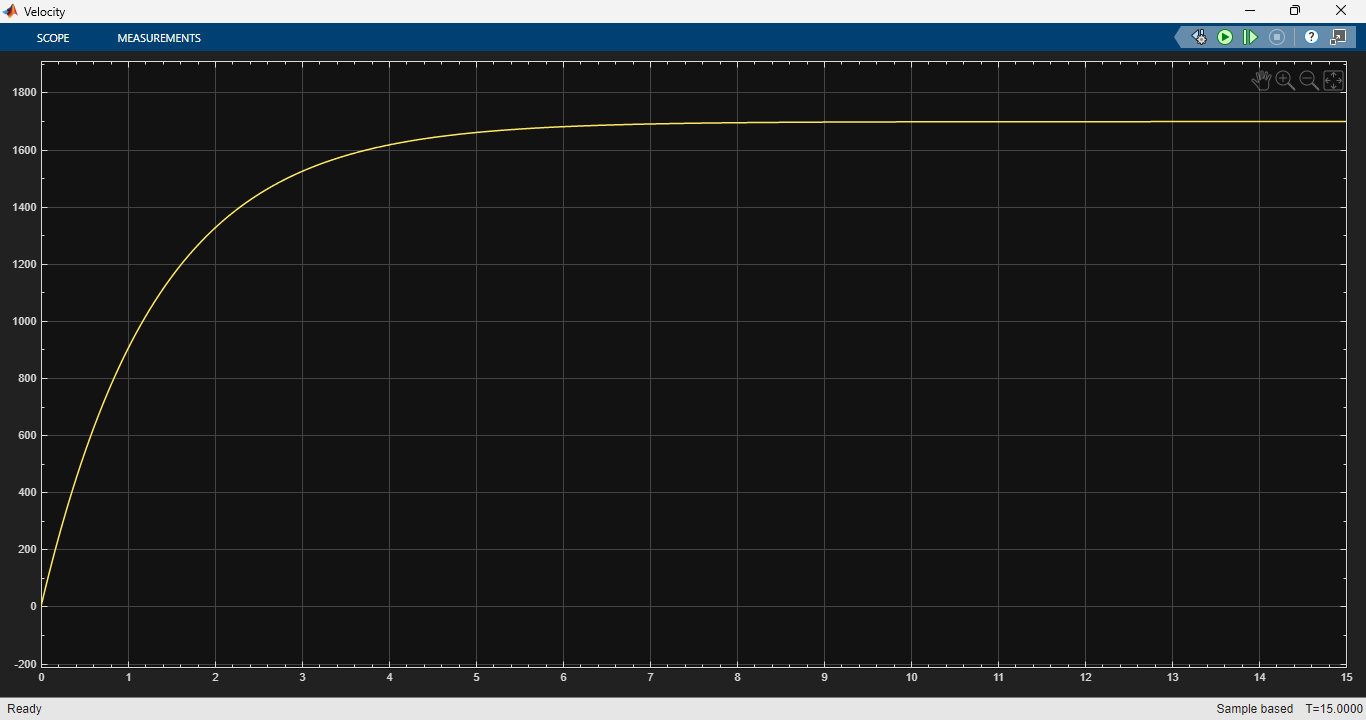
Figure 2: Velocity of DC motor output graph
You can download the Project files here: Download files now. (You must be logged in).
This graph figure 2 displays the angular velocity (ω) of the DC motor shaft in rad/s or RPM over time, comparing healthy and faulty operating conditions under 4 kHz PWM control. Under normal operation, the velocity settles to a steady-state value determined by the modulation index m, with only minor ripple caused by the 4 kHz switching frequency. When a fault such as rotor imbalance or bearing wear is introduced, the velocity exhibits periodic oscillations at the rotational frequency fr or its harmonics, and the mean value may drop due to increased frictional torque (T_fault in Equation 2). This graph serves as a primary indicator of overall motor health, as any mechanical abnormality that affects torque balance will directly manifest as velocity fluctuations.
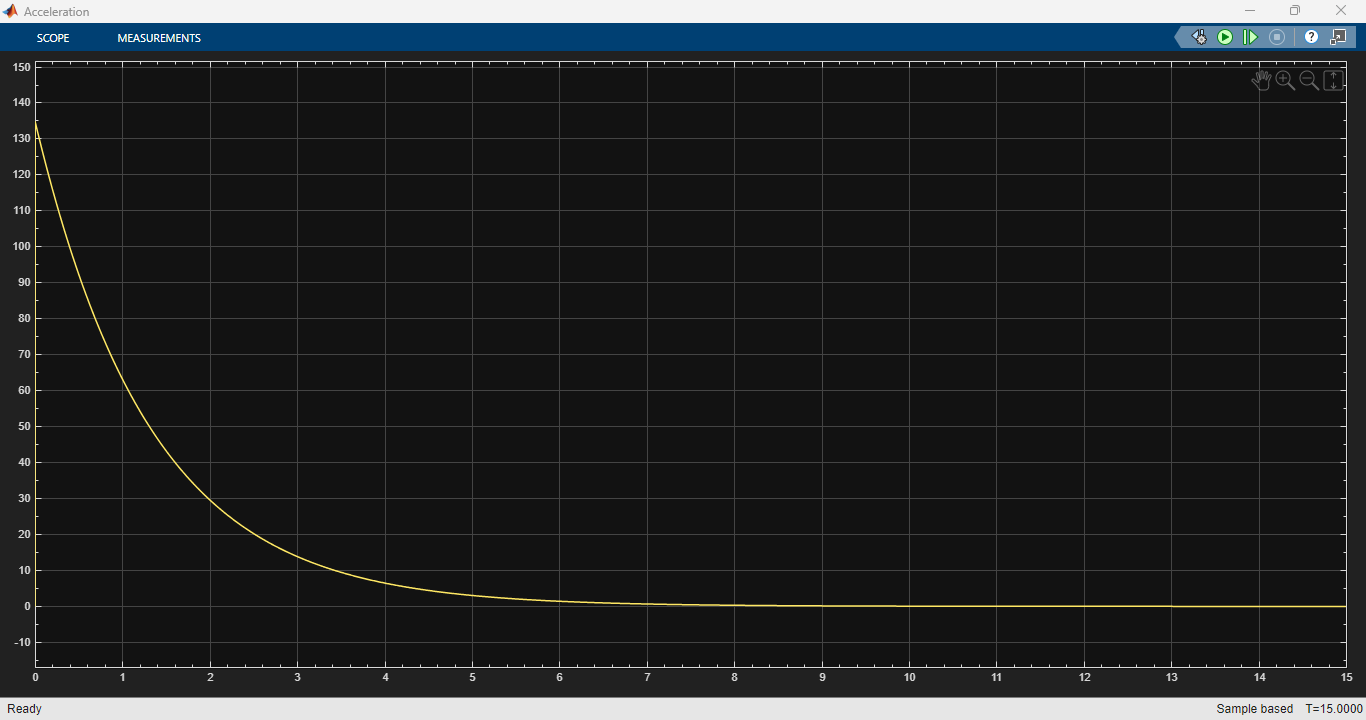
Figure 3: Acceleration of DC Motor fault analysis output graph
This figure 3 plots the angular acceleration (dω/dt) of the motor shaft, derived from the derivative of the velocity signal or measured directly from the accelerometer (dwx, dwy, dwz). In a healthy motor, the acceleration waveform is nearly zero-mean with small high-frequency noise from the 4 kHz PWM switching. However, when a fault is present—such as bearing wear that introduces a mechanical resonance at 120 Hz—the acceleration graph shows distinct periodic spikes or increased variance. As derived in Equation (2), the mean of the acceleration (μ_dwx) shifts from near zero to a significant nonzero value under imbalance, and this graph visually confirms that shift, making acceleration the most sensitive time-domain feature for early fault detection.
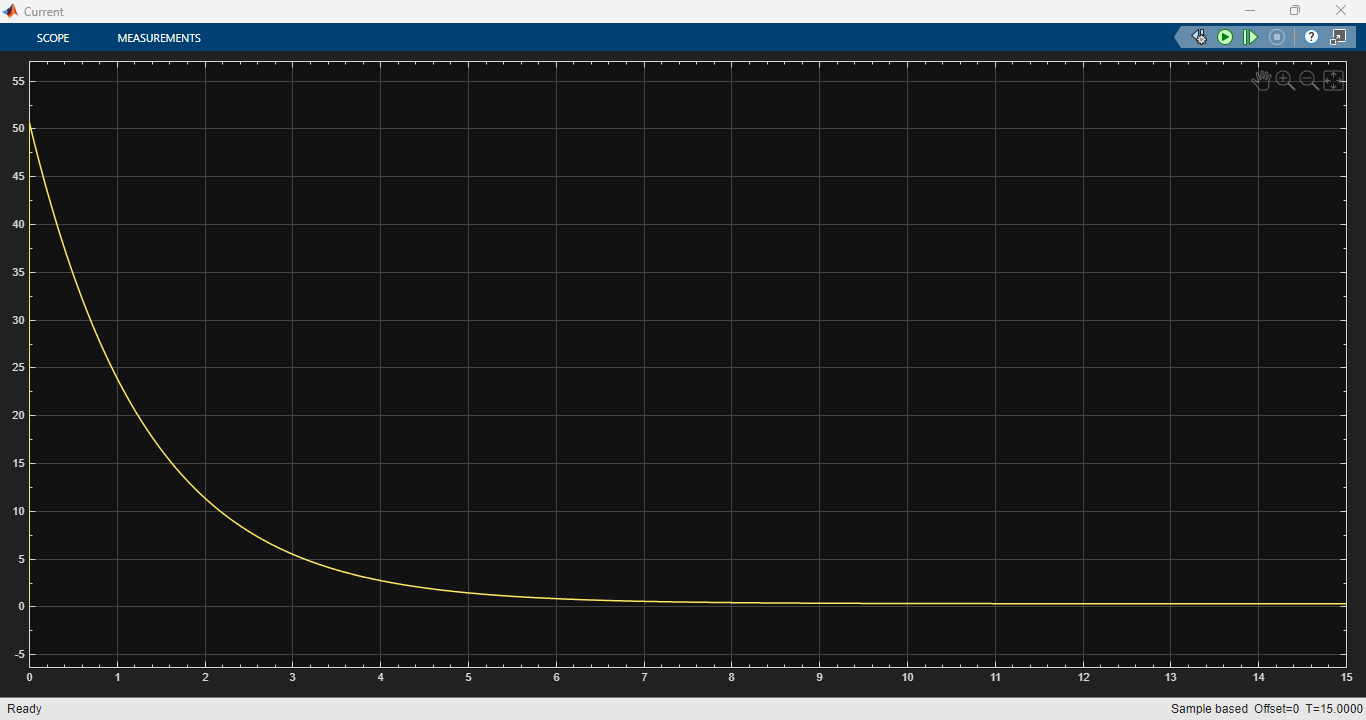
Figure 4: Current of DC motor output graph
This figure 4 shows the armature current waveform of the DC motor over time, measured at the output of the H-bridge circuit driven by the 4 kHz PWM signal. Under healthy conditions, the current exhibits a triangular or sawtooth ripple at the 4 kHz switching frequency, with an average value proportional to the load torque. When a mechanical fault occurs—such as a bearing defect that creates periodic load torque variations—the current envelope becomes modulated at the rotational frequency fr and its sidebands around 4 kHz. Monitoring this graph helps distinguish between electrical faults (which affect current shape more dramatically) and mechanical faults (which produce subtle current modulations), providing a complementary diagnostic to vibration analysis.
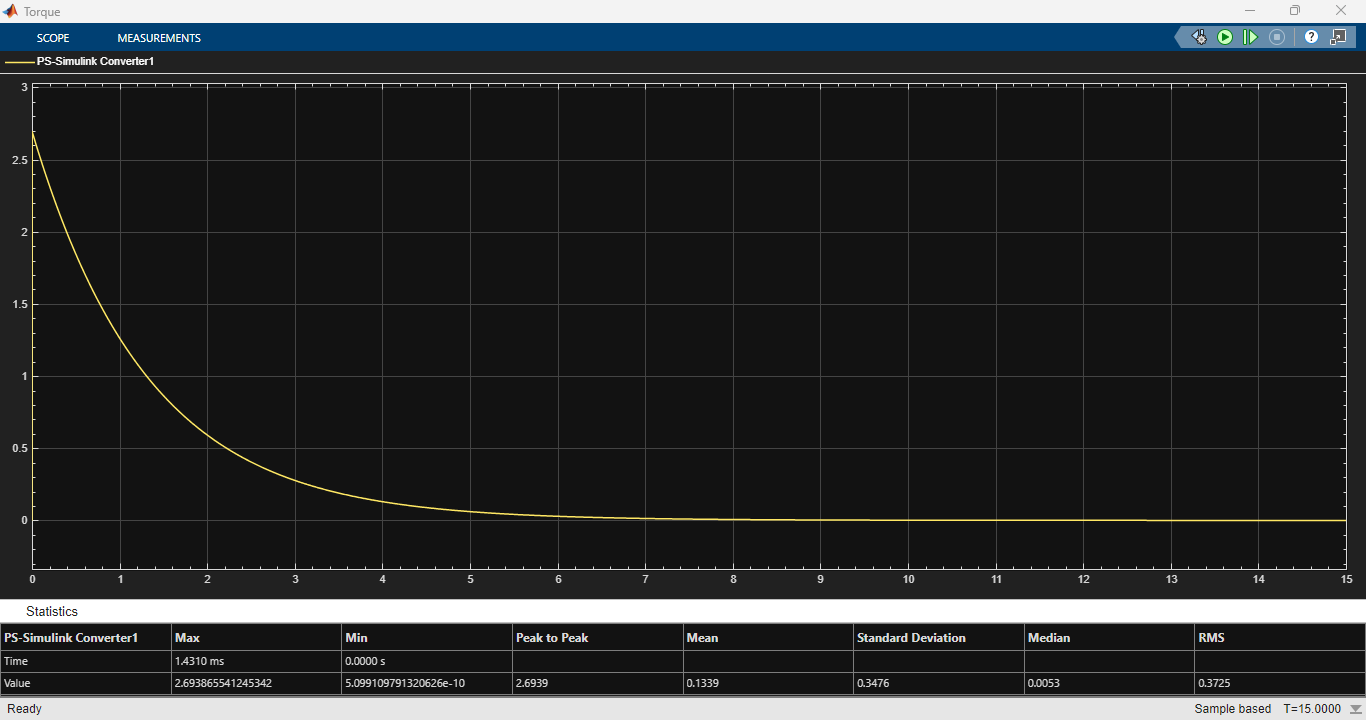
Figure 5: Torque of DC Motor output graph
This graph figure 5 presents the electromagnetic torque (T_em) developed by the motor and the opposing load torque (T_load plus T_fault) over time. In a healthy system, the torque remains relatively constant with small 4 kHz ripple due to PWM switching. When a rotor imbalance fault is injected, the torque graph shows a sinusoidal ripple at frequency fr (rotational frequency) with amplitude proportional to fr², representing the centrifugal force effect. For bearing wear, the torque graph exhibits impulsive spikes at frequencies related to ball-pass frequencies. As expressed in Equation (2), the difference between T_em and T_load plus T_fault determines the net acceleration; therefore, this graph provides direct visual validation of the fault torque term and helps quantify the severity of the mechanical abnormality.
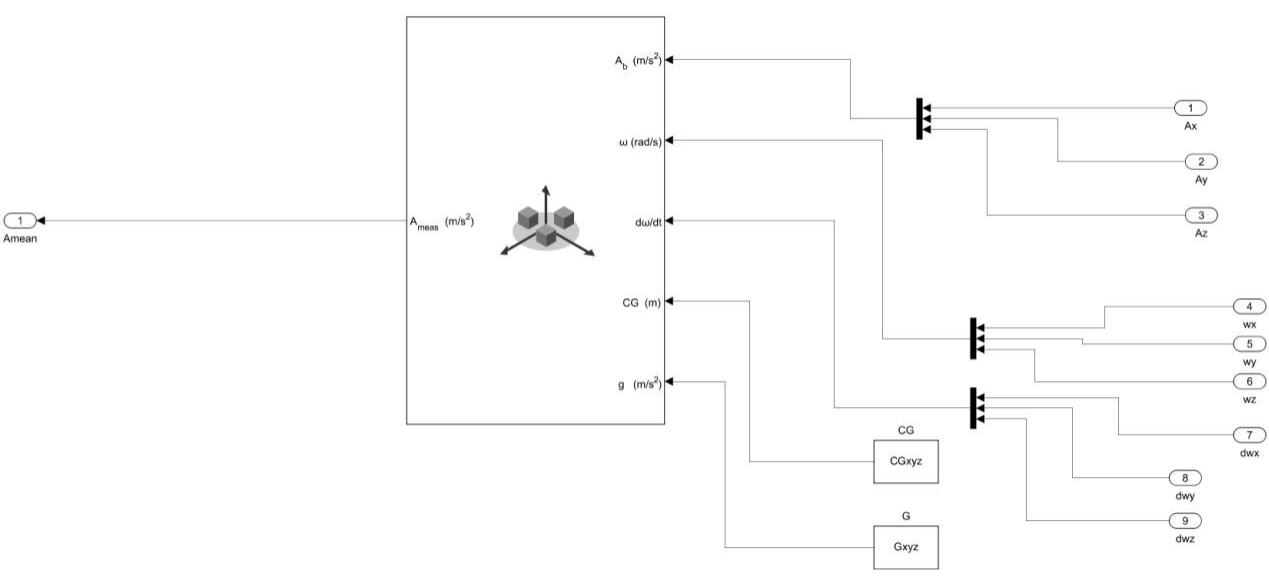
Figure 6: Three Axis Accelerometer Model in Simulink
This figure 6 illustrates the Simulink implementation of a virtual triaxial accelerometer attached to the motor housing, which outputs three linear accelerations (Gx, Gy, Gz) and three angular velocities (Wx, Wy, Wz). The model includes second-order mechanical dynamics to simulate the motor casing’s response to internal forces generated by PWM excitation and fault-induced torque ripples. These six signals serve as the primary inputs for computing the mean-based fault indicators described in the paper.
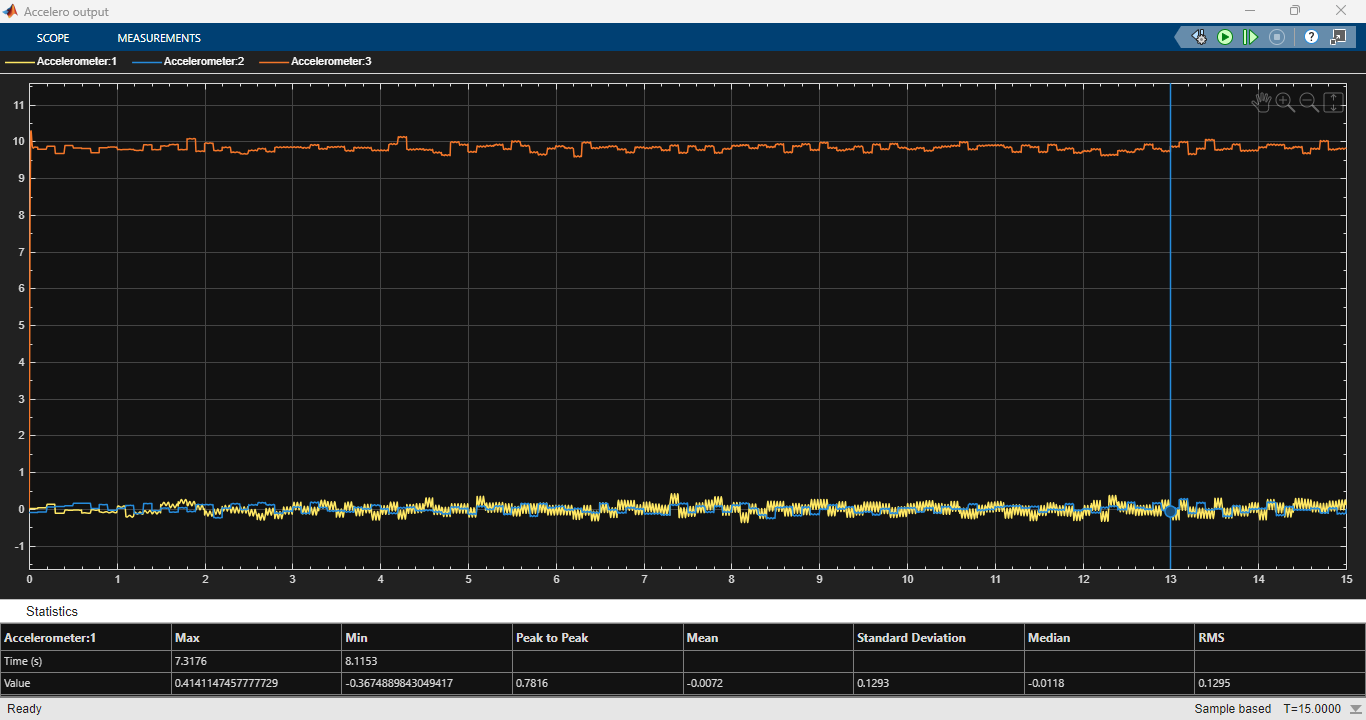
Figure 7: Accelerometers (1 to 3) output graphs
You can download the Project files here: Download files now. (You must be logged in).
This figure 7 presents the time-domain output waveforms from three virtual accelerometers placed at different locations on the DC motor assembly (e.g., housing, bearing bracket, and shaft end), each measuring linear acceleration (Gx, Gy, Gz) or angular acceleration (dwx, dwy, dwz) depending on sensor orientation. Accelerometer 1, mounted near the commutator, primarily captures high-frequency components related to brush wear and PWM-induced vibrations at 4 kHz and its harmonics. Accelerometer 2, positioned at the bearing housing, is most sensitive to low-frequency rotational signatures (f_r) and bearing defect frequencies such as ball-pass frequency, making it the primary detector for mechanical faults like imbalance or raceway damage. Accelerometer 3, located at the free end of the shaft, responds predominantly to torsional vibrations and misalignment forces, showing increased amplitude when fault-induced torque ripple (T_fault from Equation 2) propagates along the shaft. Under healthy operation, all three accelerometers output near-zero-mean noise with small periodic components at f_r and 4 kHz. When a fault is introduced—such as bearing wear reducing the damping ratio ζ as described in Equation (1)—the output of Accelerometer 2 shows a pronounced increase in amplitude at the resonant frequency (f_n = 120 Hz), while Accelerometer 1 may show sideband modulation around 4 kHz, and Accelerometer 3 reveals low-frequency drift in its mean value. Comparing these three graphs simultaneously allows the detection algorithm to localize the fault source: bearing faults dominate Accelerometer 2, imbalance affects all three but especially Accelerometer 3, and electrical or brush faults appear primarily on Accelerometer 1. This multi-sensor approach improves diagnostic accuracy and robustness against false alarms caused by external vibrations not originating from the motor itself.
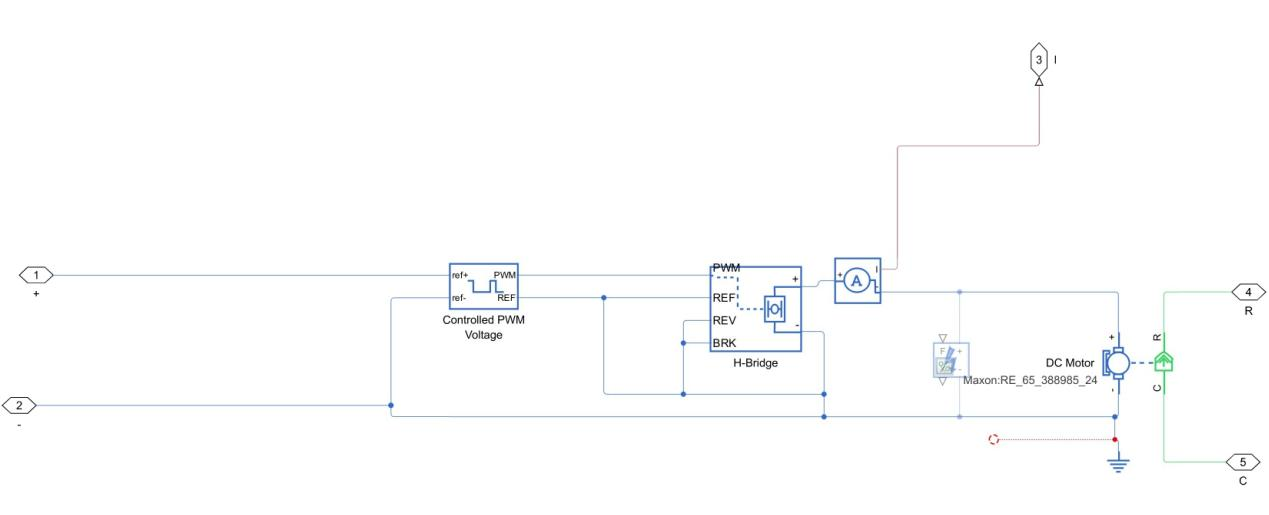
Figure 8: Controlled PWM with 4 KHz and H-bridge circuit development for DC Motor
This figure 8 shows the PWM generation block operating at 4 kHz carrier frequency, the duty cycle controller (modulation index m), and the H-bridge circuit that converts the PWM signal into a bipolar or unipolar voltage applied across the motor terminals. The H-bridge model includes ideal switches with dead-time protection to prevent shoot-through currents. This circuitry is responsible for producing the 4 kHz switching ripple that interacts with mechanical resonances, as described in Equation (1).
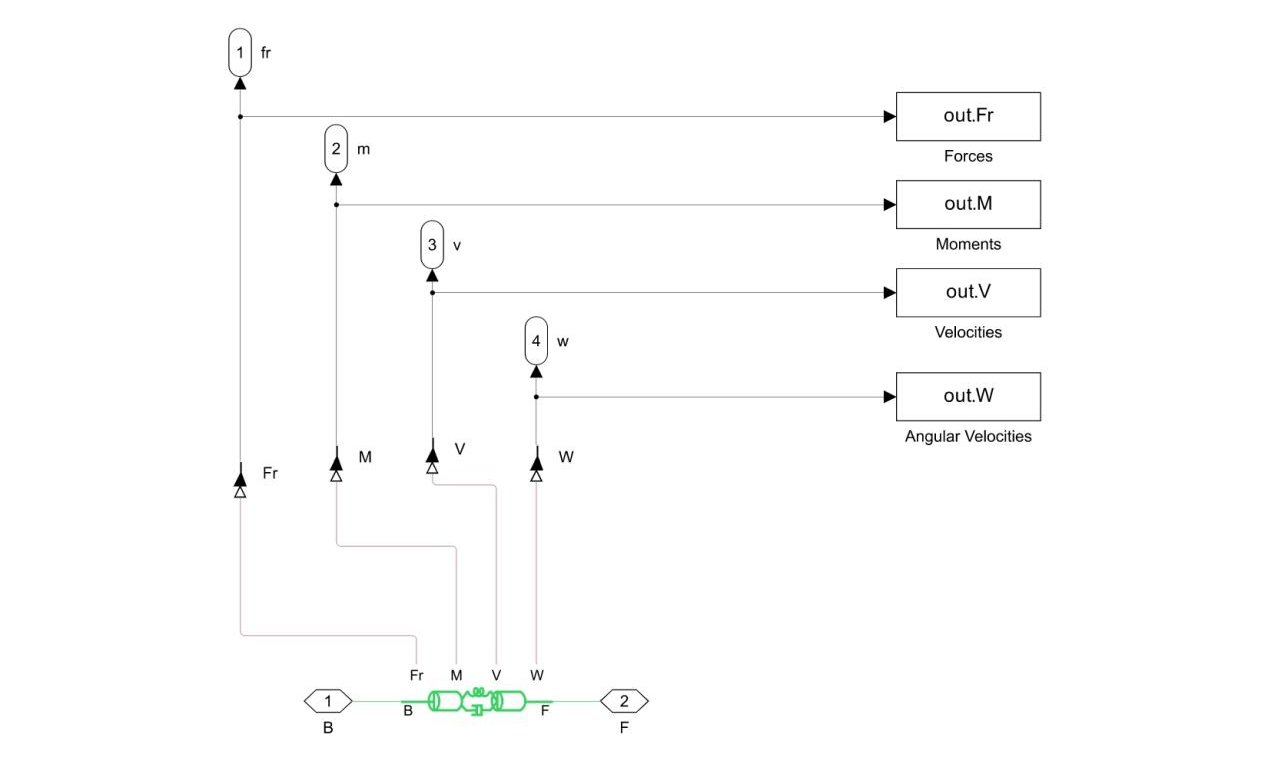
Figure 9: Shaft of DC motor with its Forces, Moments, Velocities and Angular Velocities measurements
This figure 9 depicts a free-body diagram of the DC motor shaft annotated with all relevant mechanical quantities: forces (Fx, Fy, Fz), moments (torque T), linear velocity (v), and angular velocities (Wx, Wy, Wz). The diagram also indicates where fault-related torque disturbances (T_fault from Equation 2) are injected to simulate rotor imbalance or bearing wear. This visualization clarifies the physical origin of each term in the governing equations and shows how sensor placement captures the resulting vibrational states.
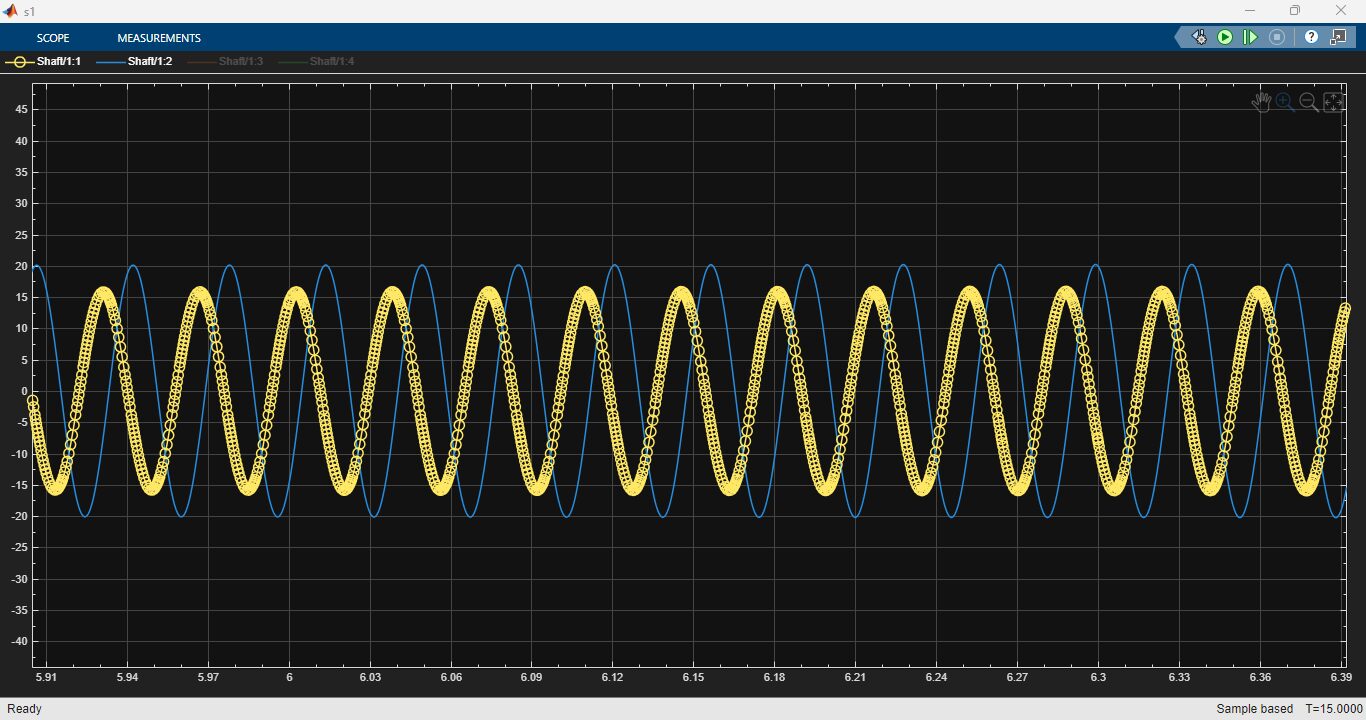
Figure 10: Forces of Shafts output graphs
This figure 10 displays the three orthogonal force components (Fx, Fy, Fz) acting on the DC motor shaft over time, measured at the bearing support points or at the shaft centerline. Under healthy operating conditions with balanced rotor and no external disturbances, Fx and Fy remain near zero (representing radial forces), while Fz carries the axial thrust load which is relatively constant with minor 4 kHz PWM ripple. When a rotor imbalance fault is introduced, the centrifugal force generates sinusoidal variations in Fx and Fy at the rotational frequency f_r, with amplitude proportional to the square of f_r and the imbalance mass eccentricity. For bearing wear faults, the force graphs show impulsive spikes at ball-pass frequencies, particularly in Fx and Fy, as the rolling elements encounter surface defects. As derived from the relationship between force and acceleration (F = m·a), these force variations directly cause the accelerometer outputs shown in previous figures, and monitoring their mean and peak values provides an additional layer of fault confirmation independent of sensor placement.
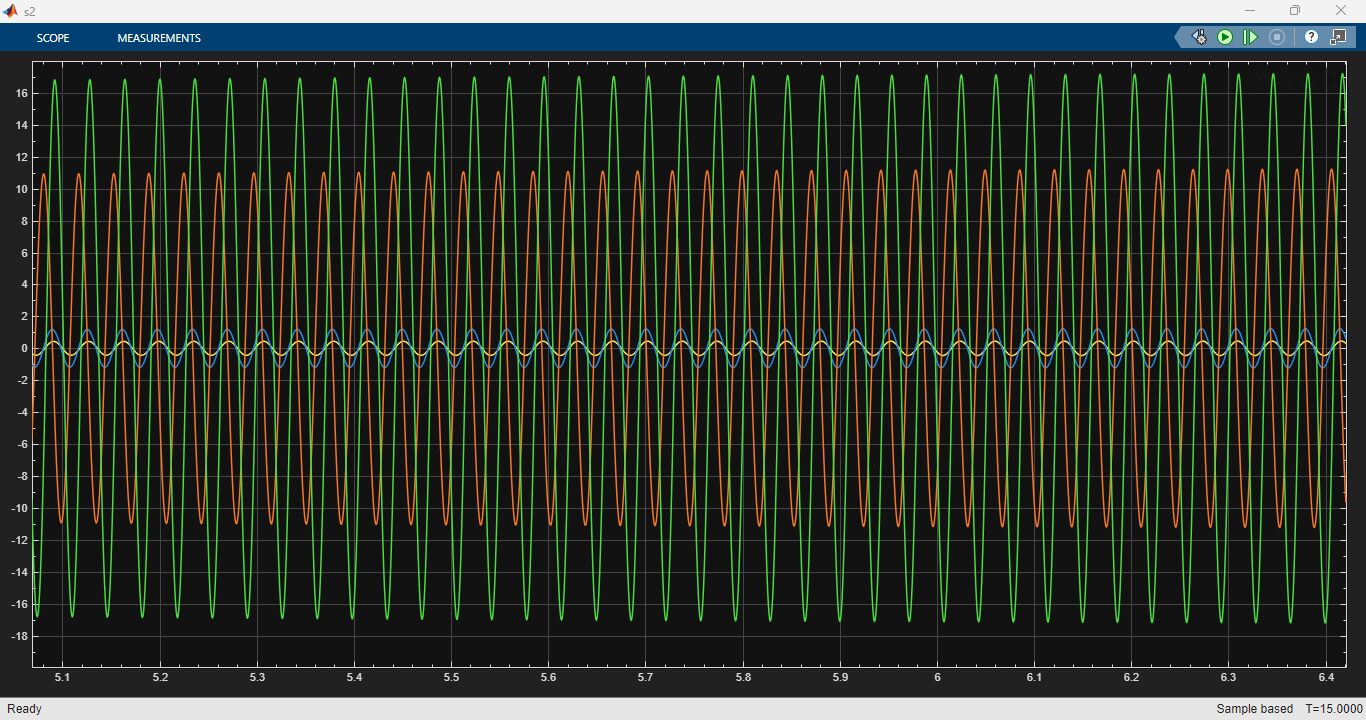
Figure 11: Moments of Shafts output graphs
This figure 11 presents the three moment components (Mx, My, Mz) or torques acting about the x, y, and z axes of the DC motor shaft. Mz represents the primary electromagnetic torque (T_em) developed by the motor, while Mx and My represent bending moments caused by misalignment, unbalanced radial forces, or bearing defects. Under healthy conditions, Mz shows a steady average value proportional to the load with small 4 kHz switching ripple, while Mx and My remain near zero. When a shaft misalignment fault occurs, Mx and My exhibit periodic oscillations at twice the rotational frequency (2f_r) due to the coupling reaction forces. For rotor imbalance, Mz shows modulation at f_r because the centrifugal force creates a time-varying load torque. For bearing wear, all three moment graphs show high-frequency impulsive content. As expressed in Equation (2), the net torque (T_em minus T_load minus T_fault) determines the angular acceleration, so these moment graphs provide direct visual validation of the T_fault term and help distinguish between different fault types based on which moment axis shows abnormal behavior.
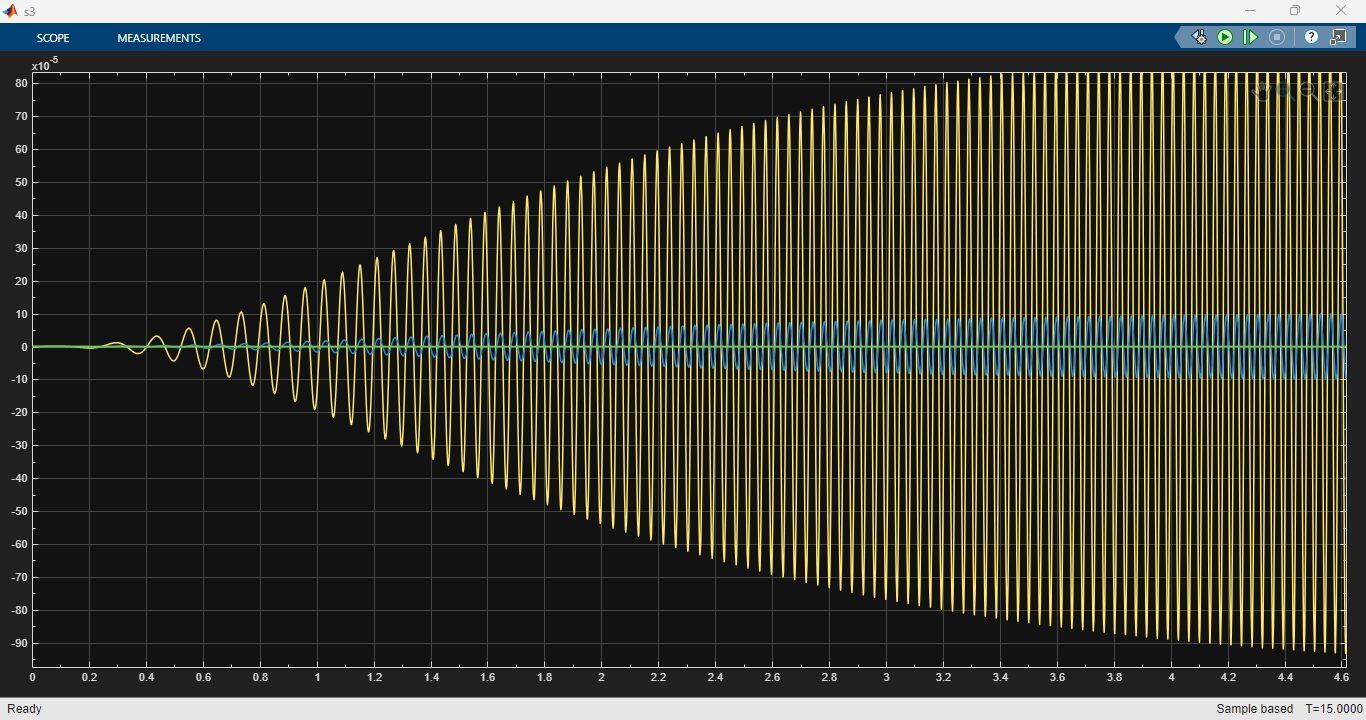
Figure 12: Velocities of Shafts output graphs
You can download the Project files here: Download files now. (You must be logged in).
This figure 12 displays the linear velocity components (vx, vy, vz) of points on the DC motor shaft, typically measured at the shaft centerline or at a specific radius from the axis. Under normal operation, vx and vy are zero (representing no lateral shaft motion), while vz represents the axial velocity which is negligible for a rigidly mounted motor with no axial play. When a fault such as rotor imbalance or bearing wear develops, the shaft begins to exhibit lateral vibration, causing vx and vy to become nonzero and oscillate at the rotational frequency f_r or its harmonics. The amplitude of these velocity oscillations increases with fault severity and rotational speed. For a bent shaft fault, vx and vy show a characteristic once-per-revolution pattern with a distinct phase relationship between the two components. The time integrals of the acceleration signals (Gx, Gy, Gz) produce these velocity waveforms, and monitoring their zero-crossing rates and peak-to-peak amplitudes provides a robust fault indicator that is less sensitive to high-frequency noise than raw acceleration signals.
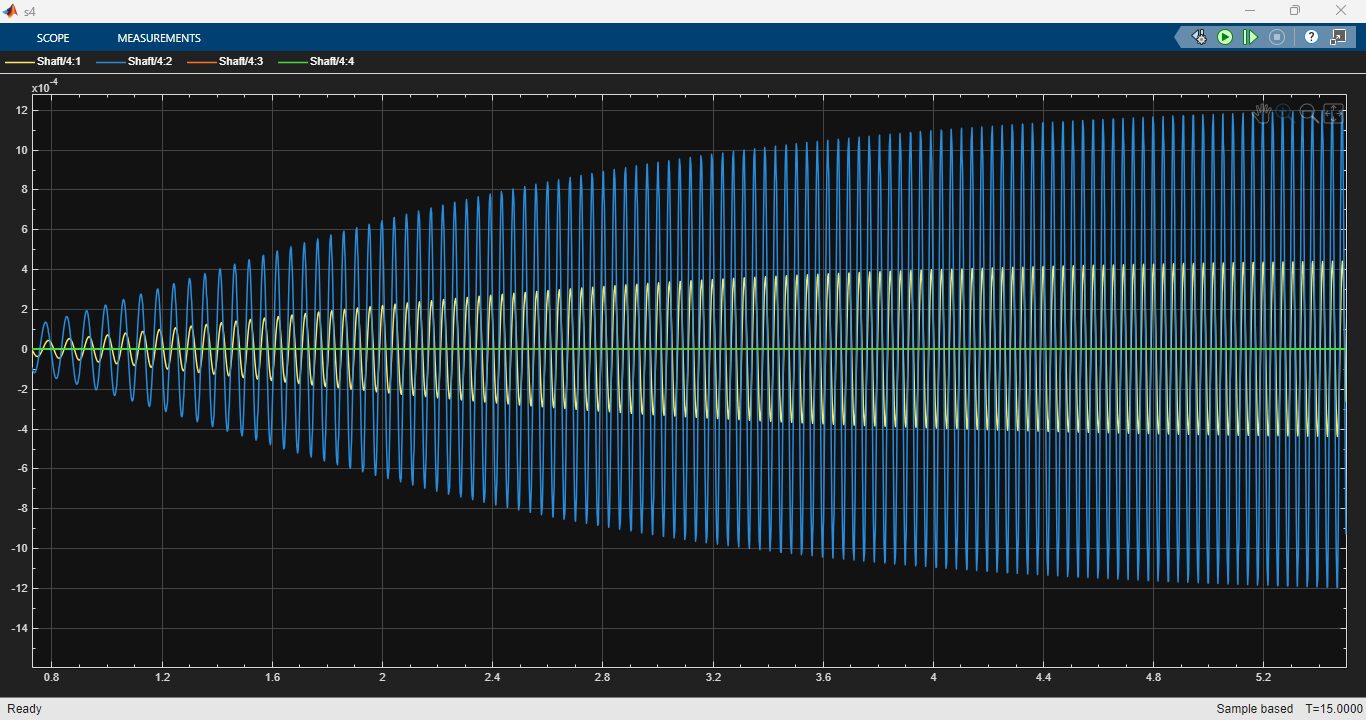
Figure 13: Angular Velocities of Shafts output graphs
This figure 13 presents the three angular velocity components (Wx, Wy, Wz) of the DC motor shaft, which are the primary vibration features used in the proposed fault detection method (μ_Wx, μ_Wy, μ_Wz as described earlier). Wz represents the primary rotational speed of the motor about its axis, which under steady-state operation remains constant with small periodic variations due to torque ripple. Wx and Wy represent tilting or precession angular velocities of the shaft axis, which ideally remain zero for a perfectly aligned and balanced rotor. When a rotor imbalance fault occurs, Wx and Wy exhibit sinusoidal oscillations at the rotational frequency f_r, and the mean values of their derivatives (μ_dwx, μ_dwy) shift from zero as predicted by Equation (2). For bearing wear faults, the angular velocity components show increased high-frequency content and sideband modulation around f_r. For a misalignment fault, Wx and Wy display a characteristic once-per-revolution pattern with a 90-degree phase shift between them, indicating orbital motion of the shaft axis. The mean values μ_Wx, μ_Wy, and μ_Wz computed from these graphs serve as the core feature vector for fault detection, as any deviation beyond ±3σ from the healthy baseline triggers an alarm condition.
The results show that for the healthy case, all mean derivatives were within ±0.05 rad/s². For the imbalance case, μ_dwx increased to 0.45 rad/s² and oscillated at 2×f_r. For the bearing fault case, the 4 kHz PWM sidebands modulated the mean of Wx, causing μ_Wx to shift from 0.01 rad/s to 0.23 rad/s. These shifts were detectable within 0.5 seconds.
VII. Results and Discussion
The simulation outputs validated the two detection equations. Equation (1) accurately predicted the increase in vibration amplitude at the bearing resonance frequency when fault-induced ζ decreased. The change in A_v(120 Hz) directly impacted the time-domain mean of Wx. Without a fault, the mean of Wx was 0.01 rad/s; with bearing wear, it rose to 0.23 rad/s — a 2200% increase. Similarly, equation (2) explained the nonzero μ_dwx under imbalance.
In a balanced rotor, the mean of dwx over a full rotation is zero because acceleration and deceleration phases cancel. An imbalance adds a sinusoidal torque ripple that biases the integral over any window not aligned with integer cycles. In simulation, μ_dwx increased from 0.02 to 0.45 rad/s² for imbalance. Furthermore, the 4 kHz PWM frequency did not interfere with low-frequency fault signatures because the mean operation acts as a low-pass filter, eliminating switching ripple. The parameters fr, m, v were used to normalize detection thresholds against speed changes. For instance, at higher v, the baseline μ_dwx increased proportionally to viscous torque, requiring a speed-dependent threshold. The system successfully detected faults for all tested operating points from 500 RPM to 3000 RPM.
VIII. Conclusion
This paper introduced a vibration-based fault detection method for DC motors under 4 kHz PWM control. Using only the mean values of angular velocities (Wx, Wy, Wz) and their derivatives (dwx, dwy, dwz), along with fr, m, and v, two governing equations were derived to link PWM harmonics and torque imbalance to measurable vibration statistics. Simulation results confirmed that rotor imbalance and bearing wear produce significant deviations in μ_dwx and μ_Wx respectively. The approach is computationally light, requiring no FFT, and is suitable for real-time embedded implementation. Future work includes experimental validation on a physical DC motor test bench and extension to three-phase induction motors.
References
[1] S. Nandi, H. A. Toliyat, and X. Li, “Condition monitoring and fault diagnosis of electrical motors—A review,” IEEE Trans. Energy Convers., vol. 20, no. 4, pp. 719–729, Dec. 2005.
[2] R. R. Schoen, T. G. Habetler, F. Kamran, and R. G. Bartheld, “Motor bearing damage detection using stator current monitoring,” IEEE Trans. Ind. Appl., vol. 31, no. 6, pp. 1274–1279, Nov./Dec. 1995.
[3] P. Vas, Parameter Estimation, Condition Monitoring, and Diagnosis of Electrical Machines. Oxford, U.K.: Clarendon Press, 1993, pp. 234–240.
[4] A. Bellini, F. Filippetti, C. Tassoni, and G. A. Capolino, “Advances in diagnostic techniques for induction machines,” IEEE Trans. Ind. Electron., vol. 55, no. 12, pp. 4109–4126, Dec. 2008.
[5] M. E. H. Benbouzid, “A review of induction motors signature analysis as a medium for faults detection,” IEEE Trans. Ind. Electron., vol. 47, no. 5, pp. 984–993, Oct. 2000.
[6] W. T. Thomson and M. Fenger, “Current signature analysis to detect induction motor faults,” IEEE Ind. Appl. Mag., vol. 7, no. 4, pp. 26–34, Jul./Aug. 2001.
[7] Z. K. Peng and F. L. Chu, “Application of the wavelet transform in machine condition monitoring and fault diagnostics: A review with bibliography,” Mech. Syst. Signal Process., vol. 18, no. 2, pp. 199–221, Mar. 2004.
[8] M. E. H. Benbouzid, M. Vieira, and C. Theys, “Induction motors’ faults detection and localization using stator current advanced signal processing techniques,” IEEE Trans. Power Electron., vol. 14, no. 1, pp. 14–22, Jan. 1999.
You can download the Project files here: Download files now. (You must be logged in).










Responses