

ISO 26262 for Electric Drives – Functional Safety from Concept to Compliance

Author: Waqas Javaid
Abstract
The increasing integration of electrical and electronic systems in modern vehicles has transformed electric drives into safety-critical systems requiring systematic engineering processes. ISO 26262 provides a structured functional safety framework for the development of electrical and electronic systems used in road vehicles. Unlike conventional design standards that focus primarily on functional performance, ISO 26262 defines processes for identifying, controlling, and reducing risks associated with system failures throughout the complete product lifecycle. Electric drives combine power electronics, embedded control software, sensing elements, and electromechanical components, creating complex interactions that require a coordinated safety approach. This paper discusses the role of ISO 26262 in electric drive development, including its lifecycle model, functional safety concept, engineering principles, Automotive Safety Integrity Level (ASIL), and its influence on system architecture, hardware development, software design, verification, and validation activities. The objective is to provide a conceptual understanding of how functional safety is integrated into electric drive engineering from initial definition to compliance.
I. Introduction
The evolution of automotive technology has resulted in a significant increase in electrical and electronic systems responsible for vehicle operation, control, and energy management. Electric drive systems represent a major part of this transformation because they integrate electric motors, power converters, embedded controllers, sensors, and control algorithms into a single interconnected system. As the complexity of these systems increases, ensuring reliable operation requires more than conventional functional design approaches. Functional safety has therefore become an essential engineering discipline for controlling risks introduced by hardware faults, software errors, and system-level interactions [1].
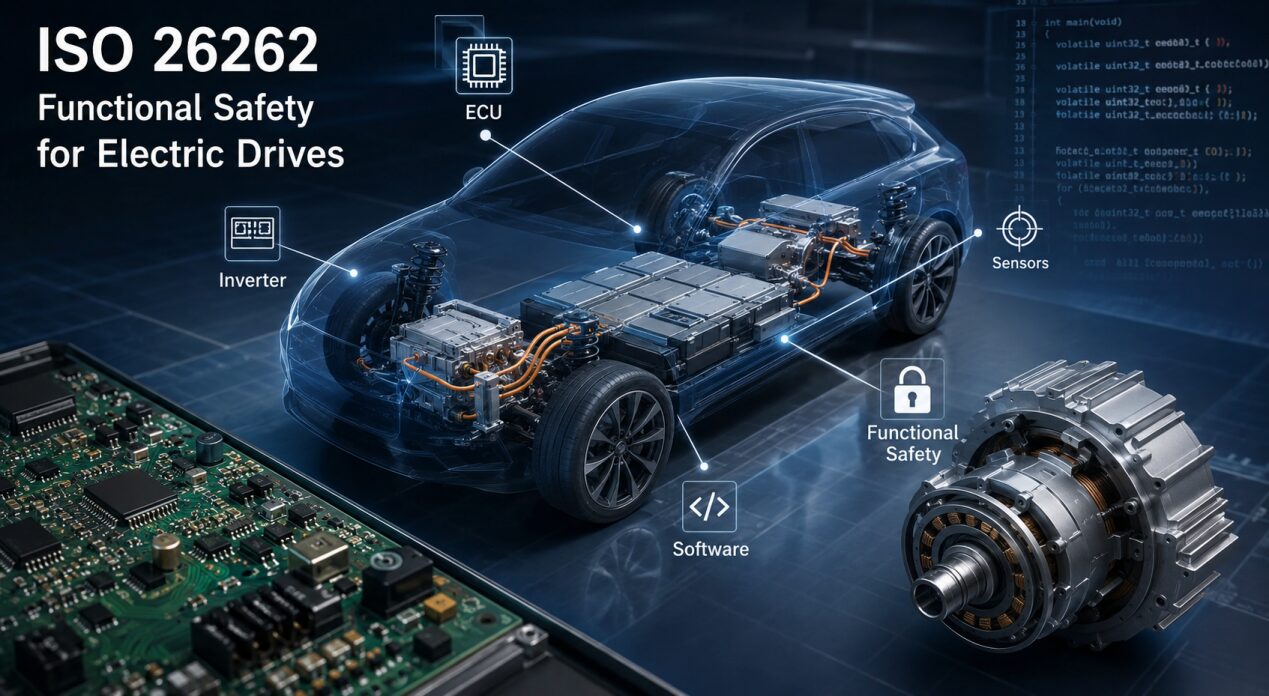
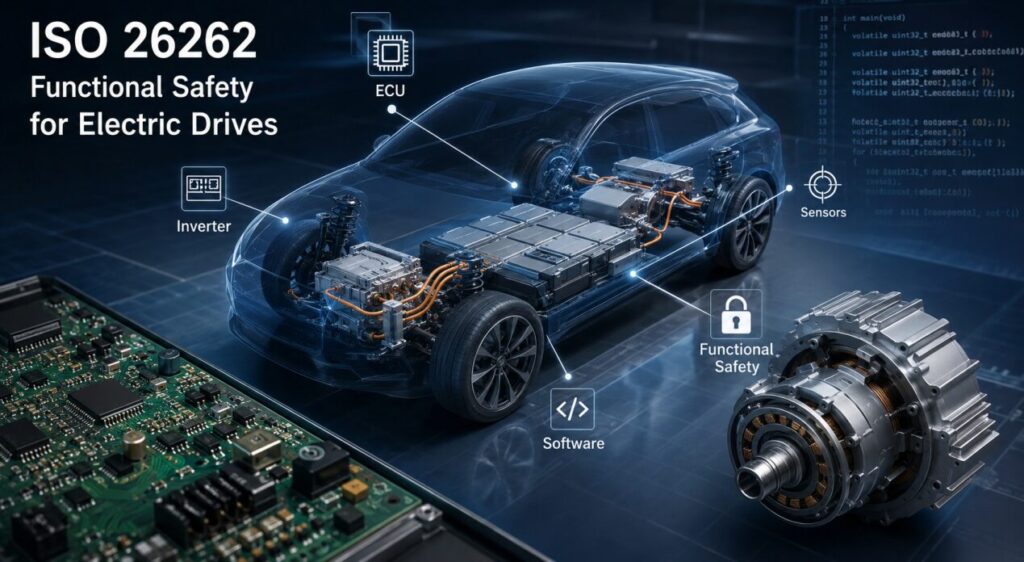
Figure 1: ISO 26262 Functional Safety Framework for Electric Drives
Figure 1 presents a conceptual overview of the ISO 26262 functional safety framework for electric drive systems used in modern automotive applications. The figure highlights the integration of key electric drive subsystems, including the electric motor, inverter, embedded control unit (ECU), sensors, software, and power electronics. These elements are interconnected within a unified electrical and electronic architecture that requires systematic safety management throughout the development lifecycle. The illustration emphasizes that functional safety is achieved through coordinated interaction between hardware and software components, supported by monitoring, control, and diagnostic functions. ISO 26262 treats these subsystems as an integrated safety-critical system and provides the engineering framework necessary to ensure that safety requirements are incorporated into system architecture, implementation, verification, and validation activities.
ISO 26262 is an international standard developed to address functional safety requirements for electrical and electronic systems in road vehicles [1]. The standard provides a lifecycle-based methodology that defines processes, activities, and engineering requirements necessary to achieve controlled safety performance. It does not specify the physical implementation of a system but defines how safety must be considered, managed, verified, and maintained during development.
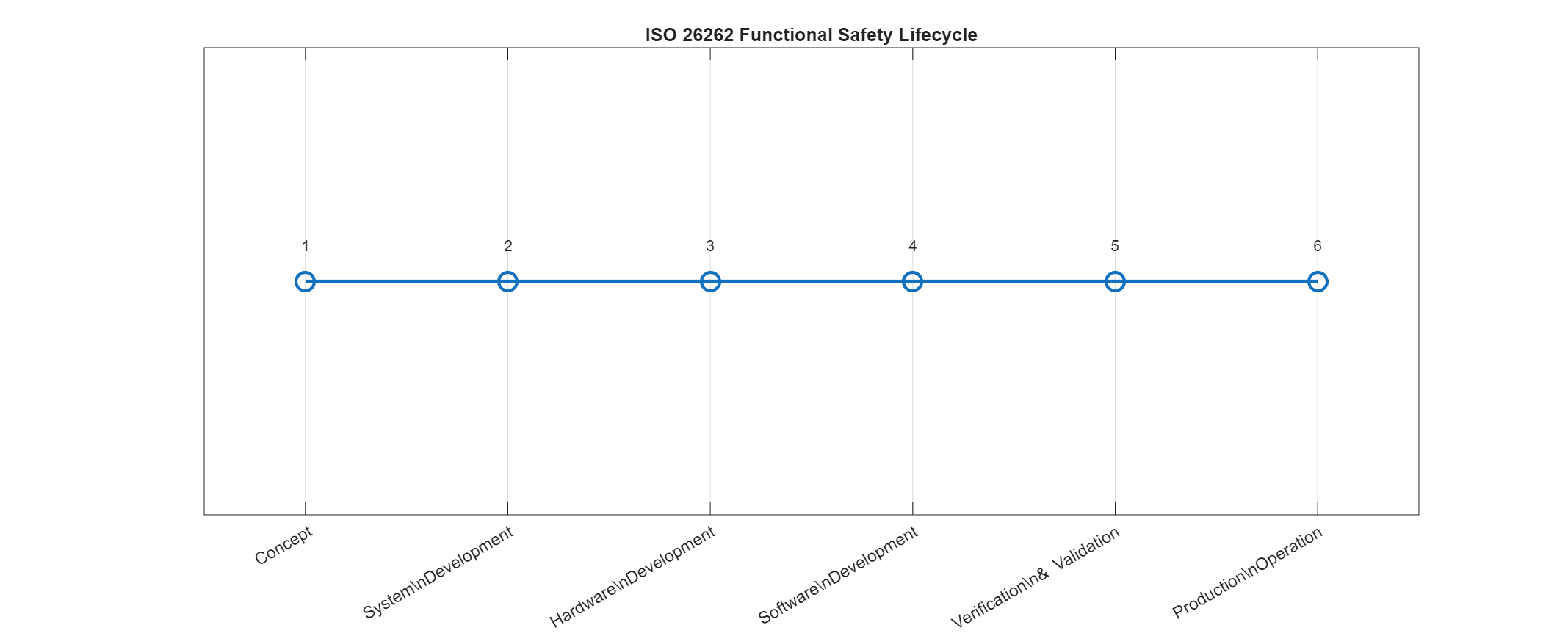
Figure 2: Conceptual overview of the ISO 26262 functional safety framework for automotive electric drive systems.
You can download the Project files here: Download files now. (You must be logged in).
Figure 2 illustrates the relationship between electric drive subsystems and the ISO 26262 functional safety framework. The figure highlights the integration of electric propulsion components, embedded control hardware, software functions, sensors, and power electronics within a safety-oriented engineering environment. It emphasizes that functional safety is established through coordinated development processes spanning multiple engineering domains and lifecycle stages.
Electric drives require functional safety consideration because they directly influence vehicle motion control and depend on tightly coupled hardware and software components. Therefore, ISO 26262 provides a framework for integrating safety considerations into electric drive development from system definition to final validation.
II. What ISO 26262 Is
ISO 26262 is a functional safety standard designed for electrical and electronic systems used in road vehicles. It establishes a systematic approach for managing risks caused by failures in automotive systems by applying structured development processes throughout the product lifecycle [1]. The standard defines methods for safety analysis, requirement management, architectural design, implementation, verification, and validation.
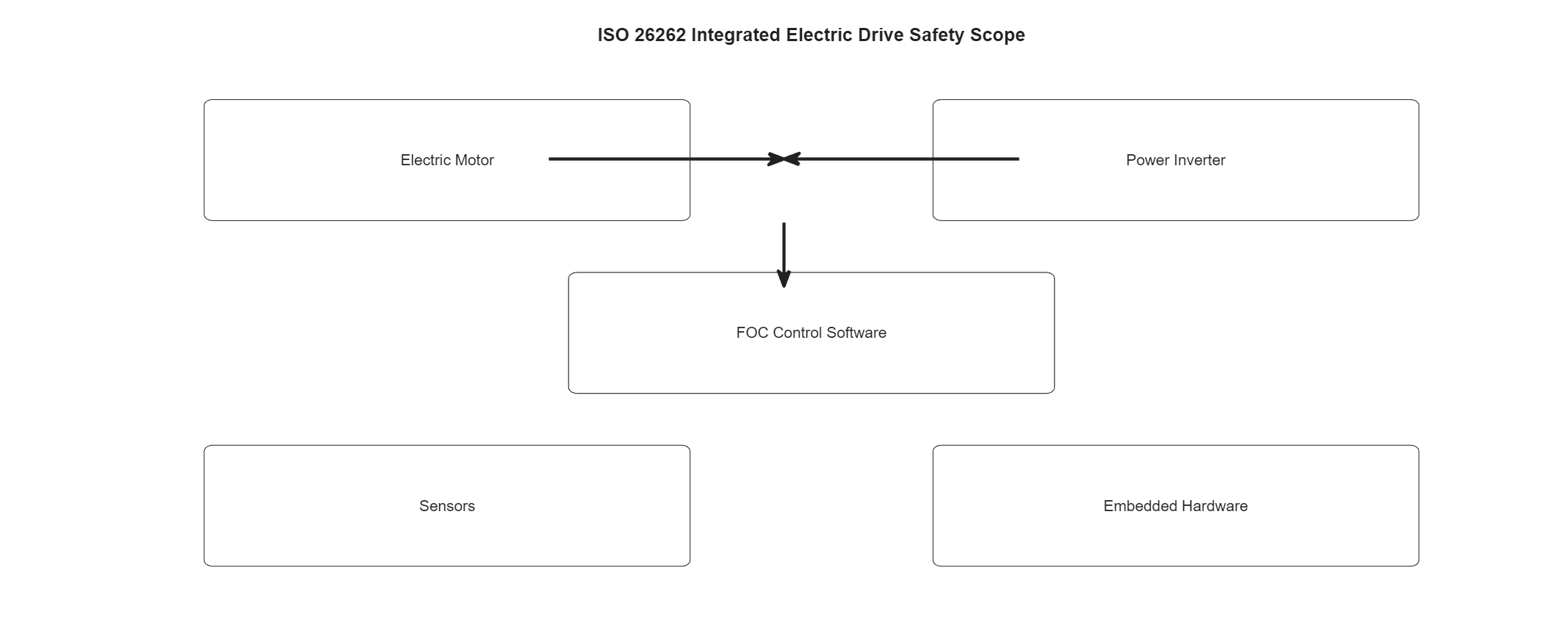
Figure 3: Integrated electric drive architecture considered within the scope of ISO 26262.
Figure 3 presents the primary subsystems included within the ISO 26262 safety scope for electric drives. The architecture consists of the electric motor, power inverter, embedded control software, sensors, and hardware processing platform. The figure demonstrates that ISO 26262 treats these elements as an interconnected system rather than independent components, enabling safety requirements to be developed and verified at the system level.
Functional safety within ISO 26262 focuses on preventing unreasonable risk caused by malfunctioning behavior of electrical and electronic systems [2]. The objective of the standard is not to define what a vehicle system should physically perform, but rather to define how safety-related functions must be engineered to maintain acceptable risk levels. Therefore, ISO 26262 acts as a development framework that guides engineers in transforming safety objectives into technical requirements.
The standard introduces a complete lifecycle approach where safety activities begin during the early concept phase and continue through system development, production, operation, and maintenance. This lifecycle ensures that safety is not considered as an additional activity after system completion but is integrated into every engineering decision [3].
III. Why ISO 26262 Is Required for Electric Drives
Electric drive systems are critical components in modern vehicles because they participate directly in vehicle motion control. They combine multiple engineering domains including electrical machines, power electronics, embedded processors, sensors, and software-based control strategies. The interaction between these domains increases system complexity and creates a requirement for structured safety management.
The operation of an electric drive depends on coordinated interaction between hardware and software layers. Power converters require accurate control signals, sensors provide feedback information, and embedded controllers execute control algorithms. ISO 26262 provides methods to manage the safety implications of these interconnected subsystems by defining systematic processes for identifying safety requirements and ensuring their implementation [1].
The standard is particularly important because traditional reliability approaches focus mainly on component lifetime and failure probability, while functional safety considers how failures influence system behavior [2]. ISO 26262 addresses this difference by introducing safety-oriented development practices that control both random hardware failures and systematic development-related failures.
For electric drive engineers, the standard provides a common framework for integrating safety requirements into architecture design, control software development, hardware selection, and verification planning.
IV. Scope of ISO 26262 in Electric Drive Systems
ISO 26262 considers an electric drive as an integrated electrical and electronic system rather than a collection of independent components. The scope includes the electric motor system, inverter and power electronics, embedded control hardware, software algorithms, sensing systems, and communication interfaces.
The electric motor subsystem is considered within the safety framework because its operation depends on controlled electrical and mechanical behavior. Power electronics including switching devices, gate control circuits, and converter structures are also included because they form the energy conversion interface between the electrical source and motor.
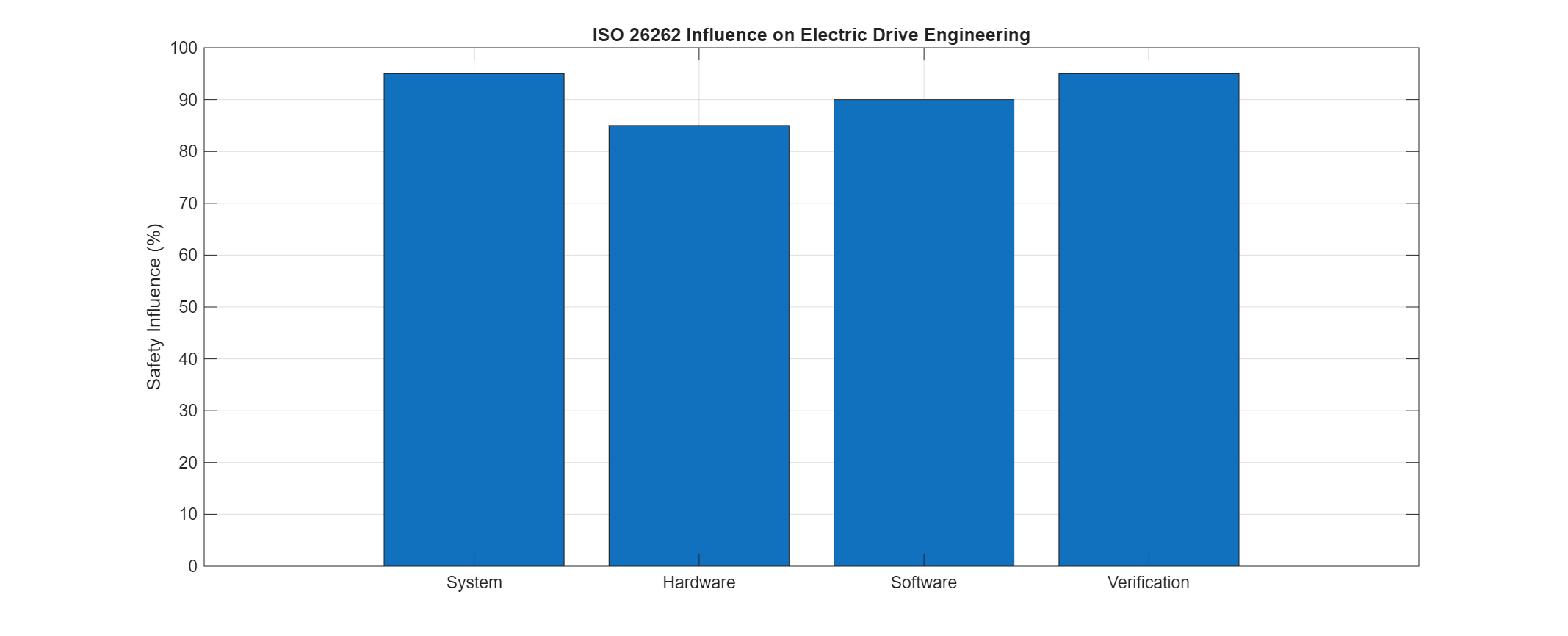
Figure 4: Influence of ISO 26262 requirements across different electric drive engineering disciplines.
Figure 4 illustrates the extent to which ISO 26262 affects system engineering, hardware development, software implementation, and verification activities. The figure demonstrates that safety requirements influence all engineering levels and therefore must be incorporated from the earliest stages of system development.
Control software, including advanced motor control techniques such as field-oriented control (FOC), is included because software execution directly influences system behavior. ISO 26262 requires that software development activities follow structured safety processes involving requirements definition, implementation, testing, and verification [4].
Sensors including position, current, and temperature measurement devices are also considered safety-relevant elements because they provide information required by control functions. Embedded hardware platforms are included to ensure that processing units, memory elements, and communication mechanisms satisfy safety requirements.
Therefore, ISO 26262 establishes a system-level perspective where hardware, software, and electrical subsystems are developed with coordinated safety objectives.
V. Functional Safety Concept
Functional safety is defined as the ability of a system to maintain a safe operational state or transition into an acceptable state when faults occur [1]. It represents a fundamental engineering requirement that influences system architecture, hardware design, software structure, and validation processes.
Functional safety differs from functional performance because performance focuses on achieving intended operation, whereas functional safety focuses on ensuring that system behavior remains controlled under fault conditions. Both concepts must be considered together during development.
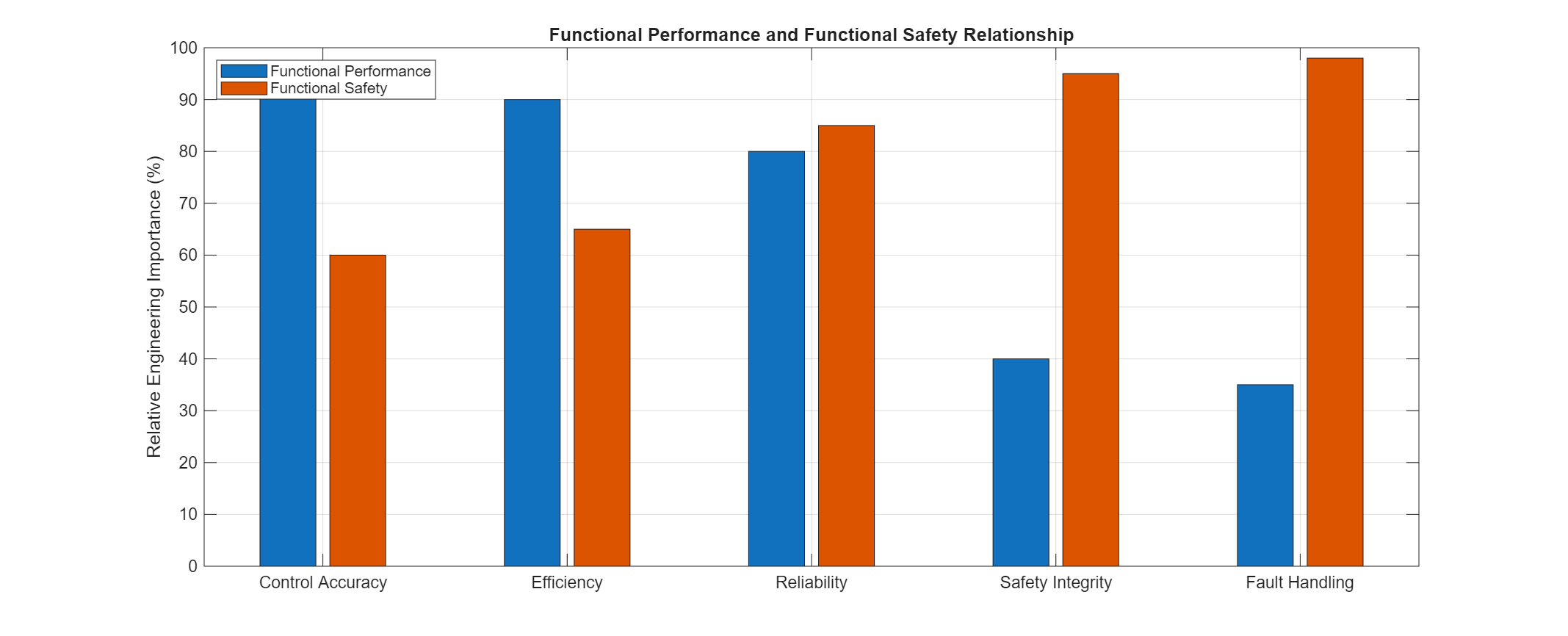
Figure 5: Relationship between functional performance objectives and functional safety requirements in electric drive development.
You can download the Project files here: Download files now. (You must be logged in).
Figure 5 compares functional performance attributes and functional safety objectives within an electric drive system. While performance-oriented metrics focus on efficiency, control quality, and operational effectiveness, functional safety addresses fault tolerance, safety integrity, and controlled system behavior. The figure illustrates that both aspects must coexist throughout the development process.
In electric drive systems, functional safety influences architectural decisions by requiring safety mechanisms, monitoring structures, and verification activities to be included as part of the design process. Safety is therefore treated as a design constraint rather than only a documentation requirement.
ISO 26262 ensures that safety requirements are derived at the system level and transferred consistently into hardware and software development stages. This creates a relationship between safety objectives, technical requirements, implementation, and validation activities [3].
VI. ISO 26262 Lifecycle
ISO 26262 follows a structured lifecycle approach consisting of multiple development phases. The concept phase establishes the system definition, operational boundaries, and safety objectives. During this stage, the safety-related functions of the electric drive are identified and analyzed.
The system development phase transforms safety objectives into system-level requirements and defines the overall architecture. This stage establishes relationships between hardware components, software functions, and safety mechanisms.
Hardware and software development phases focus on implementing the defined safety requirements. Hardware development considers electronic components, processing units, and electrical interfaces, while software development focuses on control algorithms, embedded programming, and software verification processes.
Verification and validation activities confirm that implemented systems satisfy defined safety requirements. These activities ensure traceability between requirements, design decisions, implementation, and final verification results [4].
The production and operation phases maintain safety throughout the product lifecycle by ensuring that manufacturing and operational processes continue to follow defined safety requirements.
VII. Engineering Principles Behind ISO 26262
ISO 26262 is based on several fundamental engineering principles that support systematic safety development. The first principle is that safety must be defined at the system level because individual components cannot fully represent system-level behavior.
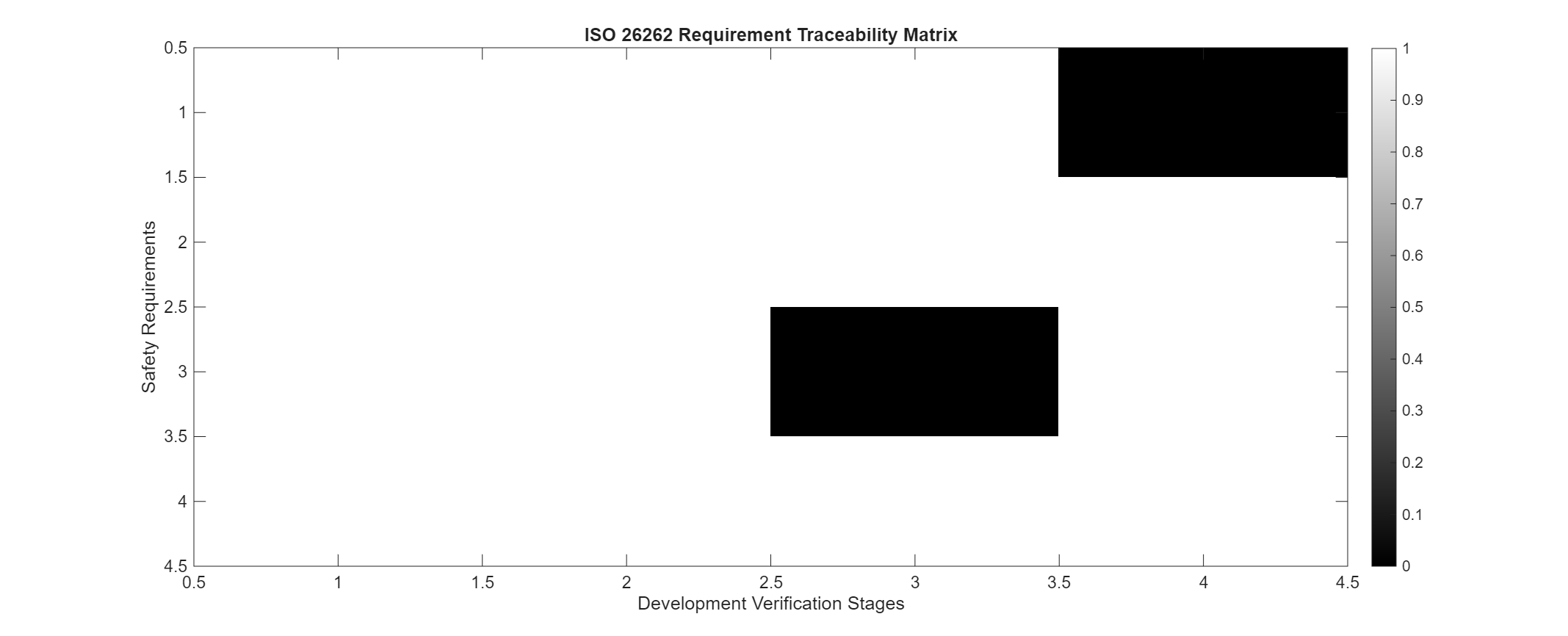
Figure 6: Requirement traceability structure throughout the ISO 26262 development lifecycle.
Figure 6 presents a conceptual traceability matrix used to connect safety requirements with development and verification activities. The figure emphasizes the importance of maintaining clear relationships between safety goals, technical requirements, implementation tasks, and validation results throughout the product lifecycle.
Another important principle is requirement traceability, which ensures that every safety requirement can be followed from initial definition through implementation and verification. Traceability improves development control and reduces the possibility of missing safety-related requirements.
The standard also requires systematic treatment of both random hardware failures and systematic failures caused by design or development processes [2]. Random failures are addressed through hardware safety mechanisms, while systematic failures are controlled through structured engineering processes.
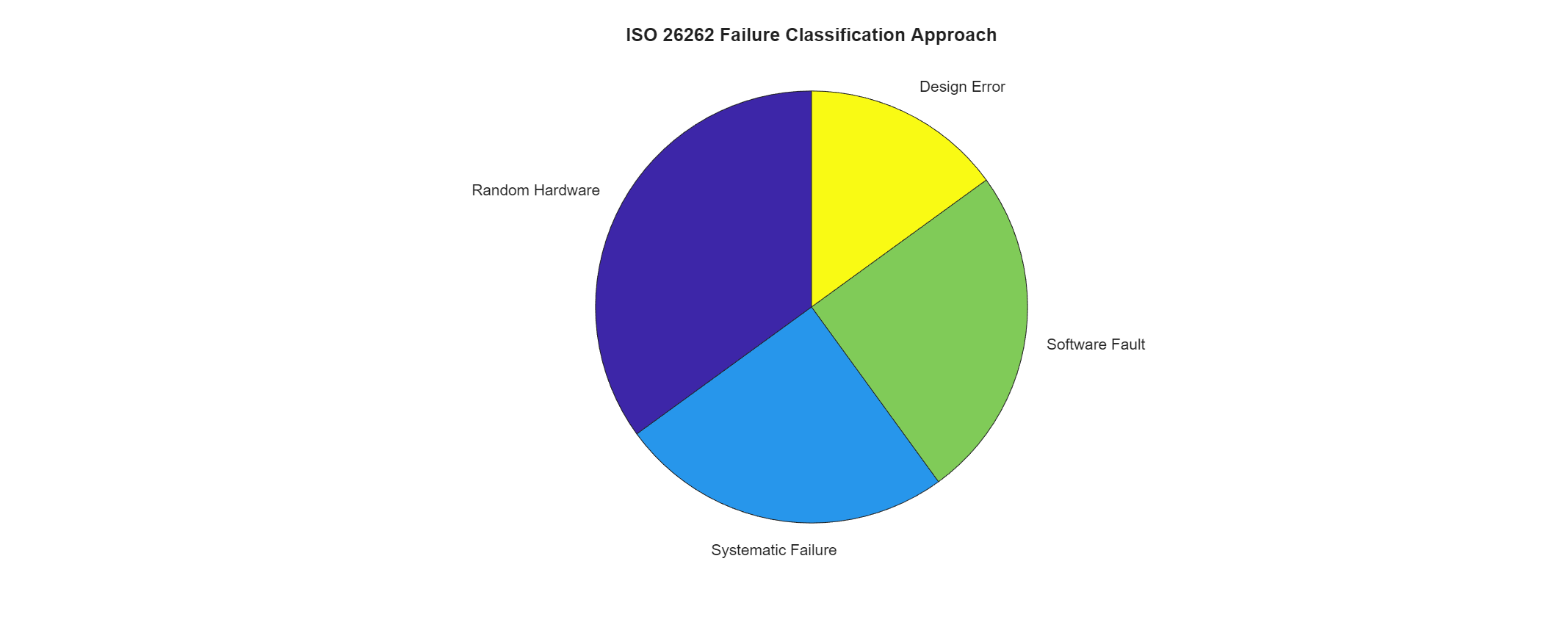
Figure 7: Classification of failure categories addressed within the ISO 26262 framework.
Figure 7 illustrates the categories of failures considered during functional safety development. The figure includes random hardware failures, systematic failures, software-related faults, and design-related issues. ISO 26262 provides structured methodologies for addressing each category through engineering processes and safety mechanisms.
Independence of safety mechanisms is another key principle. Safety functions must be designed with appropriate separation to prevent common causes of failure. Verification is required at every abstraction level to ensure that requirements are correctly implemented.
VIII. ASIL Concept
Automotive Safety Integrity Level (ASIL) is a classification system defined by ISO 26262 to determine the required level of safety rigor for automotive functions [1]. ASIL provides a method for assigning development requirements based on the potential safety significance of a function [5].
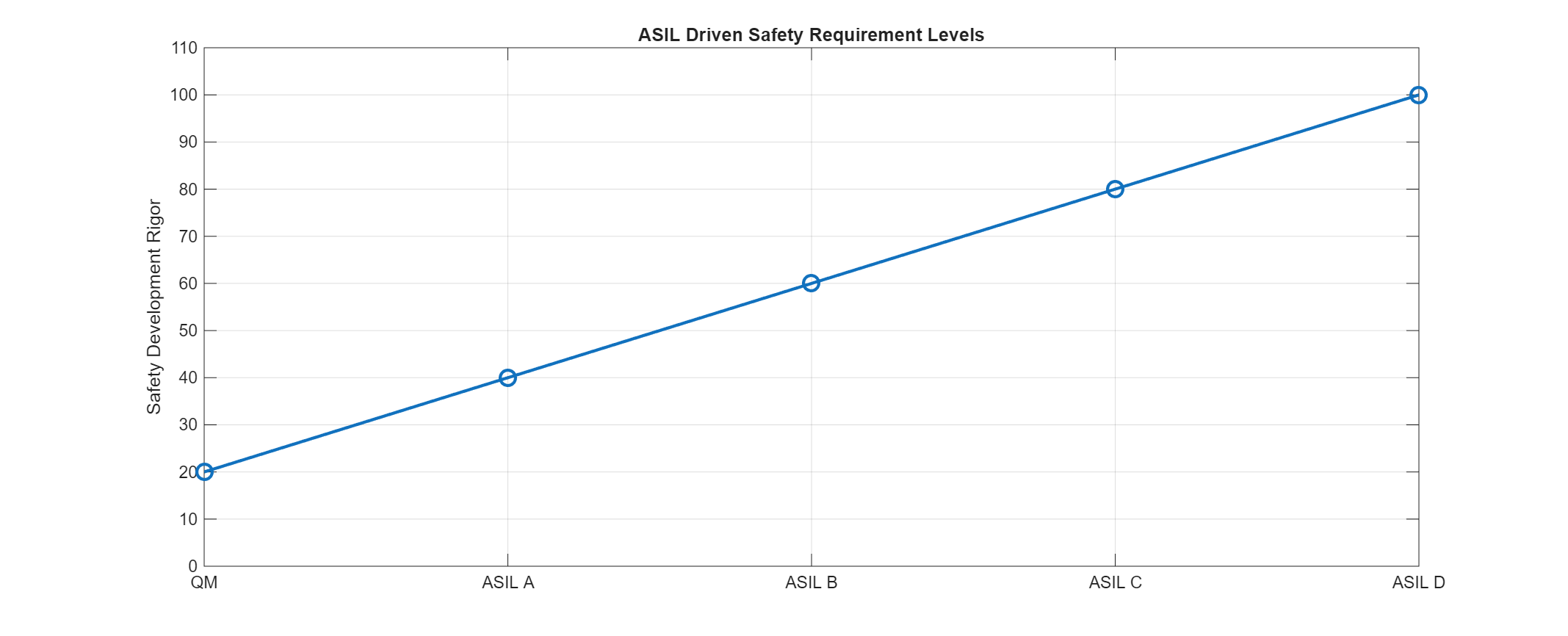
Figure 8: Automotive Safety Integrity Level (ASIL) hierarchy and corresponding development rigor.
Figure 8 illustrates the ASIL framework used within ISO 26262 to define the required level of safety rigor. The figure shows the progression from Quality Management (QM) to ASIL D, representing increasing requirements for safety analysis, architectural constraints, implementation controls, and verification activities.
The ASIL concept influences the depth of analysis, architectural requirements, hardware measures, software development activities, and verification effort. Higher ASIL levels require stronger engineering controls, increased verification activities, and more rigorous development processes.
ASIL is not a measure of product quality or performance. Instead, it defines the level of confidence required that safety-related functions have been developed according to appropriate processes.
Within electric drive development, ASIL classification affects decisions related to architecture, monitoring mechanisms, software structure, hardware design, and validation strategy.
IX. Impact on Electric Drive Development
ISO 26262 significantly influences electric drive engineering activities by introducing safety considerations from the earliest design stages. System architecture development must include safety requirements alongside functional requirements.
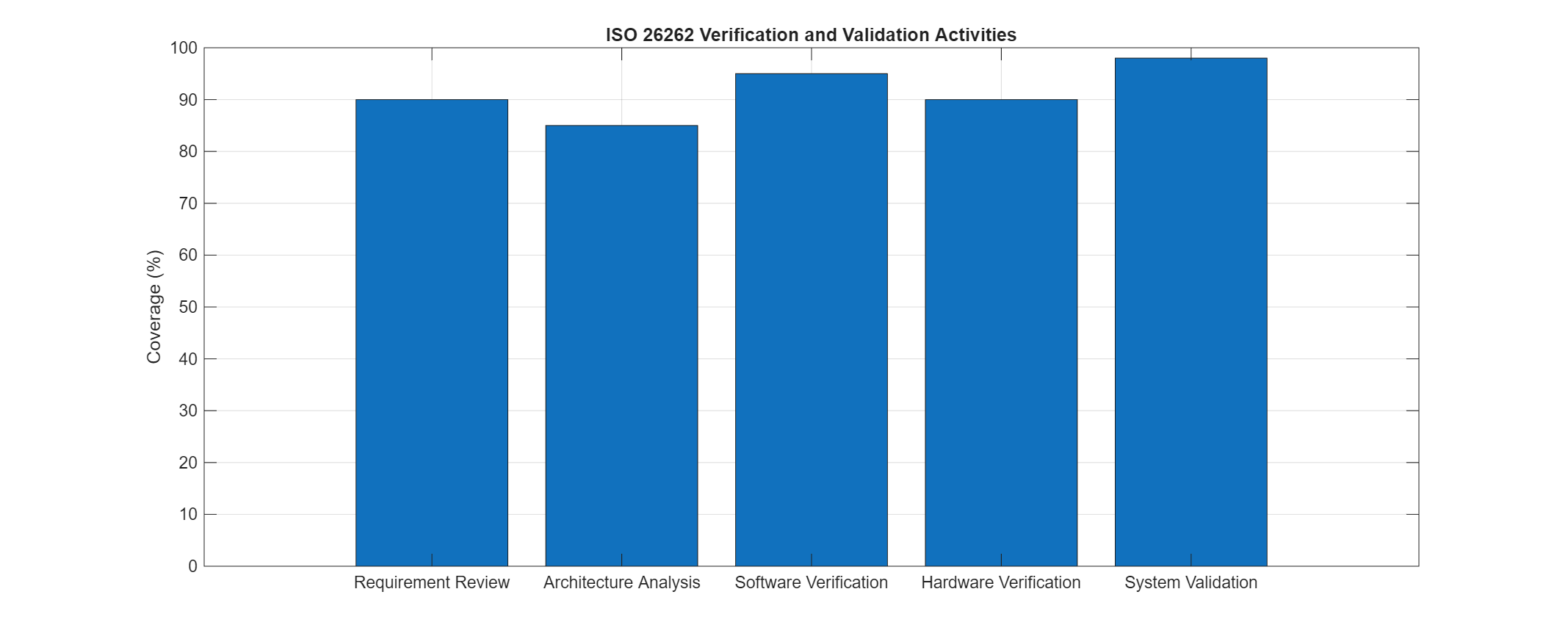
Figure 9: Verification and validation activities supporting ISO 26262 compliance.
You can download the Project files here: Download files now. (You must be logged in).
Figure 9 presents the major verification and validation activities required throughout the safety lifecycle. These activities include requirement reviews, architectural assessments, software verification, hardware verification, and system validation. The figure highlights the importance of confirming safety compliance at every development stage.

Figure 10: Safety-oriented development workflow for electric drive systems based on ISO 26262.
Figure 10 shows the sequence of engineering activities from safety goal definition through implementation, verification, and compliance assessment. The workflow demonstrates how safety requirements guide development decisions throughout the entire engineering process.
Control software development is affected because algorithms must be implemented with structured requirements, verification methods, and safety considerations. Embedded software design must maintain traceability between safety requirements and software functions.
Hardware development must consider reliability, diagnostic capability, and safety mechanisms. Power electronic systems require careful consideration of component behavior, control interfaces, and monitoring functions.
Verification and validation planning are also influenced because ISO 26262 requires evidence that safety requirements have been correctly implemented. Documentation and traceability become essential parts of the engineering process to demonstrate compliance.
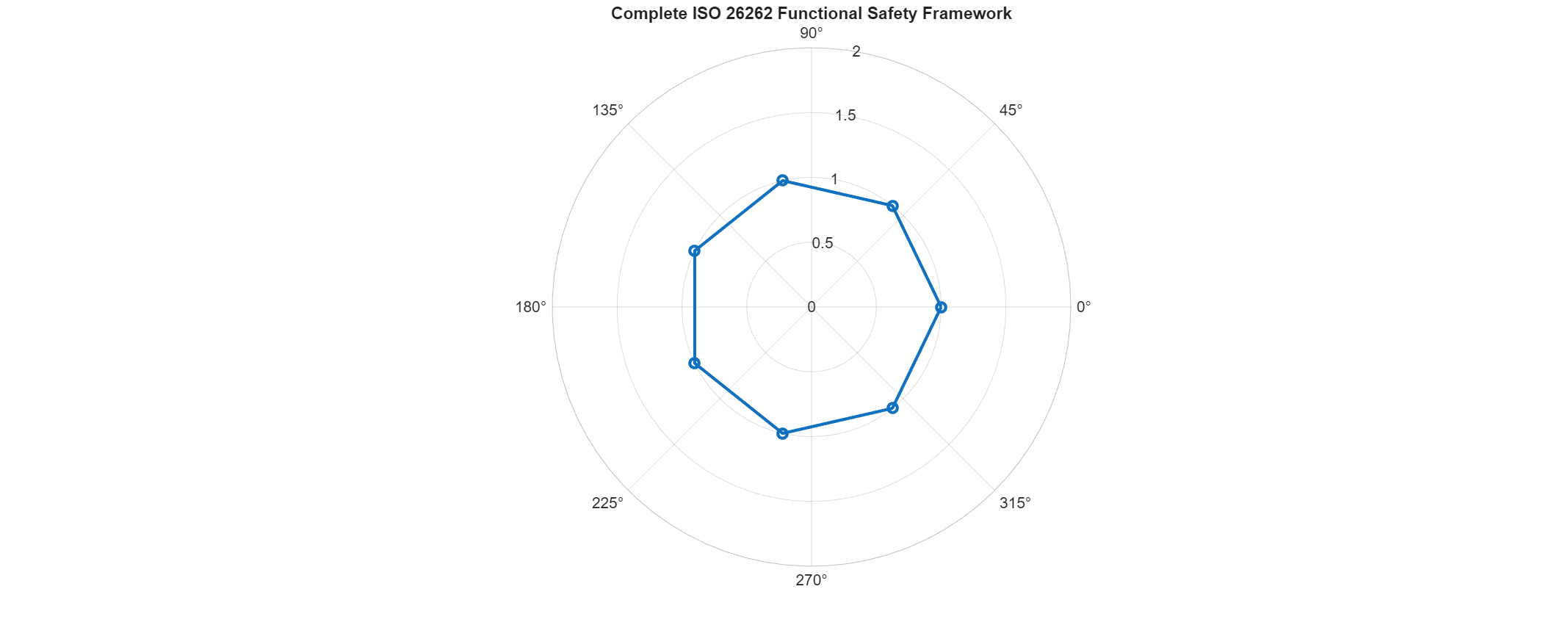
Figure 11: Comprehensive ISO 26262 functional safety framework for electric drive development.
Figure 11 provides a high-level summary of the complete ISO 26262 framework, integrating risk management, safety concepts, architecture development, implementation, verification, validation, and compliance assessment. The figure 11 illustrates how these elements interact to create a systematic approach to functional safety engineering.
Therefore, ISO 26262 changes electric drive development from a performance-focused approach into a safety-integrated engineering process.
X. Conclusion
ISO 26262 provides a structured functional safety framework for electrical and electronic systems used in road vehicles. For electric drives, the standard is essential because these systems combine complex interactions between motors, power electronics, embedded hardware, sensors, and software.
The standard ensures that safety is integrated into engineering activities rather than added after system development. Through lifecycle management, requirement traceability, ASIL classification, verification, and validation processes, ISO 26262 enables controlled development of safety-critical electric drive systems.
The framework defines how engineers must identify safety requirements, design appropriate architectures, implement hardware and software solutions, and verify compliance throughout the complete development lifecycle. Consequently, ISO 26262 provides a foundation for developing reliable and safety-oriented electric drive technologies.
References
[1] ISO 26262:2018, Road Vehicles – Functional Safety – Parts 1–12, International Organization for Standardization, 2018.
[2] M. Becker and R. Schneider, “Functional Safety Development According to ISO 26262,” IEEE Transactions on Industrial Electronics, vol. 62, no. 7, pp. 4505–4514, 2015.
[3] P. Koopman and M. Wagner, “Challenges in Autonomous Vehicle Testing and Validation,” SAE International Journal of Transportation Safety, vol. 4, no. 1, pp. 15–24, 2016.
[4] J. Lee and H. Kim, “Safety-Oriented Embedded Software Development for Automotive Systems,” IEEE Access, vol. 8, pp. 125421–125433, 2020.
[5] R. Isermann, Fault-Diagnosis Systems: An Introduction from Fault Detection to Fault Tolerance, Springer, 2006.
You can download the Project files here: Download files now. (You must be logged in).








Responses