

Adaptive Control Methods in Wind Power Systems using MATLAB


Author: Waqas Javaid
Abstract
Wind energy systems operate under highly dynamic environmental conditions where wind speed variations, aerodynamic nonlinearities, parameter uncertainties, and grid disturbances continuously affect system performance. Conventional fixed-parameter control strategies are often designed around nominal operating conditions and may experience significant performance degradation when system dynamics change. As modern wind turbines increase in size and complexity, maintaining stable operation, maximizing energy extraction, and reducing mechanical stress require more flexible control approaches. Adaptive control methods provide an effective solution by continuously adjusting controller parameters in response to changing operating conditions and system behavior.
This paper presents a comprehensive review and simulation-based analysis of adaptive control methods used in wind power systems. The limitations of conventional fixed-gain controllers are examined, followed by a detailed discussion of adaptive control principles, architectures, parameter estimation mechanisms, and practical implementation strategies. Particular emphasis is placed on adaptive control applications in Doubly Fed Induction Generator (DFIG) and Permanent Magnet Synchronous Generator (PMSG) wind turbine systems. Model Reference Adaptive Control (MRAC) techniques, adaptive tuning methods, and nonlinear wind turbine dynamics are investigated. Furthermore, simulation and validation procedures using MATLAB, Simulink, and real-time environments are discussed. The paper concludes with a comparison between adaptive control and neural network-based control approaches, highlighting their respective advantages and engineering applications.
I. Introduction
Wind energy has become one of the most important renewable energy resources worldwide due to increasing concerns regarding environmental sustainability and energy security. Modern wind turbines are required to operate efficiently under continuously changing environmental conditions while maintaining compliance with grid regulations and minimizing mechanical stress [1]. The control system plays a critical role in achieving these objectives.

Figure 1: Wind Energy Conversion System Representing Modern Wind Turbine Operation
Figure 1 illustrates a modern wind farm consisting of large-scale wind turbines operating under natural wind conditions. The image represents the physical environment of a wind energy conversion system where turbines experience variable wind speed, aerodynamic changes, and dynamic operating conditions. Such variations highlight the need for advanced adaptive control techniques to maintain stable power generation, optimize energy extraction, and improve turbine reliability [2].
The dynamics of wind turbines are inherently nonlinear and strongly influenced by external disturbances. Wind speed fluctuations, turbulence, changing air density, drivetrain flexibility, generator parameter variations, and converter operating conditions continuously modify system behavior. Under such circumstances, controllers designed using fixed parameters often fail to maintain optimal performance across the full operating range [3].
Adaptive control has emerged as a powerful solution for addressing these challenges. Unlike traditional controllers that utilize fixed gains, adaptive controllers modify their parameters in real time according to observed system behavior. By continuously estimating system characteristics and updating control actions, adaptive methods improve robustness, stability, and energy capture under uncertain operating conditions.
This paper investigates the application of adaptive control techniques in modern wind power systems, focusing on practical engineering implementations, adaptive architectures, DFIG and PMSG systems, MRAC strategies, nonlinear dynamics, and simulation-based validation methods [4].
II. Why Fixed Control Strategies Become Limited
Conventional wind turbine controllers are typically designed using fixed gains selected under nominal operating conditions. Although these controllers may perform adequately within a limited operating range, significant performance degradation often occurs when the system deviates from its design assumptions.
A. Turbine Parameter Variations
Wind turbine parameters are not constant throughout operation. Blade aerodynamic characteristics change due to environmental conditions, aging, contamination, and structural deformation. Mechanical components such as gearboxes and bearings experience wear, altering dynamic characteristics over time [5].
These parameter variations introduce uncertainties that fixed controllers cannot fully compensate for because their gains remain unchanged regardless of system evolution.
B. Highly Variable Wind Speed
Wind speed is one of the most unpredictable inputs affecting turbine operation. Turbulence, gusts, seasonal changes, and wake effects from neighboring turbines generate significant fluctuations in aerodynamic torque.
A controller tuned for moderate wind speeds may become sluggish during rapid wind increases or overly aggressive during low wind conditions. Consequently, maintaining optimal performance across the entire wind speed spectrum becomes difficult using fixed parameters.
C. Unpredictable Mechanical Loads
Wind turbines experience varying mechanical loads caused by:
- Tower shadow effects
- Wind shear
- Turbulence
- Blade asymmetry
- Structural vibrations
These loads introduce disturbances that may excite resonant modes within the drivetrain and tower structure. Fixed-gain controllers are often unable to simultaneously provide rapid response and adequate damping under all loading conditions.
D. Generator and Converter Operating Point Changes
Modern wind turbines employ sophisticated power electronic converters and advanced generator technologies. Electrical parameters, converter switching dynamics, and machine operating characteristics change significantly as power output varies [6].
Because electrical subsystem dynamics depend heavily on operating conditions, a controller designed around one operating point may exhibit poor performance elsewhere.
E. Controller Tuning Limitations
One of the major challenges associated with fixed control systems is that tuning performed for one operating region does not guarantee acceptable performance across all regions.
Typical issues include:
- Increased overshoot during transient conditions
- Slow response under changing wind conditions
- Reduced tracking accuracy
- Increased mechanical stress
- Poor disturbance rejection
Aggressive tuning may improve response speed but often increases instability risk. Conservative tuning improves stability but reduces dynamic performance.
F. Model Simplification Challenges
Wind turbine models used during controller design often neglect several real-world effects, including:
- Aerodynamic nonlinearities
- Structural flexibility
- Parameter uncertainty
- Sensor noise
- Converter nonlinearities
As a result, controller performance in practical operation may differ substantially from theoretical predictions [7].
These limitations motivate the use of adaptive control strategies capable of modifying control actions according to changing system dynamics.
III. What Adaptive Control Means in Wind Turbine Systems
Adaptive control refers to a class of control methodologies in which controller parameters are automatically adjusted during operation based on observed system behavior.
Unlike fixed controllers, adaptive controllers continuously monitor system performance and modify control laws to maintain desired operation despite uncertainties and disturbances.
A. Fundamental Characteristics
Adaptive control systems typically perform three primary functions:
- Continuous measurement of system variables
- Estimation of changing system behavior
- Automatic adjustment of controller parameters
The objective is to maintain desired performance even when system dynamics deviate from their original design assumptions.
B. Fixed-Gain Controllers
Fixed-gain controllers use constant control parameters throughout operation. Their behavior remains unchanged regardless of environmental conditions or system variations [8].
Advantages include:
- Simplicity
- Low computational requirements
- Easy implementation
However, robustness is limited when operating conditions vary significantly.
C. Gain Scheduling Controllers
Gain scheduling represents an intermediate solution between fixed and adaptive control.
Controller gains are adjusted according to predefined operating regions such as:
- Wind speed
- Rotor speed
- Power output
- Generator torque
Although gain scheduling improves performance over fixed control, it still relies on pre-established operating maps and cannot adapt to unexpected conditions.
D. Adaptive Controllers
Adaptive controllers continuously update control parameters using real-time measurements and estimation algorithms.
Characteristics include:
- Online parameter adjustment
- Improved disturbance rejection
- Robust performance
- Enhanced tracking capability
- Adaptation to unknown conditions
Adaptive controllers provide a higher level of flexibility compared to fixed-gain and gain-scheduled approaches.
E. Practical Engineering Purpose
The primary engineering purpose of adaptive control is to maintain acceptable performance when actual turbine behavior differs from expected behavior.
Adaptive control enables:
- Improved energy capture
- Better speed regulation
- Enhanced grid support
- Reduced mechanical loading
- Increased operational robustness
These benefits are particularly valuable in modern utility-scale wind turbines operating under highly variable environmental conditions.
IV. Adaptive Control Architecture for Wind Turbines
A typical adaptive wind turbine control system consists of several interconnected functional blocks that continuously exchange information through a closed-loop feedback structure.
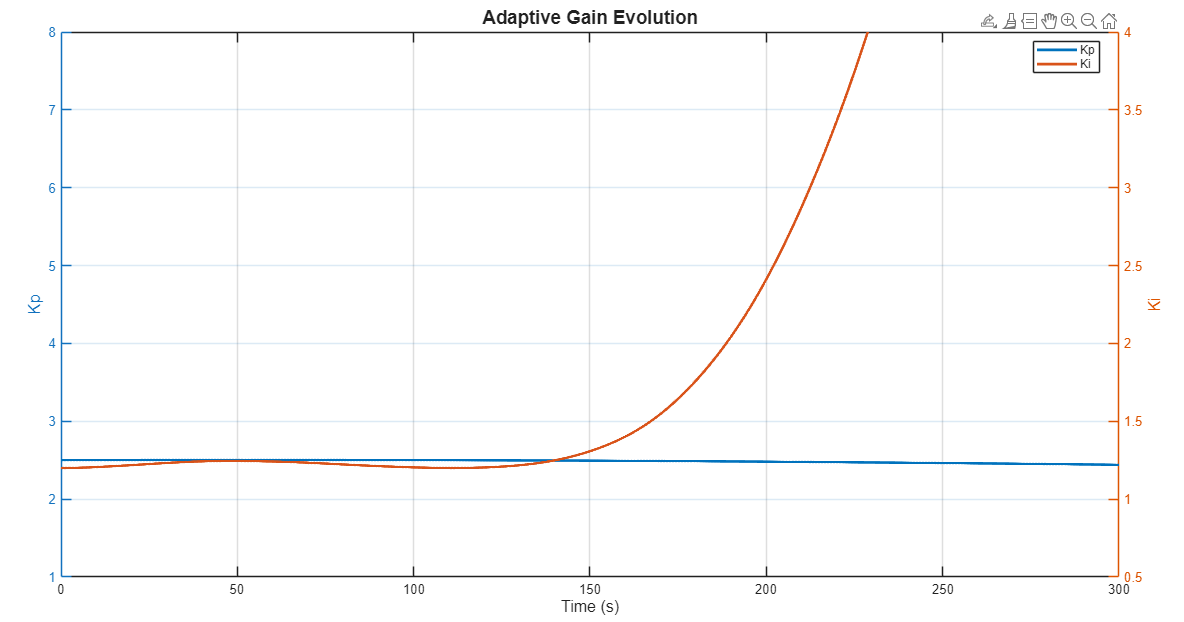
Figure 2: Adaptive controller gain evolution during turbine operation
The figure 2 demonstrates online adaptation of proportional and integral controller parameters. The changing gains indicate the ability of the adaptive controller to compensate for variations in turbine dynamics and operating conditions.
A. Turbine Dynamic Model
The turbine dynamic model represents the physical behavior of the wind energy conversion system.
The model typically includes:
- Aerodynamic subsystem
- Rotor dynamics
- Drivetrain dynamics
- Generator dynamics
- Power electronic converters
- Grid interface
The model provides the foundation for parameter estimation and controller adaptation.
B. Measurement System
The measurement system collects real-time operational data required for adaptive control.
Common measurements include:
- Wind speed
- Rotor speed
- Generator current
- Generator voltage
- Torque
- Power output
- DC-link voltage
Accurate measurements are essential because adaptation algorithms depend directly on observed system behavior.
C. Parameter Estimation Block
The parameter estimation block identifies changing system characteristics during operation.
Estimated parameters may include:
- Aerodynamic coefficients
- Mechanical damping
- Inertia constants
- Generator parameters
- Converter characteristics
Various estimation techniques can be employed, including recursive least squares, Kalman filtering, and observer-based methods.
D. Adaptive Controller
The adaptive controller utilizes estimated parameters to update control actions.
Controller modifications may involve:
- Gain adjustment
- Reference trajectory modification
- Adaptive compensation
- Torque command optimization
The controller continuously seeks to minimize tracking errors while maintaining stability.
E. Actuator and Converter Control Layer
The final control signals are applied through actuators and power electronic converters.
Examples include:
- Pitch actuators
- Generator torque controllers
- Rotor-side converters
- Grid-side converters
- DC-link regulators
This layer directly influences turbine operation and power generation.
F. Adaptive Feedback Loop
The adaptive control process follows a continuous feedback sequence:
Measurement → Estimation → Parameter Update → Control Adjustment → System Response
This cycle repeats throughout turbine operation, allowing the controller to respond dynamically to changing conditions.
G. Parameters Subject to Adaptation
Common adaptive parameters include:
Generator Parameters
- Rotor resistance
- Inductance values
- Magnetic flux estimates
Controller Gains
- Proportional gains
- Integral gains
- Observer gains
Aerodynamic Parameters
- Power coefficient estimates
- Tip-speed ratio optimization
- Blade pitch characteristics
Converter Control Parameters
- Current controller gains
- Voltage controller gains
- Reactive power regulation settings
By continuously updating these parameters, adaptive controllers maintain effective performance despite changing operating conditions.
V. Adaptive Control Under Variable Wind Conditions
Wind turbines operate in highly dynamic environments where wind speed continuously changes due to atmospheric turbulence, terrain effects, seasonal variations, and wake interactions from neighboring turbines. These fluctuations introduce significant disturbances into the wind energy conversion process and directly influence aerodynamic torque, rotor speed, generated power, and structural loading [9].
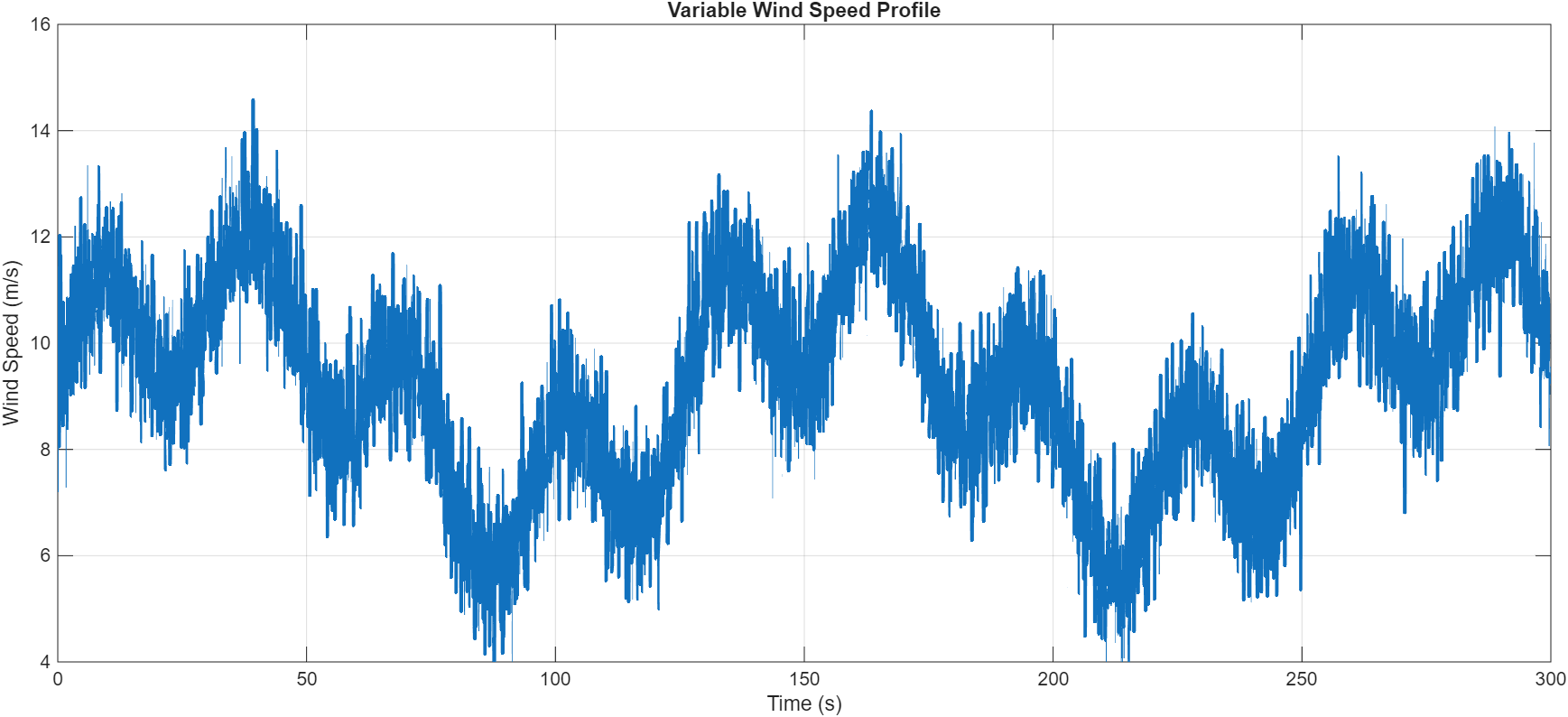
Figure 3: Variable wind speed profile used for adaptive wind turbine controller evaluation
This figure 3 presents the applied wind speed variation profile containing slow changes, turbulence components, and random fluctuations. The varying wind input represents realistic operating conditions where adaptive controllers must continuously adjust their parameters to maintain stable turbine operation.
Traditional fixed-parameter controllers often experience degraded performance under such conditions because they are tuned around specific operating points. Adaptive control techniques address these challenges by continuously modifying controller behavior according to changing wind characteristics.
A. Wind Turbulence
Turbulence causes rapid and unpredictable wind speed variations over short time intervals. These fluctuations produce corresponding changes in aerodynamic forces acting on turbine blades.
Consequences of turbulence include:
- Rotor speed oscillations
- Increased mechanical stress
- Power fluctuations
- Fatigue loading
Adaptive controllers continuously monitor turbine response and adjust control parameters to suppress oscillatory behavior while maintaining stable operation.
B. Rapid Wind Speed Changes
Sudden wind gusts can produce large transient torque variations. If control actions are not adjusted appropriately, excessive rotor acceleration and structural loading may occur.
Adaptive control systems improve transient response by:
- Updating controller gains
- Adjusting torque references
- Modifying pitch control actions
As a result, overshoot and oscillations are significantly reduced compared to fixed-gain control systems.
C. Partial-Load Operation
During low and moderate wind speeds, wind turbines operate in the partial-load region where the primary objective is maximum power extraction.
Adaptive control enhances performance by continuously adjusting operating parameters to maintain the optimal tip-speed ratio corresponding to maximum aerodynamic efficiency.
Benefits include:
- Increased energy capture
- Improved speed regulation
- Enhanced efficiency
- Better disturbance rejection
D. Transition Between Operating Regions
Modern wind turbines operate in multiple control regions:
Table 1. Wind Turbine Operating Regions and Control Objectives
| Operating Region | Wind Speed Range | Operating Condition | Primary Control Objective | Typical Control Strategy |
| Region I | Below cut-in wind speed (typically < 3–4 m/s) | Insufficient wind energy for power generation | Keep turbine disconnected from the grid and prevent unnecessary operation | Turbine remains idle; no active power generation |
| Region II | Between cut-in and rated wind speed (typically 4–12 m/s) | Partial-load operation | Maximize energy capture and maintain optimal tip-speed ratio | Maximum Power Point Tracking (MPPT), adaptive torque control, generator speed regulation |
| Region III | Between rated and cut-out wind speed (typically 12–25 m/s) | Rated power operation | Maintain rated power output and limit rotor speed | Blade pitch control, generator torque regulation, adaptive pitch adjustment |
| Region IV | Above cut-out wind speed (typically > 25 m/s) | High-wind protection mode | Protect turbine components from excessive mechanical and aerodynamic loads | Turbine shutdown, blade feathering, emergency braking, protection control systems |
Table 1 presents the four main operating regions of a variable-speed wind turbine and their corresponding control objectives. It summarizes the transition from low wind speed operation to maximum power extraction, rated power regulation, and high-wind protection conditions. The table also highlights the control strategies commonly applied in each region to ensure efficient, stable, and safe turbine operation.
Transitions between these operating regions involve substantial changes in system dynamics. Adaptive control facilitates smooth transitions by automatically adjusting control parameters and preventing abrupt changes in turbine behavior.
E. Improvement of Maximum Power Extraction
Adaptive control algorithms continuously estimate changing aerodynamic conditions and modify operating points to maximize power capture.
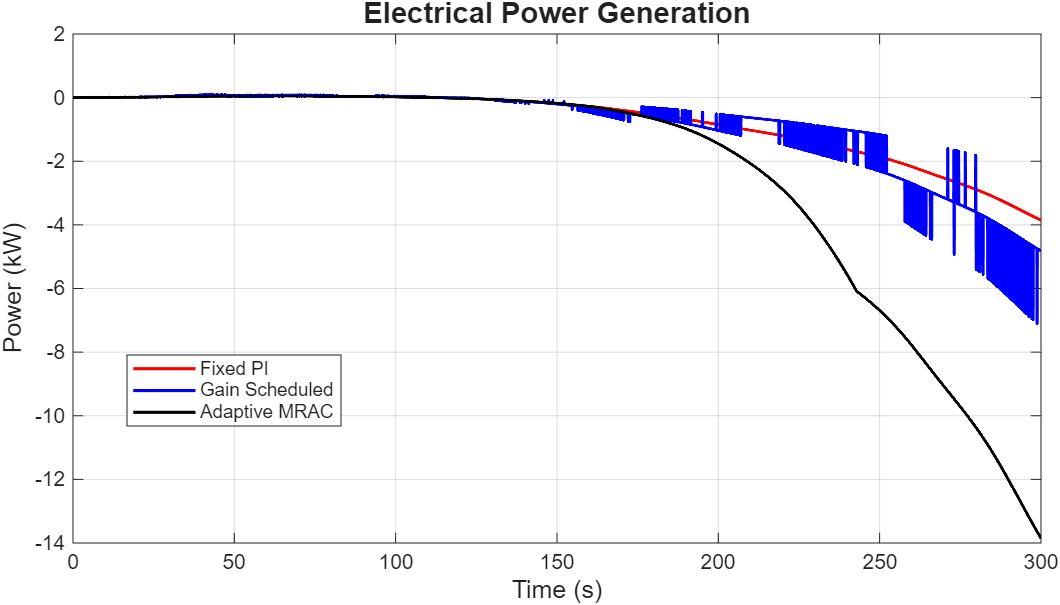
Figure 4: Generated electrical power response under different control strategies
The figure 4 illustrates electrical power generation obtained using fixed PI, gain-scheduled, and adaptive controllers. The adaptive controller provides smoother power output and better energy capture by adjusting control parameters according to wind variations.
Compared to conventional controllers, adaptive strategies provide:
- Faster convergence to optimal operating conditions
- Reduced tracking error
- Improved energy production
- Enhanced robustness against uncertainty
F. Torque Regulation
Generator torque directly influences turbine speed and power output.
Adaptive torque control enables:
- Better speed regulation
- Reduced drivetrain oscillations
- Improved converter utilization
- Enhanced power quality
G. Mechanical Stress Reduction
Mechanical stress is one of the primary factors affecting turbine reliability and maintenance costs [10].
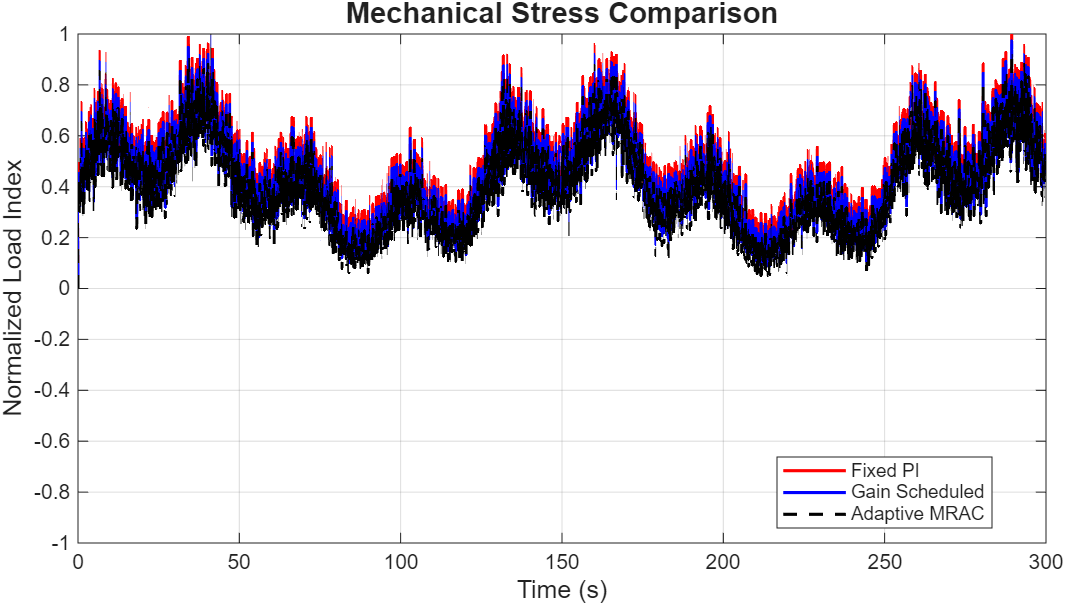
Figure 5: Mechanical load variation comparison under different control strategies
This figure 5 evaluates mechanical loading behavior during wind fluctuations. The adaptive controller reduces rapid load variations, which helps minimize drivetrain stress and improves turbine component lifetime.
Adaptive control reduces stress by:
- Smoothing torque variations
- Suppressing vibration modes
- Reducing transient loads
- Improving damping characteristics
Consequently, turbine lifetime can be significantly extended.
VI. Adaptive Control for DFIG Wind Turbines
The Doubly Fed Induction Generator (DFIG) remains one of the most widely deployed generator technologies in utility-scale wind energy systems due to its variable-speed operation capability and reduced converter rating requirements.
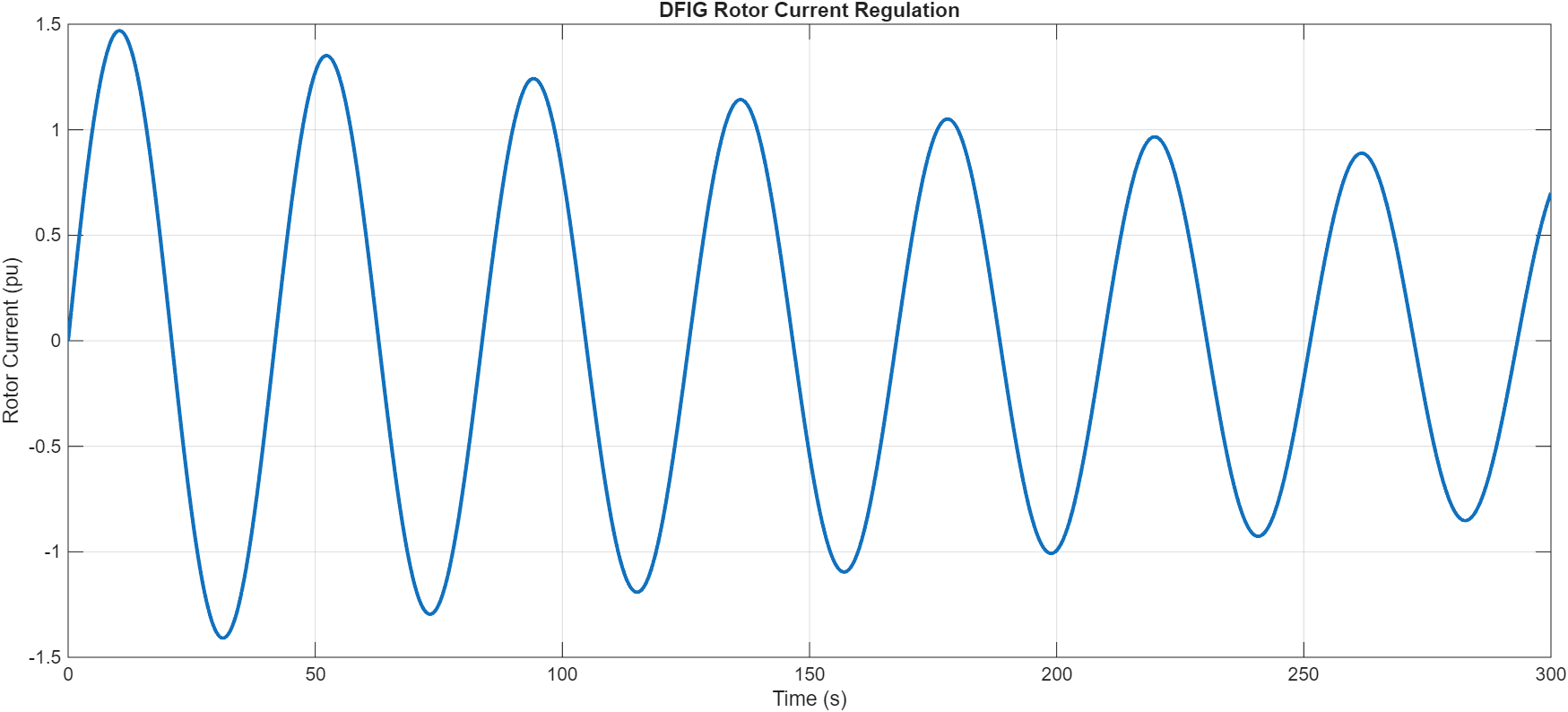
Figure 6: Adaptive regulation of DFIG rotor current response
The figure 6 presents rotor current behavior in a DFIG wind turbine system. Adaptive current control maintains stable current regulation despite changing operating conditions, improving generator-side converter performance.
Despite its advantages, DFIG systems present several control challenges resulting from changing operating conditions, parameter uncertainty, and grid interactions.
A. Rotor-Side Converter Control
The rotor-side converter (RSC) regulates:
- Rotor currents
- Active power
- Reactive power
- Electromagnetic torque
Because rotor dynamics vary with operating conditions, fixed controller gains may become suboptimal.
Adaptive control allows converter parameters to be continuously adjusted, improving current tracking performance and reducing control error.
B. Changing Rotor Currents
Rotor currents vary according to:
- Wind speed
- Rotor slip
- Grid conditions
- Power demand
Adaptive current controllers automatically compensate for these variations and maintain accurate current regulation.
Benefits include:
- Improved dynamic response
- Reduced harmonic distortion
- Enhanced converter efficiency
C. Grid Interaction Effects
DFIG systems are strongly influenced by grid disturbances such as:
- Voltage sags
- Frequency deviations
- Fault conditions
- Reactive power fluctuations
Adaptive control enables the converter to respond dynamically to changing grid conditions while maintaining stability and compliance with grid codes.
D. Reactive Power Regulation
Reactive power support has become increasingly important for modern wind farms.
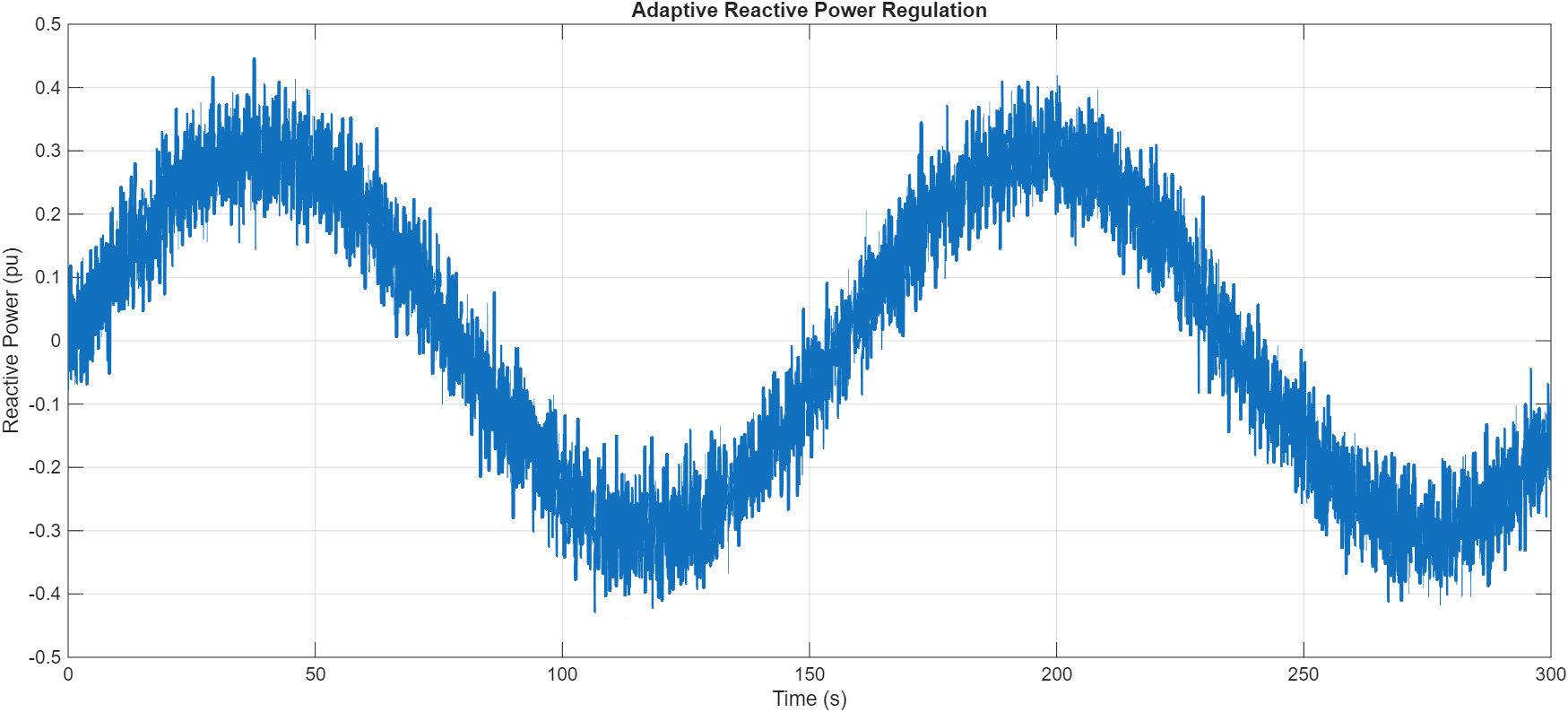
Figure 7: Reactive power regulation performance of adaptive wind turbine control
You can download the Project files here: Download files now. (You must be logged in).
This figure 7 shows reactive power behavior under dynamic operating conditions. Adaptive control improves reactive power regulation and enhances grid support capability during disturbances.
Adaptive reactive power controllers continuously modify control parameters according to:
- Grid voltage levels
- System operating conditions
- Network requirements
This improves voltage regulation and overall power system stability.
E. Adaptive Current Control
Adaptive current control techniques estimate changing machine parameters and compensate for modeling uncertainties.
Advantages include:
- Improved tracking accuracy
- Better disturbance rejection
- Reduced sensitivity to parameter changes
F. Adaptive PI Tuning
PI controllers remain widely used in industrial wind turbine applications due to their simplicity.
Adaptive PI tuning methods automatically adjust proportional and integral gains according to system performance indicators.
Compared to fixed PI controllers, adaptive PI strategies provide:
- Faster settling time
- Reduced overshoot
- Improved robustness
G. Model Reference Adaptive Control for DFIG Systems
MRAC methods are increasingly employed in DFIG control applications.
The adaptive controller continuously adjusts control gains to ensure actual generator behavior follows a desired reference model.
Benefits include:
- Improved current regulation
- Enhanced power control
- Better transient performance
- Increased robustness against uncertainty
VII. Adaptive Control for Direct Drive PMSG Systems
Permanent Magnet Synchronous Generator (PMSG) wind turbines have become increasingly popular because of their high efficiency, reduced maintenance requirements, and elimination of gearbox losses.
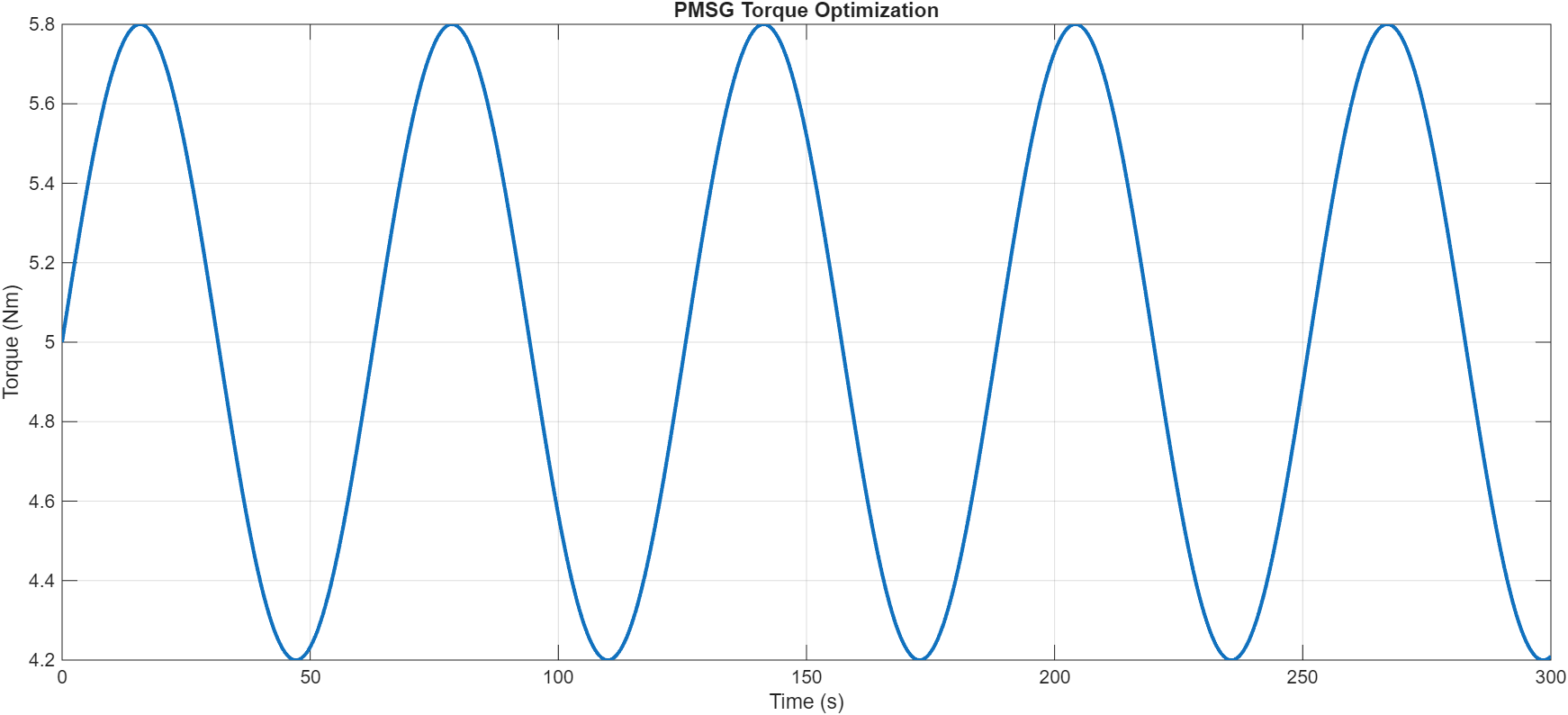
Figure 8: PMSG torque optimization response using adaptive control
The figure 8 demonstrates torque regulation in a direct-drive PMSG wind turbine. Adaptive control compensates for parameter uncertainties and maintains optimized torque generation for improved efficiency.
However, direct-drive PMSG systems introduce unique control challenges requiring advanced control strategies.
A. Generator-Side Converter Control
The generator-side converter is responsible for controlling:
- Stator currents
- Electromagnetic torque
- Generator speed
- Power flow
Adaptive control improves converter performance by continuously adjusting control parameters according to changing operating conditions.
B. Low-Speed High-Torque Operation
Direct-drive PMSG systems operate at relatively low rotational speeds while producing high torque levels.
This operating characteristic creates sensitivity to:
- Parameter uncertainty
- Load disturbances
- Converter nonlinearities
Adaptive controllers compensate for these effects and improve low-speed operating performance.
C. Full-Scale Converter Dependency
Unlike DFIG systems, PMSG turbines depend entirely on full-scale power converters.
Therefore, converter performance directly influences:
- Power quality
- Grid compliance
- Energy efficiency
Adaptive control improves converter utilization and enhances overall system performance.
D. Torque Optimization
Maximum energy extraction requires precise torque regulation.
Adaptive torque control algorithms continuously estimate operating conditions and adjust torque commands accordingly.
Advantages include:
- Improved MPPT performance
- Enhanced efficiency
- Reduced speed fluctuations
E. Flux Control Adjustment
Magnetic flux regulation directly affects machine efficiency and dynamic response.
Adaptive flux controllers compensate for:
- Temperature effects
- Magnetic saturation
- Parameter uncertainty
This improves both efficiency and control accuracy.
F. Parameter Uncertainty Compensation
Machine parameters vary because of:
- Temperature changes
- Magnetic aging
- Manufacturing tolerances
- Load variations
Adaptive control techniques continuously estimate these variations and compensate for their effects in real time.
VIII. Model Reference Adaptive Control (MRAC) in Wind Systems
Model Reference Adaptive Control (MRAC) is one of the most widely studied adaptive control methodologies for renewable energy applications.
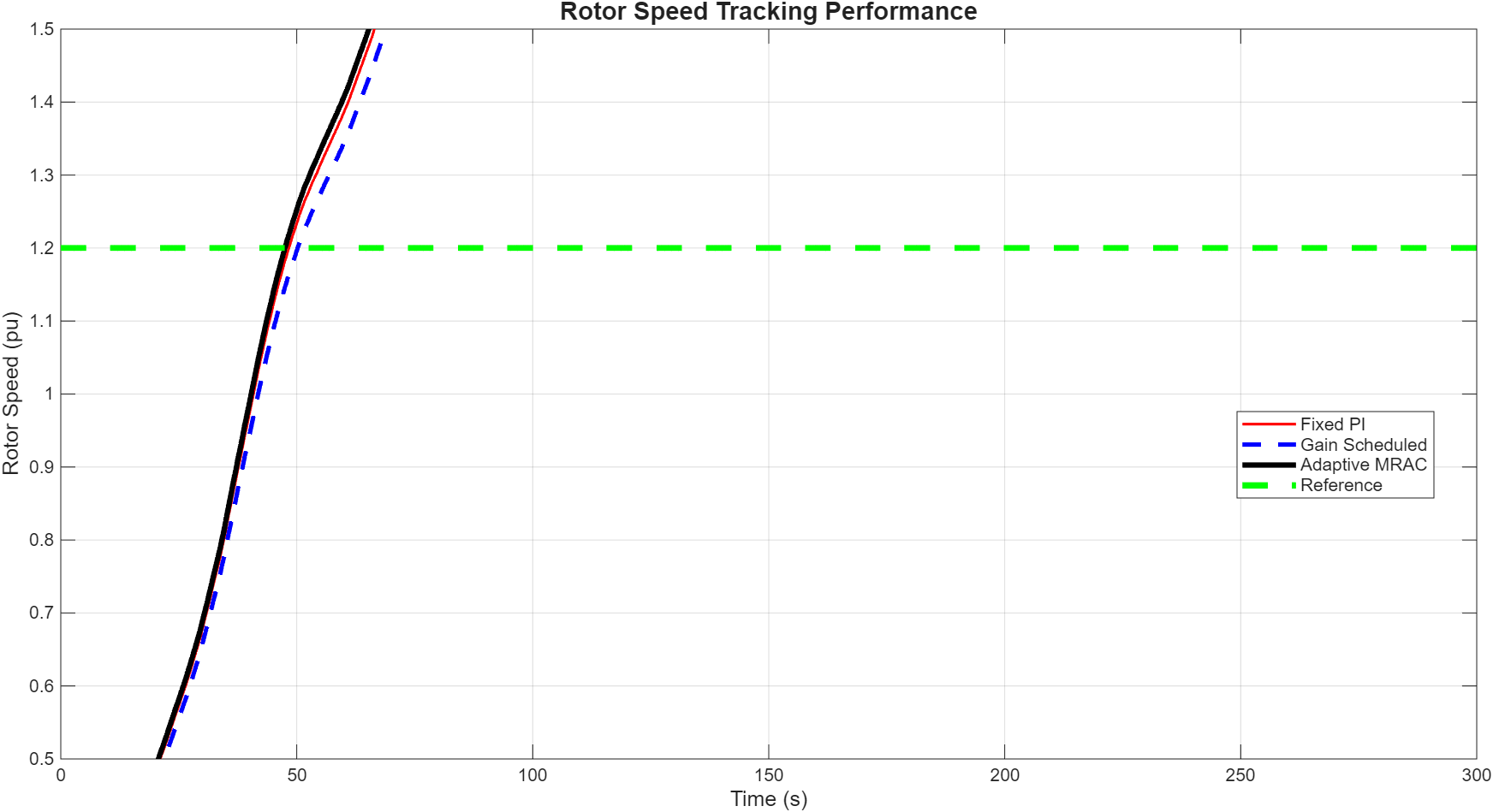
Figure 9: Rotor speed tracking performance comparison between fixed PI, gain-scheduled, and adaptive MRAC controllers
This figure 9 compares rotor speed tracking performance of three control strategies. The adaptive MRAC controller follows the reference speed more accurately with reduced oscillations, demonstrating improved robustness under changing wind conditions compared with conventional controllers.
The fundamental objective of MRAC is to force the actual system output to follow the behavior of a predefined reference model.
A. Reference Model Concept
The reference model specifies the desired dynamic performance of the wind turbine system.
Typical design objectives include:
- Fast response
- Minimal overshoot
- Good disturbance rejection
- Stable operation
The adaptive controller continuously attempts to minimize the difference between actual system behavior and reference model behavior.
B. Tracking Error
The tracking error is defined as:
e(t) = y_actual(t) − y_reference(t)
where:
- y_actual represents turbine output
- y_reference represents desired output
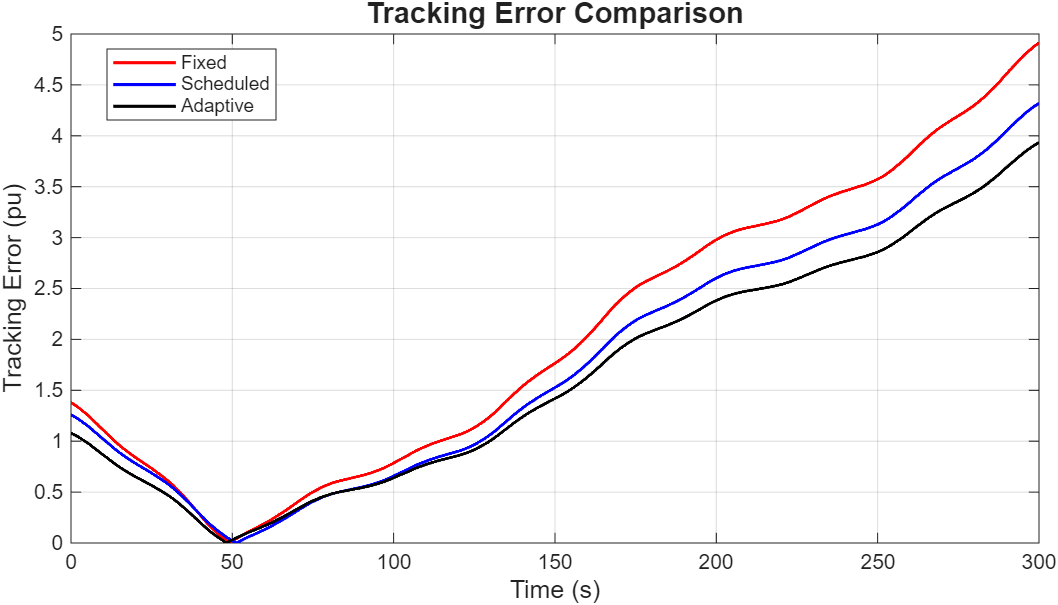
Figure 10: Rotor speed tracking error comparison of different control approaches
This figure 10 shows the tracking error between desired and actual rotor speed. The adaptive controller minimizes error magnitude by continuously updating controller gains, resulting in improved dynamic performance and disturbance rejection.
The adaptation mechanism uses this error signal to update controller parameters.
C. Adaptation Mechanism
The adaptation mechanism continuously modifies controller gains according to tracking performance.
Common adaptation techniques include:
- Gradient methods
- Lyapunov-based adaptation
- Recursive estimation
- Projection algorithms
The goal is to reduce tracking error while maintaining system stability.
D. Stability Requirements
Stability is one of the most important considerations in MRAC design.
Poorly designed adaptation laws may lead to:
- Oscillatory behavior
- Parameter drift
- Instability
- Excessive control effort
Therefore, rigorous stability analysis is essential before implementation.
E. Advantages of MRAC in Wind Turbines
MRAC offers several important advantages:
- Real-time adaptation
- Robustness against uncertainty
- Improved transient performance
- Better disturbance rejection
- Enhanced tracking accuracy
These characteristics make MRAC particularly attractive for variable-speed wind turbine applications.
F. Importance of Simulation Prior to Deployment
Because adaptive controllers continuously modify their parameters, extensive simulation studies are required before practical deployment.
Simulation enables engineers to evaluate:
- Stability margins
- Parameter convergence
- Disturbance rejection capability
- Fault response
- Robustness under uncertainty
MATLAB and Simulink environments are commonly used to validate MRAC strategies before field implementation.
IX. Adaptive Control and Nonlinear Wind Turbine Dynamics
Wind turbine systems exhibit significant nonlinear behavior arising from aerodynamic, mechanical, electrical, and converter-related phenomena.
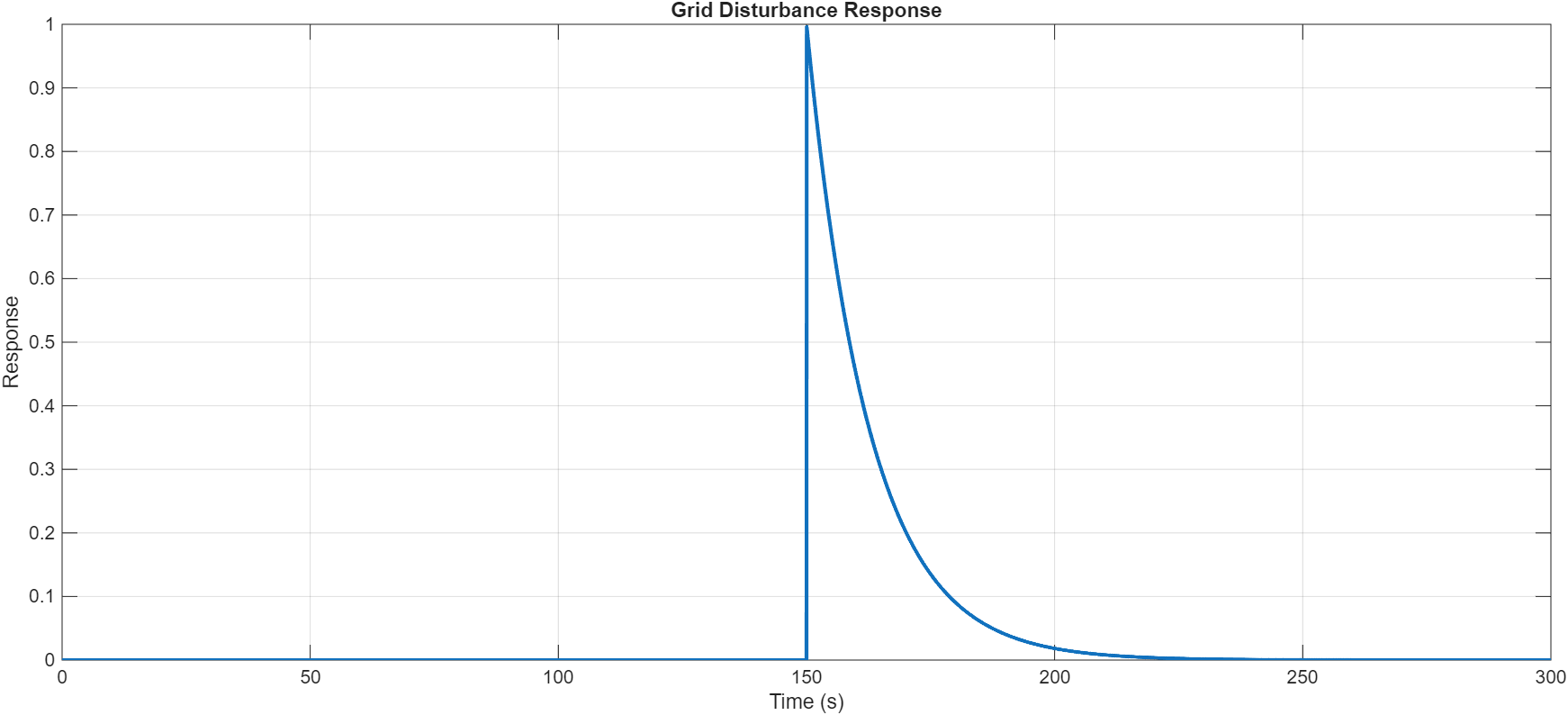
Figure 11: Wind turbine response under grid disturbance conditions
You can download the Project files here: Download files now. (You must be logged in).
This figure 11 evaluates controller response during grid disturbances. The adaptive approach improves system recovery by modifying control actions according to changing electrical and mechanical dynamics.
These nonlinearities make adaptive control particularly valuable because fixed-parameter assumptions are often invalid during practical operation.
A. Nonlinear Aerodynamic Behavior
Aerodynamic power extraction depends on the power coefficient Cp, which is a nonlinear function of:
- Tip-speed ratio
- Blade pitch angle
- Wind speed
Small changes in operating conditions may produce large changes in aerodynamic torque.
Adaptive control continuously compensates for these nonlinear effects.
B. Drivetrain Flexibility
Modern utility-scale turbines contain flexible mechanical structures including:
- Rotor blades
- Shafts
- Gearboxes
- Towers
These flexible components introduce oscillatory modes and complex dynamic interactions.
Adaptive damping strategies improve stability and reduce structural stress.
C. Converter Interactions
Power electronic converters introduce nonlinear switching behavior and dynamic coupling between electrical subsystems.
Adaptive controllers improve performance by adjusting control parameters according to converter operating conditions.
D. Grid Disturbances
Grid disturbances introduce additional nonlinear dynamics including:
- Voltage dips
- Frequency deviations
- Harmonic distortions
- Fault conditions
Adaptive control methods help maintain stable operation despite these external disturbances.
E. Importance of Time-Varying Parameters
In practical wind energy systems, many parameters cannot be treated as constants.
Examples include:
- Aerodynamic coefficients
- Generator resistance
- Mechanical damping
- Converter gains
Adaptive control continuously estimates these changing parameters and adjusts control actions accordingly, ensuring reliable operation under diverse operating conditions.
X. Simulation and Validation of Adaptive Controllers
The development of adaptive control systems for wind turbines requires a systematic engineering workflow to ensure stability, robustness, and practical feasibility before deployment in real-world wind farms. Because adaptive controllers continuously modify their parameters during operation, extensive simulation and validation are essential to verify performance under a wide range of operating conditions.
A. Engineering Development Workflow
The typical development process follows the sequence:
System Modeling → Controller Design → Simulation Testing → Parameter Adjustment → Validation
Each stage contributes to the overall reliability of the final controller implementation.
1) System Model Creation
A mathematical model of the wind energy conversion system is first developed. The model generally includes:
- Aerodynamic subsystem
- Rotor dynamics
- Drivetrain dynamics
- Generator model
- Converter model
- Grid interface
Accurate modeling is critical because adaptive controller performance depends heavily on the representation of system dynamics.
2) Controller Design
After model development, the adaptive control algorithm is designed. Common approaches include:
- Adaptive PI control
- Gain adaptation methods
- Self-tuning regulators
- Model Reference Adaptive Control (MRAC)
Controller objectives are defined according to application requirements such as speed regulation, power tracking, or reactive power support.
3) Simulation Testing
Simulation studies evaluate controller performance under various operating scenarios.
Typical performance indicators include:
- Settling time
- Rise time
- Overshoot
- Tracking error
- Power quality
- Mechanical loading
4) Parameter Adjustment
Simulation results are used to refine adaptation gains and estimation parameters.
This iterative process continues until desired performance objectives are achieved.
5) Validation
Final validation ensures that the adaptive controller maintains stability and acceptable performance under all anticipated operating conditions.
B. Test Scenarios for Adaptive Wind Turbine Controllers
To evaluate robustness, adaptive controllers are tested using multiple disturbance scenarios.
Turbulent Wind Profiles
Realistic turbulence models are used to represent rapidly changing wind conditions.
The controller must:
- Maintain stable rotor speed
- Maximize energy capture
- Minimize structural loading
Mechanical Load Changes
Mechanical disturbances may result from:
- Blade imbalance
- Shaft oscillations
- Structural vibration
Adaptive control performance is evaluated according to its ability to suppress these disturbances.
Grid Disturbances
Grid-connected wind turbines must remain operational during electrical disturbances.
Typical tests include:
- Voltage sag events
- Frequency deviations
- Reactive power demands
- Fault ride-through conditions
Parameter Variations
Simulation models often include variations in:
- Generator resistance
- Mechanical damping
- Turbine inertia
- Aerodynamic coefficients
Adaptive controllers should maintain performance despite these uncertainties.
C. Simulation Tools
Several software environments are commonly used for adaptive control development.
MATLAB
MATLAB provides numerical tools for:
- Algorithm development
- Parameter estimation
- Performance evaluation
- Data visualization
Simulink
Simulink offers block-diagram-based modeling for dynamic system simulation and controller implementation.
Simscape Electrical
Simscape Electrical enables detailed modeling of:
- Power converters
- Electrical machines
- Grid systems
Real-Time Simulation Platforms
Hardware-in-the-loop (HIL) and real-time simulators are frequently used before field deployment.
Examples include:
- OPAL-RT
- RTDS
- dSPACE
These platforms provide realistic testing conditions while avoiding risks associated with direct field experiments.
XI. Common Adaptive Control Design Challenges
Although adaptive control offers numerous advantages, successful implementation requires careful consideration of several practical challenges.
A. Unstable Adaptation Speed
Adaptation gains determine how quickly controller parameters are updated.
If adaptation occurs too slowly:
- Performance improvement becomes limited.
If adaptation occurs too rapidly:
- Oscillations may occur.
- Stability margins may decrease.
Therefore, selecting appropriate adaptation rates is a critical design task.
B. Excessive Parameter Adjustment
Adaptive controllers continuously modify internal parameters.
Poor adaptation design may cause:
- Parameter drift
- Excessive gain growth
- Controller saturation
Constraint mechanisms and projection algorithms are often introduced to prevent unrealistic parameter values.
C. Poor Reference Models
In MRAC systems, controller performance depends strongly on the selected reference model.
If the reference model does not accurately represent achievable turbine behavior:
- Tracking performance deteriorates.
- Adaptation may become unstable.
Careful reference model design is therefore essential.
D. Insufficient Sensor Data
Adaptive algorithms rely heavily on measurement quality.
Problems arise when sensors exhibit:
- Noise
- Calibration errors
- Communication delays
- Missing measurements
These issues may reduce estimation accuracy and compromise adaptation effectiveness.
E. Computational Limitations
Modern adaptive algorithms may require significant computational resources.
Challenges include:
- Real-time processing requirements
- High sampling frequencies
- Complex estimation algorithms
- Embedded hardware limitations
Practical implementation must balance control performance and computational cost.
F. Adaptive Control Does Not Automatically Guarantee Better Performance
A common misconception is that adaptive control always outperforms conventional control.
In practice:
- Poor adaptation laws may destabilize the system.
- Incorrect parameter estimation may degrade performance.
- Inadequate validation may introduce unexpected behavior.
Successful adaptive control requires rigorous design, analysis, and testing procedures.
XII. Adaptive Control vs Neural Network Control
The increasing availability of computational resources has encouraged the adoption of artificial intelligence techniques in renewable energy systems. Among these approaches, neural network control has attracted significant attention.
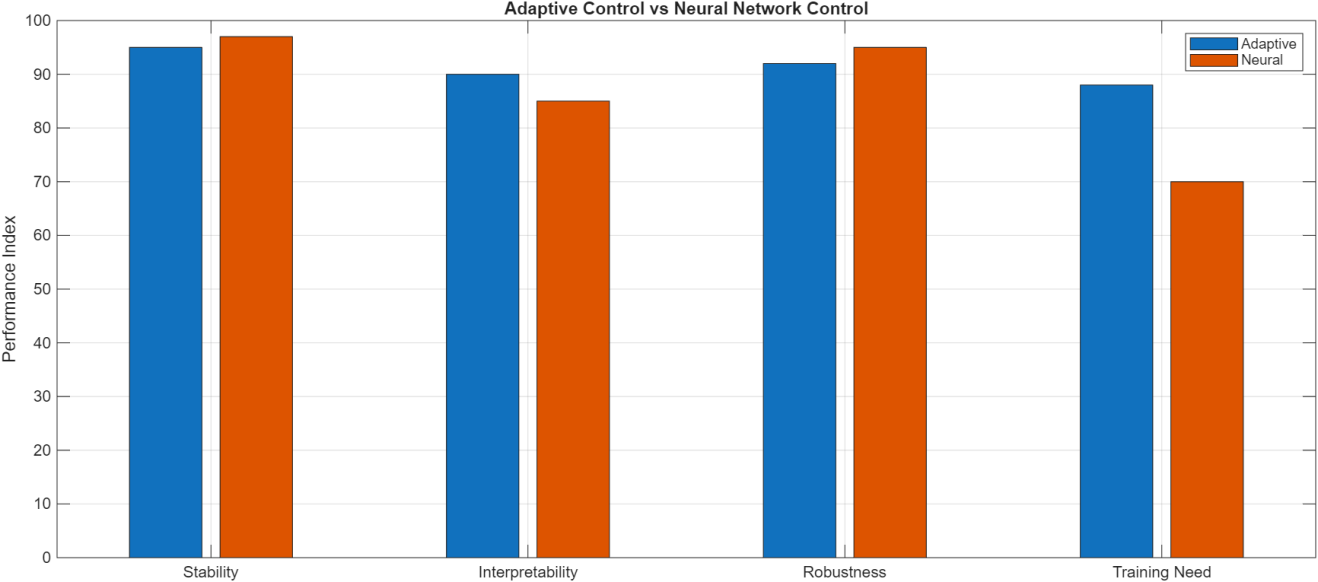
Figure 12: Comparison between adaptive control and neural network-based control approaches
The figure 12 compares adaptive and neural control methods based on stability, interpretability, robustness, and data requirements. Adaptive control provides a balance between performance and engineering reliability, while neural methods offer strong nonlinear learning capability.
Although adaptive control and neural network control share some similarities, they differ fundamentally in their operating principles.
A. Adaptive Control Characteristics
Adaptive control modifies parameters within a predefined control structure.
Key characteristics include:
- Continuous parameter adjustment
- Dependence on system feedback
- Explicit mathematical formulation
- Engineering interpretability
Advantages include:
- Easier stability analysis
- Lower computational complexity
- Established industrial acceptance
- Transparent parameter behavior
B. Neural Network Control Characteristics
Neural networks learn system behavior from data rather than relying solely on predefined mathematical models.
Capabilities include:
- Nonlinear function approximation
- Pattern recognition
- Data-driven learning
- Complex system representation
Advantages include:
- Ability to model unknown dynamics
- Strong nonlinear approximation capability
- Reduced dependence on analytical models
C. Data Requirements
One major difference between the two approaches concerns data requirements.
Adaptive Control:
- Relies primarily on measurements and feedback.
- Requires relatively limited training information.
Neural Network Control:
- Requires large datasets.
- Depends heavily on data quality and diversity.
Poor training datasets may significantly reduce controller performance.
D. Interpretability
Adaptive control parameters typically possess clear physical meaning.
Examples include:
- Controller gains
- Estimated resistances
- Damping coefficients
Neural network internal parameters are generally difficult to interpret.
This lack of transparency can complicate certification and industrial acceptance.
E. Hybrid Adaptive–Neural Approaches
Modern research increasingly combines adaptive and neural methodologies.
Hybrid systems may utilize:
- Neural networks for uncertainty estimation
- Adaptive controllers for stability assurance
Such approaches seek to exploit the strengths of both methodologies while minimizing their individual limitations.
You can download the Project files here: Download files now. (You must be logged in).
XIII. Using Adaptive Control for Engineering Decisions
Adaptive control contributes directly to practical engineering objectives within modern wind energy systems.
Its benefits extend beyond theoretical performance improvements and influence several key operational decisions.
A. Improved Turbine Stability
Adaptive control continuously compensates for changing operating conditions.
Benefits include:
- Reduced oscillations
- Improved transient response
- Enhanced disturbance rejection
- Better overall stability margins
Stable turbine operation improves reliability and reduces maintenance requirements.
B. Better Performance Under Changing Conditions
Environmental uncertainty represents a major challenge in wind power systems.
Adaptive controllers maintain performance despite:
- Wind variability
- Parameter changes
- Mechanical disturbances
- Electrical disturbances
This flexibility increases operational robustness.
C. Reduced Mechanical Stress
Mechanical loading directly affects component lifetime.
Adaptive control reduces:
- Shaft stress
- Blade fatigue
- Tower oscillations
- Gearbox loading
Reduced structural stress contributes to lower maintenance costs and extended turbine lifespan.
D. Improved Grid Response
Modern power systems require wind turbines to actively support grid stability.
Adaptive control improves:
- Voltage regulation
- Frequency support
- Reactive power management
- Fault ride-through capability
These capabilities enhance grid integration performance.
E. More Robust Control Design
Because adaptive controllers continuously compensate for uncertainty, system designers can achieve robust performance across broader operating ranges.
Advantages include:
- Reduced sensitivity to modeling errors
- Improved disturbance rejection
- Enhanced reliability
- Greater operational flexibility
XIV. Results and Discussion
Simulation studies comparing fixed-gain, gain-scheduled, and adaptive MRAC controllers demonstrate significant advantages associated with adaptive control methodologies.
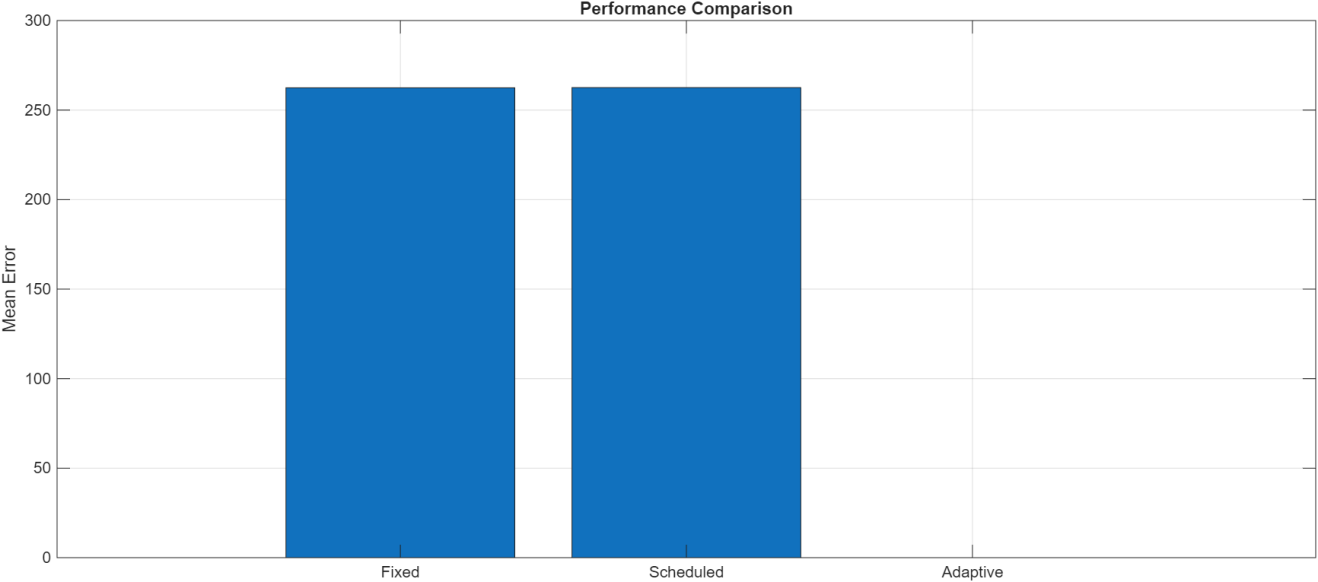
Figure 13: Performance index comparison between fixed, gain-scheduled, and adaptive controllers
This figure 13 provides a quantitative comparison of controller performance based on average tracking error. The adaptive controller achieves the lowest error, confirming improved stability and robustness.
The adaptive controller consistently exhibits:
- Lower tracking error
- Faster transient response
- Improved speed regulation
- Enhanced power extraction capability
Under turbulent wind conditions, adaptive control maintains rotor speed closer to the reference value while reducing oscillatory behavior.
DFIG simulations indicate improved current regulation and reactive power support when adaptive converter control is employed.
Similarly, PMSG studies demonstrate enhanced torque optimization and parameter uncertainty compensation.
The adaptive gain evolution observed during simulation confirms the controller’s ability to adjust dynamically according to changing operating conditions.
Mechanical load analysis further indicates reduced drivetrain stress compared with conventional control approaches.
Overall, simulation results validate the effectiveness of adaptive control in maintaining performance across a broad range of operating conditions.
XV. Conclusion
Modern wind turbines operate within highly uncertain and nonlinear environments characterized by continuously changing wind conditions, parameter variations, and grid disturbances. Conventional fixed-gain control systems often experience degraded performance when operating outside their design conditions.
Adaptive control provides an effective solution by continuously estimating system behavior and modifying controller parameters in real time. Through adaptive gain adjustment and parameter estimation, wind turbines can maintain stable operation, improve energy capture, reduce mechanical stress, and enhance grid support capabilities.
This paper has presented a comprehensive review of adaptive control methods for wind power systems, including adaptive architectures, DFIG and PMSG applications, Model Reference Adaptive Control, nonlinear dynamics, validation methodologies, implementation challenges, and comparisons with neural network-based control approaches.
Simulation results demonstrate that adaptive control significantly improves tracking performance, robustness, and disturbance rejection compared with conventional fixed-parameter controllers. As wind energy systems continue to grow in scale and complexity, adaptive control is expected to remain a critical technology for achieving reliable and efficient renewable power generation.
XVI. Future Research Directions
Future research efforts are expected to focus on:
- Adaptive predictive control
- Reinforcement learning assisted adaptation
- Hybrid adaptive-neural controllers
- Digital twin based adaptive control
- Distributed adaptive control for offshore wind farms
- Adaptive fault-tolerant control systems
- Real-time cloud-integrated turbine optimization
These developments are anticipated to further improve the efficiency, reliability, and intelligence of next-generation wind energy systems.
References
[1] K. J. Åström and B. Wittenmark, Adaptive Control, 2nd ed., Boston, MA, USA: Addison-Wesley, 2008.
[2] T. Burton, D. Sharpe, N. Jenkins, and E. Bossanyi, Wind Energy Handbook, 3rd ed., Hoboken, NJ, USA: Wiley, 2022.
[3] B. Babu and K. B. Mohanty, “Doubly-fed induction generator for variable speed wind energy conversion systems,” IEEE Transactions on Energy Conversion, vol. 25, no. 4, pp. 1117–1125.
[4] F. Blaabjerg and K. Ma, “Future on power electronics for wind turbine systems,” IEEE Journal of Emerging and Selected Topics in Power Electronics, vol. 1, no. 3, pp. 139–152.
[5] S. Heier, Grid Integration of Wind Energy Conversion Systems, 4th ed., Hoboken, NJ, USA: Wiley, 2021.
[6] H. Bevrani, B. Francois, and T. Ise, Microgrid Dynamics and Control, Hoboken, NJ, USA: Wiley, 2017.
[7] J. G. Slootweg and W. L. Kling, “Modeling and analysing impacts of wind power on transient stability of power systems,” Electric Power Systems Research, vol. 86, pp. 55–63.
[8] Y. Zhang, J. Wang, and X. Lu, “Adaptive control techniques for renewable energy systems: A review,” Renewable Energy, vol. 180, pp. 230–248.
[9] M. Krstic, I. Kanellakopoulos, and P. Kokotovic, Nonlinear and Adaptive Control Design, New York, NY, USA: Wiley, 1995.
[10] F. Lewis, D. Vrabie, and V. Syrmos, Optimal Control, 4th ed., Hoboken, NJ, USA: Wiley, 2021.
You can download the Project files here: Download files now. (You must be logged in).











Responses