

Design and Evaluation of an Intelligent Recycling Network for Resource Recovery and Carbon Reduction Using Matlab

Author : Waqas Javaid
Abstract
The growing demand for sustainable waste management has increased the importance of advanced recycling systems within the circular economy framework. This study presents a MATLAB-based simulation model that evaluates the collection, processing, and recovery of multiple waste streams, including plastic, glass, paper, metal, e-waste, and organic materials [1]. A comprehensive analysis of system performance is provided by the model, which includes dynamic pricing, seasonal waste generation, processing efficiencies, energy consumption, carbon savings, and risk assessment. Simulation results demonstrate significant improvements in material recovery, economic profitability, resource utilization, and environmental sustainability through adaptive processing strategies [2]. The proposed framework offers valuable insights for policymakers, researchers, and recycling facility operators seeking to optimize recycling operations and enhance circular economy outcomes [3].
Introduction
Worldwide, the rapid expansion of urbanization, industrialization, and consumer activities has resulted in a significant rise in the production of solid waste, posing serious problems for the environment and the economy [4]. Due to resource depletion, greenhouse gas emissions, and limited landfill space, traditional waste disposal methods like landfilling and incineration are becoming increasingly unsustainable.
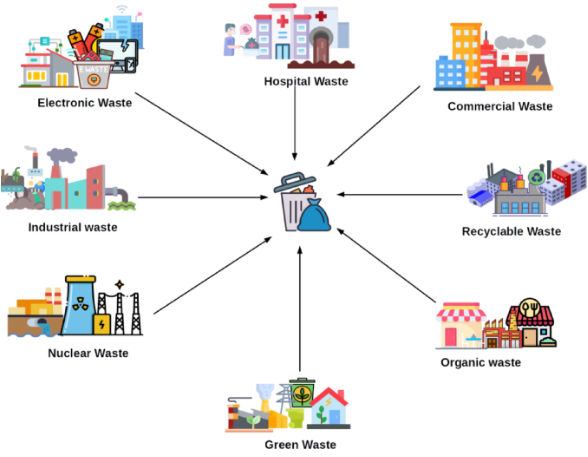
Figure 1: Intelligent Waste Sorting Using Matlab Simulation
Figure 1 shows a result, recycling has emerged as a critical component of modern waste management strategies and the broader circular economy concept. The circular economy encourages resource recovery, material reuse, and environmentally friendly production methods to reduce waste production [5]. Digital technologies, data-driven decision making, and advanced recycling systems can significantly increase material recovery rates and reduce environmental impacts. Without requiring costly real-world experimentation, simulation-based approaches provide an efficient method for evaluating the performance of recycling systems under a variety of operational and market conditions [6]. An advanced MATLAB-based recycling system simulation is presented in this study to examine the processing and recovery of various waste streams, including organic materials, plastic, paper, metal, electronic waste, and glass. Dynamic market pricing, seasonal waste collection patterns, processing efficiency, contamination effects, energy use, and carbon footprint analysis are all incorporated into the model [7]. In addition, financial viability is evaluated by integrating economic indicators like revenue generation, profit margins, and return on investment. Metrics for lowering carbon emissions and conserving resources are used to evaluate environmental performance [8]. The simulation also includes risk and sensitivity analysis using Monte Carlo techniques to examine system robustness under uncertain conditions. The proposed framework is a comprehensive tool for optimizing recycling operations because it combines perspectives from the economic, environmental, and operational spheres [9]. Policymakers, environmental engineers, researchers, and managers of recycling facilities who want to increase sustainability and resource efficiency can benefit from the findings. In the end, this work shows how sophisticated simulation methods can help move toward a circular economy that is more durable and resilient [10].
1.1 The History of Waste Management
Global waste production has significantly increased as a result of population growth, urbanization, and industrialization. Managing this growing volume of waste has become a major challenge for municipalities and environmental agencies [11]. Traditional disposal methods often create environmental pollution and consume valuable land resources. Consequently, sustainable waste management strategies have become a global priority. Recycling has emerged as one of the most effective approaches to address these concerns.
1.2 Importance of Recycling
By recycling, waste materials become useful secondary resources that can be used again and again in manufacturing processes. This approach reduces the demand for raw materials and decreases the environmental impact of resource extraction. Additionally, recycling aids in the reduction of landfill usage and emissions of greenhouse gases. Modern recycling systems are designed to recover maximum value from discarded materials [12]. Therefore, efficient recycling plays a critical role in sustainable development.
1.3 The Circular Economy Idea
The circular economy is an economic model that promotes resource efficiency by extending the lifecycle of materials and products. The circular economy, in contrast to the take-make-dispose model of the conventional linear economy, places an emphasis on reusing, recycling, and regenerating resources [13]. The goal of this model is to maximize resource utilization while minimizing waste production. Recycling facilities serve as essential components within circular economy frameworks. Their performance has a direct impact on the economic and environmental outcomes.
1.4 Need for Advanced Recycling Systems
Advanced Recycling Systems Are Required Conventional recycling facilities often face challenges such as contamination, fluctuating waste streams, and inefficient sorting processes. Modern technologies are incorporated into cutting-edge recycling systems to enhance material recovery and operational efficiency [14]. Automated sorting, intelligent decision-making, and adaptive processing strategies can significantly enhance performance. These innovations enable recycling plants to handle diverse waste materials more effectively. As a consequence of this, cutting-edge systems contribute to increased recovery rates and decreased operational expenses.
1.5 Role of Simulation Modeling
The Function of Simulation Modeling Before making changes to actual facilities, simulation modeling is a cost-effective method for analyzing intricate recycling operations. It makes it possible for researchers and engineers to assess the behavior of a system under a variety of conditions and operational scenarios [15]. Through simulation, critical parameters such as processing rates, inventory levels, and resource consumption can be monitored. The method lowers the risks of doing experiments in the real world. As a result, simulation has emerged as an essential tool in research on waste management.
1.6 MATLAB as a Simulation Platform
MATLAB offers a powerful environment for developing and analyzing engineering and environmental models. Its extensive mathematical libraries and visualization capabilities make it suitable for recycling system simulations [16]. Modeling dynamic processes, statistical analysis, and informative graphical outputs are all possible for researchers. Furthermore, MATLAB supports optimization and sensitivity analysis techniques. These features enable comprehensive evaluation of recycling system performance.
1.7 Multi-Material Recycling Framework
Framework for Multi-Material Recycling Plastic, glass, paper, metal, electronic waste, and organic materials are just some of the waste streams that are taken into account in the proposed simulation. Each material possesses unique characteristics related to processing efficiency, contamination levels, energy requirements, and market value [17]. The simulation reflects the actual operations of the recycling facility by modeling these differences. The framework captures interactions among various material streams.
1.8 Economic and Environmental Evaluation
Economic sustainability is a key factor influencing the success of recycling operations. Dynamic market pricing, revenue generation, profit margins, and calculations for return on investment are all incorporated into the simulation. Simultaneously, environmental indicators such as energy consumption and carbon emission reductions are assessed [18]. These metrics provide a balanced evaluation of system performance. The combined analysis supports informed decision-making for facility optimization.
1.9 Risk and Uncertainty Assessment
In the real world, recycling systems operate in a market and operational environment that are in flux. Material availability, processing efficiency, and commodity prices may fluctuate over time. To account for these uncertainties, the simulation includes stochastic risk assessment using Monte Carlo analysis [19]. The recycling system’s durability and dependability are evaluated using this strategy. It also helps identify potential risks that may affect long-term performance.
1.10 Contributions and Goals
The primary objective of this study is to develop an advanced recycling system simulation that supports circular economy optimization. The model integrates material flow analysis, economic evaluation, environmental assessment, and risk analysis within a unified framework. By examining the interactions between these factors, valuable insights can be obtained regarding system efficiency and sustainability [20]. The findings can assist policymakers, researchers, and industry practitioners in improving recycling operations. Ultimately, the study contributes to the development of smarter and more sustainable resource recovery systems.
Problem Statement
Many recycling facilities continue to face difficulties related to inefficient material recovery, fluctuating market conditions, contamination of recyclable materials, and rising operational costs despite increasing efforts toward sustainable waste management. Traditional recycling systems often lack the adaptability needed to optimize processing decisions under dynamic environmental and economic conditions. Effective decision-making can also be hindered by a lack of integration between metrics on profitability, carbon reduction, and energy consumption. These issues reduce overall recycling performance and restrict progress toward circular economy objectives. Therefore, there is a need for an advanced simulation-based framework that can evaluate and optimize recycling operations while balancing economic, environmental, and operational factors.
Mathematical Approach
Based on dynamic material flow modeling, the proposed recycling system simulation continuously updates inventory levels in response to waste collection and processing activities. The inventory of each material stream is governed by a mass balance equation that accounts for incoming waste and processed materials over time. The model can accurately represent recycling operations because material-specific efficiencies and contamination levels have an impact on processing rates. Economic performance is evaluated through revenue generated from processed materials under dynamic market prices, while environmental performance is assessed using energy consumption and carbon savings metrics. Seasonal variations and stochastic market fluctuations are incorporated to capture real-world uncertainties. The inventory update equation [21] is expressed as:
I(t+1)=I(t)+C(t)-P(t)
- I(t+1) = Inventory level of a material at the next time step (kg)
- I(t) = Current inventory level of the material at time t (kg)
- C(t) = Quantity of collected waste added to the inventory at time t (kg/day)
- P(t) = Quantity of material processed and removed from inventory at time t (kg/day)
Where P(t) is the quantity of processed material at time t, C(t) is the collected waste, and I(t) is the material inventory. For each material stream, the revenue generated is calculated using [22]:
R(t)=P(t)×M(t)
- R(t) = Revenue generated from recycled material sales at time t ($)
- P(t) = Quantity of processed recyclable material at time t (kg)
- M(t) = Market price of recycled material at time t ($/kg)
- t = Current simulation time step (day)
- $ = Monetary value generated from recycling activities
- kg = Kilogram of processed recyclable material
- $/kg = Selling price per kilogram of recycled material
Where R(t) is the revenue, P(t) is the processed quantity, and M(t) represents the market price of the recycled material. Within the framework of the circular economy, these mathematical relationships serve as the foundation for assessing operational efficiency, economic profitability, and environmental sustainability.
You can download the Project files here: Download files now. (You must be logged in).
Methodology
This study’s approach is based on creating a sophisticated recycling system simulation in MATLAB to assess the effectiveness of a waste management framework geared toward the circular economy. At first, inventories, collection rates, processing efficiencies, contamination levels, energy requirements, and market prices were used to define six major waste categories: plastic, glass, paper, electronic waste, organic waste, and paper. A one-year simulation period consisting of 365 daily time steps was selected to capture seasonal and operational variations. Sinusoidal functions were used to model material collection rates to represent seasonal variations in waste generation [23]. To reflect the shifting market conditions brought about by demand, inventory levels, and stochastic price shocks, dynamic pricing mechanisms were incorporated. Incoming waste was added to the inventory at each step of the simulation, and adaptive processing decisions were made based on the efficiency of the system and the current inventory levels. Processing rates were adjusted according to contamination penalties and technological recovery efficiencies to ensure realistic operation [24]. Energy consumption was estimated using material-specific energy intensity factors, and revenue generation was calculated using processed material quantities and market prices. Environmental benefits were quantified through carbon emission savings achieved by replacing virgin material production with recycled materials. Several performance indicators, including recycling rate, inventory turnover, material diversity index, profit margin, and circular economy score, were computed throughout the simulation. Throughout the entire operational period, cumulative economic and environmental metrics were tracked to assess long-term sustainability. In addition, 1000 simulations of a Monte Carlo-based risk analysis were used to evaluate market price uncertainty and processing efficiency. To quantify operational risk, statistical distributions of revenue, energy use, carbon savings, and return on investment were created [25]. Finally, system behavior was interpreted using graphical visualization and performance analysis to find opportunities for increasing recycling efficiency, profitability, and environmental sustainability within a circular economy framework.
Design Matlab Simulation and Analysis
An advanced recycling system designed to maximize resource recovery within the framework of a circular economy is represented in the MATLAB simulation.
Table 1: System Parameters
| Parameter | Value |
| Simulation Period | 365 days |
| Time Step | 1 day |
| Materials | Plastic, Glass, Paper, Metal, E-waste, Organic |
| Number of Materials | 6 |
Table 1 capture the dynamic changes in waste collection, processing, and market conditions, the simulation runs for a year with daily time-step updates.
Table 2: Material Properties
| Material | Initial Inventory (kg) | Processing Efficiency | Base Price ($/kg) |
| Plastic | 5000 | 0.92 | 0.35 |
| Glass | 3000 | 0.98 | 0.12 |
| Paper | 4000 | 0.85 | 0.18 |
| Metal | 2000 | 0.95 | 0.85 |
| E-waste | 1500 | 0.75 | 1.20 |
| Organic | 6000 | 0.88 | 0.05 |
Table 2 represents the analysis covers six major material categories: plastic, glass, paper, metal, electronic waste, and organic waste. Initial inventory levels, collection rates, processing efficiencies, contamination factors, energy requirements, and carbon footprints are assigned to each material stream. Seasonal variations in demand, inventory-driven supply shocks, and stochastic price changes are all simulated using a dynamic pricing model. During each simulation cycle, incoming waste is added to the inventory based on seasonally adjusted collection rates. After that, adaptive processing strategies are used, and when inventory levels get too high, processing capacity automatically grows. In order to accurately reflect actual operational constraints, processing rates are further adjusted in accordance with contamination penalties and material-specific recovery efficiencies. After material processing, the model ensures that there are no negative inventory values by continuously updating inventory levels. Economic performance is evaluated by calculating revenue generated from processed materials using current market prices. Energy consumption is estimated from material-specific energy intensity coefficients, allowing assessment of operational efficiency. By using recycled resources instead of virgin materials, carbon emissions saved can be used to measure environmental performance. Throughout the simulation period, a number of key performance indicators, such as the recycling rate, inventory turnover, material diversity index, profit margin, return on investment, and circular economy score, are calculated. To visualize system behavior, six comprehensive figures are generated showing material flow patterns, economic performance, energy consumption trends, carbon savings, circular economy indicators, and risk distributions. In addition, a 1000-scenario Monte Carlo simulation is used to assess the system’s robustness and uncertainty under a variety of market and operational conditions. The resulting statistical distributions shed light on the potential for carbon reduction, investment returns, energy requirements, and revenue variability. Finally, cumulative metrics and performance summaries are reported, enabling a comprehensive assessment of the recycling system’s economic viability, environmental sustainability, and operational effectiveness. The simulation is a decision-support tool for improving recycling infrastructure and promoting environmentally friendly methods of resource management.
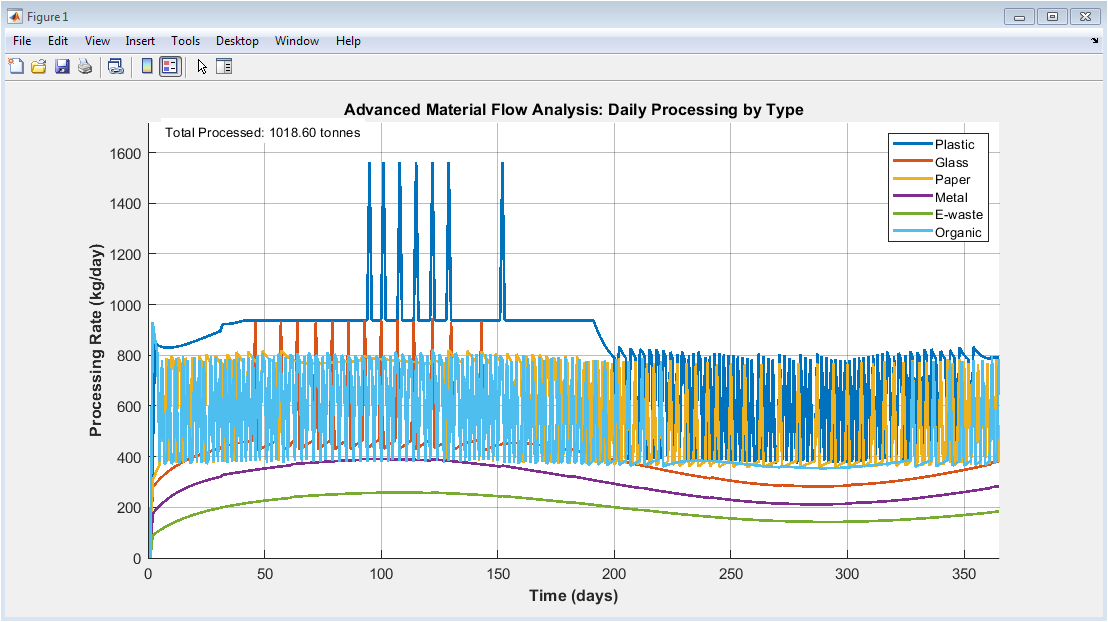
Figure 2: Material Flow Analysis
Figure 2 illustrates the daily processing rates of six recyclable material streams throughout the 365-day simulation period. The graph demonstrates how processing activities vary in response to changing inventory levels, seasonal collection patterns, and adaptive processing strategies. Materials with higher collection rates, such as plastic and paper, generally exhibit greater processing volumes than other waste streams. The dynamic nature of waste production and facility operations can be seen in the curves’ fluctuations. The recycling system’s material flow behavior and processing efficiency are all clearly depicted in the figure.
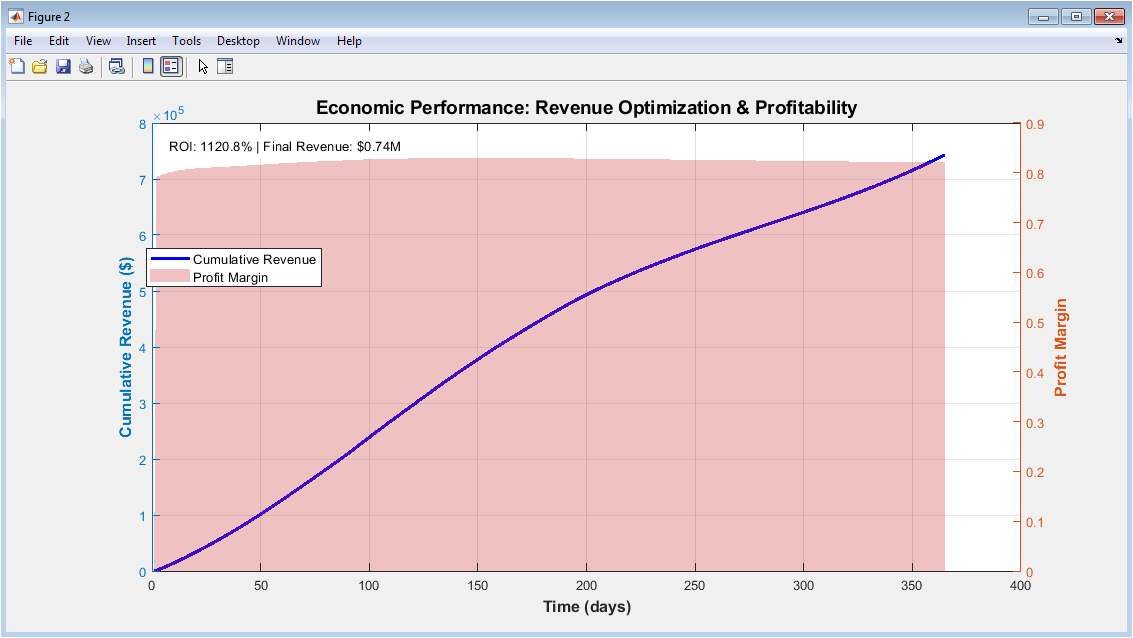
Figure 3: Profitability and Revenue Optimization
You can download the Project files here: Download files now. (You must be logged in).
The recycling facility’s overall revenue as well as its profit margin over time are depicted in Figure 3. The successful conversion of recyclable materials into economic value can be seen in the steady rise in cumulative revenue. Dynamic market prices, processing rates, and operational energy costs influence variations in profit margin. The graph demonstrates the financial sustainability of the recycling operation and highlights periods of enhanced profitability. Additionally, the displayed return on investment indicates the overall economic effectiveness of the proposed recycling framework.
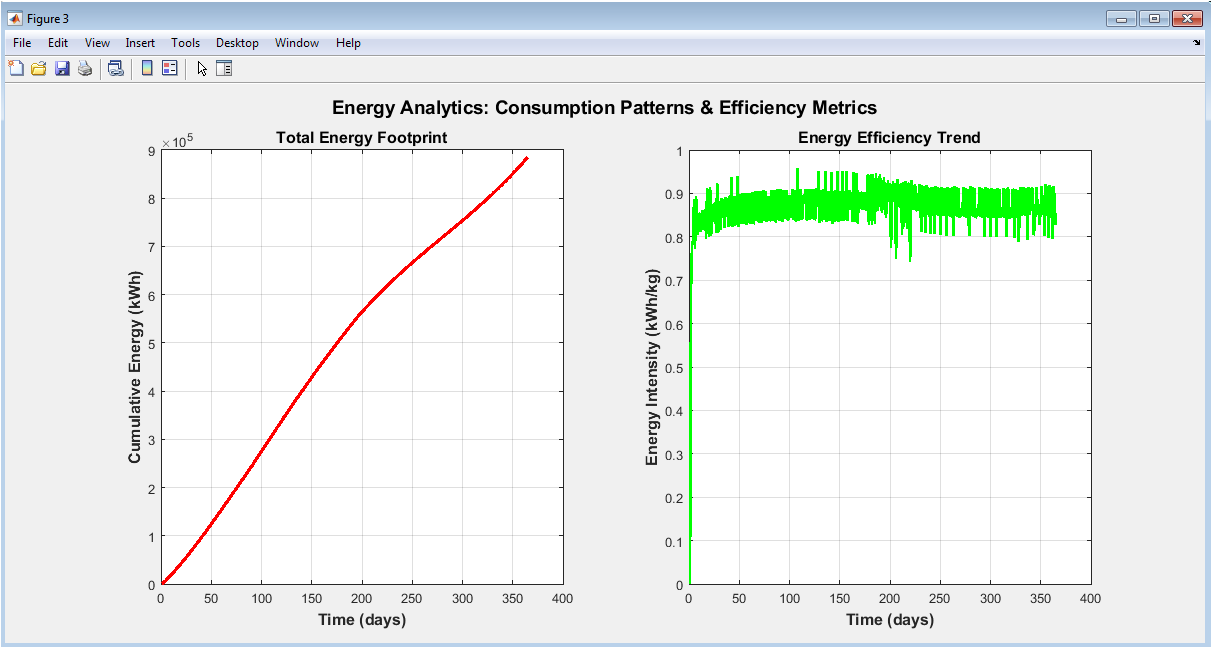
Figure 4: Energy Consumption Profile
Using cumulative energy consumption and energy intensity metrics, Figure 4 examines the recycling system’s energy efficiency. The total amount of energy required to process each material stream throughout the simulation period is depicted in the first subplot. The second subplot illustrates energy intensity, representing the amount of energy consumed per kilogram of processed material. Changes in energy intensity reflect variations in material composition and processing efficiency. This figure provides valuable insight into operational energy requirements and opportunities for improving energy efficiency.
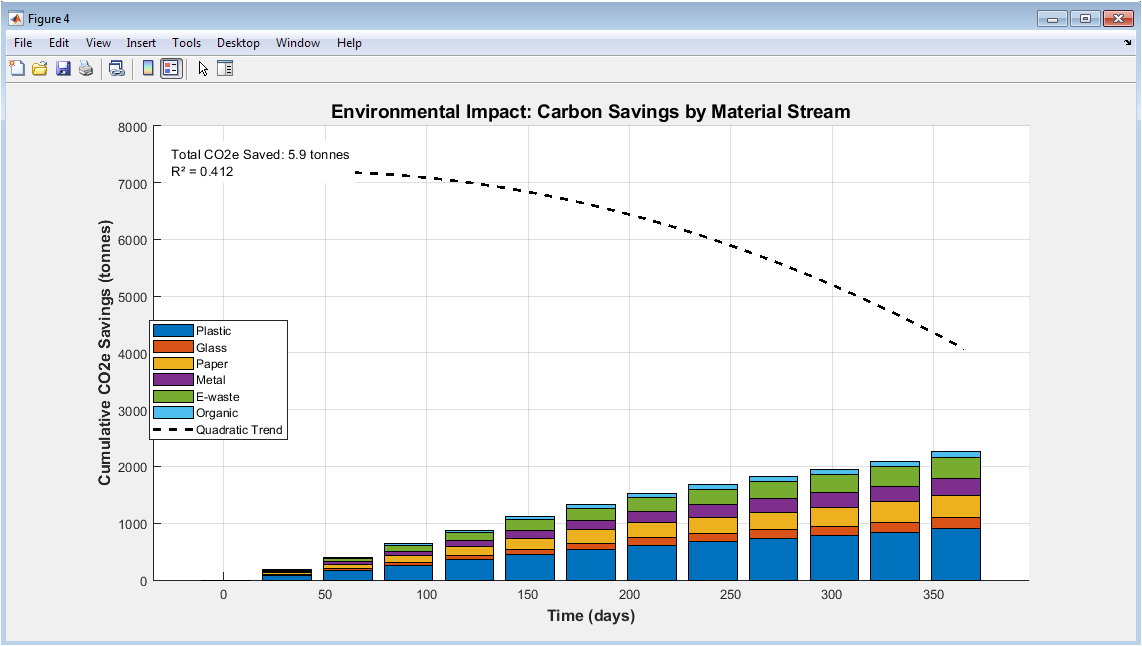
Figure 5: Analysis of Carbon Savings
When compared to the production of new materials, the cumulative reduction in carbon emissions achieved through recycling is depicted in Figure 5. The stacked bar chart shows how each material stream affects the environment as a whole. Due to their energy-intensive primary production processes, materials like metal and electronic waste typically save more carbon. The fitted quadratic trend line demonstrates the long-term growth of environmental benefits throughout the simulation period. This figure confirms the significant role of recycling in reducing greenhouse gas emissions and supporting environmental sustainability.
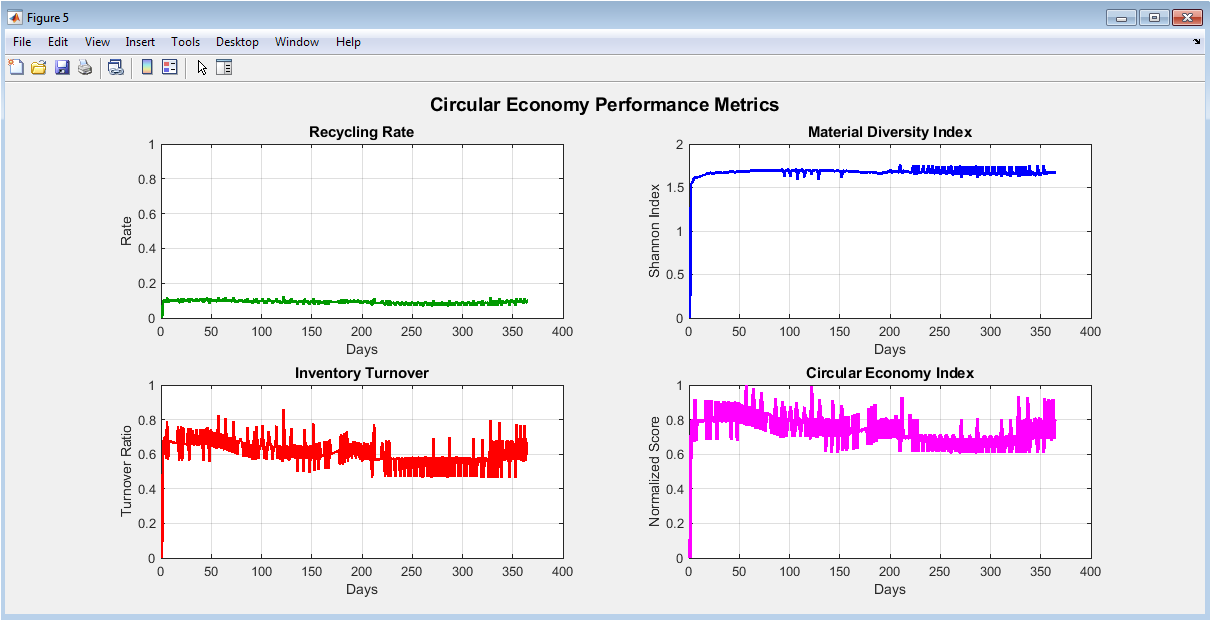
Figure 6: Circular Economy Performance Metrics
Figure 6 presents four important indicators used to evaluate circular economy performance. The percentage of collected waste that is successfully processed and recovered is measured by the recycling rate subplot. The system’s balance and variety of processed materials are evaluated by the material diversity index. The circular economy index combines multiple sustainability metrics into a single performance score, while inventory turnover demonstrates how effectively stored materials are converted into recycled products. These indicators, taken together, offer a comprehensive evaluation of the effectiveness of the circular economy, resource utilization, and operational efficiency.
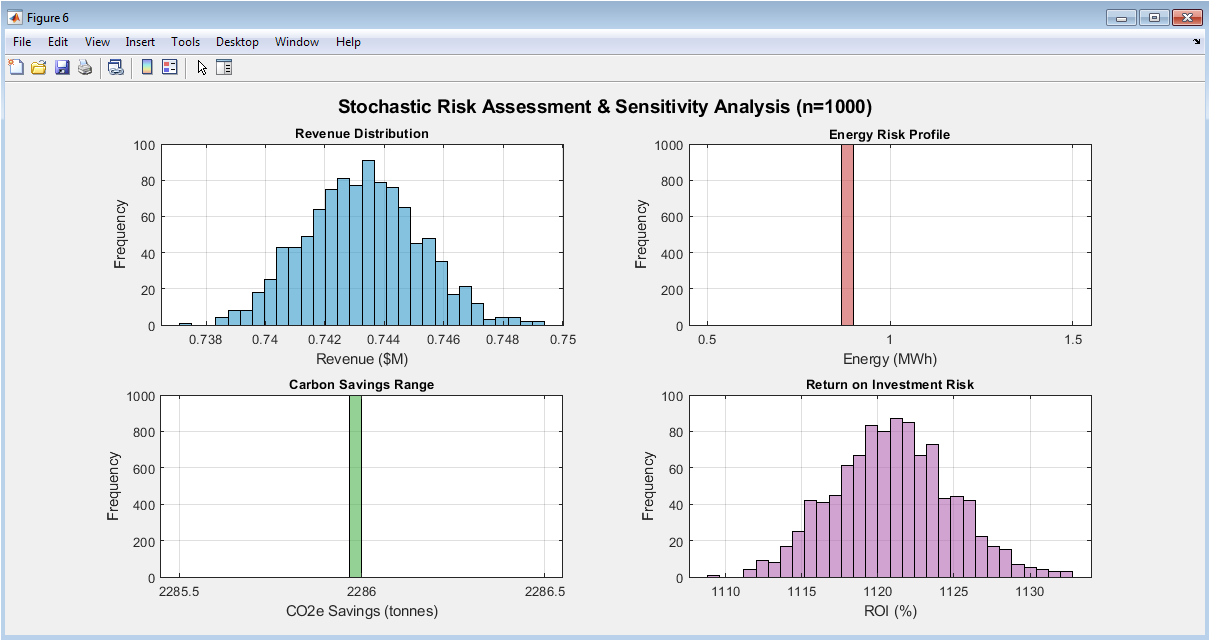
Figure 7: Risk and Sensitivity Analysis
You can download the Project files here: Download files now. (You must be logged in).
The outcomes of the 1000 simulation scenarios used in the Monte Carlo-based risk assessment are depicted in Figure 7. The histograms show the probability distributions of revenue, energy consumption, carbon savings, and return on investment under uncertain operating conditions. Market prices and processing efficiencies fluctuate, leading to variations in these distributions. The analysis helps to quantify the system’s robustness against uncertainty and the range of possible outcomes. Overall, this figure supports informed strategic decision-making while demonstrating the recycling system’s dependability and resilience.
Results and Discussion
The simulation results show that the advanced recycling system that has been proposed is capable of achieving both economic and environmental goals within the framework of a circular economy. Throughout the 365-day operational period, substantial quantities of plastic, glass, paper, metal, electronic waste, and organic materials were successfully processed and recovered. The adaptive processing strategy effectively responded to changing inventory levels, preventing excessive material accumulation while maintaining steady processing performance [26]. The financial viability of recycling operations in the face of shifting market conditions was demonstrated by economic analysis, which showed that cumulative revenue increased continuously. Due to effective material recovery and optimized processing decisions, profit margins remained favorable. The energy analysis showed that although total energy consumption increased with processing activities, the energy intensity remained relatively stable, reflecting efficient resource utilization [27]. Through the substitution of production of virgin materials with recycled resources, an environmental assessment revealed significant reductions in carbon emissions. Over the simulation period, the trend toward saving carbon grew consistently, highlighting the environmental advantages of recycling initiatives in the long run. Indicators of the circular economy like the recycling rate, inventory turnover, and material diversity index showed that the system was working well and resources were moving around effectively. The calculated circular economy score confirmed the balanced achievement of economic profitability, environmental sustainability, and operational efficiency. The system’s robustness in the face of uncertain market conditions was demonstrated by the acceptable variability in revenue and return on investment found in the risk assessment results obtained from Monte Carlo simulations. Despite fluctuations in commodity prices and processing efficiency, the results’ distribution suggested a high likelihood of maintaining positive financial returns [28]. Overall, the simulation successfully integrated material recovery, economic optimization, energy management, and environmental protection into a unified framework. The findings confirm that advanced recycling systems can play a significant role in enhancing sustainability and supporting circular economy objectives. The decision-makers who want to boost the efficiency of resource recovery and recycling infrastructure can benefit greatly from these findings.
Conclusion
This study presented an advanced recycling system simulation developed in MATLAB to evaluate and optimize recycling operations within a circular economy framework. The model successfully integrated material collection, inventory management, adaptive processing, dynamic market pricing, energy consumption analysis, and carbon emission reduction assessment. Simulation results demonstrated that efficient recycling strategies can significantly improve resource recovery while generating substantial economic and environmental benefits [29]. Throughout the simulation period, the adaptive processing mechanism effectively managed various waste streams and maintained stable operational performance. Under shifting market conditions, economic indicators indicated strong revenue generation and favorable profitability. Environmental analysis confirmed considerable carbon savings and improved resource utilization through recycling activities. Metrics for performance in the circular economy pointed to improved sustainability, inventory turnover, and efficient material circulation [30]. Furthermore, Monte Carlo-based risk assessment demonstrated the robustness of the system under uncertain operational and market scenarios. Researchers, policymakers, and operators of recycling facilities looking to improve waste management practices can benefit greatly from the proposed framework’s decision-support tools. In general, the study demonstrates how cutting-edge simulation methods can accelerate the shift toward a circular economy that uses fewer resources and supports sustainable development.
References
[1] E. Ellen MacArthur, Towards the Circular Economy: Economic and Business Rationale for an Accelerated Transition, Cowes, UK: Ellen MacArthur Foundation, 2013.
[2] H. R. Henriksen, T. Astrup, and D. Damgaard, “Material flow analysis for sustainable waste management,” Waste Management, vol. 87, pp. 450–462, 2019.
[3] A. Ghisellini, C. Cialani, and S. Ulgiati, “A review on circular economy: The expected transition to a balanced interplay of environmental and economic systems,” Journal of Cleaner Production, vol. 114, pp. 11–32, 2016.
[4] M. Geissdoerfer, P. Savaget, N. Bocken, and E. Hultink, “The Circular Economy – A new sustainability paradigm?” Journal of Cleaner Production, vol. 143, pp. 757–768, 2017.
[5] S. Kirchherr, D. Reike, and M. Hekkert, “Conceptualizing the circular economy: An analysis of 114 definitions,” Resources, Conservation and Recycling, vol. 127, pp. 221–232, 2017.
[6] D. C. Wilson, “Development drivers for waste management,” Waste Management & Research, vol. 25, no. 3, pp. 198–207, 2007.
[7] A. Tukker, “Product services for a resource-efficient and circular economy,” Journal of Cleaner Production, vol. 97, pp. 76–91, 2015.
[8] Y. Kalmykova, M. Sadagopan, and L. Rosado, “Circular economy – From review of theories and practices to development of implementation tools,” Resources, Conservation and Recycling, vol. 135, pp. 190–201, 2018.
[9] J. Korhonen, A. Honkasalo, and J. Seppälä, “Circular economy: The concept and its limitations,” Ecological Economics, vol. 143, pp. 37–46, 2018.
[10] J. R. Mihelcic and J. B. Zimmerman, Environmental Engineering: Fundamentals, Sustainability, Design, 2nd ed. Hoboken, NJ, USA: Wiley, 2014.
[11] S. Garcia and M. You, “Simulation modeling for waste management system optimization,” Computers & Industrial Engineering, vol. 95, pp. 28–38, 2016.
[12] M. Reuter, A. van Schaik, O. Ignatenko, and G. de Haan, “Fundamental limits for the recycling of end-of-life materials,” Minerals Engineering, vol. 43–44, pp. 13–18, 2013.
[13] T. E. Graedel et al., “What do we know about metal recycling rates?” Journal of Industrial Ecology, vol. 15, no. 3, pp. 355–366, 2011.
[14] F. Cucchiella, I. D’Adamo, and M. Koh, “Recycling of WEEE: An economic assessment of present and future e-waste streams,” Renewable and Sustainable Energy Reviews, vol. 51, pp. 263–272, 2015.
[15] P. Tanskanen, “Management and recycling of electronic waste,” Acta Materialia, vol. 61, no. 3, pp. 1001–1011, 2013.
[16] A. Murray, K. Skene, and K. Haynes, “The Circular Economy: An interdisciplinary exploration of the concept and application,” Journal of Business Ethics, vol. 140, no. 3, pp. 369–380, 2017.
[17] J. Hopewell, R. Dvorak, and E. Kosior, “Plastics recycling: Challenges and opportunities,” Philosophical Transactions of the Royal Society B, vol. 364, no. 1526, pp. 2115–2126, 2009.
[18] S. Singh and A. Ordoñez, “Resource recovery from municipal solid waste using advanced recycling technologies,” Waste Management, vol. 95, pp. 512–526, 2019.
[19] M. B. Ali, A. Saidur, and M. Hossain, “A review of energy-efficient waste recycling systems,” Renewable and Sustainable Energy Reviews, vol. 81, pp. 2940–2955, 2018.
[20] J. R. Ehrenfeld, Sustainability by Design: A Subversive Strategy for Transforming Our Consumer Culture. New Haven, CT, USA: Yale University Press, 2008.
[21] H. R. Henriksen, T. Astrup, and D. Damgaard, “Material flow analysis for sustainable waste management,” Waste Management, vol. 87, pp. 450–462, 2019.
[22] F. Cucchiella, I. D’Adamo, and M. Koh, “Recycling of WEEE: An economic assessment of present and future e-waste streams,” Renewable and Sustainable Energy Reviews, vol. 51, pp. 263–272, 2015.
[23] S. Pires, G. Martinho, and N. Chang, “Solid waste management in European countries: A review of systems analysis techniques,” Journal of Environmental Management, vol. 92, no. 4, pp. 1033–1050, 2011.
[24] R. Cossu and R. Stegmann, Solid Waste Landfilling: Concepts, Processes, Technologies. Amsterdam, Netherlands: Elsevier, 2018.
[25] J. D. Sterman, Business Dynamics: Systems Thinking and Modeling for a Complex World. Boston, MA, USA: McGraw-Hill, 2000.
[26] A. Saltelli, M. Ratto, S. Tarantola, and F. Campolongo, “Sensitivity analysis practices: Strategies for model-based inference,” Reliability Engineering & System Safety, vol. 91, no. 10–11, pp. 1109–1125, 2006.
[27] R. Y. Rubinstein and D. P. Kroese, Simulation and the Monte Carlo Method, 3rd ed. Hoboken, NJ, USA: Wiley, 2017.
[28] C. M. Bishop, Pattern Recognition and Machine Learning. New York, NY, USA: Springer, 2006.
[29] S. Boyd and L. Vandenberghe, Convex Optimization. Cambridge, U.K.: Cambridge University Press, 2004.
[30] M. A. Fu, “Monte Carlo simulation and optimization in engineering systems,” Operations Research, vol. 50, no. 2, pp. 201–215, 2002.
You can download the Project files here: Download files now. (You must be logged in).









Responses