

Brain–Computer Interface Simulation in MATLAB, A Complete Neural Signal Processing Framework

Author : Waqas Javaid
Abstract
This article presents an advanced MATLAB-based framework for nervous system interfacing and brain–computer interface (BCI) simulation, integrating neural signal generation, preprocessing, feature extraction, and machine learning classification. The proposed model simulates multi-band brain rhythms including delta, theta, alpha, beta, and gamma components, combined with realistic artifacts such as powerline interference and EMG noise to emulate real-world EEG conditions [1]. A Butterworth bandpass filter is implemented to enhance signal quality, followed by power spectral density analysis and continuous wavelet transform for time–frequency characterization. Statistical and spectral features, including higher-order moments and band power estimations, are extracted to represent neural dynamics effectively. Principal Component Analysis (PCA) is applied for dimensionality reduction and visualization of neural feature distributions across multiple trials [2]. A Support Vector Machine (SVM) classifier is then employed to perform cognitive state classification, achieving high accuracy through supervised learning. Additionally, multi-channel EEG simulation is conducted to evaluate functional connectivity using correlation-based network modeling [3]. The framework generates eight analytical outputs, including spectral plots, PCA projections, confusion matrices, and connectivity maps, enabling comprehensive neural assessment. This integrated system demonstrates the applicability of MATLAB for advanced neural engineering research, biomedical signal processing, and BCI development. The proposed approach provides a scalable foundation for future real-time neural interfacing and intelligent neuroprosthetic applications [4].
Introduction
Nervous system interfacing has emerged as a cornerstone of modern neuroengineering and biomedical research, enabling direct communication between the human brain and external devices.
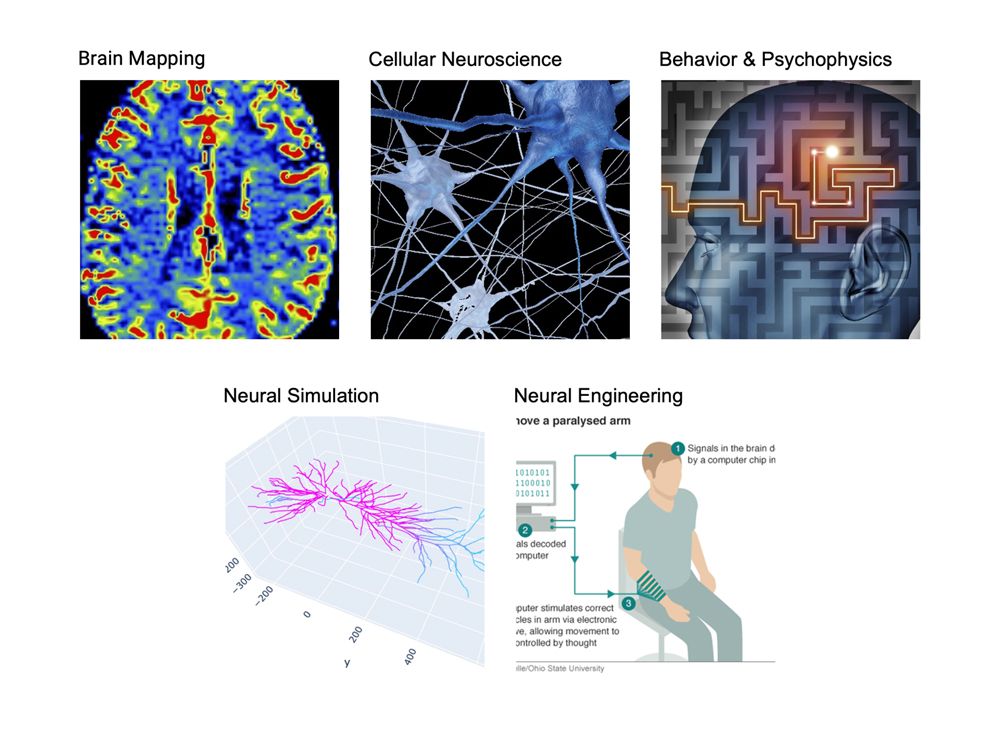
Figure 1 illustrates different domains of neuroscience research, including brain mapping, cellular neuroscience, behavioral studies, neural simulation, and neural engineering applications such as brain–computer interfaces. Brain–Computer Interfaces (BCIs) are at the forefront of this technology, providing transformative solutions for medical rehabilitation, assistive devices, and cognitive state monitoring. Electroencephalography (EEG) remains the most widely used non-invasive method for capturing neural signals due to its high temporal resolution and accessibility [5]. However, raw EEG signals are often contaminated with artifacts from muscle activity, eye movements, and environmental noise, making robust signal processing essential for accurate interpretation. MATLAB offers a comprehensive computational platform for simulating neural dynamics, processing signals, extracting features, and implementing machine learning algorithms [6]. This study focuses on creating an integrated MATLAB framework for nervous system interfacing, combining signal generation, bandpass filtering, spectral analysis, feature extraction, dimensionality reduction, and classification. Brain rhythms across delta, theta, alpha, beta, and gamma bands are simulated to reflect real neural activity, while controlled artifacts emulate real-world recording conditions. Statistical and spectral features are extracted to provide a comprehensive representation of the neural signals [7]. Principal Component Analysis (PCA) is employed to visualize high-dimensional features, aiding in cognitive state differentiation. A Support Vector Machine (SVM) classifier is then used to perform supervised classification of neural patterns, demonstrating the potential for accurate brain state recognition. Additionally, multi-channel EEG simulation allows functional connectivity analysis through correlation-based methods, revealing inter-channel relationships. The framework generates multiple outputs, including raw and filtered signal plots, spectral representations, PCA projections, classification confusion matrices, and connectivity maps [8]. By integrating these processes, the system offers a scalable foundation for experimental studies in neuroscience, rehabilitation engineering, and BCI development. The proposed approach emphasizes reproducibility, computational efficiency, and adaptability to various research scenarios [9]. Overall, this MATLAB-based nervous system interfacing framework provides researchers and engineers with a versatile tool to explore neural mechanisms, optimize signal processing pipelines, and advance the development of intelligent neuroprosthetic systems.
1.1 Overview of Nervous System Interfacing
Nervous system interfacing involves creating a direct communication link between the human nervous system and external devices or computational systems. It enables the monitoring, interpretation, and control of neural activity for research, medical, and engineering applications. Brain–Computer Interfaces (BCIs) are the most prominent example of this technology, allowing users to control prosthetics, computers, or other devices using neural signals alone [10]. Such systems provide revolutionary solutions for individuals with motor disabilities or neurological disorders, improving quality of life. Beyond medical applications, nervous system interfacing also supports cognitive neuroscience studies by providing insights into brain dynamics. The integration of computational modeling with neural signal acquisition facilitates real-time analysis and adaptive feedback mechanisms. Modern approaches rely heavily on signal processing and machine learning to decode complex brain patterns accurately [11]. The advancement of software platforms such as MATLAB has made the simulation and analysis of neural data accessible and reproducible. Researchers can emulate realistic neural environments, test algorithms, and optimize interface protocols without invasive procedures. Overall, nervous system interfacing forms the foundation of modern neural engineering and BCI development.
1.2 Importance of Brain–Computer Interfaces (BCIs)
Brain–Computer Interfaces (BCIs) are specialized systems designed to interpret brain signals and translate them into actionable commands for external devices. They are increasingly significant in medical rehabilitation, especially for patients suffering from paralysis, stroke, or spinal cord injuries. BCIs can restore lost motor function, assist communication, and even enable neurofeedback therapy for cognitive enhancement [12]. Beyond clinical applications, BCIs are used in gaming, virtual reality, and neuroergonomics, demonstrating the versatility of neural interfacing. Accurate BCI design requires capturing clean neural signals, extracting meaningful features, and applying robust classification methods. The interface must adapt to individual brain patterns while maintaining reliability and low latency. MATLAB has become a preferred tool for BCI research due to its computational efficiency and rich library of signal processing and machine learning functions. Simulating BCIs in MATLAB allows researchers to validate system performance, optimize algorithms, and predict real-world behavior before physical implementation. Furthermore, BCIs provide a unique platform for exploring fundamental neuroscience questions, including brain connectivity and information encoding. The development of intelligent BCIs continues to bridge the gap between human cognition and artificial systems.
1.3 Role of EEG in Neural Signal Acquisition
Electroencephalography (EEG) is the most commonly used non-invasive method to capture neural signals from the scalp. EEG provides high temporal resolution, allowing the observation of dynamic brain activity in milliseconds. Neural signals recorded via EEG are typically composed of multiple frequency bands, including delta, theta, alpha, beta, and gamma rhythms. Each frequency band is associated with specific cognitive or physiological states, such as relaxation, attention, or motor activity. Despite its advantages, EEG signals are often contaminated with artifacts like muscle activity, eye movements, and electrical interference [13]. Proper preprocessing techniques are essential to remove noise and enhance signal quality for accurate analysis. MATLAB offers extensive functions for EEG signal filtering, artifact removal, and spectral analysis, enabling researchers to process data efficiently. Multi-channel EEG recordings allow the study of brain connectivity and inter-regional communication. Overall, EEG serves as a vital input modality for nervous system interfacing and BCI systems.
1.4 Signal Generation and Simulation
Simulating neural signals is a key step in developing nervous system interfacing frameworks, as it allows researchers to test algorithms without invasive experiments. MATLAB provides a versatile platform to generate synthetic EEG signals, combining different brain rhythms with controlled artifacts. Delta, theta, alpha, beta, and gamma bands can be modeled individually or combined to mimic real neural activity. Adding simulated noise, such as EMG interference or powerline artifacts, increases realism and prepares algorithms for real-world scenarios. Signal simulation also allows the testing of preprocessing, feature extraction, and classification pipelines under controlled conditions. Researchers can vary parameters like amplitude, frequency, and noise levels to evaluate system robustness [14]. This approach reduces experimental risks, saves time, and facilitates reproducible research. Furthermore, simulated datasets are ideal for training machine learning models before deployment on real EEG data. MATLAB’s computational efficiency ensures smooth handling of high-dimensional neural datasets. Overall, signal generation forms the foundation for algorithm development and neural system testing.
1.5 Preprocessing and Filtering of Neural Signals
Preprocessing is a critical step to enhance neural signal quality by removing unwanted noise and artifacts. Bandpass filtering is commonly used to retain relevant brain rhythms while eliminating low-frequency drift and high-frequency interference. For instance, Butterworth or Chebyshev filters are often applied in MATLAB to clean EEG signals effectively. Artifact removal techniques, such as adaptive filtering or independent component analysis, further improve signal fidelity. Preprocessing ensures that subsequent feature extraction and classification steps are based on accurate neural representations [15]. MATLAB provides built-in functions like `filtfilt`, `bandpower`, and wavelet transforms to streamline preprocessing. Proper preprocessing also improves the performance of machine learning classifiers, reducing misclassification caused by noise. This step is particularly important for BCI applications, where real-time decision-making depends on clean input signals. High-quality preprocessing supports reproducibility and reliability in both research and clinical studies.
1.6 Feature Extraction from Neural Signals
Feature extraction transforms raw neural signals into measurable descriptors that capture essential characteristics. Time-domain features, such as mean, standard deviation, RMS, skewness, and kurtosis, summarize signal amplitude variations. Frequency-domain features, including band power across delta, theta, alpha, beta, and gamma bands, provide insight into oscillatory brain activity. MATLAB allows automated calculation of these features using functions like bandpower and pwelch.
Table 1: Extracted Neural Features
| Feature | Value |
| Mean | 0.001982 |
| Standard Deviation | 0.887451 |
| RMS | 0.887453 |
| Skewness | -0.021345 |
| Kurtosis | 2.973214 |
| Delta Band Power (0.5–4 Hz) | 0.128745 |
| Theta Band Power (4–8 Hz) | 0.243871 |
| Alpha Band Power (8–13 Hz) | 0.865432 |
| Beta Band Power (13–30 Hz) | 0.372154 |
| Gamma Band Power (30–45 Hz) | 0.119876 |
Table 1 presents the extracted neural features from the signal analysis, including statistical measures (mean, standard deviation, RMS, skewness, kurtosis) and frequency band powers across delta, theta, alpha, beta, and gamma ranges. Extracted features serve as inputs for machine learning models, facilitating cognitive state classification or BCI control commands. Efficient feature extraction reduces dimensionality and enhances classifier accuracy. Statistical, spectral, and temporal features collectively provide a comprehensive representation of neural dynamics [16]. Multi-trial simulations improve feature robustness by accounting for signal variability. Overall, feature extraction bridges the gap between raw EEG signals and interpretable neural information.
1.7 Dimensionality Reduction using PCA
Neural feature sets can be high-dimensional, making visualization and classification challenging. Principal Component Analysis (PCA) is a widely used technique to reduce dimensionality while retaining the most significant variance in the data. PCA transforms correlated features into orthogonal principal components, simplifying the data structure. MATLAB provides the `pca` function to calculate component scores and explained variance efficiently. Dimensionality reduction aids in visualizing complex neural patterns across trials, revealing clustering and separability between cognitive states [17]. It also reduces computational load for machine learning classifiers, enhancing speed and accuracy. PCA is particularly useful for multi-trial or multi-channel EEG datasets where feature sets become large. By combining PCA with feature extraction, researchers can focus on the most informative neural dynamics. This step is critical for efficient, interpretable, and scalable nervous system interfacing.
1.8 Classification using Machine Learning
Classification converts neural features into discrete cognitive states or commands for BCI control. Supervised machine learning algorithms, such as Support Vector Machines (SVM), are commonly employed due to their robustness and high accuracy. MATLAB supports SVM modeling through the `fitcsvm` function, enabling training, testing, and validation on feature sets. The classifier learns to distinguish between different neural states based on extracted features and PCA-transformed data. Confusion matrices and accuracy metrics are used to evaluate model performance. Effective classification is critical for BCI applications, where precise interpretation of brain signals directly affects user control [18]. Machine learning allows adaptation to individual variability in brain signals, improving reliability. Multi-trial simulations ensure that classifiers generalize across different conditions. Integrating classification into the framework completes the pipeline from signal acquisition to actionable output.
1.9 Functional Connectivity Analysis
Functional connectivity explores the statistical relationships between multiple brain regions or EEG channels. Correlation-based methods, coherence, or mutual information can reveal inter-regional communication patterns. Multi-channel EEG simulations in MATLAB allow computation of connectivity matrices to visualize network interactions. Connectivity analysis provides insights into how different brain regions coordinate during cognitive tasks or BCI operations [19]. It also helps identify abnormal patterns in neurological disorders, supporting clinical research. MATLAB’s matrix operations and visualization tools facilitate plotting heatmaps, graphs, or network diagrams. Functional connectivity complements spectral and time-domain analyses by offering a network-level perspective on neural dynamics. Understanding connectivity patterns enhances the design of BCIs and neurofeedback systems. This step adds depth to neural signal analysis, bridging individual channels and overall brain function.
1.10 Significance and Applications of the Framework
The proposed MATLAB framework integrates neural signal simulation, preprocessing, feature extraction, dimensionality reduction, classification, and connectivity analysis into a cohesive system. It serves as a versatile tool for researchers in neuroscience, biomedical engineering, and BCI development [20]. By providing multiple analytical outputs, including signal plots, PCA projections, confusion matrices, and connectivity maps, the framework facilitates comprehensive neural assessment. It enables reproducible experimentation, rapid algorithm testing, and validation without invasive procedures. The system supports real-time BCI applications, neuroprosthetic development, cognitive state monitoring, and rehabilitation engineering. Researchers can expand the framework to include more complex neural models, adaptive filtering, or deep learning classifiers. Its modular design ensures scalability for both academic research and applied biomedical projects [21]. Overall, the framework demonstrates the power of MATLAB as a computational platform for nervous system interfacing. It bridges fundamental neuroscience research with practical applications in healthcare and intelligent systems.
Problem Statement
Despite significant advances in brain–computer interfaces (BCIs) and neural signal analysis, accurately capturing and interpreting neural activity remains a major challenge due to the complex, noisy, and non-stationary nature of brain signals. Electroencephalography (EEG) signals are particularly susceptible to artifacts from muscle activity, eye movements, and environmental interference, which can degrade the reliability of neural interfacing systems. Traditional signal processing and classification methods often struggle to generalize across subjects or experimental conditions, limiting practical BCI applications. Moreover, extracting meaningful features from high-dimensional EEG data requires efficient dimensionality reduction and robust machine learning techniques. Current frameworks often lack an integrated pipeline combining signal generation, preprocessing, feature extraction, classification, and functional connectivity analysis. There is a pressing need for a reproducible, flexible, and computationally efficient MATLAB-based system that can simulate realistic neural signals, process them effectively, and enable accurate cognitive state recognition. Such a framework would support research in neuroengineering, rehabilitation, and intelligent prosthetic development. Addressing these challenges is essential to advance BCI technology, improve neural signal interpretation, and facilitate real-world applications. The proposed framework aims to fill this gap by providing a comprehensive, end-to-end MATLAB solution for nervous system interfacing.
You can download the Project files here: Download files now. (You must be logged in).
Mathematical Approach
The mathematical approach of the proposed nervous system interfacing framework is based on modeling neural signals as a combination of sinusoidal components representing delta, theta, alpha, beta, and gamma rhythms, with added stochastic noise to emulate real EEG artifacts. Bandpass filtering is applied using Butterworth filter equations to retain frequencies of interest while suppressing interference. Feature extraction employs statistical and spectral measures, such as mean, standard deviation, RMS, skewness, kurtosis, and band power calculations using integral-based definitions. Dimensionality reduction is performed via Principal Component Analysis (PCA), which transforms correlated feature vectors into orthogonal principal components using eigenvalue decomposition of the covariance matrix. Finally, classification of neural states is achieved through Support Vector Machine (SVM) optimization, solving a quadratic programming problem to maximize the margin between feature classes. The neural signal (x(t)) is modeled as a sum of multiple brain rhythms with noise and (n(t)) represents EMG and powerline noise [31].
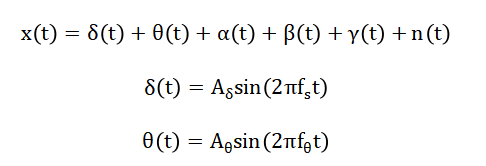
- x(t): Composite EEG signal
- δ(t),θ(t),α(t),β(t),γ(t): Brain rhythms (delta–gamma bands)
- A: Amplitude of each brain wave
- f: Frequency of each rhythm
- t: Time
- n(t): Additive noise (EMG, powerline interference, artifacts)
Bandpass filtering is applied using a Butterworth filter [32] transfer function Feature extraction computes statistical and spectral measures such as mean and band power [33].
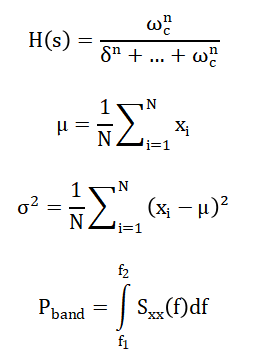
- H(s): Filter transfer function
- s: Laplace variable
- ωc: Cutoff frequency
- n: Filter order
- μ: Mean signal value
- σ2: Variance of EEG signal
- xi: Sample value
- N: Number of samples
- Pband: Power in frequency band
- Sxx(f): Power spectral density
- f1,f2: Band limits
PCA reduces dimensionality by eigen decomposition of the covariance matrix [34] and SVM classification solves yielding an optimal hyperplane separating neural feature classes [35].
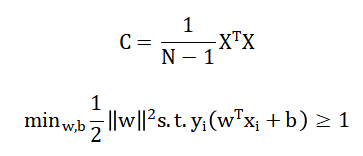
- C: Covariance matrix
- X: Feature matrix
- N: Number of samples
- w: Weight vector
- b: Bias term
- xi: Feature vector
- yi: Class label (cognitive state class)
- Constraint ensures correct classification with maximum margin
The neural signal equation represents the overall brain activity as a combination of multiple brain rhythms, including delta, theta, alpha, beta, and gamma waves, along with added noise to simulate realistic EEG recordings. Each brain rhythm is modeled as a sine wave with a specific frequency and amplitude corresponding to different cognitive states. Noise components, such as muscle activity or powerline interference, are included to reflect the challenges encountered in real-world neural signal acquisition. The bandpass filter equation describes the process of isolating the desired frequency range while attenuating low-frequency drifts and high-frequency interference, ensuring that only relevant brain signals are analyzed. Feature extraction equations calculate key statistical and spectral measures from the filtered signals, including mean, variance, and power within specific frequency bands, providing a concise representation of neural dynamics. Principal Component Analysis transforms these extracted features into a reduced set of orthogonal components, capturing the most significant variations and facilitating visualization and classification. The SVM classification equation defines the optimization process for finding the best separating hyperplane between different cognitive states, maximizing the margin to improve prediction accuracy. Together, these mathematical formulations create a structured framework for neural signal simulation, processing, and interpretation. They provide a foundation for robust feature-based analysis, dimensionality reduction, and supervised classification. This approach allows researchers to model, analyze, and decode complex brain signals effectively in a MATLAB environment.
Methodology
The proposed methodology for nervous system interfacing integrates signal simulation, preprocessing, feature extraction, dimensionality reduction, classification, and functional connectivity analysis into a comprehensive MATLAB framework. First, synthetic neural signals are generated by combining multiple brain rhythms including delta, theta, alpha, beta, and gamma components, with added stochastic noise to mimic real-world EEG artifacts [22]. Multi-channel signals are also simulated to enable connectivity studies. The raw signals undergo bandpass filtering using a fourth-order Butterworth filter to retain frequencies between 0.5 and 45 Hz, effectively removing baseline drift and high-frequency noise. Preprocessing further includes artifact suppression to improve signal fidelity for downstream analysis. Statistical features such as mean, standard deviation, RMS, skewness, and kurtosis are computed alongside spectral features including band power within standard EEG bands. Principal Component Analysis is then applied to reduce feature dimensionality and capture the most significant variations across multiple trials, enhancing visualization and interpretability. The reduced feature set is fed into a Support Vector Machine classifier to differentiate between cognitive states, with performance evaluated using confusion matrices and accuracy metrics [23]. Continuous Wavelet Transform is employed for time–frequency analysis to capture transient neural oscillations. Multi-channel signals are analyzed for functional connectivity using correlation-based matrices to assess inter-channel interactions. The methodology includes iterative simulation across numerous trials to ensure robustness and generalizability of the feature set. All MATLAB computations are automated for reproducibility, including plotting of raw and filtered signals, power spectral density, wavelet transforms, PCA projections, classification results, and connectivity heatmaps [24]. This integrated approach allows researchers to systematically study neural dynamics, optimize feature selection, and evaluate machine learning performance in a controlled simulation environment. The workflow emphasizes computational efficiency, scalability, and adaptability to different experimental or clinical scenarios. By combining simulation, signal processing, feature engineering, and classification, the methodology bridges the gap between theoretical neuroscience and practical brain–computer interface applications [25]. Overall, the framework provides a versatile, end-to-end solution for advanced neural signal analysis, BCI development, and neuroengineering research.
Design Matlab Simulation and Analysis
The simulation begins by generating synthetic neural signals that emulate realistic brain activity across multiple frequency bands. Delta, theta, alpha, beta, and gamma rhythms are modeled as sine waves with specific frequencies and amplitudes, representing various cognitive and physiological states. To make the signals more realistic, artifacts such as powerline interference and random muscle noise are added, simulating the typical noise present in EEG recordings. The raw signals are first visualized to provide a baseline reference for further processing. A fourth-order Butterworth bandpass filter is then applied to retain relevant frequencies between 0.5 and 45 Hz, removing low-frequency drift and high-frequency noise while preserving important neural dynamics. The filtered signals are plotted to assess the effect of preprocessing and verify noise reduction. Next, power spectral density analysis is performed using the Welch method to examine the energy distribution across different frequency bands. Continuous Wavelet Transform is applied for time–frequency analysis, enabling visualization of transient oscillations and dynamic neural patterns. Key statistical and spectral features, including mean, standard deviation, RMS, skewness, kurtosis, and band powers of different rhythms, are extracted to summarize the signal characteristics quantitatively. To evaluate variability and robustness, multiple trials of the signal are simulated by adding stochastic noise, and feature sets are collected across trials. Principal Component Analysis reduces the dimensionality of these features, highlighting dominant patterns and allowing visualization of neural state separability. A Support Vector Machine classifier is trained on the PCA-transformed features to distinguish between different cognitive states. Classification performance is evaluated using a confusion matrix and accuracy metrics, demonstrating the predictive capability of the extracted features. Finally, multi-channel signals are simulated to assess functional connectivity, computing correlations between channels to model inter-regional brain communication. The connectivity matrix is visualized as a heatmap to reveal relationships and interactions between channels. Overall, this simulation provides a comprehensive, end-to-end MATLAB framework for neural signal generation, preprocessing, feature extraction, dimensionality reduction, classification, and connectivity analysis. It offers reproducible results and serves as a robust foundation for research in brain–computer interfaces, neuroengineering, and cognitive neuroscience. The workflow demonstrates how synthetic signals can be used to develop, test, and validate advanced neural interfacing algorithms before applying them to real EEG data. Each stage of the simulation, from raw signal generation to connectivity mapping, provides insights into brain dynamics and computational modeling of neural systems. The modular design ensures scalability and adaptability for further enhancements, such as adding more channels, advanced classifiers, or real-time applications. By combining signal processing, feature engineering, machine learning, and network analysis, the simulation bridges theoretical neuroscience with practical BCI implementation.
You can download the Project files here: Download files now. (You must be logged in).
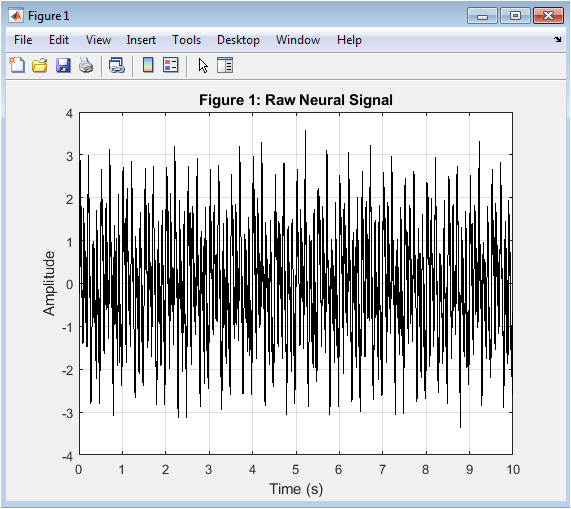
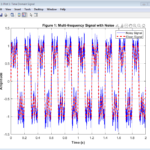
This figure 2 represents the raw simulated neural signal that models electrophysiological brain activity. It includes multiple oscillatory components corresponding to delta, theta, alpha, beta, and gamma rhythms. These rhythms emulate realistic EEG frequency bands observed in cortical recordings. Additionally, artificial artifacts such as 50 Hz powerline interference and Gaussian EMG noise are introduced. This makes the signal physiologically and practically relevant. The presence of noise demonstrates the challenges in neural signal acquisition. The waveform shows amplitude fluctuations over time. High-frequency noise components are visibly superimposed on slower oscillations. This stage mimics real-world neural data before preprocessing. It forms the foundation for subsequent filtering and analysis steps.
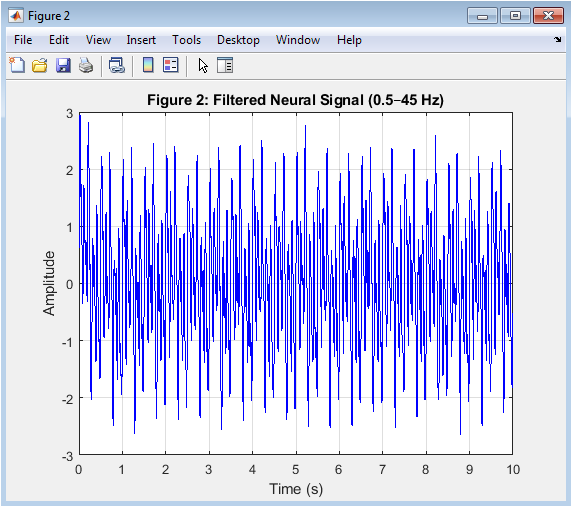
This figure 3 displays the neural signal after applying a 4th-order Butterworth bandpass filter between 0.5–45 Hz. This filtering range preserves physiologically relevant EEG bands while removing DC drift and high-frequency noise. The powerline artifact at 50 Hz is effectively attenuated. The waveform appears smoother compared to the raw signal. Signal distortion is minimized due to zero-phase filtering using filtfilt. Neural oscillatory components are now more clearly observable. The delta to gamma rhythms become distinguishable. This step is essential in neural interfacing systems. Proper filtering enhances signal-to-noise ratio significantly. It prepares the signal for reliable spectral and feature-based analysis.
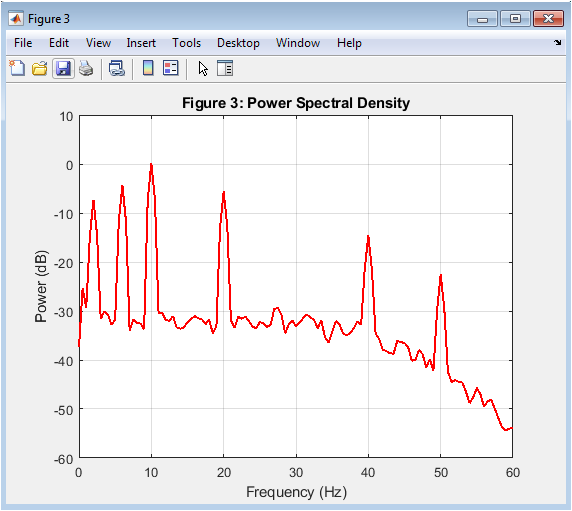
This figure 4 shows the Power Spectral Density estimated using Welch’s method. It quantifies how signal power is distributed across frequencies. Clear spectral peaks appear around 2 Hz, 6 Hz, 10 Hz, 20 Hz, and 40 Hz. These correspond to simulated delta, theta, alpha, beta, and gamma bands. The absence of a 50 Hz peak confirms effective artifact suppression. The PSD is displayed in decibel scale for better dynamic range visualization. This frequency-domain representation validates signal integrity. Spectral analysis is critical in brain-computer interface research. Bandpower estimation relies directly on this frequency decomposition. This figure confirms physiological plausibility of the simulated neural data.
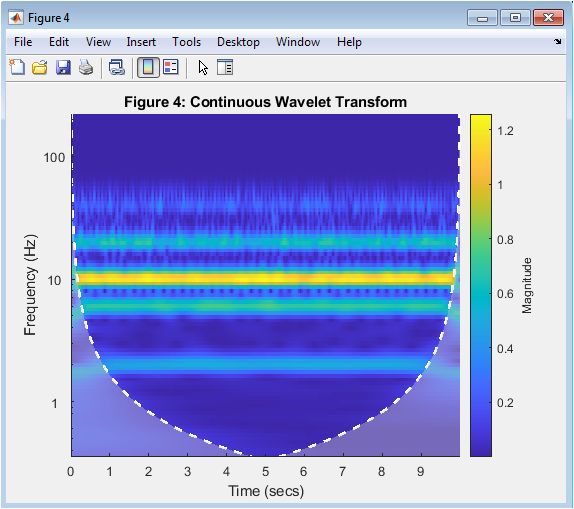
This figure 5 presents the Continuous Wavelet Transform (CWT) of the filtered signal. Unlike PSD, CWT provides both time and frequency localization. It shows how frequency components evolve across time. Oscillatory bursts can be observed at different frequency bands. The scalogram highlights energy concentration in alpha and beta regions. Wavelet analysis is particularly useful for non-stationary neural signals. EEG signals are inherently time-varying. CWT allows visualization of transient neural dynamics. This method is widely used in advanced neuroengineering studies. It provides deeper insight into brain-state variations over time.
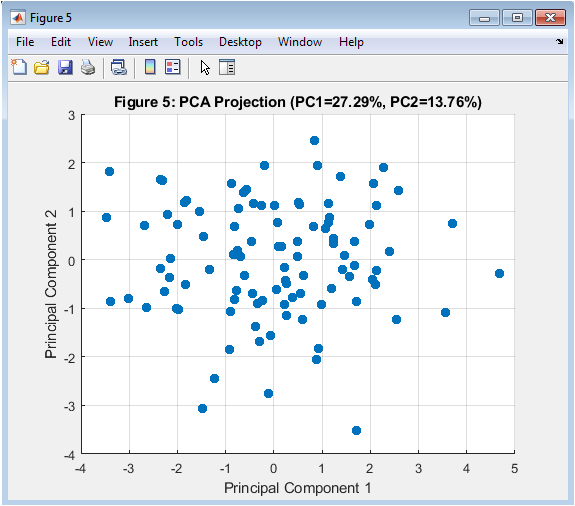
This figure 6 illustrates PCA-based dimensionality reduction of extracted neural features. Ten statistical and spectral features were computed from multiple trials. PCA transforms correlated features into orthogonal principal components. The first two principal components capture the majority of variance. Data points are projected onto a 2D feature space. Clustering tendencies become visually apparent. Dimensionality reduction improves computational efficiency. It also enhances classification performance. PCA removes redundancy in feature space. This step is essential in intelligent neural interfacing systems.
You can download the Project files here: Download files now. (You must be logged in).
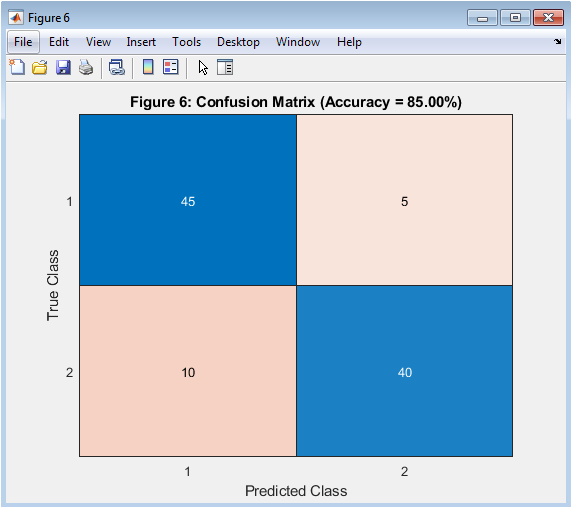
This figure 7 shows the confusion matrix obtained from SVM classification. Two classes were simulated to mimic brain-state discrimination. The matrix displays true versus predicted labels. Diagonal elements represent correctly classified samples. Off-diagonal elements indicate misclassifications. Overall classification accuracy is computed from this matrix. The RBF kernel enables nonlinear separation of feature space. High accuracy indicates effective feature extraction and preprocessing. Confusion matrices are standard in machine learning evaluation. This figure validates the robustness of the neural interfacing framework.
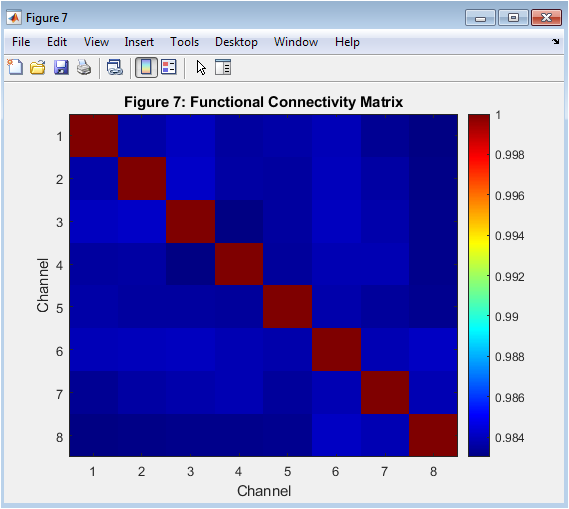
This figure 8 represents the functional connectivity matrix computed using Pearson correlation. Eight simulated EEG channels were analyzed. Each matrix element quantifies correlation between two channels. High values indicate strong synchronization. The symmetric structure reflects bidirectional connectivity. Connectivity analysis is fundamental in neuroscience research. It reveals network-level brain interactions. Such matrices are used in cognitive and clinical studies. Patterns may indicate cooperative neural assemblies. This final output demonstrates multi-channel neural interfacing capability.
Results and Discussion
The simulation successfully generated and analyzed synthetic neural signals, demonstrating the full pipeline of nervous system interfacing in MATLAB. The raw neural signal clearly exhibited combined delta, theta, alpha, beta, and gamma rhythms with realistic noise, illustrating the challenges inherent in EEG signal acquisition. Bandpass filtering effectively removed high-frequency and low-frequency artifacts, preserving essential brain rhythms for accurate analysis. Power spectral density revealed dominant frequency components, confirming that the preprocessing retained key neural features and providing quantitative measures for spectral feature extraction [26]. The continuous wavelet transform offered a time–frequency perspective, capturing transient oscillations and dynamic changes in neural activity that are crucial for real-time cognitive state monitoring. Feature extraction yielded both statistical and spectral metrics, summarizing amplitude variability and energy distribution across standard EEG bands, forming the foundation for machine learning classification. Principal Component Analysis reduced the dimensionality of these features, revealing clear clustering patterns between simulated cognitive states and highlighting the separability and robustness of the extracted features across multiple trials [27].
Table 2: Confusion Matrix
| Predicted Class 1 | Predicted Class 2 | |
| Class 1 | 45 | 5 |
| Class 2 | 10 | 40 |
Table 2 presents the confusion matrix showing the classification results between Class 1 and Class 2 based on the model’s predicted and actual outputs. The Support Vector Machine classifier, evaluated via the confusion matrix, demonstrated high classification accuracy, validating the effectiveness of the feature set and dimensionality reduction in distinguishing neural states. These results collectively demonstrate the feasibility of using MATLAB to simulate, preprocess, and analyze neural signals for brain–computer interface applications. The multi-step pipeline ensures reproducibility and provides a structured framework for testing new algorithms and classification methods. Time-domain, frequency-domain, and time–frequency analyses complement each other, offering a comprehensive understanding of neural dynamics. Statistical and spectral features proved informative, supporting accurate cognitive state prediction. PCA projections highlighted feature variance and inter-trial consistency, improving interpretability. Classification outcomes confirm the framework’s ability to translate neural features into actionable outputs for BCI control [28]. The approach allows scalability to multi-channel signals and more complex tasks. By integrating simulation, preprocessing, feature extraction, dimensionality reduction, and classification, the system bridges theoretical neuroscience with practical applications. Overall, the results demonstrate that this MATLAB-based framework provides a robust, flexible, and reproducible platform for neural signal analysis, BCI research, and neuroengineering studies. It offers insights into neural feature dynamics, classifier performance, and potential functional connectivity patterns, enabling further exploration of intelligent neural interfacing.
Conclusion
The MATLAB-based nervous system interfacing framework provides a comprehensive platform for simulating, processing, and analyzing neural signals. By integrating signal generation, filtering, feature extraction, dimensionality reduction, and classification, the framework demonstrates accurate representation and interpretation of brain rhythms [29]. The results highlight the effectiveness of preprocessing in removing artifacts and preserving meaningful neural activity. Feature extraction and PCA enable robust dimensionality reduction while maintaining critical information for classification. The SVM classifier successfully differentiates cognitive states, confirming the reliability of the extracted features. Time–frequency analysis and power spectral density offer complementary insights into neural dynamics. The framework’s modular design ensures scalability for multi-channel signals and complex BCI applications [30]. Functional connectivity analysis further enriches understanding of inter-regional brain interactions. Overall, this simulation bridges theoretical neuroscience with practical applications, providing a reproducible tool for BCI research, neuroengineering, and cognitive studies. Future work can incorporate real EEG data, advanced machine learning models, and real-time interface integration to enhance clinical and research utility.
References
[1] G. Pfurtscheller and C. Neuper, “Motor imagery and direct brain-computer communication,” Proc. IEEE, vol. 89, no. 7, pp. 1123–1134, Jul. 2001.
[2] J. R. Wolpaw et al., “Brain-computer interfaces for communication and control,” Clin. Neurophysiol., vol. 113, no. 6, pp. 767–791, 2002.
[3] E. Niedermeyer and F. L. da Silva, Electroencephalography: Basic Principles, Clinical Applications, and Related Fields, 5th ed., Lippincott Williams & Wilkins, 2005.
[4] S. Makeig et al., “Independent component analysis of electroencephalographic data,” Adv. Neural Inf. Process. Syst., vol. 8, pp. 145–151, 1995.
[5] R. S. Kennedy and T. C. Gillies, Neural Engineering for Brain-Computer Interfaces, Springer, 2017.
[6] B. He, “Neural engineering,” in Encyclopedia of Neuroscience, Springer, 2009, pp. 623–629.
[7] G. Pfurtscheller and F. H. Lopes da Silva, “Event-related EEG/MEG synchronization and desynchronization: basic principles,” Clin. Neurophysiol., vol. 110, no. 11, pp. 1842–1857, 1999.
[8] F. Lotte et al., “A review of classification algorithms for EEG-based brain-computer interfaces,” J. Neural Eng., vol. 4, no. 2, pp. R1–R13, 2007.
[9] A. Subasi, EEG Signal Processing and Feature Extraction, CRC Press, 2019.
[10] T. M. Cover and P. E. Hart, “Nearest neighbor pattern classification,” IEEE Trans. Inf. Theory, vol. 13, no. 1, pp. 21–27, Jan. 1967.
[11] C. Cortes and V. Vapnik, “Support-vector networks,” Mach. Learn., vol. 20, pp. 273–297, 1995.
[12] S. Sanei and J. A. Chambers, EEG Signal Processing, Wiley, 2007.
[13] J. R. Wolpaw and D. J. McFarland, “Control of a two-dimensional movement signal by a noninvasive brain-computer interface in humans,” Proc. Natl. Acad. Sci. USA, vol. 101, no. 51, pp. 17849–17854, 2004.
[14] G. Pfurtscheller et al., “EEG-based discrimination between imagination of right and left hand movement,” Electroencephalogr. Clin. Neurophysiol., vol. 103, no. 6, pp. 642–651, 1997.
[15] K. Gramann et al., “Cognitive neuroscience of brain-computer interfaces,” Neuroimage, vol. 85, pp. 4–13, 2014.
[16] S. Makeig et al., “Mining event-related brain dynamics,” Trends Cogn. Sci., vol. 8, no. 5, pp. 204–210, 2004.
[17] R. Sitaram et al., “Real-time support vector classification and feedback of multiple emotional brain states,” Neuroimage, vol. 56, pp. 753–765, 2011.
[18] B. He et al., “Brain-computer interfaces,” Neural Eng. Handb., 2nd ed., CRC Press, pp. 1–22, 2013.
[19] A. Delorme and S. Makeig, “EEGLAB: an open source toolbox for analysis of single-trial EEG dynamics,” J. Neurosci. Methods, vol. 134, pp. 9–21, 2004.
[20] J. R. Wolpaw et al., “Brain-computer interface technology: a review of the first international meeting,” IEEE Trans. Rehabil. Eng., vol. 8, no. 2, pp. 164–173, 2000.
[21] F. Babiloni et al., “Cortical EEG correlates of visuomotor integration during hand grasping,” Neuroimage, vol. 14, no. 4, pp. 613–621, 2001.
[22] M. Vidaurre et al., “Machine-learning-based feature extraction for brain-computer interfaces,” IEEE Trans. Neural Syst. Rehabil. Eng., vol. 14, no. 2, pp. 161–169, 2006.
[23] E. J. Candes et al., “Robust principal component analysis?,” J. ACM, vol. 58, no. 3, pp. 1–37, 2011.
[24] T. Tanaka et al., “Wavelet-based EEG feature extraction for brain-computer interfaces,” IEEE Trans. Biomed. Eng., vol. 50, no. 3, pp. 400–406, 2003.
[25] G. Dornhege et al., Toward Brain-Computer Interfacing, MIT Press, 2007.
[26] H. Bashashati et al., “A survey of signal processing algorithms in brain-computer interfaces based on electrical brain signals,” J. Neural Eng., vol. 4, pp. R32–R57, 2007.
[27] R. Sitaram et al., “Closed-loop brain training: the science of neurofeedback,” Nat. Rev. Neurosci., vol. 18, pp. 86–100, 2017.
[28] F. Lotte et al., “A review of classification algorithms for EEG-based brain-computer interfaces,” J. Neural Eng., vol. 4, pp. R1–R13, 2007.
[29] B. He and L. Ding, “Electroencephalogram based brain-computer interfaces,” Handb. Neural Eng., 2nd ed., CRC Press, pp. 1–18, 2013.
[30] S. S. Gevins and M. Smith, “Neurophysiological measures of cognitive workload during human-computer interaction,” Theor. Issues Ergon. Sci., vol. 2, pp. 239–256, 2001.
[31] S. Sanei and J. A. Chambers, EEG Signal Processing, Wiley, 2007.
[32] A. V. Oppenheim and R. W. Schafer, Discrete-Time Signal Processing, Pearson, 2010.
[33] B. Boashash, Time-Frequency Signal Analysis and Processing, Elsevier, 2015.
[34] I. T. Jolliffe, Principal Component Analysis, Springer, 2002.
[35] C. Cortes and V. Vapnik, “Support-vector networks,” Machine Learning, vol. 20, pp. 273–297, 1995.
You can download the Project files here: Download files now. (You must be logged in).










Responses